
Feng Shui Basic Principles
Feng Shui, which translates to “wind and water” in Chinese, is an ancient practice that dates back thousands of years. As a practitioner with a decade of experience, I’ve seen how these principles can transform spaces by creating harmony between people and their environments. Feng Shui focuses on arranging your surroundings to balance energy flow, promoting well-being and prosperity. Let’s explore the fundamental concepts that form the foundation of this timeless practice.
Understanding Qi: The Vital Energy
Qi (pronounced “chee”) is the fundamental energy that flows through everything according to Feng Shui philosophy. This life force energy can be either positive (sheng qi) or negative (sha qi).
Positive qi brings vitality, good fortune, and abundance to your space. It flows gently and nurtures the environment. Negative qi, on the other hand, creates stagnation, discomfort, and can lead to various challenges in life.
The primary goal of Feng Shui is to enhance positive qi flow while minimizing negative qi. This is achieved through thoughtful placement of furniture, décor, and architectural elements that allow energy to circulate freely throughout your space.
Yin and Yang: The Balance of Opposites
The concept of yin and yang represents complementary forces that exist in harmony. Yin embodies qualities like darkness, femininity, passivity, and coolness. Yang represents brightness, masculinity, activity, and warmth.
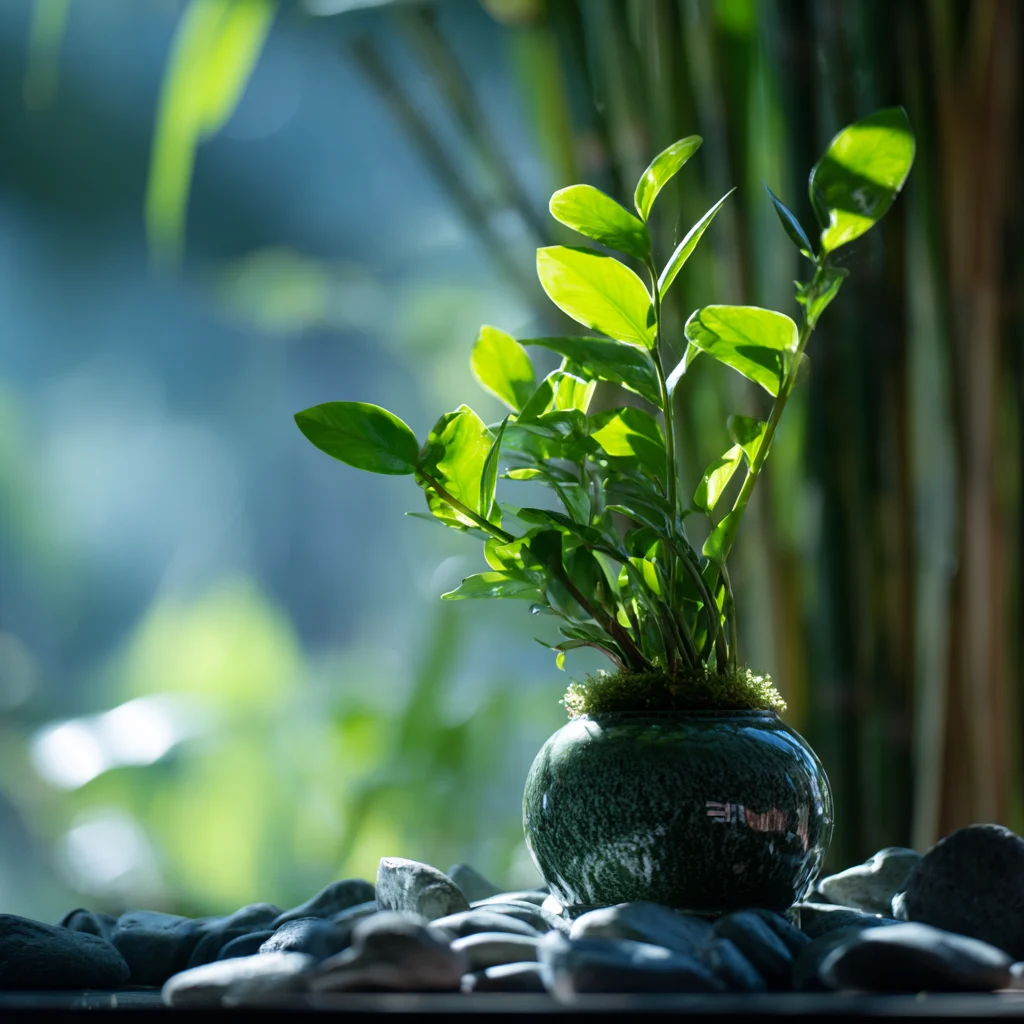
In Feng Shui practice, creating balance between these opposing forces is essential. A space with too much yin energy might feel depressing or lifeless, while excessive yang can feel overwhelming or chaotic.
To create balance, consider incorporating elements of both yin and yang in your space. For example, balance bright lighting (yang) with soft textiles (yin), or combine angular furniture (yang) with curved decorative pieces (yin).
The Five Elements Theory
The Five Elements—Wood, Fire, Earth, Metal, and Water—form a crucial framework in Feng Shui. Each element has distinct characteristics and interacts with the others in specific ways.
Wood Element
Wood represents growth, vitality, and new beginnings. It’s associated with the colors green and brown, rectangular shapes, and plants. Wood energy supports family harmony and health.
Fire Element
Fire embodies passion, energy, and transformation. It’s represented by red, orange, and purple colors, triangular shapes, and lighting. Fire energy enhances recognition and reputation.
Earth Element
Earth symbolizes stability, nourishment, and grounding. It’s associated with yellow, beige, and terra cotta colors, square shapes, and ceramics. Earth energy promotes relationships and knowledge.
Metal Element
Metal represents precision, efficiency, and clarity. It’s linked to white, gray, and metallic colors, circular shapes, and metal objects. Metal energy supports creativity and helpful people.
Water Element
Water embodies wisdom, reflection, and flow. It’s associated with black and dark blue colors, wavy shapes, and glass. Water energy enhances career opportunities and life’s journey.
These elements interact in productive and controlling cycles. In the productive cycle, Wood feeds Fire, Fire creates Earth (ash), Earth produces Metal (minerals), Metal collects Water (condensation), and Water nourishes Wood. Understanding these relationships helps create balanced environments.
The Bagua Map: Energy Sectors
The Bagua is an energy map used to analyze how different areas of your space correspond to various aspects of life. In classical Feng Shui, the Bagua is oriented using a compass, while in Western applications, it’s often aligned with the main entrance.
The Bagua divides your space into nine sectors, each associated with a specific life aspect:
- Wealth & Prosperity (Southeast) – Abundance and financial growth
- Fame & Reputation (South) – Recognition and social standing
- Love & Relationships (Southwest) – Romantic and social connections
- Family (East) – Family health and harmony
- Health (Center) – Physical and mental wellbeing
- Children & Creativity (West) – Projects and future generations
- Knowledge & Wisdom (Northeast) – Learning and self-improvement
- Career (North) – Professional path and life journey
- Helpful People & Travel (Northwest) – Support systems and experiences
By identifying these areas in your home or office, you can enhance specific life aspects by applying appropriate Feng Shui adjustments to each sector.
The Commanding Position
The commanding position is a fundamental principle that determines the optimal placement for important furniture like your bed, desk, or stove. Ideally, these items should be positioned so that you can see the door while using them, but not directly in line with the door.
This position provides a sense of security and control, as you can see who enters the room without being in the direct path of incoming energy. The commanding position also suggests having solid support behind you, typically a wall, while avoiding placement under windows or beams.
For example, your bed should be diagonally across from the bedroom door with the headboard against a solid wall. Your desk should allow you to see the office door without sitting directly in front of or with your back to it.
Space Clearing Techniques
Space clearing is the process of removing stagnant or negative energy from your environment. Regular clearing helps maintain vibrant, positive qi throughout your space.
Effective space clearing methods include:
- Decluttering – Remove unused items that block energy flow
- Sound – Use bells, singing bowls, or clapping to break up stagnant energy
- Smudging – Burn sage, palo santo, or incense to purify the space
- Salt – Place small bowls of sea salt in corners to absorb negative energy
- Fresh air – Open windows regularly to allow fresh qi to circulate
- Intention setting – Visualize positive energy filling your space
I recommend performing a space clearing at least seasonally, or after significant life events, conflicts, or illness.
Common Feng Shui Cures
Feng Shui cures are adjustments used to correct energy imbalances or enhance positive qi. These remedies can be applied to specific areas that need attention.
Popular Feng Shui cures include:
- Mirrors – Reflect and expand energy, or redirect negative qi
- Plants – Add vitality and clean air while representing the Wood element
- Crystals – Transform and purify energy in specific areas
- Wind chimes – Activate stagnant energy and attract positive qi
- Water features – Enhance wealth energy and promote flow
- Lighting – Brighten dark corners where energy becomes stagnant
- Color – Introduce specific elemental energies through paint or décor
When applying cures, focus on intention and placement rather than quantity. A thoughtfully placed cure with clear intention is more effective than numerous random objects.
Practical Applications for Modern Homes
Applying Feng Shui principles doesn’t require a complete home renovation. Start with these practical adjustments:
Entryway
Your entryway is where qi enters your home. Keep it clean, well-lit, and free of clutter. Add a welcome mat and ensure the door opens fully without obstruction. Consider adding plants or artwork that makes you feel positive when arriving home.
Living Room
Arrange seating to promote conversation, with furniture positioned so people can see the door. Avoid placing the back of sofas directly in pathways. Include the Five Elements through décor, and ensure good lighting throughout the space.
Kitchen
Position the stove in the commanding position if possible. Keep counters clear and organized. The refrigerator and stove should not directly face each other (water and fire conflict). Add plants or wooden elements to balance the space.
Bedroom
Place your bed in the commanding position with a solid headboard. Avoid storing items under the bed, which can block energy flow. Use calming, balanced colors and remove electronics that disrupt sleep. Ensure equal space on both sides of the bed to promote relationship harmony.
Home Office
Position your desk in the commanding position with a solid wall behind you for support. Keep the space organized and clutter-free. Add plants or natural elements to enhance creativity and productivity.
Conclusion
Feng Shui offers a holistic approach to creating harmonious environments that support well-being and positive life experiences. By understanding the flow of qi, balancing the Five Elements, using the Bagua map, and implementing proper furniture placement, you can transform your space into one that nurtures and energizes you.
If you’re interested in exploring Feng Shui further, consider starting with small changes in one room before tackling your entire home. For personalized guidance tailored to your specific space and needs, consulting with a qualified Feng Shui practitioner can provide valuable insights and recommendations.