
How To Grow Linum Grandiflorum
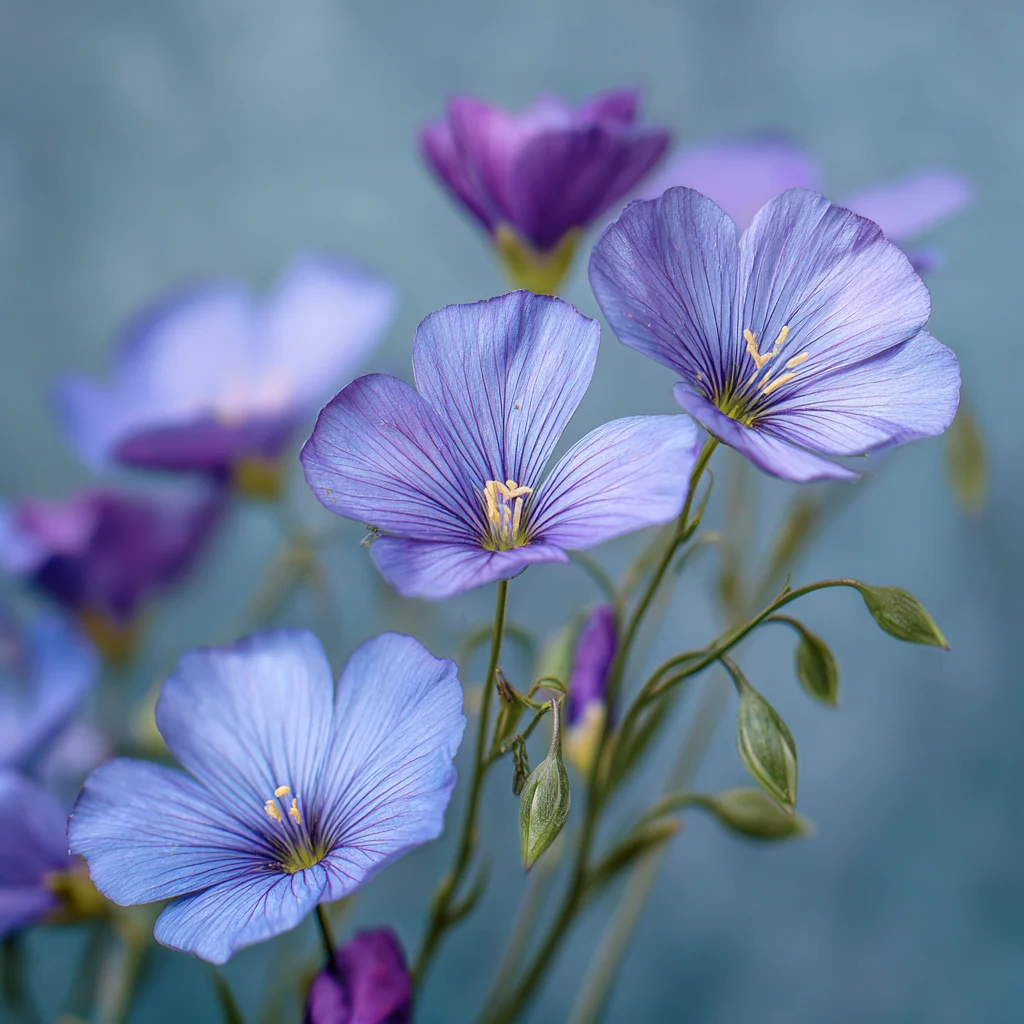
Linum grandiflorum, commonly known as Red Flax or Scarlet Flax, is a beautiful annual herb that produces vibrant crimson flowers. With its delicate blooms and relatively easy care requirements, it makes an excellent addition to gardens, meadows, and flower beds. This hardy plant can thrive in various conditions, making it suitable for gardeners of all experience levels. Whether you’re looking to add a splash of red to your landscape or want to try growing something new, Red Flax is an excellent choice.
Understanding Linum Grandiflorum
Linum grandiflorum is an annual flowering plant that reaches 1-2 feet in height with a spread of 6-12 inches. Native to North Africa, particularly Algeria, this plant has become popular worldwide for its striking red flowers with five petals that bloom from spring through autumn.
Red Flax thrives in USDA hardiness zones 1-10, making it adaptable to most growing regions. The plant features slender stems with narrow, lance-shaped leaves and produces abundant flowers throughout its growing season. Each bloom lasts only a day, but the plant continuously produces new flowers, ensuring a long display of color.
Best Time and Location for Planting
For optimal growth, plant Linum grandiflorum in a location that receives full sun, though it can tolerate partial shade. Choose a spot with well-draining soil to prevent root rot and other moisture-related issues.
The timing of planting depends on your desired blooming period. For early spring blooms, sow seeds in late fall before the first frost. For summer flowering, plant seeds in early spring after the danger of frost has passed. In mild climates, you can sow seeds in fall for winter and spring blooms.
Soil Requirements and Preparation
Red Flax prefers well-draining soil with low to moderate fertility. Unlike many flowering plants, it actually performs better in soil that isn’t too rich in nutrients. The pH level can range from slightly acidic to slightly alkaline (6.0-7.5).
Before planting, prepare the soil by removing weeds and loosening the top 6 inches with a garden hoe or spade. There’s no need to amend the soil with fertilizer or compost unless it’s extremely poor or heavy clay. If you have heavy clay soil, mix in some sand to improve drainage.
Planting Linum Grandiflorum Seeds
Growing Red Flax from seeds is straightforward and generally more successful than transplanting. Follow these steps for the best results:
- Clear the planting area of weeds and debris
- Loosen the top layer of soil to about 6 inches deep
- Scatter seeds on the surface, spacing them about 6 inches apart
- Press seeds gently into the soil without covering them completely
- Water the area lightly to moisten the soil
- Keep the soil consistently moist until germination occurs (usually 7-14 days)
For container growing, use a pot with drainage holes filled with lightweight, well-draining potting mix. Scatter seeds on the surface and press lightly into the soil.
Watering and Moisture Requirements
Linum grandiflorum is relatively drought-tolerant once established. During the germination period and early growth, keep the soil consistently moist but not waterlogged. After the plants are established, they typically require little supplemental watering.
In most garden settings, natural rainfall is sufficient. Only water when rainfall is less than one inch per week. When watering, aim for the base of the plants to avoid wetting the foliage, which can lead to fungal issues.
Light and Temperature Conditions
Red Flax thrives in bright, direct sunlight for at least 6-8 hours daily. While it can tolerate partial shade, fewer hours of sunlight may result in fewer blooms and leggier growth.
This hardy plant adapts well to a wide temperature range, from 30°F to 90°F (-1°C to 32°C). It’s not particularly sensitive to humidity levels, making it suitable for various climate conditions. In extremely hot weather, providing afternoon shade can help prolong the blooming period.
Fertilizing Considerations
One of the advantages of growing Linum grandiflorum is that it doesn’t require regular fertilization. In fact, overly rich soil can lead to excessive foliage growth at the expense of flowers. If your soil is extremely poor, you can apply a light application of balanced, diluted fertilizer at the beginning of the growing season.
Avoid high-nitrogen fertilizers as they promote leafy growth rather than flowering. If you do fertilize, use a formula with higher phosphorus content to encourage blooming.
Maintenance and Care
Red Flax requires minimal maintenance throughout its growing season. While deadheading isn’t necessary, removing spent flowers can encourage more blooms and create a tidier appearance. Use clean scissors or pruning shears to cut back withered foliage and flowers as needed.
The plant has a naturally upright growth habit and rarely requires staking. In windy locations, you might consider planting Red Flax in groups so the plants can support each other.
Propagation Methods
The most effective way to propagate Linum grandiflorum is through seeds. After the flowers fade, seed pods develop and eventually dry on the plant. To collect seeds:
- Wait until seed pods turn brown and begin to split open
- Place a paper bag over the seed heads and gently shake to collect seeds
- Store seeds in a cool, dry place until ready for planting
Red Flax will often self-sow in favorable conditions, creating new plants the following season without any effort on your part. If you prefer to control where the plants grow, collect the seeds before they disperse naturally.
Common Pests and Diseases
While generally resistant to most problems, Linum grandiflorum can occasionally face a few challenges. Common pests include aphids, flax bollworms, and cutworms. For minor infestations, remove pests by hand or spray with insecticidal soap. For cutworms, applying diatomaceous earth around plants can be effective.
Potential diseases include rust, Rhizoctonia, and Fusarium wilt. These fungal issues typically occur in overly wet conditions. To prevent them, ensure good air circulation between plants and avoid overhead watering. If disease appears, remove and dispose of affected plants promptly to prevent spread.
Companion Planting and Garden Design
Red Flax works beautifully in various garden settings. Its vibrant crimson flowers contrast nicely with blues, purples, and whites. Consider planting it alongside:
- Bachelor’s buttons (Centaurea cyanus)
- Cornflowers
- California poppies
- Baby’s breath
- Ornamental grasses
Linum grandiflorum is perfect for cottage gardens, wildflower meadows, and border plantings. It also works well in cutting gardens, as the flowers make lovely additions to bouquets. For a naturalistic look, scatter seeds in drifts rather than formal rows.
Harvesting and Using Red Flax
If you’re growing Red Flax for cut flowers, harvest stems in the morning when flowers have just opened. Cut stems to the desired length and immediately place them in water. The blooms typically last 1-2 days in arrangements.
Beyond ornamental uses, Red Flax has historical significance for its seeds, though this variety is grown primarily for its flowers rather than seed production. The plants add visual interest to the garden throughout their growing season and can attract beneficial pollinators like bees and butterflies.
Troubleshooting Common Growing Issues
If your Red Flax isn’t thriving, consider these common issues and solutions:
Poor Germination
Ensure seeds are fresh and planted at the correct depth (barely covered). Maintain consistent moisture during germination and avoid planting in waterlogged soil.
Few Flowers
Insufficient sunlight is often the culprit. Ensure plants receive at least 6 hours of direct sun daily. Overly rich soil can also reduce flowering, so avoid excessive fertilization.
Leggy Growth
This typically indicates insufficient light. Consider relocating plants to a sunnier spot in future plantings. For current plants, providing support may help prevent flopping.
Conclusion
Linum grandiflorum is a delightful annual that rewards gardeners with vibrant red blooms while requiring minimal care. Its drought tolerance, adaptability to various soil conditions, and continuous flowering make it an excellent choice for both novice and experienced gardeners seeking to add color to their landscapes.
If you’re uncertain about specific growing conditions in your area, consider consulting with your local extension office or garden center for region-specific advice. With proper placement and basic care, your Red Flax plants will provide a stunning display of crimson blooms throughout the growing season.