
Bird Of Paradise Guide
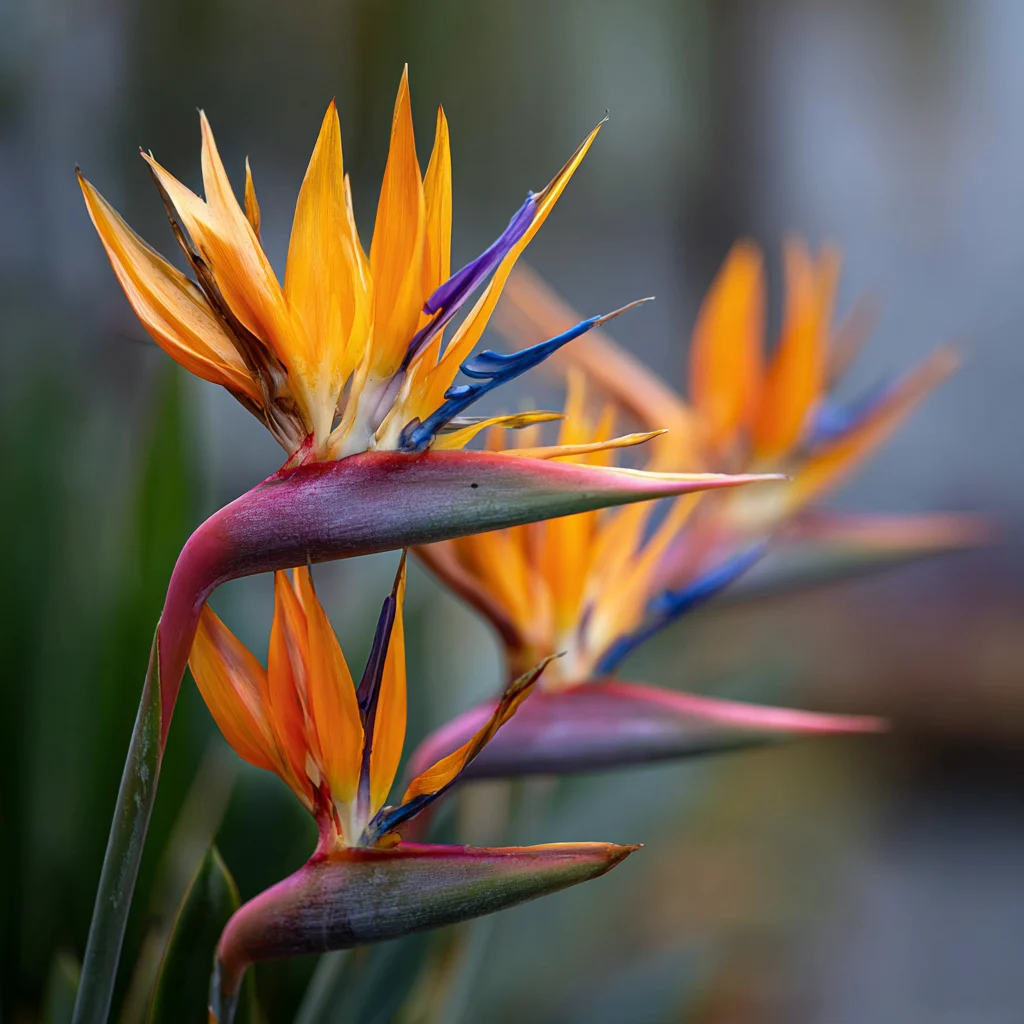
The Bird of Paradise plant (Strelitzia) is a stunning tropical houseplant known for its dramatic foliage and unique, colorful flowers that resemble exotic birds in flight. With proper care, these plants can thrive indoors for many years, adding a bold architectural element to your home. This comprehensive guide covers everything you need to know about selecting, growing, and maintaining these magnificent plants, whether you’re a beginner or experienced plant enthusiast.
Common Bird of Paradise Varieties
Several Bird of Paradise varieties are suitable for indoor growing, each with distinctive characteristics:
- Strelitzia reginae – The most popular variety, featuring striking blue and orange flowers and growing to about 4-5 feet tall indoors.
- Strelitzia nicolai – Known as the White Bird of Paradise or Giant Bird of Paradise, with blue and white flowers and potential to reach 6-7 feet indoors.
- Strelitzia alba – A rare variety with pure white flowers, growing similarly to S. nicolai.
- Strelitzia reginae ‘Kirstenbosch Gold’ – A rare yellow-flowering form, growing to around 4 feet tall.
Light Requirements
Bird of Paradise plants need abundant light to thrive and flower properly. For best results:
- Place your plant within 3 feet of a window.
- East and west-facing windows provide ideal light conditions.
- South-facing windows work well, but protect plants from intense midday sun, especially in summer.
- Avoid north-facing windows, as they typically don’t provide enough light.
- Rotate your plant quarterly to ensure even growth on all sides.
If your plant isn’t receiving enough light, you’ll notice leggy growth and a reduced chance of flowering.
Soil and Potting Requirements
The right soil mix is crucial for Bird of Paradise plants to thrive:
- Use a well-draining, loam-based potting mix.
- A standard houseplant mix with added perlite works well.
- Choose a pot with drainage holes to prevent root rot.
- Select a container that allows 2-3 inches of space around the root ball for young plants.
- For mature plants (5+ years), slightly rootbound conditions can encourage flowering.
Watering Your Bird of Paradise
Proper watering is essential for Bird of Paradise plants:
- Growing season (spring/summer): Keep soil consistently moist but not soggy.
- Dormant season (fall/winter): Allow soil to dry out more between waterings.
- Water thoroughly until it flows from drainage holes, then empty the saucer.
- Check soil moisture by inserting your finger 1-2 inches into the soil—water when it feels dry at this depth.
- Adjust watering frequency based on your home’s conditions—plants in brighter, warmer spots will need more frequent watering.
Temperature and Humidity Needs
Bird of Paradise plants prefer tropical conditions:
- Maintain temperatures between 65-80°F (18-27°C) during the day.
- Night temperatures should not drop below 50-54°F (10-12°C).
- Avoid placing plants near drafts, air conditioning vents, or heating sources.
- These plants thrive in moderate to high humidity (40-60%).
- Increase humidity by placing the pot on a pebble tray with water or using a humidifier nearby.
- Avoid misting the leaves, as this can encourage fungal issues.
Fertilizing Schedule
Bird of Paradise plants benefit from regular feeding during the growing season:
- Apply a balanced, water-soluble fertilizer (10-10-10 or similar) every 4-6 weeks during spring and summer.
- Reduce or eliminate fertilization during fall and winter when growth slows.
- Always apply fertilizer to damp soil to prevent root burn.
- If your plant has been recently repotted, you can wait 2-3 months before fertilizing.
Growth Rate and Size Expectations
Understanding how your Bird of Paradise will develop helps with planning:
- Indoor Bird of Paradise plants grow relatively quickly under optimal conditions.
- Expect growth of 1-2 feet per year when young.
- Most indoor specimens reach 5-6 feet tall with a spread of 3-5 feet.
- Plants typically need to reach maturity (4-7 years) before flowering indoors.
- Each leaf can reach 18 inches or more in length when fully developed.
Pruning and Maintenance
Bird of Paradise plants require minimal pruning:
- Remove damaged, yellowing, or dead leaves by cutting them at the base with clean, sharp scissors.
- Trim spent flower stalks close to the base after blooming.
- Wipe dust from leaves occasionally with a damp cloth to maintain photosynthesis efficiency.
- Split leaves with natural slits are normal and part of the plant’s adaptation to wind in its native habitat.
Repotting Guidelines
Proper repotting keeps your Bird of Paradise healthy:
- Repot younger plants every 18-24 months, preferably in spring.
- Mature plants can be repotted every 3-4 years or when roots become visible at drainage holes.
- Increase pot size by 2-3 inches in diameter each time you repot a growing plant.
- For mature plants, you can maintain the same pot size and simply refresh the soil to encourage flowering.
- After repotting, water thoroughly and place in bright, indirect light for a week before resuming normal care.
Propagation Methods
Division
The most reliable method for propagating Bird of Paradise plants:
- Best done during repotting in spring.
- Gently remove the plant from its pot and shake off excess soil.
- Look for natural divisions in the rhizome system with attached shoots.
- Using a clean, sharp knife, separate the rhizomes, ensuring each division has roots and at least one shoot.
- Pot each division in appropriate soil and water thoroughly.
Seeds
Growing from seeds requires patience but can be rewarding:
- Soak seeds in warm water for 24-48 hours before planting.
- File or nick the seed coat slightly to improve germination.
- Plant seeds 1/2 inch deep in well-draining soil.
- Maintain soil temperature around 70-75°F (21-24°C).
- Expect germination in 1-3 months.
- Seedlings may take 3-5 years to mature and potentially 5-10 years to flower.
Troubleshooting Common Problems
Leaf Issues
- Yellowing leaves: Often indicates overwatering, poor drainage, or nutrient deficiency. Check soil moisture and adjust watering accordingly.
- Brown leaf edges: Usually caused by low humidity or salt buildup from fertilizer. Increase humidity and flush soil occasionally.
- Curling leaves: Typically a sign of underwatering or low humidity. Adjust your watering schedule and consider humidity solutions.
- Leaf splits: Natural and normal; helps the plant withstand wind in its native habitat.
Pests and Diseases
Bird of Paradise plants can occasionally face pest issues:
- Spider mites: Look for fine webbing and stippled leaves. Treat with insecticidal soap or neem oil.
- Mealybugs: Appear as white, cottony clusters. Remove with alcohol-dipped cotton swabs and treat with insecticidal soap.
- Scale: Small, brown bumps on stems and leaves. Scrape off gently and apply horticultural oil.
- Root rot: Caused by overwatering. Ensure proper drainage and adjust watering practices.
Flowering Indoors
Getting your Bird of Paradise to bloom indoors requires specific conditions:
- Plants typically need to be 4-7 years old before flowering indoors.
- Provide very bright light, ideally with some direct morning sun.
- Keep slightly rootbound to encourage flowering.
- Maintain consistent temperatures between 65-80°F (18-27°C).
- Feed regularly during the growing season with a phosphorus-rich fertilizer.
- Be patient—indoor flowering is less common than outdoor flowering.
Conclusion
Bird of Paradise plants are stunning tropical specimens that bring dramatic flair to indoor spaces with their large, architectural leaves and unique flowers. With proper light, consistent watering, appropriate humidity, and occasional feeding, these plants can thrive indoors for many years, potentially rewarding you with their exotic blooms.
If you’re struggling with specific issues like persistent pests, diseases, or failure to thrive despite following care guidelines, consider consulting with a professional horticulturist or your local garden center for personalized advice tailored to your growing conditions and plant’s specific needs.