

How to Grow Clematis on a Trellis: When to Plant, Best Varieties & Care Guide
Intro for Growing Clematis on a Trellis
Clematis is often called the “queen of climbers” for good reason—these stunning flowering vines can transform an ordinary garden trellis into a spectacular vertical display of color. With proper support and care, clematis can reach heights of 2-4 meters (6-12 feet) or more, producing an abundance of showy blooms in various colors from spring through fall, depending on the variety. These versatile perennials thrive in most temperate regions (USDA zones 4-9) and are perfect for adding vertical interest to gardens of any size. Whether you’re looking to disguise an unsightly fence, create a flowering archway, or add drama to a garden wall, learning the right way to grow clematis on a trellis will reward you with years of breathtaking blooms.
When to plant Clematis on a Trellis
Clematis is best planted during the dormant season when the plant can focus on establishing a strong root system rather than supporting top growth. In most temperate regions, early spring (after the threat of hard frost has passed) or early autumn (at least 6 weeks before first frost) are ideal planting times. Soil temperatures between 10-18°C (50-65°F) provide optimal conditions for root development. Avoid planting during summer heat, which can stress young plants, or during winter when the ground is frozen. Container-grown clematis can technically be planted any time the ground isn’t frozen, but they’ll establish more successfully during these optimal seasonal windows.
Best time to plant Clematis on a Trellis
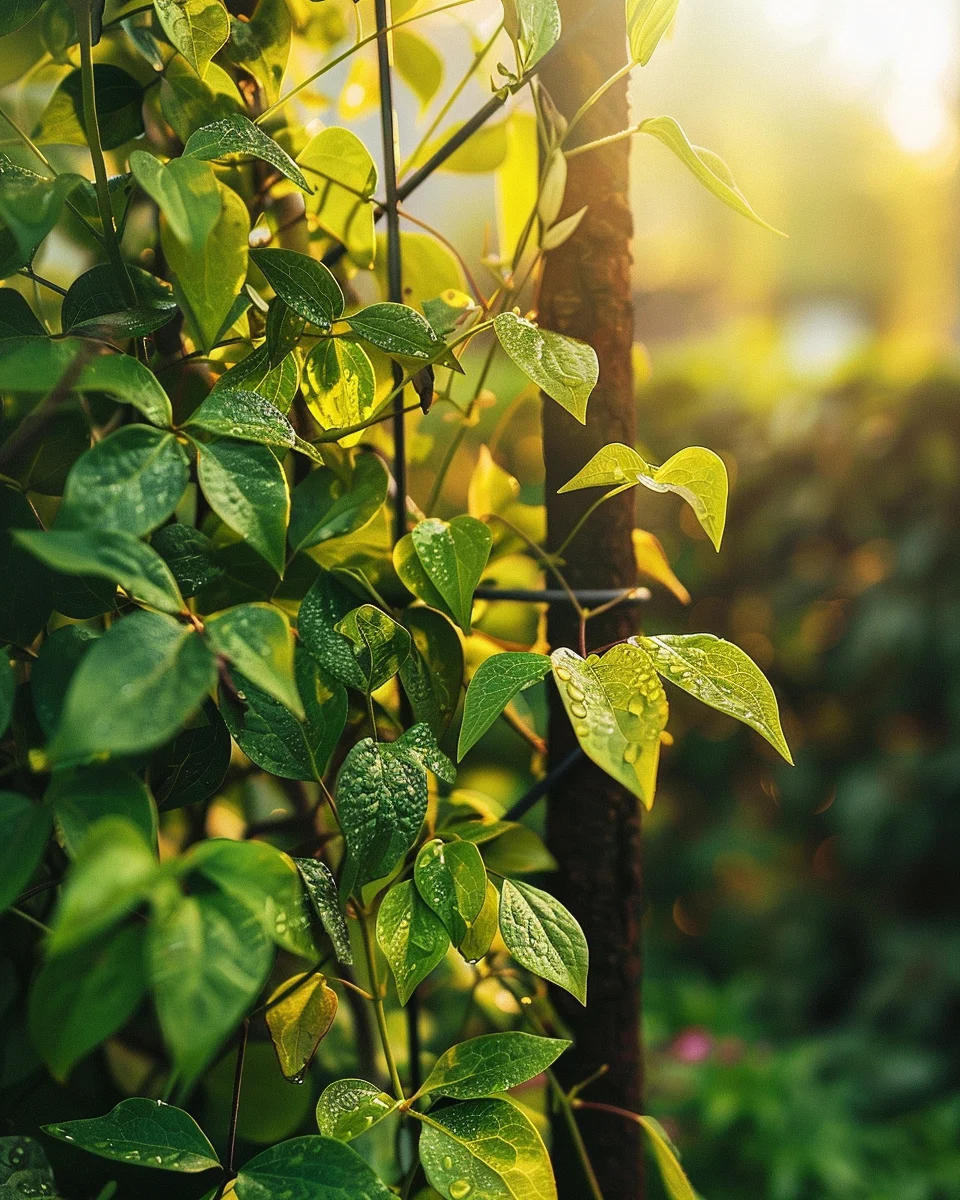
For cool temperate regions (UK, Northern US, Canada), plant clematis from mid-March to early May or September to mid-October. In warmer climates (Southern US, Mediterranean regions), the planting window extends from February to April or September to November. Container-grown clematis can be transplanted throughout these periods, though they benefit from extra attention to watering if planted during warmer months. Regardless of your climate, aim to plant on an overcast day to minimize transplant shock, and water thoroughly after planting. Allow several weeks for establishment before the onset of extreme temperatures (either summer heat or winter cold).
Best Clematis varieties to grow on a Trellis
- Nelly Moser – Large pink flowers with darker pink bars, blooms twice yearly and tolerates partial shade better than most varieties.
- Jackmanii – Produces masses of velvety purple flowers from mid-summer to early autumn and is exceptionally vigorous and reliable.
- Montana ‘Rubens’ – Fast-growing with fragrant pale pink flowers in spring, perfect for covering large areas quickly.
- Duchess of Edinburgh – Double white flowers that bloom in early summer and again in early autumn, creating an elegant display.
- Princess Diana – Distinctive tulip-shaped bright pink flowers that bloom from mid-summer into autumn, excellent for smaller spaces.
- Niobe – Rich ruby-red flowers with golden stamens, compact enough for container growing yet impactful.
- Arabella – Non-clinging clematis with profuse blue-purple flowers, ideal for scrambling through shrubs or along low trellises.
- Avalanche – Prolific small white flowers with exceptional disease resistance, perfect for beginners.
How to plant Clematis on a Trellis
Materials needed:
- Clematis plant (preferably 2-year-old container-grown)
- Sturdy trellis, obelisk, or support structure
- Garden spade or shovel
- Organic compost or well-rotted manure
- Bone meal or balanced slow-release fertilizer
- Mulch (bark chips or compost)
- Garden stakes and plant ties (optional)
- Watering can or hose
Step-by-step planting instructions:
- Install your trellis or support structure before planting, ensuring it’s sturdy enough to support the mature weight of the clematis.
- Position the trellis about 5-10 cm (2-4 inches) away from a wall to allow for air circulation if planting against a structure.
- Dig a hole approximately 45 cm (18 inches) deep and wide, twice the size of the root ball.
- Mix the excavated soil with compost or well-rotted manure at a ratio of about 1:1.
- Add a handful of bone meal or slow-release fertilizer to the bottom of the hole and mix lightly with soil.
- Position the clematis so the crown (where the stems meet the roots) sits 5-7 cm (2-3 inches) below soil level—this encourages multiple stem growth if damage occurs above ground.
- Backfill with the amended soil, firming gently but not compacting.
- Water thoroughly, allowing the water to settle the soil around the roots.
- Apply a 5-7 cm (2-3 inch) layer of mulch around the base, keeping it away from the stems.
- Place a small plant collar or physical barrier around the base to protect from slug damage and provide shade for the roots.
How to grow Clematis on a Trellis
Clematis requires the right balance of sunlight and shade to thrive. Most varieties prefer their “heads in the sun, feet in the shade”—meaning the flowering top portion needs 6+ hours of sunlight while the root zone benefits from being cool and shaded. Water deeply but infrequently, providing about 2.5 cm (1 inch) of water weekly during the growing season, more during hot, dry periods. Fertilize in early spring with a balanced, slow-release fertilizer, then follow up with a potassium-rich fertilizer (like tomato feed) every 4-6 weeks during the growing season.
Train young clematis stems by gently tying them to the trellis with soft plant ties or garden twine. The stems are brittle, so handle with care. For container-grown clematis, use a pot at least 45 cm (18 inches) deep and wide with excellent drainage. Place small-mesh wire or decorative rocks over the soil surface to keep roots cool. Provide winter protection in colder regions by mulching heavily around the base and wrapping containers in burlap or bubble wrap.
Caring for Clematis on a Trellis
Pruning is crucial for clematis health and flowering but varies by type. Group 1 (early flowering) requires minimal pruning—just remove dead or damaged growth after flowering. Group 2 (large-flowered, blooming in late spring/early summer) benefits from light pruning in late winter, removing weak or damaged stems. Group 3 (late-flowering) should be cut back hard to about 30 cm (12 inches) above ground in late winter.
Watch for clematis wilt, which causes sudden stem collapse and blackening. If detected, cut affected stems back to healthy tissue and dispose of them (don’t compost). Powdery mildew appears as a white powder on leaves and can be treated with a fungicide or neem oil spray. Slugs and snails may damage young shoots; use barriers or organic slug pellets as prevention. Aphids can be controlled with insecticidal soap or a strong water spray.
For winter care, add a thick layer of mulch around the base in late autumn to protect the crown from freezing temperatures. In very cold regions, consider wrapping the lower portion of the plant with horticultural fleece.
Understanding bolting in Clematis on a Trellis
Unlike vegetable plants, clematis doesn’t bolt in the traditional sense of premature flowering and seed production. However, clematis can experience stress-related issues that affect flowering. Extended periods of drought can cause clematis to conserve energy by reducing flower production. Extreme heat can cause flowers to fade quickly or buds to abort before opening. Nutrient deficiencies, particularly lack of phosphorus and potassium, can lead to poor flowering performance.
To prevent these issues, maintain consistent soil moisture, provide afternoon shade in hot climates, apply a layer of mulch to keep roots cool, and ensure proper fertilization with a balanced or bloom-boosting formula. If your clematis stops flowering mid-season, check for signs of stress, adjust watering as needed, and consider applying a liquid fertilizer high in phosphorus and potassium to encourage new bloom development.
Why does Clematis on a Trellis turn bitter?
Clematis plants don’t “turn bitter” as they’re ornamental rather than edible plants. However, they can develop problems that affect their appearance and performance:
- Yellowing leaves – Usually indicates chlorosis from alkaline soil or iron deficiency; apply iron chelate and acidify soil slightly.
- Brown leaf edges – Typically drought stress or fertilizer burn; adjust watering schedule and flush excess fertilizer from soil.
- Reduced flowering – Often caused by improper pruning for the specific clematis group; identify your variety and follow appropriate pruning guidelines.
- Leggy growth – Results from insufficient light; consider relocating the plant or trimming nearby vegetation that’s casting shade.
- Stunted growth – May indicate root competition from nearby plants or poor soil conditions; improve soil with organic matter and ensure adequate spacing.
Companion planting for Clematis on a Trellis
Clematis pairs beautifully with many garden plants that can enhance its growth and display:
- Roses – Provide sturdy support for clematis to climb while offering complementary blooms; roses also attract beneficial insects that help control clematis pests.
- Hostas – Their large leaves provide perfect shade for clematis roots while allowing the vine to climb up and through for a dramatic display.
- Shrubs (Viburnum, Hydrangea) – Act as living trellises for clematis while providing the cool root environment they prefer.
- Spring bulbs (Daffodils, Tulips) – Offer early season interest before clematis begins flowering and naturally die back as clematis reaches its peak.
- Heuchera (Coral Bells) – Colorful foliage provides year-round root shade and contrasting texture at the base of clematis.
Avoid planting clematis near:
- Aggressive vines (like wisteria or trumpet vine) that will compete for trellis space and potentially overwhelm clematis.
- Shallow-rooted trees that compete for water and nutrients, such as birch or maple.
- Plants requiring frequent division or disturbance that might damage clematis roots during maintenance.
Seasonal calendar
- January-February: Plan clematis additions; order bare-root plants; prune Group 3 clematis.
- March: Finish pruning Group 2 and 3 clematis; plant bare-root clematis; apply slow-release fertilizer to established plants.
- April: Plant container-grown clematis; install supports; watch for emerging pests.
- May: Begin regular watering routine; apply liquid feed to encourage flowering; enjoy early-flowering varieties.
- June-July: Continue regular watering and feeding; enjoy peak flowering period for many varieties; deadhead spent blooms on repeat-flowering types.
- August: Monitor for drought stress; continue deadheading; enjoy late-summer flowering varieties.
- September: Plant new clematis for fall establishment; reduce feeding; enjoy fall-flowering varieties.
- October: Last chance for fall planting; clean up any diseased foliage; apply compost around base.
- November: Apply winter mulch; secure any loose vines to prevent winter damage.
- December: Minimal maintenance; plan for next year’s additions or changes.
Note: In warmer regions (zones 8-9), extend fall planting into November and begin spring activities 2-4 weeks earlier. In colder regions (zones 4-5), delay spring planting until threat of frost passes and complete fall planting by early October.
Problems & solutions
| Problem | Quick Fix |
|---|---|
| Clematis wilt (sudden stem collapse) | Cut affected stems to healthy tissue; dispose of cuttings; plant will usually regrow from base. |
| Few or no flowers | Check pruning timing (may have removed flower buds); apply high-potassium fertilizer; ensure adequate sunlight. |
| Powdery mildew | Improve air circulation; apply fungicide or neem oil; remove severely affected leaves. |
| Aphid infestation | Spray with strong water jet; apply insecticidal soap; introduce ladybugs as natural predators. |
| Yellowing leaves | Check soil pH (add sulfur if too alkaline); apply iron chelate; ensure proper drainage. |
| Slugs damaging young shoots | Place copper tape barriers; apply organic slug pellets; set beer traps nearby. |
| Vine not climbing trellis | Gently train and secure young stems with soft ties; ensure trellis has thin enough supports for tendrils to grasp. |
Common questions about growing Clematis on a Trellis
Q: How often should I water my clematis?
A: Water deeply once a week, providing about 2.5 cm (1 inch) of water. During hot, dry periods, increase to twice weekly. Container-grown clematis may need daily watering in summer.
Q: Can clematis grow in full shade?
A: Most clematis require at least 4-6 hours of sunlight to flower well. Some varieties like C. montana and C. alpina can tolerate partial shade with 3-4 hours of sun. For very shady locations, consider Clematis ‘Nelly Moser’ or ‘Henryi’.
Q: What size container is needed for clematis?
A: Use a container at least 45-60 cm (18-24 inches) deep and wide with excellent drainage. The larger the pot, the more stable the root temperature and moisture levels will be.
Q: How far apart should I plant multiple clematis?
A: Space clematis plants 90-120 cm (3-4 feet) apart when planting along a fence or large trellis. Different varieties can be planted closer (60-90 cm/2-3 feet) if you want them to intertwine for extended blooming periods.
Q: Can clematis survive winter in cold climates?
A: Most clematis are hardy to USDA zone 4 (-30°C/-20°F) if properly mulched. Apply 10-15 cm (4-6 inches) of mulch around the base in late fall. In zones 3-4, consider wrapping the lower portion with burlap or horticultural fleece.
Q: Why did my clematis die back to the ground?
A: This could be clematis wilt, winter damage, or improper pruning. Regardless of cause, many clematis will regrow from the base if the roots remain healthy. Ensure proper mulching and avoid disturbing the root zone.
Q: Can I grow clematis in a hanging basket?
A: While most clematis are too vigorous for hanging baskets, compact varieties like ‘Pixie’ or ‘Arabella’ can work in large hanging planters with regular watering and feeding. These will cascade rather than climb upward.