
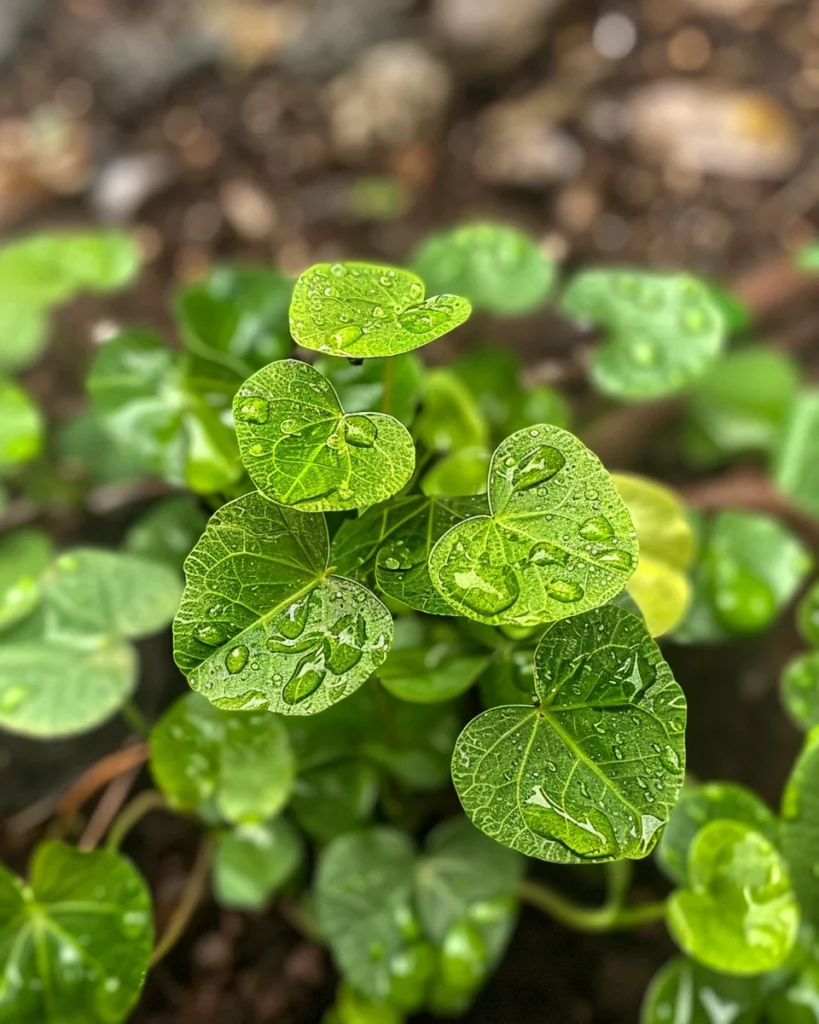
The Secret Ingredient That Makes Flowers and Plants Grow Like Crazy: Epsom Salt Benefits, Application & Tips
Intro for This One Ingredient Makes Any Flower or Plant Grow Like Crazy
Epsom salt (magnesium sulfate) is the gardening world’s best-kept secret for supercharging plant growth. This inexpensive household product delivers essential magnesium and sulfur that plants need for chlorophyll production, nutrient absorption, and robust root development. Unlike many commercial fertilizers, Epsom salt is gentle, natural, and versatile enough for almost any garden plant. It works particularly well for roses, tomatoes, peppers, and many flowering ornamentals that benefit from additional magnesium. Whether you’re dealing with lackluster blooms, yellowing leaves, or simply want to maximize your garden’s potential, this mineral compound can transform your growing results in temperate regions worldwide.
When to plant This One Ingredient Makes Any Flower or Plant Grow Like Crazy
Epsom salt applications should align with your plants’ active growing seasons. For most flowering plants and vegetables, begin applications in early spring when soil temperatures reach 10-15°C (50-60°F) and plants show new growth. Continue through summer, reducing frequency in fall as growth slows. In frost-prone regions, avoid heavy applications before expected freezes as this might stimulate tender new growth susceptible to damage. For indoor plants, Epsom salt can be applied year-round, though it’s most beneficial during active growth phases. In Mediterranean or subtropical climates, applications can continue through mild winters when plants remain actively growing.
Best time to plant This One Ingredient Makes Any Flower or Plant Grow Like Crazy
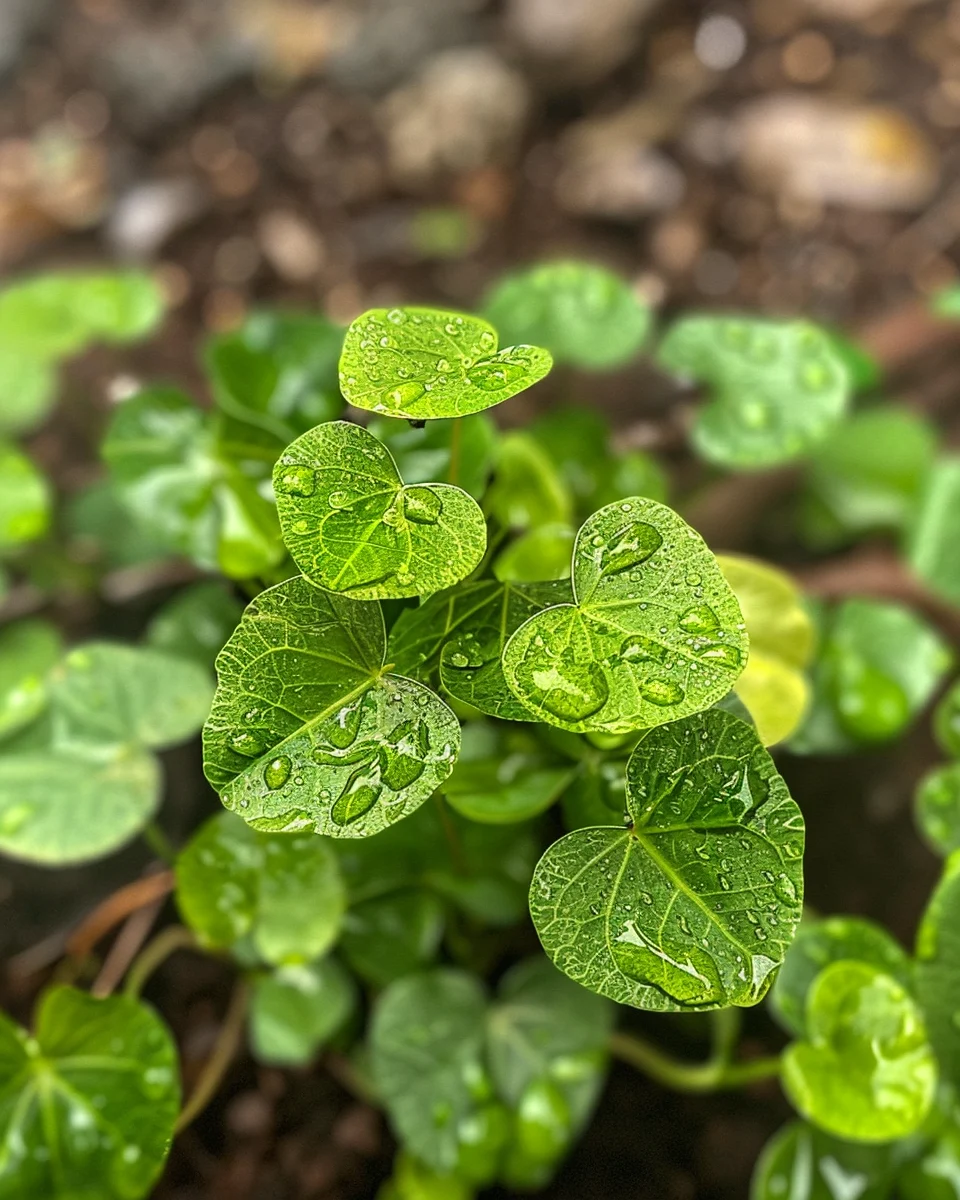
For established perennials, apply Epsom salt in early spring (March-April in cool climates, February-March in warm regions) as plants emerge from dormancy. For vegetables, incorporate Epsom salt at planting time and again when flowering begins. Roses benefit from applications just as new leaves appear and again during the first bloom cycle. Container plants respond well to monthly applications during the growing season (April-September in temperate zones). For lawns, early spring and mid-autumn applications (when grass is actively growing but not heat-stressed) yield the best results. Always apply after rainfall or irrigation when soil is moist but not waterlogged.
Best This One Ingredient Makes Any Flower or Plant Grow Like Crazy varieties to grow
While Epsom salt benefits most plants, these varieties show particularly dramatic responses:
• Roses – Especially hybrid teas and floribundas; produces more vibrant blooms and greener foliage.
• Tomatoes – Prevents magnesium deficiency common in heavy producers; reduces blossom end rot.
• Peppers – Increases yield and improves fruit size; strengthens cell walls for better disease resistance.
• Potatoes – Enhances size and quality of tubers; improves overall plant vigor.
• Hydrangeas – Intensifies blue coloration in acidic soils; promotes more abundant flowering.
• Azaleas and Rhododendrons – Counteracts magnesium deficiency in acidic-loving plants.
• Ferns – Produces lusher, greener fronds; excellent for container-grown specimens.
• Houseplants – Especially beneficial for chlorotic (yellowing) plants like peace lilies and spider plants.
How to plant This One Ingredient Makes Any Flower or Plant Grow Like Crazy
Materials list:
– Pure Epsom salt (magnesium sulfate) without additives
– Watering can or garden sprayer
– Measuring spoons/cups
– Garden gloves
– Soil testing kit (optional but recommended)
– Bucket for mixing solutions
– Garden trowel for soil incorporation
Step-by-step application:
1. Test your soil if possible to confirm magnesium deficiency (yellowing leaves with green veins is a common indicator).
2. For new plantings, incorporate 1 tablespoon of Epsom salt per planting hole for small plants or 1/4 cup for larger shrubs and trees.
3. Mix thoroughly with soil at the bottom of the planting hole to prevent direct root contact.
4. Plant as usual, ensuring roots are well-covered with amended soil.
5. Water thoroughly to help dissolve the Epsom salt and make it available to plant roots.
6. For established plants, dissolve 1 tablespoon of Epsom salt per gallon of water.
7. Apply the solution at plant bases, avoiding foliage in hot, sunny conditions to prevent leaf scorch.
8. For foliar application, use a more diluted solution (1 teaspoon per gallon) and spray in early morning or evening.
9. Reapply monthly during the growing season or when plants show signs of magnesium deficiency.
10. For lawns, apply 3 pounds (approximately 6 cups) per 1,250 square feet using a spreader, then water thoroughly.
How to grow This One Ingredient Makes Any Flower or Plant Grow Like Crazy
Epsom salt works best when incorporated into a comprehensive plant care regimen. Apply in full to partial sunlight conditions depending on plant requirements—the increased magnesium helps plants maximize photosynthesis efficiency. Water plants thoroughly before application to prevent root burn. For container plants, use a monthly feeding schedule of 1 tablespoon Epsom salt per gallon of water. Combine with regular organic fertilizers as Epsom salt provides magnesium and sulfur but not nitrogen, phosphorus, or potassium. Apply mulch after soil applications to help retain moisture and prevent rapid leaching. For vegetables, side-dress with dry Epsom salt (1 tablespoon per foot of plant height) when plants begin flowering. Roses benefit from a quarterly application schedule, with heavier doses before major bloom cycles. For acid-loving plants, combine with soil acidifiers for best results.
Caring for This One Ingredient Makes Any Flower or Plant Grow Like Crazy
Monitor plants for signs of magnesium deficiency (yellowing between leaf veins while veins remain green) and increase application frequency if symptoms persist. Avoid overuse, which can cause soil buildup and nutrient imbalances—more is not always better. For pest management, Epsom salt can deter some soft-bodied pests like slugs when sprinkled dry around plants. It does not directly treat fungal diseases but strengthens plants to better resist infection. Harvest vegetables and fruits at peak ripeness; Epsom salt-treated plants often produce more abundant yields that mature slightly faster. For flowering plants, deadhead regularly to encourage continued blooming and maximize the benefits of your Epsom salt applications. Store unused Epsom salt in a dry, sealed container away from moisture. In container gardens, flush the soil occasionally with plain water to prevent salt buildup, especially in pots without drainage holes.
Understanding bolting in This One Ingredient Makes Any Flower or Plant Grow Like Crazy
Bolting refers to premature flowering and seed production in vegetable plants, particularly leafy greens. While Epsom salt doesn’t directly prevent bolting, its magnesium content helps plants manage stress factors that trigger bolting. Heat stress is a primary bolting trigger; magnesium-sufficient plants often show better heat tolerance. Photoperiod changes (increasing daylight hours) can signal plants to bolt; regular Epsom salt applications help maintain vegetative growth longer. Drought stress commonly induces bolting; magnesium improves water utilization efficiency. If bolting begins, harvest immediately for best flavor, as magnesium levels won’t reverse the process once started. For bolt-prone crops like lettuce and spinach, combine Epsom salt with shade cloth protection and consistent watering during hot periods for best results.
Why does This One Ingredient Makes Any Flower or Plant Grow Like Crazy turn bitter?
Occasionally, plants may not respond as expected to Epsom salt applications. Potential issues include:
• Overuse leading to magnesium toxicity – Reduce application frequency and flush soil with plain water.
• Soil pH imbalance – Test soil; Epsom salt works best in slightly acidic to neutral soils (pH 6.0-7.0).
• Competing nutrient deficiencies – Ensure plants receive complete nutrition; Epsom salt only addresses magnesium and sulfur needs.
• Poor timing – Applications during extreme heat or drought stress may be ineffective; water thoroughly first.
• Counterfeit products – Use only pure, agricultural-grade Epsom salt without additives or scents.
Companion planting for This One Ingredient Makes Any Flower or Plant Grow Like Crazy
Epsom salt applications work particularly well with these companion planting strategies:
Beneficial combinations:
• Tomatoes with basil – Both benefit from magnesium; basil deters pests while tomatoes utilize extra magnesium for fruit production.
• Roses with garlic – Garlic deters aphids while both utilize the magnesium for stronger growth.
• Peppers with marigolds – Marigolds repel nematodes; both respond well to Epsom salt applications.
• Strawberries with spinach – Both are heavy magnesium feeders that complement each other’s growth habits.
• Blueberries with azaleas – Both acid-loving plants that respond well to magnesium supplementation.
Avoid combining Epsom salt applications with:
• Heavy limestone amendments – Can neutralize the benefits by altering soil pH and magnesium availability.
• High-magnesium fertilizers – Creates potential for toxicity through over-supplementation.
• Plants sensitive to sulfur – Including certain bean varieties and members of the cabbage family in excess amounts.
Seasonal calendar
Early Spring (March-April):
• Apply first seasonal dose to perennials and roses as new growth appears
• Incorporate into soil for new plantings
• Apply to lawns with first fertilization
Late Spring (May):
• Foliar spray for transplanted vegetables
• Second application for heavy bloomers
• Side-dress fast-growing vegetables
Summer (June-August):
• Monthly applications for container plants
• Bi-weekly foliar sprays during peak growing season
• Extra applications for heat-stressed plants
Fall (September-October):
• Final application for perennials before dormancy
• Reduce frequency as growth slows
• Soil drench for spring-flowering bulbs at planting time
Winter (November-February):
• Indoor plants only in cold regions
• Reduced applications (monthly) for houseplants
• In warm regions, continue for winter vegetables
Problems & solutions
Problem | Quick Fix
— | —
Yellowing leaves with green veins | Apply 1 tbsp Epsom salt per gallon of water as foliar spray
Stunted growth despite adequate fertilizer | Side-dress with 2 tbsp Epsom salt per plant, water in thoroughly
Poor flowering despite healthy foliage | Apply 1/4 cup around drip line of plant, water deeply
Blossom end rot on tomatoes persisting | Combine Epsom salt (1 tbsp/gal) with calcium spray for balanced nutrition
Leaf curl or distortion | Reduce application frequency; may indicate overuse
Soil testing shows high magnesium | Discontinue use; focus on other nutrients that may be deficient
No visible improvement after 2-3 applications | Test soil pH; adjust if necessary for better magnesium uptake
Common questions about growing This One Ingredient Makes Any Flower or Plant Grow Like Crazy
How often should I apply Epsom salt to my garden?
For most plants, monthly applications during the growing season are sufficient. Heavy feeders like roses and tomatoes may benefit from bi-weekly applications during peak growth periods. Container plants typically need more frequent applications (every 2-3 weeks) as nutrients leach more quickly.
Can I use Epsom salt on all my plants?
While most plants benefit from occasional Epsom salt applications, some plants like beans, sage, and certain succulents are sensitive to excess magnesium. Always start with diluted applications (1 tsp per gallon) for sensitive plants and observe their response before increasing frequency.
Is Epsom salt organic and environmentally friendly?
Yes, Epsom salt is a naturally occurring mineral compound that’s considered acceptable for organic gardening. It breaks down into elements plants need without harmful residues, though like any amendment, it should be used judiciously to prevent runoff or soil imbalances.
Can Epsom salt replace regular fertilizer?
No, Epsom salt provides only magnesium and sulfur. Plants need additional macronutrients (nitrogen, phosphorus, potassium) and micronutrients that must come from complete fertilizers. Use Epsom salt as a supplement to, not a replacement for, balanced nutrition.
How much Epsom salt should I use in containers?
For container plants, use 1 teaspoon per gallon of container size monthly. For example, a 5-gallon container would receive 5 teaspoons dissolved in water. Alternatively, top-dress with 1 tablespoon per 8 inches of container diameter quarterly.
Will Epsom salt change my soil pH?
Epsom salt is pH neutral and doesn’t significantly alter soil pH. This makes it safe for use with both acid-loving plants like blueberries and alkaline-preferring plants like clematis.
Can I use scented or bath Epsom salts in my garden?
No, use only pure, agricultural-grade Epsom salt. Bath products often contain perfumes, dyes, and other additives that may harm plants or disrupt soil biology. Look for products labeled as 100% magnesium sulfate without additives.