

How to Make Your Lantana Bloom Like Crazy: Expert Tips for Abundant Flowering
Intro for How to Make Your Lantana Bloom Like Crazy
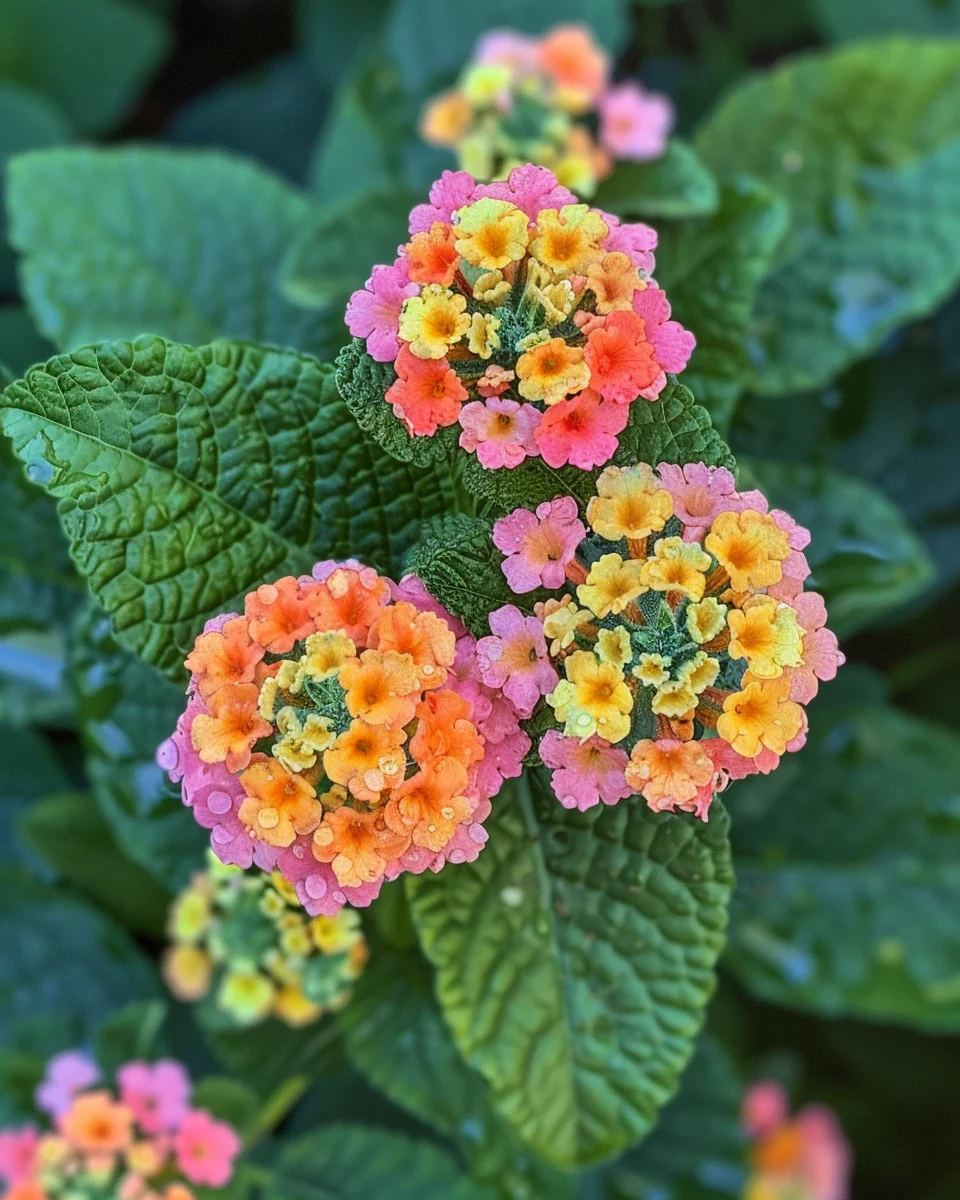
Lantana is a vibrant, heat-loving perennial that rewards gardeners with an explosion of colorful blooms from spring through fall. These butterfly magnets produce clusters of small, tubular flowers in shades of yellow, orange, red, pink, purple, and white—often with multiple colors on a single plant. Native to tropical regions, lantana thrives in warm climates (USDA zones 8-11) but can be grown as an annual in cooler areas. With their drought tolerance and long blooming season, lantanas are perfect for borders, containers, and butterfly gardens. When properly cared for, these resilient plants can transform into flowering powerhouses, creating a spectacular display that lasts for months.
When to plant How to Make Your Lantana Bloom Like Crazy
Lantana should be planted when all danger of frost has passed and soil temperatures have warmed to at least 60°F (15°C). In temperate regions, this typically means waiting until late spring. These tropical natives are extremely frost-sensitive and will quickly die if exposed to freezing temperatures. For gardeners in cooler climates (zones 4-7), treat lantana as an annual and plant after the last frost date. In warmer regions (zones 8-11), lantana can be planted in spring or fall, though spring planting gives plants time to establish before summer heat arrives.
Best time to plant How to Make Your Lantana Bloom Like Crazy
In warm climate regions (zones 8-11), the ideal planting window is mid-to-late spring (April to May) when soil has warmed but before intense summer heat arrives. For cooler regions where lantana is grown as an annual, plant after your last frost date, typically May to early June. If starting from seed, begin indoors 8-10 weeks before your last frost date. For transplants, wait until nighttime temperatures consistently remain above 50°F (10°C). Fall planting (September to October) is possible in zones 9-11, giving plants time to establish roots before winter.
Best How to Make Your Lantana Bloom Like Crazy varieties to grow
• ‘Bandana Cherry’ – Compact variety (15-20 inches tall) with vibrant cherry-red blooms, perfect for containers and small spaces.
• ‘Dallas Red’ – Heat-tolerant cultivar with fiery red and orange flower clusters that attract numerous butterflies.
• ‘Landmark Citrus’ – Prolific bloomer featuring yellow, orange and pink flowers on a single plant, excellent for hanging baskets.
• ‘Miss Huff’ – Exceptionally cold-hardy variety (to zone 7) with orange and pink blooms on a large 4-5 foot shrub.
• ‘Chapel Hill Yellow’ – Sterile cultivar that blooms continuously without deadheading, with bright yellow flowers.
• ‘Bandito Rose’ – Compact mounding habit with rose-pink blooms, ideal for borders and mass plantings.
• ‘Luscious Grape’ – Unique purple blooms that transition to lavender and white, creating a multicolored effect.
• ‘Samantha’ – Low-growing, spreading variety with yellow flowers, perfect as a groundcover or in hanging baskets.
How to plant How to Make Your Lantana Bloom Like Crazy
Materials list:
– Lantana plants or seeds
– Garden shovel or trowel
– Compost or well-rotted manure
– All-purpose slow-release fertilizer
– Mulch
– Watering can or hose
– Pruning shears
Step-by-step:
1. Select a planting site that receives full sun (at least 6-8 hours daily) with well-draining soil.
2. Prepare the soil by removing weeds and incorporating 2-3 inches (5-7 cm) of compost to improve drainage.
3. Dig a hole twice as wide as the root ball and just as deep as the container.
4. Gently remove the plant from its container, loosening the roots if they appear compacted or circling.
5. Place the plant in the hole, ensuring the top of the root ball is level with the surrounding soil.
6. Backfill with soil, firming gently around the roots to eliminate air pockets.
7. Space plants 2-3 feet (60-90 cm) apart to allow for mature spread.
8. Apply a thin layer of mulch around plants, keeping it away from the stems to prevent rot.
9. Water thoroughly after planting to settle the soil around the roots.
10. Add a small amount of slow-release fertilizer according to package directions to encourage establishment.
How to grow How to Make Your Lantana Bloom Like Crazy
Lantana thrives in full sun, requiring at least 6-8 hours of direct sunlight daily to produce abundant blooms. Once established, these plants are drought-tolerant, but consistent moisture during the establishment phase is crucial. Water deeply once or twice weekly during the growing season, allowing soil to dry slightly between waterings. Overwatering can lead to root rot and reduced flowering. Apply a balanced, slow-release fertilizer (10-10-10) in spring when growth begins, then follow with monthly applications of a bloom-boosting fertilizer (higher phosphorus, like 5-10-5) throughout the growing season. Regular deadheading encourages continuous blooming—simply pinch or cut spent flower clusters back to the first set of leaves. For container-grown lantana, use well-draining potting mix in containers at least 12 inches (30 cm) in diameter with drainage holes, and water more frequently as containers dry out faster than garden soil.
Caring for How to Make Your Lantana Bloom Like Crazy
For prolific blooming, prune lantana regularly by removing spent flower heads and trimming back leggy growth. In early spring, cut back the entire plant by one-third to encourage bushier growth and more flowering stems. Watch for common pests like whiteflies, aphids, and spider mites—treat infestations with insecticidal soap or neem oil spray. Lantana can develop powdery mildew in humid conditions; improve air circulation and avoid overhead watering to prevent this. Lace bugs may cause stippling on leaves—control with horticultural oil. Yellowing leaves often indicate overwatering; reduce frequency and ensure proper drainage. In zones 8-11, apply a 2-3 inch (5-7 cm) layer of mulch around plants in late fall to protect roots during winter, but don’t cover the crown. For overwintering in cooler regions, move potted plants indoors before first frost and place in a bright location with reduced watering.
Understanding bolting in How to Make Your Lantana Bloom Like Crazy
Unlike vegetable crops, lantana doesn’t technically bolt, but it can experience reduced flowering under certain conditions. Extreme heat (consistently above 95°F/35°C) can cause lantana to temporarily slow flower production as the plant conserves energy. Insufficient sunlight is another common trigger for reduced blooming—lantana requires full sun to produce abundant flowers. Nutrient deficiencies, particularly phosphorus, can limit flower formation. To prevent these issues, ensure plants receive adequate sunlight, water consistently during heat waves, and apply a phosphorus-rich fertilizer. If flowering slows, a light pruning (removing about 25% of growth) can stimulate new blooming cycles, especially in mid-summer.
Why does How to Make Your Lantana Bloom Like Crazy turn bitter?
Lantana doesn’t turn bitter like edible plants, but it can develop problems that affect its appearance and flowering:
• Insufficient sunlight – Plants receiving less than 6 hours of direct sun develop sparse, weak growth with few flowers.
• Overwatering – Soggy soil leads to yellowing leaves and root problems that reduce overall plant vigor and blooming.
• Nutrient imbalance – Too much nitrogen promotes leafy growth at the expense of flowers.
• Pest infestations – Heavy insect pressure can weaken plants and reduce flowering capacity.
• Aging plants – Older lantana may become woody and produce fewer blooms; rejuvenate with hard pruning in early spring.
Companion planting for How to Make Your Lantana Bloom Like Crazy
Lantana pairs beautifully with drought-tolerant companions that enjoy similar growing conditions. Plant alongside salvias for complementary flower shapes and extended butterfly attraction. Ornamental grasses like muhly grass or fountain grass provide textural contrast and movement. Pentas share lantana’s heat tolerance and butterfly appeal, creating a pollinator paradise. Russian sage offers silver foliage and purple blooms that complement lantana’s vibrant colors. Trailing verbena makes an excellent ground-level companion, filling spaces between lantana plants. Avoid planting lantana near moisture-loving plants like hydrangeas or astilbes, as the watering requirements conflict. Also keep distance from plants requiring rich soil amendments like roses, as lantana prefers leaner soil conditions.
Seasonal calendar
• January-February (Warm zones): Prune established plants by one-third; cold zones: maintain indoor plants with minimal water
• March-April: Prepare planting beds; start seeds indoors in cold zones; fertilize established plants in warm zones
• May: Plant outdoors after frost danger passes; apply slow-release fertilizer
• June-August: Deadhead regularly; water during dry spells; apply bloom-boosting fertilizer monthly
• September: Continue deadheading; reduce fertilizer in warm zones
• October: Final pruning in warm zones; prepare to bring container plants indoors in cold zones
• November-December: Apply winter mulch in zone 8; minimal care for indoor plants in cold regions
*Adjust timing earlier for hot southern regions and later for cooler northern areas
Problems & solutions
Problem | Quick Fix
——-|———-
Few or no blooms | Ensure full sun exposure; apply phosphorus-rich fertilizer; prune leggy growth
Yellowing leaves | Check for overwatering; improve drainage; treat for possible nutrient deficiency
Leggy, sparse growth | Prune back by one-third; ensure adequate sunlight; avoid excess nitrogen
Whiteflies/aphids | Spray with insecticidal soap or neem oil; introduce beneficial insects
Powdery white spots on leaves | Treat with fungicide; improve air circulation; avoid overhead watering
Brown leaf edges | Increase watering frequency during hot periods; check for salt buildup in soil
Frost damage | Prune damaged portions; protect with frost cloth when freezing temperatures threaten
Common questions about growing How to Make Your Lantana Bloom Like Crazy
How often should I water my lantana?
Established lantana needs water only when the top 2 inches (5 cm) of soil feels dry. In summer heat, this might mean once or twice weekly; in cooler weather, watering can be reduced. Container plants require more frequent watering, sometimes daily during hot weather.
Can lantana grow in partial shade?
While lantana can survive in partial shade, it won’t bloom profusely. For maximum flowering, provide at least 6-8 hours of direct sunlight daily. Plants in less sun will become leggy and produce significantly fewer flowers.
What size container is best for lantana?
Use containers at least 12-16 inches (30-40 cm) in diameter with good drainage. Larger varieties may require containers up to 24 inches (60 cm) wide to accommodate their spreading habit and root system.
How do I keep my lantana blooming all season?
Regular deadheading, monthly applications of bloom-boosting fertilizer, consistent watering during dry periods, and occasional light pruning to stimulate new growth will keep lantana flowering from spring through fall.
Is lantana deer resistant?
Yes, lantana is highly deer resistant due to its aromatic foliage and slightly toxic properties. This makes it an excellent choice for gardens in areas with high deer pressure.
Can lantana survive winter outdoors?
In USDA zones 8-11, lantana can survive winter outdoors, though it may die back to the ground in zone 8. In zones 7 and colder, treat as an annual or bring container plants indoors before frost.
How do I control lantana’s spread?
Some lantana varieties can become invasive in warm climates. Choose sterile cultivars that don’t set seed, remove spent flowers before seed formation, and install root barriers if planting near natural areas.