

How to Grow Lupines: Why Every Garden Needs These Stunning Spires
Intro for Why Every Garden Needs Lupines and How to Grow Them Right
Lupines (Lupinus spp.) are showstopping perennials that produce tall, colorful flower spikes that add vertical drama to any garden. With their distinctive palmate leaves and tower-like blooms in shades ranging from purples and blues to pinks, whites, and yellows, lupines create instant impact in borders, cottage gardens, and naturalized areas. Beyond their ornamental value, these nitrogen-fixing plants improve soil quality and support pollinators, particularly bumblebees. Though somewhat short-lived (typically 3-5 years), their self-seeding habit ensures continued presence in your garden. Lupines thrive best in cool, temperate climates with well-draining soil and prefer locations with full sun to partial shade.
When to plant Why Every Garden Needs Lupines and How to Grow Them Right
Lupines perform best when planted during cooler seasons. In temperate regions, fall and early spring are ideal planting times. For fall planting, aim for 6-8 weeks before the first expected frost to allow roots to establish before winter dormancy. Spring planting should occur once soil temperatures reach 10-15°C (50-60°F). Lupines are cold-hardy in most temperate zones (USDA zones 4-8), but may struggle in regions with hot, humid summers. In warmer climates (zones 7-8), fall planting is strongly preferred to give plants time to establish before summer heat arrives.
Best time to plant Why Every Garden Needs Lupines and How to Grow Them Right
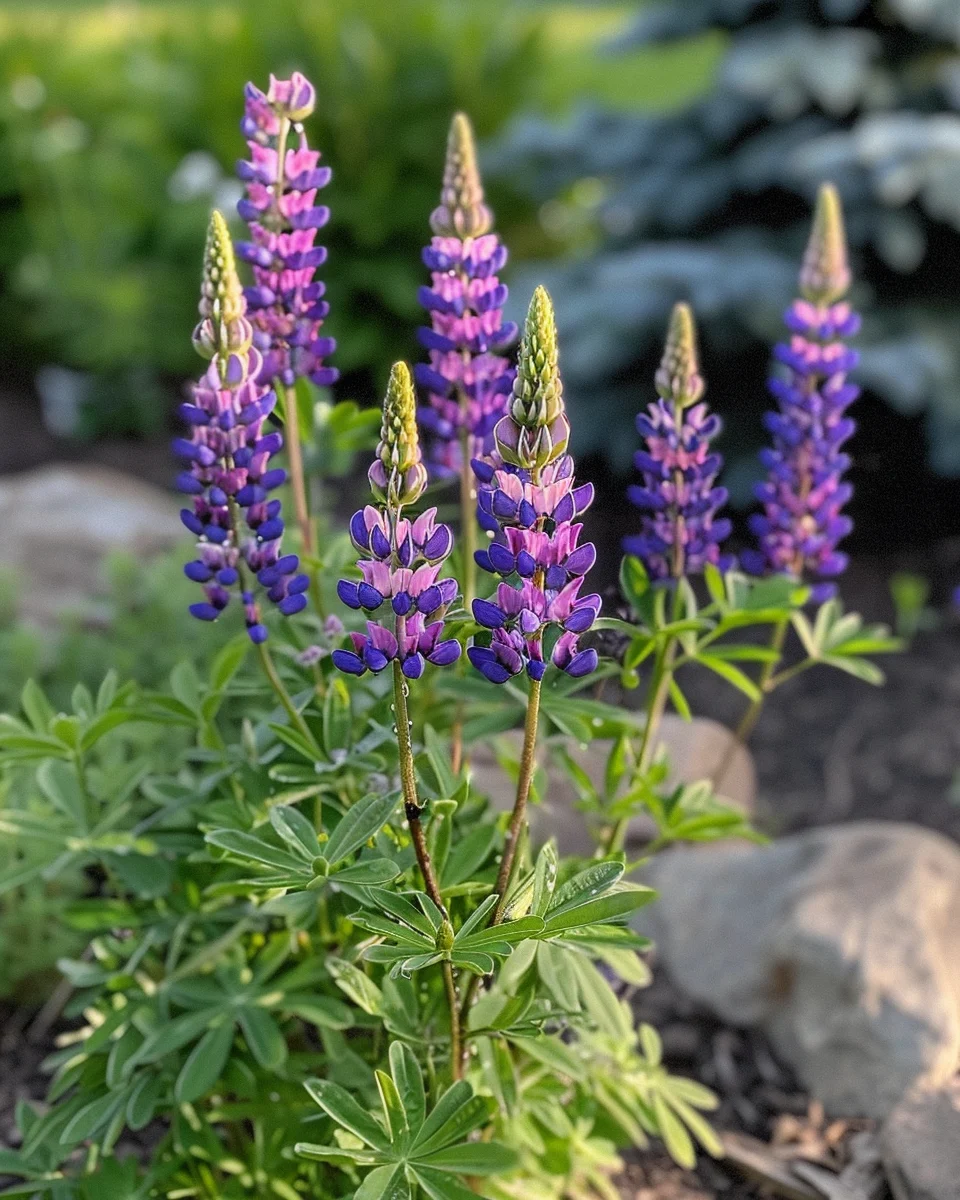
In cool climate regions, plant lupine seeds directly outdoors in late March to early May, or September to October. For transplants, April to early May is optimal after frost danger has passed. In warmer regions, focus on fall planting from September through November for spring blooms before summer heat arrives. For container-grown lupines, transplanting in early spring (March-April) in cool climates or fall (September-October) in warm regions yields the best results. Regardless of your climate, avoid planting during the hottest summer months when lupines struggle to establish.
Best Why Every Garden Needs Lupines and How to Grow Them Right varieties to grow
- Russell Hybrids – The most popular garden lupines with dense, colorful flower spikes in nearly every color except true red.
- Gallery Series – Compact varieties (40-50cm/16-20in) perfect for smaller gardens and containers with excellent heat tolerance.
- Lupinus polyphyllus ‘Chandelier’ – Stunning yellow flower spikes that brighten any garden with reliable performance.
- Lupinus ‘Manhattan Lights’ – Dramatic bicolor purple and yellow blooms that create a striking vertical accent.
- Lupinus arboreus (Tree Lupine) – Shrubby, woody-based perennial with fragrant yellow flowers, ideal for coastal gardens.
- Lupinus ‘Noble Maiden’ – Pure white flower spikes that glow in evening gardens and pair beautifully with any color scheme.
- Lupinus ‘Masterpiece’ – Remarkable magenta-purple blooms with exceptional vigor and disease resistance.
How to plant Why Every Garden Needs Lupines and How to Grow Them Right
Materials needed:
- Lupine seeds or young plants
- Well-draining, slightly acidic soil or potting mix
- Compost or organic matter
- Sand (for heavy soils)
- Garden fork or tiller
- Watering can or hose with gentle spray attachment
- Mulch (pine needles or bark chips work well)
Step-by-step planting guide:
- Select a planting site with full sun to partial shade that receives at least 6 hours of sunlight daily.
- Prepare soil by loosening to a depth of 30-40cm (12-16in) and incorporating compost to improve drainage.
- For heavy clay soils, add sand to enhance drainage as lupines hate wet feet.
- If direct sowing seeds, scarify them first by nicking the seed coat or soaking overnight in warm water.
- Sow seeds 1cm (½in) deep and 30-45cm (12-18in) apart, or follow spacing on seed packet.
- For transplants, dig holes twice the width of the root ball and at the same depth.
- Place plants at the same soil level as they were in their containers, being careful not to disturb the tap root.
- Backfill with soil, firming gently around the roots without compacting.
- Water thoroughly but gently to settle the soil around roots or seeds.
- Apply a 5cm (2in) layer of mulch around plants (but not touching stems) to conserve moisture and suppress weeds.
How to grow Why Every Garden Needs Lupines and How to Grow Them Right
Lupines thrive in full sun in cooler climates, but appreciate afternoon shade in warmer regions. Provide consistent moisture during the establishment phase and growing season, watering deeply when the top 2.5cm (1in) of soil feels dry. Once established, lupines are moderately drought-tolerant but perform best with regular watering during dry spells. Fertilize sparingly—as nitrogen-fixers, lupines don’t need nitrogen-rich fertilizers. A light application of balanced, low-nitrogen fertilizer in early spring is sufficient.
Apply mulch to retain moisture and keep roots cool, especially in warmer climates. Remove spent flower spikes promptly to encourage additional blooms, unless you want the plants to self-seed. For container-grown lupines, use pots at least 30cm (12in) deep to accommodate their long taproots, and ensure excellent drainage with a layer of gravel at the bottom. Container specimens may need more frequent watering but should never sit in soggy conditions.
Caring for Why Every Garden Needs Lupines and How to Grow Them Right
Deadhead spent flower spikes to encourage additional blooming and prevent excessive self-seeding. Cut back stems to the basal foliage after flowering finishes. In late fall, cut plants back to about 15cm (6in) from the ground and apply a light mulch in colder regions for winter protection. Divide lupine clumps every 3-4 years in early spring or fall to rejuvenate plants, though their deep taproots make division challenging.
Watch for aphids, which can cluster on flower buds and stems—control with a strong water spray or insecticidal soap. Powdery mildew may appear in humid conditions; improve air circulation and avoid overhead watering. Slugs and snails can damage young plants—use barriers or organic slug pellets. Lupine anthracnose causes brown spots on leaves and stems; remove affected parts and ensure good air circulation. Lupines don’t require harvesting for ornamental purposes, but seed pods can be collected once they turn brown for propagating new plants.
Understanding bolting in Why Every Garden Needs Lupines and How to Grow Them Right
Unlike edible plants where bolting is undesirable, flowering is the desired outcome for lupines. However, premature flowering or poor flower development can occur. Heat stress during the growing season can cause lupines to produce smaller, less impressive flower spikes or cease flowering altogether. Extended periods above 27°C (80°F) can trigger stress responses, especially in young plants. Drought stress similarly affects bloom quality and duration.
To prevent heat-related flowering issues, plant lupines where they receive morning sun but afternoon shade in warmer climates. Maintain consistent soil moisture through proper mulching and regular watering during dry periods. If lupines flower poorly or briefly due to heat, cut back the plants after spring flowering and provide extra care through summer for possible fall rebloom in cooler weather.
Why does Why Every Garden Needs Lupines and How to Grow Them Right turn bitter?
While ornamental lupines aren’t grown for consumption, some issues can affect their ornamental value:
- Yellowing foliage – Often caused by overwatering or poor drainage; improve soil drainage and reduce watering frequency.
- Stunted growth – May result from compacted soil or insufficient nutrients; loosen soil and apply balanced fertilizer.
- Poor flowering – Typically due to insufficient sunlight or excessive nitrogen; move to sunnier location and reduce nitrogen fertilization.
- Early dieback – Common in hot, humid climates; plant in fall for spring display before summer heat arrives.
- Leaf discoloration – Often indicates fungal issues; improve air circulation and avoid overhead watering.
Companion planting for Why Every Garden Needs Lupines and How to Grow Them Right
Lupines make excellent garden companions for many plants. Pair them with:
- Peonies – Bloom at similar times, creating spectacular spring displays with complementary forms.
- Delphiniums – Enhance the vertical element in borders with harmonious blue and purple tones.
- Poppies – Provide contrasting flower forms and complementary colors that bloom simultaneously.
- Columbines – Share similar growing conditions and create naturalistic woodland garden effects.
- Foxgloves – Another vertical accent that thrives in similar conditions and extends the season of interest.
Avoid planting lupines near:
- Heavy feeders like roses or vegetables that may compete for nutrients and require different care.
- Plants requiring frequent division as disturbing soil around lupines can damage their taproots.
- Plants that prefer alkaline soil since lupines prefer slightly acidic conditions.
Seasonal calendar
- January-February: Order seeds for spring planting; plan garden layout.
- March: Direct sow seeds in mild climates; start seeds indoors in colder regions.
- April: Transplant seedlings outdoors after last frost; apply light fertilizer to established plants.
- May: Enjoy first blooms; monitor for pests; water during dry spells.
- June: Peak flowering period; deadhead spent blooms; watch for aphids.
- July: Cut back spent flower stalks; provide afternoon shade in hot regions.
- August: Monitor water needs during hot weather; collect seeds from dried pods if desired.
- September: Plant new lupines in warm regions; divide established clumps if needed.
- October: Direct sow seeds for spring blooming; plant container-grown specimens.
- November: Apply mulch around plants for winter protection in cold regions.
- December: Review garden performance and plan for next season.
Problems & solutions
| Problem | Quick Fix |
|---|---|
| Aphid infestation | Spray plants with strong water jet or apply insecticidal soap; encourage ladybugs. |
| Powdery mildew | Improve air circulation; apply fungicidal spray; avoid overhead watering. |
| Slugs and snails | Place copper tape barriers; use organic slug pellets; set beer traps. |
| Yellowing leaves | Check drainage; reduce watering; ensure soil isn’t waterlogged. |
| Poor flowering | Ensure adequate sunlight; avoid high-nitrogen fertilizers; check for overcrowding. |
| Lupine anthracnose | Remove affected parts; improve air circulation; apply organic fungicide. |
| Plants dying after flowering | Normal for short-lived perennials; allow to self-seed or take basal cuttings. |
Common questions about growing Why Every Garden Needs Lupines and How to Grow Them Right
Q: How much water do lupines need?
A: Water deeply but infrequently, allowing the top inch of soil to dry between waterings. Established plants are moderately drought-tolerant but perform best with consistent moisture, especially during flowering.
Q: Can lupines grow in partial shade?
A: Yes, lupines can grow in partial shade, especially in warmer regions where afternoon shade is beneficial. However, they produce the most abundant flowers with at least 6 hours of sunlight daily.
Q: What size container do I need for growing lupines?
A: Use containers at least 30cm (12in) deep and wide to accommodate their long taproots. Ensure excellent drainage with drainage holes and a layer of gravel at the bottom.
Q: How far apart should I space lupine plants?
A: Space lupines 30-45cm (12-18in) apart to allow good air circulation while creating a full display. Compact varieties can be spaced slightly closer at 25-30cm (10-12in).
Q: Are lupines cold-hardy?
A: Most garden lupines are cold-hardy in USDA zones 4-8. In colder regions, apply a winter mulch after the ground freezes to protect the crown.
Q: Why aren’t my lupines coming back each year?
A: Lupines are relatively short-lived perennials (3-5 years). Allow some flowers to set seed for natural replacement, or collect and sow seeds to maintain their presence in your garden.
Q: Can I divide lupine plants?
A: Division is challenging due to their long taproots. If necessary, divide in early spring when plants are just emerging, keeping as much of the taproot intact as possible. Propagation from seed is generally more successful.