

Why Your Amaryllis Isn’t Blooming and How to Fix It: Expert Tips for Stunning Holiday Flowers
Intro for Why Your Amaryllis Isn’t Blooming and How to Fix It
Amaryllis plants are beloved for their spectacular trumpet-shaped blooms that bring vibrant color to homes during winter months. These South American natives produce large, showy flowers on tall stalks and are particularly popular as holiday gifts. While amaryllis are generally easy to grow, many gardeners face the frustrating challenge of bulbs that refuse to bloom. Understanding the specific care requirements for these dramatic flowering plants is essential for encouraging reliable blooming. With proper attention to light, temperature, dormancy periods, and feeding schedules, you can transform a stubborn amaryllis into a reliable performer that rewards you with magnificent blooms year after year.
When to plant Why Your Amaryllis Isn’t Blooming and How to Fix It
Timing is crucial for amaryllis blooming success. For holiday blooms, plant bulbs 6-8 weeks before your desired flowering date, typically in October or early November. If your amaryllis isn’t blooming, you may need to adjust your planting schedule. For reblooming existing bulbs, begin the growth cycle after a proper 8-10 week dormancy period. In temperate regions (US Zones 9-11), amaryllis can be planted outdoors in spring after all frost danger has passed when soil temperatures reach at least 15°C (60°F). In colder regions, amaryllis should be grown as houseplants or container specimens that can be moved indoors during winter.
Best time to plant Why Your Amaryllis Isn’t Blooming and How to Fix It
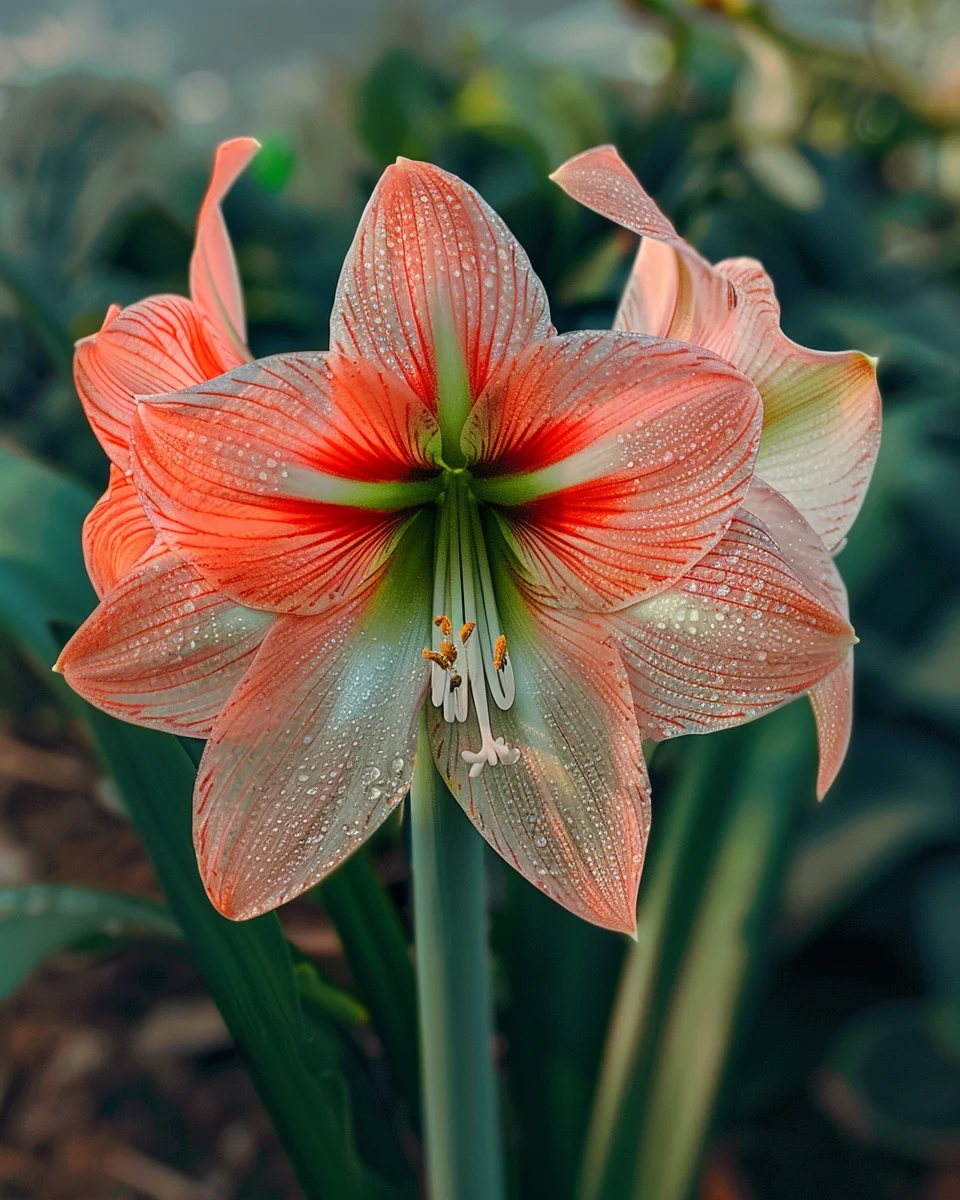
For indoor amaryllis that aren’t blooming, the optimal planting window depends on when you want flowers. For Christmas blooms, plant bulbs between mid-October and early November. For Valentine’s Day flowers, plant in late November to early December. In warm climates (Zones 9-11), outdoor amaryllis can be planted in spring (March-April) when nighttime temperatures consistently stay above 10°C (50°F). For reblooming existing bulbs, restart growth after completing the dormancy period, which typically means bringing them out of storage and beginning watering in late October to early November for winter blooms.
Best Why Your Amaryllis Isn’t Blooming and How to Fix It varieties to grow
- Apple Blossom – Reliable bloomer with soft pink petals and white throats, excellent for beginners having trouble with blooming.
- Red Lion – Classic deep red variety known for consistent flowering and multiple bloom stalks when properly cared for.
- Minerva – Striking red flowers with white stars, particularly responsive to proper dormancy periods for reblooming.
- Picotee – White flowers with red edges that reliably rebloom when given appropriate care between flowering cycles.
- Dancing Queen – Double-flowering variety with salmon-pink blooms, excellent for container growing with proper light exposure.
- Papilio (Butterfly Amaryllis) – Unique green and burgundy striped flowers that respond well to consistent care routines.
- Cybister varieties – Spider-like blooms that are particularly sensitive to proper dormancy timing for successful reblooming.
How to plant Why Your Amaryllis Isn’t Blooming and How to Fix It
Materials needed:
- Healthy amaryllis bulb
- Well-draining potting mix
- Container with drainage holes (about 2.5-5 cm/1-2 inches wider than the bulb)
- Slow-release fertilizer (optional)
- Watering can
- Support stakes (for when flower stalks develop)
Step-by-step planting:
- Select a pot that allows about 2.5-5 cm (1-2 inches) of space around the bulb with drainage holes.
- Fill the bottom third of the pot with well-draining potting mix.
- Place the bulb on top of the soil with the pointed end facing up.
- Add more potting mix around the sides, leaving the top third or shoulder of the bulb exposed above the soil.
- Firm the soil gently around the bulb to provide support without compacting too much.
- Water thoroughly but allow the soil to dry slightly between waterings.
- Place the pot in a warm location (21-24°C/70-75°F) with bright, indirect light.
- Rotate the pot regularly to prevent the stalk from leaning toward the light.
- Once growth begins, move to a location with more direct sunlight.
- Add support stakes when the flower stalk reaches about 20 cm (8 inches) tall.
How to grow Why Your Amaryllis Isn’t Blooming and How to Fix It
If your amaryllis isn’t blooming, light exposure is often the culprit. Place your plant in bright, indirect light during the growth phase, moving to a location with 4-6 hours of direct sunlight once the stalk emerges. Water sparingly until growth appears, then increase to keep the soil consistently moist but never soggy. Apply a balanced, water-soluble fertilizer (10-10-10) diluted to half strength every 2-4 weeks during the active growing period, but stop fertilizing when the plant begins to bloom.
For container-grown amaryllis, ensure pots have adequate drainage and are appropriately sized—too large a container can divert energy to root growth rather than flowering. After blooming, continue watering and fertilizing to support leaf development, as this period is crucial for storing energy for future blooms. For outdoor amaryllis in suitable climates, plant in well-draining soil in locations with morning sun and afternoon shade, spacing bulbs 20-30 cm (8-12 inches) apart.
Caring for Why Your Amaryllis Isn’t Blooming and How to Fix It
The most common reason amaryllis fails to bloom is improper dormancy. After flowering, cut the spent flower stalk but keep the leaves growing. Continue watering and fertilizing for at least 5-6 months to build up energy reserves in the bulb. Then induce dormancy by gradually reducing watering and moving the plant to a cool, dark location (10-15°C/50-60°F) for 8-10 weeks. During dormancy, the bulb should rest completely without water.
Watch for red lily beetles, aphids, and mealybugs, which can be removed manually or treated with insecticidal soap. Fungal diseases like red blotch (red spots on leaves or bulb) require removing affected tissue and applying fungicide. Bulb rot from overwatering presents as soft, discolored areas on the bulb and requires immediate repotting in fresh, dry medium after removing damaged portions. For reblooming success, never cut the foliage until it yellows naturally, as the leaves are essential for photosynthesis and energy storage.
Understanding bolting in Why Your Amaryllis Isn’t Blooming and How to Fix It
Unlike vegetable crops, “bolting” in amaryllis refers to the desirable production of a flower stalk rather than premature flowering. If your amaryllis produces only leaves without a flower stalk, this indicates insufficient energy reserves in the bulb. This commonly occurs when the plant didn’t receive adequate light during the previous growing season, was not fertilized properly, or didn’t experience a proper dormancy period.
To encourage proper “bolting” (flowering), ensure your amaryllis receives bright light during the growing season, fertilize regularly while leaves are active, and provide a complete dormancy period of 8-10 weeks. If your amaryllis produces a very tall, leggy stalk, this indicates insufficient light during the growing phase—move the plant to a brighter location and rotate regularly to promote even growth.
Why does Why Your Amaryllis Isn’t Blooming and How to Fix It turn bitter?
Amaryllis plants don’t “turn bitter” as they are flowering ornamentals rather than edible plants. However, they can develop various problems that affect their appearance and blooming ability:
- Yellowing leaves: Often caused by overwatering or insufficient light; reduce watering frequency and increase light exposure.
- Brown leaf tips: Usually indicates low humidity or salt buildup from fertilizer; increase humidity and flush the soil occasionally with plain water.
- Stunted growth: May result from root-bound conditions or nutrient deficiencies; repot in fresh soil or adjust fertilization schedule.
- Weak, floppy stems: Typically caused by insufficient light; move to a brighter location and provide support stakes.
- Bulb softening: Sign of rot from overwatering; reduce watering immediately and check for healthy portions to salvage.
Companion planting for Why Your Amaryllis Isn’t Blooming and How to Fix It
For indoor amaryllis displays, consider these complementary plants:
- Cyclamen – Provides contrasting low-growing blooms while thriving in similar cool, bright conditions during winter.
- Ferns – Create an attractive textural contrast with their delicate fronds and appreciate similar indirect light conditions.
- Christmas cactus – Blooms during the same holiday period and requires similar care during flowering.
- Ivy – Provides cascading greenery in mixed container arrangements without competing for resources.
- Kalanchoe – Offers complementary winter blooms and thrives in the same bright, warm conditions.
Avoid planting amaryllis with:
- Succulents requiring very dry conditions – Conflicting water needs will make care difficult.
- Aggressive plants with invasive root systems – May compete with or damage amaryllis bulbs when planted in shared containers.
- Plants requiring high humidity – Create conditions that may promote fungal issues in amaryllis.
Seasonal calendar
- October-November: Plant new bulbs or restart dormant bulbs for holiday blooming; place in bright, warm location.
- December-February: Flowering period; provide adequate light and water; support tall stalks.
- March-May: Post-bloom care; remove spent flowers but keep leaves; continue watering and begin fertilizing.
- June-August: Active growth period; provide bright light, regular watering, and fertilizer to build energy reserves.
- August-September: Begin reducing water and fertilizer; prepare for dormancy period.
- September-October: Dormancy period; store in cool, dark place without water for 8-10 weeks.
For warmer regions (Zones 9-11): Outdoor amaryllis will follow a more natural cycle, often blooming in spring rather than winter, with dormancy occurring during the drier season.
Problems & solutions
| Problem | Quick Fix |
|---|---|
| Bulb grows leaves but no flower stalk | Ensure proper dormancy period (8-10 weeks); increase light exposure; check that bulb is large enough (at least 5-6 cm/2+ inches in diameter) |
| Flower stalk is weak or topples over | Provide more direct sunlight; rotate pot regularly; use support stakes; ensure pot is heavy enough to balance the top-heavy growth |
| Bulb rots or becomes soft | Reduce watering immediately; repot in fresh, dry soil after removing damaged portions; ensure excellent drainage |
| Leaves yellow prematurely | Check watering (both over and under can cause this); ensure adequate light; inspect for pests; avoid sudden temperature changes |
| Flowers are smaller each year | Extend the post-bloom growing period; ensure adequate fertilization during leaf growth; repot with fresh soil every 2-3 years |
| Red spots on leaves or bulb | Treat for red blotch fungus by removing affected tissue and applying fungicide; improve air circulation; avoid wetting foliage |
| Multiple small bulbs but no flowers | Separate offsets from main bulb during dormancy; allow main bulb to grow larger before expecting blooms |
Common questions about growing Why Your Amaryllis Isn’t Blooming and How to Fix It
Q: How often should I water my amaryllis?
A: Water sparingly until growth appears, then keep soil lightly moist but never soggy during active growth. Reduce and then stop watering completely during the dormancy period.
Q: Can I keep my amaryllis blooming year after year?
A: Yes, with proper care. After flowering, continue growing the plant for at least 5-6 months, then induce dormancy for 8-10 weeks before restarting the growth cycle.
Q: Why does my amaryllis produce only leaves and no flowers?
A: This typically indicates insufficient energy reserves in the bulb, often due to inadequate light during the growing season, improper fertilization, or skipping the dormancy period.
Q: Should I cut off the flower stalk after blooming?
A: Yes, cut the flower stalk about 1 inch above the bulb after flowers fade, but allow the leaves to continue growing to replenish the bulb’s energy.
Q: How much light does an amaryllis need?
A: During active growth, provide bright, indirect light. Once the flower stalk emerges, 4-6 hours of direct sunlight will promote stronger stems and better blooms.
Q: When should I repot my amaryllis?
A: Repot every 3-4 years or when the bulb has produced so many offsets that they’re crowded in the pot. The best time is during dormancy before restarting the growth cycle.
Q: Are amaryllis bulbs toxic?
A: Yes, all parts of the amaryllis plant contain toxic alkaloids and should be kept away from pets and children. Wash hands after handling the bulbs.