

How to Grow Self-Sowing Garden Favorites: 12 Plants to Plant Once and Enjoy for Years
Intro for Self-Sowing Garden Favorites
Self-sowing plants are the gift that keeps on giving in any garden. These remarkable plants produce seeds that naturally germinate year after year, creating new generations without requiring replanting. Perfect for busy gardeners or those looking to create a more sustainable, low-maintenance landscape, self-sowers bring spontaneity and charm while reducing both work and expense. They thrive in most temperate regions, adapting to local conditions over time as they naturally select for the strongest specimens. From delicate annuals to sturdy perennials, these plants create an evolving tapestry in your garden that combines reliability with delightful surprise as they pop up in unexpected places.
When to plant Self-Sowing Garden Favorites
The ideal planting time for self-sowing plants varies by species, but most perform best when sown in spring after the last frost date or in early fall when soil temperatures range between 10-21°C (50-70°F). In temperate regions, spring planting (March-May) works well for most varieties, while fall planting (September-October) gives seeds a chance to establish before winter dormancy. Many self-sowers actually benefit from cold stratification—the natural freeze-thaw cycle of winter—which helps break seed dormancy and improves germination rates come spring. For Mediterranean climates, fall planting is often preferable to take advantage of winter rains and cooler temperatures.
Best time to plant Self-Sowing Garden Favorites
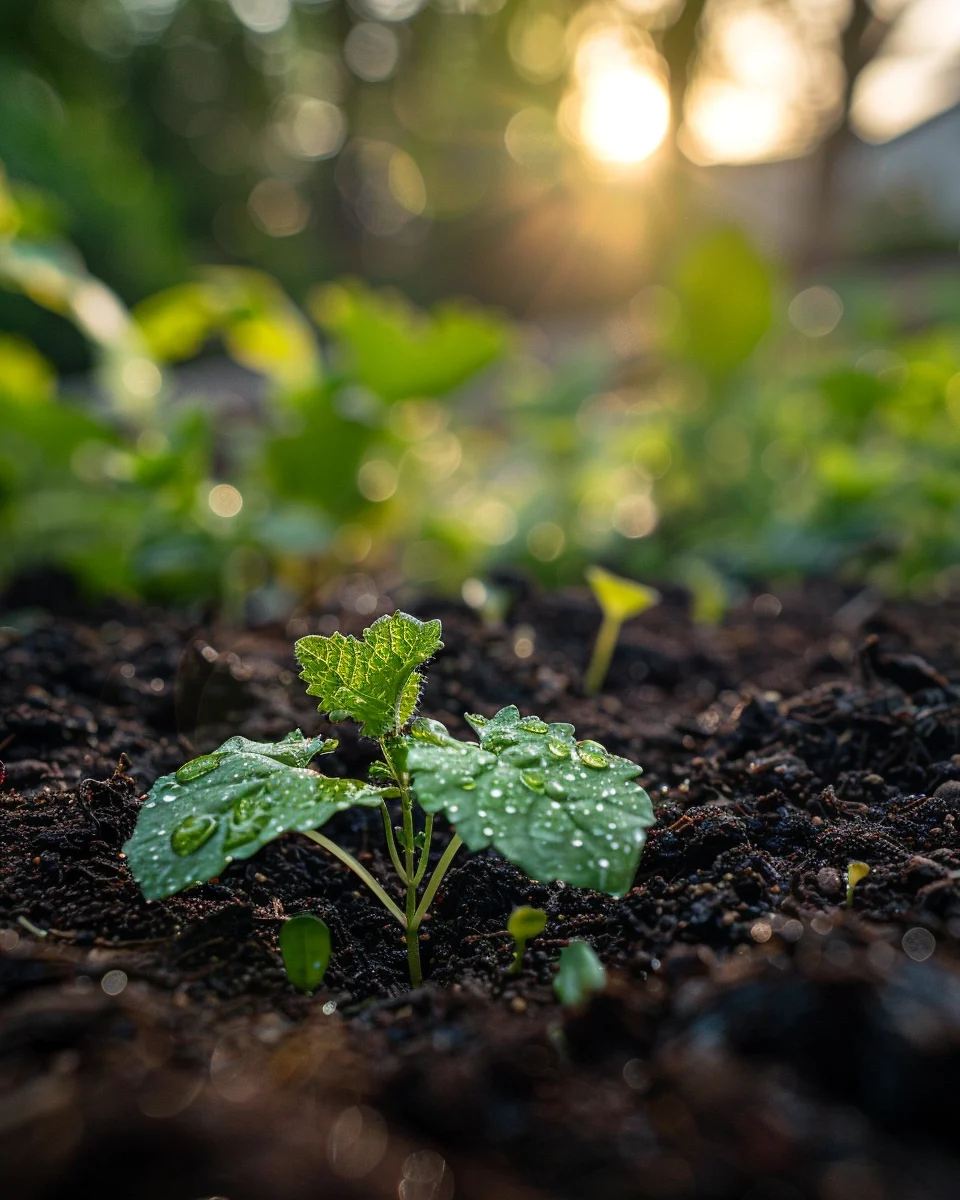
For cool climate regions (US Zones 3-6, UK northern regions), plant most self-sowers from mid-April to early June when soil has warmed to at least 10°C (50°F). In warmer regions (US Zones 7-10, UK southern regions), extend your planting window from March through October, with a pause during the hottest summer months. Direct sowing works best for most self-sowers, as they naturally disperse seeds this way. For transplants, wait until after the last frost date and choose young seedlings that haven’t become rootbound. For fall planting, aim for 6-8 weeks before your first expected frost to allow adequate root development.
Best Self-Sowing Garden Favorites varieties to grow
- Calendula (Calendula officinalis) – Cheerful orange and yellow blooms that flower prolifically from spring through fall with medicinal properties and edible petals.
- Nigella (Love-in-a-Mist) – Delicate blue flowers followed by distinctive seed pods that add architectural interest to both fresh and dried arrangements.
- California Poppy (Eschscholzia californica) – Drought-tolerant with silky orange blooms that close at night and reopen each morning, perfect for dry gardens.
- Borage (Borago officinalis) – Star-shaped blue flowers that attract pollinators and have cucumber-flavored leaves excellent for teas and garnishes.
- Cilantro/Coriander (Coriandrum sativum) – Dual-purpose herb providing flavorful leaves and seeds, with quick succession plantings throughout the season.
- Dill (Anethum graveolens) – Feathery foliage and umbel flowers that attract beneficial insects while providing culinary herbs and seeds.
- Chamomile (Matricaria chamomilla) – Daisy-like flowers with apple-scented foliage, perfect for teas and creating a meadow-like atmosphere.
- Nasturtium (Tropaeolum majus) – Trailing or bushy varieties with edible flowers and leaves that add a peppery kick to salads.
How to plant Self-Sowing Garden Favorites
Materials needed:
- Seeds of chosen self-sowing varieties
- Garden fork or tiller
- Compost or well-rotted manure
- Garden rake
- Watering can with rose attachment or gentle spray hose
- Plant markers (optional)
- Light mulch material (straw, leaf mold, or compost)
Step-by-step planting:
- Select a site that receives appropriate sunlight for your chosen varieties, typically 6-8 hours of sun for most flowering self-sowers.
- Prepare the soil by removing weeds and breaking up any compacted areas with a garden fork to a depth of 15-20 cm (6-8 inches).
- Incorporate 2-5 cm (1-2 inches) of compost or well-rotted manure to improve soil structure and fertility.
- Rake the area smooth, creating a fine tilth (crumbly soil surface) ideal for small seeds.
- For tiny seeds, mix with fine sand for more even distribution, then scatter seeds lightly over the prepared area.
- For larger seeds, sow individually at recommended spacing or in small groups that can be thinned later.
- Most self-sowers need only light covering—press small seeds gently into the soil surface; cover larger seeds with soil to a depth equal to twice their diameter.
- Water the area gently using a fine spray to avoid displacing seeds.
- Mark the planted area if desired, especially for slow-to-germinate varieties.
- Apply a very thin layer of fine mulch around (not over) seedlings once they emerge to suppress weeds and retain moisture.
How to grow Self-Sowing Garden Favorites
Most self-sowing plants prefer full sun (6+ hours daily), though some like columbine, forget-me-nots, and sweet woodruff tolerate partial shade. Water needs vary by species, but generally provide 2-3 cm (1 inch) of water weekly during establishment, then reduce to support only during dry periods. Self-sowers typically need minimal fertilization—too much nitrogen promotes lush foliage at the expense of flowers and seeds. A light application of balanced organic fertilizer in spring is usually sufficient.
Mulch lightly between plants to suppress weeds while leaving some bare soil for seeds to reach when they drop. Thin seedlings as needed to prevent overcrowding, which can lead to disease and reduced vigor. Most self-sowers don’t require staking, but taller varieties like verbena bonariensis or cosmos may benefit from support in windy locations.
For container growing, choose deeper pots (at least 30 cm/12 inches) to accommodate root systems and use well-draining potting mix. Allow some plants to complete their life cycle and set seed, while deadheading others to extend blooming periods and control excessive self-seeding.
Caring for Self-Sowing Garden Favorites
Ongoing care for self-sowers is minimal—that’s their beauty. Perform occasional deadheading on prolific seeders to prevent overwhelming self-sowing, but always leave some flower heads to mature and disperse seeds. Monitor soil moisture during extended dry periods, especially for newly established plants.
Common pests include aphids, which can be managed with a strong water spray or insecticidal soap. Powdery mildew may affect some varieties in humid conditions—improve air circulation by thinning plants and avoid overhead watering. Slugs and snails can damage young seedlings; apply diatomaceous earth or copper tape barriers as organic controls.
Harvest timing varies by species: collect herb leaves before flowering for best flavor; gather flowers for cutting when just opened; collect seeds when pods turn brown but before they split open. Store collected seeds in paper envelopes in a cool, dry place for future directed sowing or sharing with friends.
Understanding bolting in Self-Sowing Garden Favorites
Bolting refers to a plant’s premature flowering and seed production, often triggered by stress conditions. For edible self-sowers like cilantro, dill, and lettuce, bolting signals the end of the harvest period as leaves become bitter. Heat is the primary trigger—temperatures consistently above 27°C (80°F) accelerate bolting in cool-season herbs and greens. Lengthening daylight hours (photoperiod) in late spring also signal plants to complete their life cycle. Other stressors include drought, root disturbance, and transplant shock.
Prevent premature bolting by planting heat-sensitive varieties in early spring or fall, providing afternoon shade during hot weather, maintaining consistent soil moisture, and selecting bolt-resistant varieties. When bolting occurs, you can either remove flower stalks to redirect energy (though this is temporary), harvest remaining usable leaves, or simply allow the plants to complete their cycle and self-sow for the next generation.
Why does Self-Sowing Garden Favorites turn bitter?
- Heat stress – Temperatures above 27°C (80°F) trigger biochemical changes in many leafy self-sowers that increase bitter compounds; provide afternoon shade or switch to heat-tolerant varieties.
- Maturity/bolting – Plants naturally develop bitter compounds as they prepare to flower; harvest leaves when young and tender, and succession plant for continuous harvests.
- Drought stress – Insufficient water causes plants to conserve resources by producing protective bitter compounds; maintain consistent soil moisture with regular watering and mulching.
- Genetic factors – Some varieties naturally contain more bitter compounds than others; select varieties bred for milder flavor if bitterness is a concern.
- Soil mineral imbalances – Excessive nitrogen or deficiencies in other nutrients can affect flavor; use balanced organic fertilizers and compost to maintain soil health.
Companion planting for Self-Sowing Garden Favorites
Good companions:
- Marigolds – Repel nematodes and other soil pests while attracting beneficial insects that prey on aphids and other garden pests.
- Nasturtiums – Act as trap crops for aphids, protecting neighboring plants while adding edible flowers to the garden.
- Borage – Attracts pollinators, particularly bees, improving fruit set on nearby vegetables and adding trace minerals to the soil.
- Dill and fennel – Attract beneficial parasitic wasps that control caterpillar populations on brassicas and other vegetables.
- Chamomile – Improves the flavor of nearby herbs and vegetables while deterring flying pests with its strong scent.
Avoid planting near:
- Aggressive spreaders – Keep mint, lemon balm, and other vigorous self-sowers separate to prevent them from overwhelming less competitive plants.
- Plants with similar resource needs – Avoid crowding self-sowers with plants that compete for the same nutrients, water, or light requirements.
- Allelopathic plants – Black walnut trees and some sunflower varieties release compounds that inhibit growth of certain self-sowers.
Seasonal calendar
Spring (March-May):
- Clear areas where self-sowers will be encouraged
- Direct sow cool-season self-sowers like nigella, larkspur, and poppies
- Thin overcrowded self-sown seedlings from fall or winter
- Apply light organic fertilizer around established plants
Summer (June-August):
- Harvest herbs and flowers regularly
- Allow some plants to set seed for next generation
- Deadhead others to extend blooming period
- Water during dry periods, especially newly establishing plants
- Collect seeds from early-maturing varieties
Fall (September-November):
- Direct sow cool-season self-sowers for early spring bloom
- Collect and store seeds from summer bloomers
- Allow some seed heads to remain for natural dispersal
- Cut back finished plants that won’t provide winter interest
Winter (December-February):
- Plan next season’s self-sowing areas
- Leave seed heads for birds and winter interest
- Check stored seeds for moisture or pest issues
- In mild winter regions, watch for early volunteer seedlings
Problems & solutions
| Problem | Quick Fix |
|---|---|
| Excessive self-seeding | Deadhead flowers before seed formation or mulch heavily to suppress unwanted seedlings |
| Weak, leggy seedlings | Improve light conditions, thin overcrowded areas, and provide gentle air circulation |
| Poor germination | Ensure proper soil contact, maintain consistent moisture during germination, and consider cold stratification for stubborn species |
| Disappearing seedlings | Protect from slugs and snails with barriers or organic deterrents; mark seedling areas to prevent accidental weeding |
| Plants spreading to unwanted areas | Install root barriers, remove seed heads before dispersal, or use raised beds to contain enthusiastic spreaders |
| Declining vigor over generations | Introduce fresh genetic stock occasionally by purchasing new seeds or swapping with other gardeners |
| Fungal diseases in dense plantings | Improve air circulation by thinning, water at soil level rather than overhead, and remove affected plant material promptly |
Common questions about growing Self-Sowing Garden Favorites
How do I prevent self-sowers from becoming invasive?
Monitor seed production and deadhead some flowers before seeds mature. Create boundaries using hardscape elements or mowed areas. Remove unwanted seedlings early in spring when they’re easily identified and before they establish deep roots.
Can I grow self-sowers in containers?
Yes, many self-sowers perform well in containers at least 30 cm (12 inches) deep. Use saucers under pots to catch seeds, or place containers where fallen seeds can germinate in welcome locations. Some compact varieties like calendula, viola, and compact varieties of nasturtium are particularly container-friendly.
How much sun do self-sowing plants need?
Requirements vary by species, but most flowering self-sowers need at least 6 hours of direct sunlight daily for optimal blooming and seed production. Some woodland species like columbine, forget-me-nots, and foxglove prefer dappled shade or morning sun with afternoon shade.
How do I collect and store seeds from my self-sowers?
Harvest seeds when pods or seed heads turn brown but before they open. Collect on a dry day after morning dew has evaporated. Dry seeds further indoors on paper for 1-2 weeks, then store in paper envelopes or glass jars in a cool, dry place. Label with variety name and collection date.
Will my self-sowers return in exactly the same spot each year?
Self-sowers often appear in slightly different locations each year based on how seeds disperse naturally. Wind, water, birds, and garden activities all influence where seeds land and germinate. This natural movement creates dynamic, evolving garden patterns that change subtly each season.
How do I distinguish self-sown seedlings from weeds?
Familiarize yourself with the appearance of seedlings by growing some in a marked area first. Many self-sowers have distinctive cotyledons (first leaves) or growth patterns. Consider leaving unknown seedlings until they develop true leaves if you have the space. Taking photos of seedlings can create a useful reference guide.
Can I control where self-sowers grow?
While you can’t completely control natural seed dispersal, you can influence growth patterns by collecting seeds and sowing them where desired, removing unwanted seedlings early, creating seed barriers with mulch in unwanted areas, and deadheading before seed formation in plants you don’t want to spread.