

10 Ingenious Soap Water Hacks That Every Gardener Should Try: Natural Solutions for Pest Control, Plant Care & Garden Maintenance
Intro for Soap Water Hacks that Every Gardener Should Try
Soap water solutions are among the most versatile, economical, and environmentally friendly tools in a gardener’s arsenal. These simple mixtures combine mild soap with water to create effective treatments for pest control, plant cleaning, tool maintenance, and more. Unlike harsh chemical alternatives, soap water solutions are biodegradable, gentle on beneficial insects when used properly, and safe around pets and children. Whether you’re battling aphids, cleaning grimy garden tools, or looking to make your garden more sustainable, these soap water hacks work in virtually any climate and can be implemented by gardeners of all experience levels. The best part? You likely already have everything you need in your kitchen cupboard.
When to plant Soap Water Hacks that Every Gardener Should Try
Soap water solutions can be implemented year-round in your garden, regardless of growing zone. They’re particularly valuable during the active growing season (spring through fall) when pest pressure is highest. In temperate regions, begin preventative treatments when temperatures consistently reach 10-15°C (50-59°F). For indoor plants, soap solutions can be used any time of year when pests appear. In frost-prone areas, avoid applying soap sprays before expected freezes as wet foliage can be more susceptible to cold damage. In hot climates, apply soap treatments in the early morning or evening when temperatures are below 29°C (85°F) to prevent leaf burn.
Best time to plant Soap Water Hacks that Every Gardener Should Try
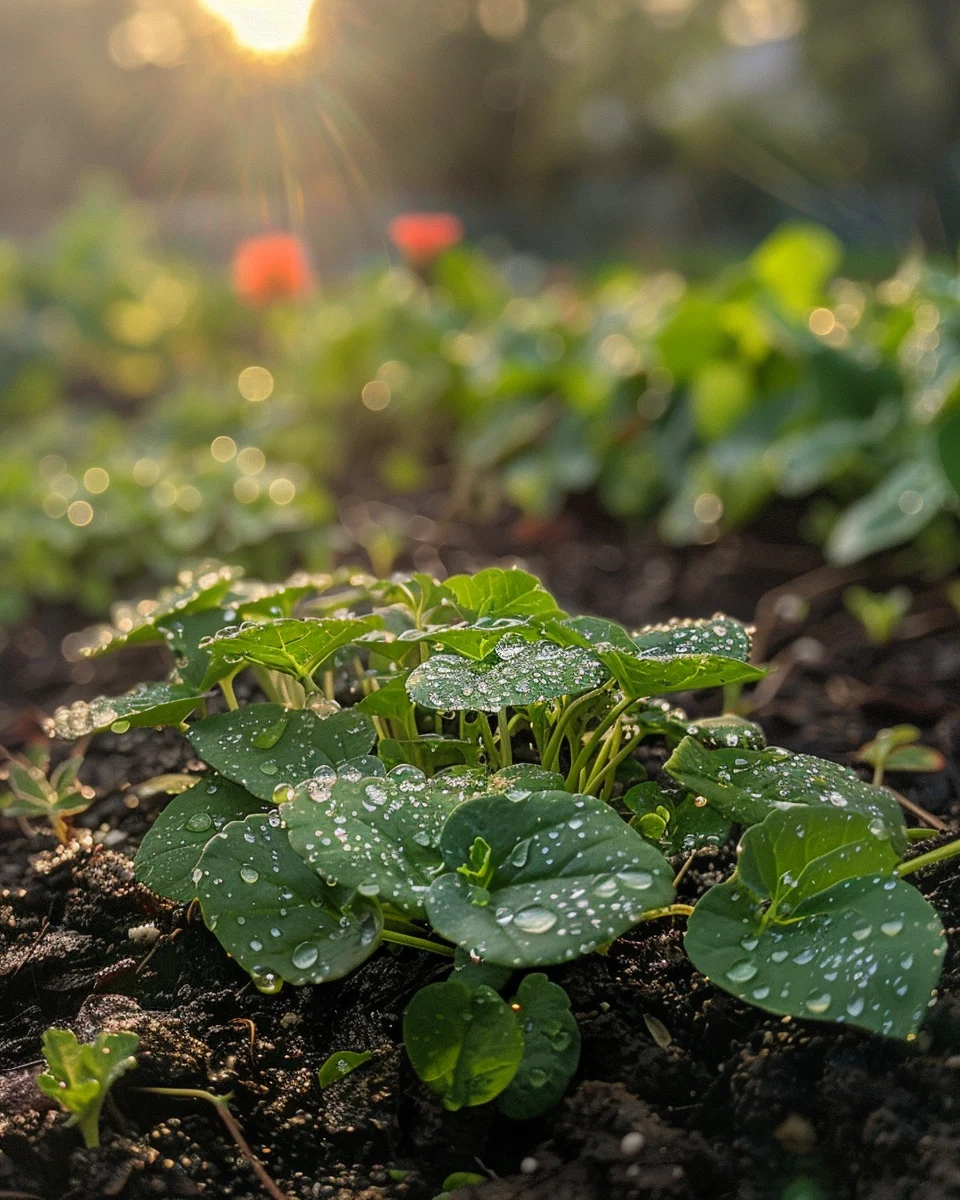
For pest control applications, timing is crucial. Apply soap sprays in early morning (before 10 AM) or late afternoon (after 4 PM) to prevent leaf burn and maximize effectiveness. In cool climates (US Zones 3-6), begin implementing soap solutions from April through October. In moderate climates (US Zones 7-9), soap treatments can be used from March through November. For warm climates (US Zones 10-11), soap solutions may be needed year-round, though application should be avoided during the hottest part of the day. For preventative measures, apply soap sprays every 7-14 days during peak pest season, or after heavy rains which wash away previous applications.
Best Soap Water Hacks that Every Gardener Should Try varieties to grow
• Basic Insecticidal Soap Spray – The foundation recipe using pure castile soap that targets soft-bodied pests without harming beneficial insects.
• Garlic-Infused Soap Spray – Enhanced with garlic’s natural sulfur compounds for stronger pest repellent properties against aphids and spider mites.
• Oil-Boosted Soap Solution – Contains neem or horticultural oil for persistent pest issues and fungal disease prevention.
• Vinegar-Soap Weed Killer – Combines soap with vinegar for an effective organic herbicide for pathway and non-garden areas.
• Tool Cleaning Solution – Higher soap concentration specifically formulated for removing rust, sap, and soil from garden tools.
• Foliage Cleaner – Ultra-diluted soap solution perfect for removing dust and pollutants from houseplants and garden ornamentals.
• Slug Deterrent Rings – Concentrated soap solution applied to create protective barriers around vulnerable plants.
• Ant Control Formula – Specialized soap mixture with borax for managing ant infestations around garden beds.
How to plant Soap Water Hacks that Every Gardener Should Try
Materials list:
– Liquid castile soap or pure, unscented dish soap (avoid antibacterial varieties)
– Clean spray bottles (dedicated to garden use)
– Measuring spoons
– Filtered or distilled water
– Optional additives: neem oil, garlic, essential oils, vinegar
– Mixing containers
– Labels and marker
– Protective gloves
– Strainer (for recipes with solid ingredients)
Step-by-step:
1. Select the appropriate soap – use pure castile soap or unscented dish soap without additives, degreasers, or antibacterial agents.
2. For basic insecticidal soap, mix 1-2 teaspoons (5-10ml) of liquid soap per quart (liter) of water in a clean spray bottle.
3. For enhanced formulas, prepare your additives (crush garlic, measure oils) before combining with the soap solution.
4. Mix thoroughly but gently to avoid excessive foaming which can reduce effectiveness.
5. Label each spray bottle clearly with contents and date prepared.
6. Test your solution on a small leaf area of each plant type and wait 24 hours to check for sensitivity before full application.
7. Apply to plants using a fine mist setting, ensuring complete coverage of affected areas, especially leaf undersides.
8. Store unused portions in a cool, dark place and use within 1-2 weeks for maximum effectiveness.
9. For soil applications (like ant control), apply directly to target areas following specific dilution rates for each formula.
10. Clean spray equipment thoroughly between different soap solution applications to prevent cross-contamination.
How to grow Soap Water Hacks that Every Gardener Should Try
For insecticidal applications, ensure plants receive proper sunlight after treatment as soap solutions work best when they dry quickly on plant surfaces. Water plants normally according to their specific needs, but avoid overhead watering for 24-48 hours after soap application to prevent washing away the treatment. No additional fertilizing is needed when using soap solutions; in fact, they can help remove fertilizer salt buildup on container plants when used as a soil drench (1 teaspoon soap per gallon of water, applied monthly).
Apply mulch around plants to reduce splash-back of soil-dwelling pests onto foliage, reducing the need for frequent soap treatments. For container plants, use soap solutions at half-strength and ensure good drainage to prevent soap accumulation in soil. When using soap sprays for pest control, apply selectively to affected areas rather than blanket spraying to preserve beneficial insects. For climbing plants or those requiring trellising, apply soap solutions before training or pruning to reduce pest transfer during handling.
Caring for Soap Water Hacks that Every Gardener Should Try
Maintain your soap solutions by storing them away from direct sunlight and extreme temperatures. Remix or shake solutions before each use as ingredients may separate. For pest control, monitor plants regularly and reapply soap solutions every 7-10 days until pests are eliminated, or after rain washes away previous applications.
Common garden pests controlled by soap solutions include aphids (curled leaves with sticky residue), spider mites (fine webbing, stippled leaves), whiteflies (tiny white insects that fly when disturbed), and mealybugs (white cottony masses). For organic control, enhance soap sprays with neem oil (1 teaspoon per quart of soap solution) or essential oils like peppermint or rosemary (5-10 drops per quart).
For tool maintenance, clean tools after each use with soap solution (1 tablespoon soap per gallon of water), scrubbing with a brush before rinsing and drying thoroughly to prevent rust. Store soap solutions in clearly labeled containers away from children and pets, and use within two weeks for maximum effectiveness.
Understanding bolting in Soap Water Hacks that Every Gardener Should Try
While soap water solutions themselves don’t bolt, they can help prevent stress factors that contribute to bolting in vegetable crops. Bolting occurs when plants prematurely produce flowering stems (seed stalks) due to stress, shifting energy from leaf or root production to seed production. Common triggers include heat stress, drought, pest pressure, and day length changes.
Soap solutions can indirectly prevent bolting by controlling pests that cause plant stress. Apply insecticidal soap to leafy greens and herbs at the first sign of pest activity to prevent the stress that might trigger bolting. However, be cautious with application during hot weather as the combination of soap residue and high temperatures can cause additional stress.
If plants have already begun bolting, soap solutions won’t reverse the process, but they can help maintain plant health while you harvest remaining edible portions. For bolt-resistant varieties of vegetables, continue regular pest management with soap solutions to maintain their resistance advantage.
Why does Soap Water Hacks that Every Gardener Should Try turn bitter?
• Excessive concentration – Using too much soap can leave a bitter residue on edible plants; fix by reducing to 1 teaspoon per quart for food crops.
• Wrong soap type – Soaps with additives, fragrances or antibacterial agents can cause bitterness; switch to pure castile or basic dish soap.
• Application timing – Spraying during hot midday sun can cause soap to break down and create bitter compounds; apply during cooler hours.
• Inadequate rinsing – Not rinsing edible crops before harvest after soap application; always wash produce thoroughly.
• Residue buildup – Repeated applications without rain or irrigation can cause accumulation; reduce frequency and rinse plants occasionally with clear water.
Companion planting for Soap Water Hacks that Every Gardener Should Try
Soap solutions work particularly well when used alongside certain companion planting strategies:
Good companions:
• Marigolds – Their natural pest-repellent properties enhance soap spray effectiveness against aphids and nematodes.
• Nasturtiums – Act as trap crops for aphids, concentrating pests for targeted soap spray application.
• Herbs like basil and mint – Their strong scents confuse pests, making soap treatments more effective when pests are disoriented.
• Alliums (garlic, onions, chives) – Contain natural sulfur compounds that complement soap sprays for enhanced pest control.
• Beneficial insect-attracting flowers (cosmos, zinnias) – Draw predatory insects that consume pests surviving soap treatments.
Avoid using near:
• Plants with very hairy leaves (like cucumbers or squash) – Soap solutions can cling excessively to these surfaces causing potential damage.
• Plants with naturally waxy coatings (like cabbage family) – Soap can strip protective coatings making plants more vulnerable to stress.
• Ferns and other sensitive ornamentals – These may show leaf burn even with properly diluted soap solutions.
Seasonal calendar
Spring (March-May):
• Prepare basic soap solution recipes for the growing season
• Apply preventative soap sprays to emerging perennials
• Clean and disinfect garden tools with soap solution
• Treat greenhouse and indoor plants for overwintered pests
Summer (June-August):
• Increase application frequency during peak pest season
• Apply early morning or evening to prevent leaf burn
• Use soap-oil combinations for persistent pest issues
• Implement soap-based weed control in pathways
Fall (September-November):
• Clean harvested produce with ultra-diluted soap solution
• Treat perennials before dormancy to reduce overwintering pests
• Clean and store garden tools with soap solution
• Prepare indoor plants with preventative treatment before bringing inside
Winter (December-February):
• Maintain houseplants with monthly soap treatments
• Clean and sharpen tools with soap solution
• Prepare soap solution recipes and supplies for spring
• Treat greenhouse plants as needed
Problems & solutions
| Problem | Quick Fix |
|---|---|
| Leaf burn after application | Dilute solution further (1 tsp per quart) and rinse affected plants with clear water |
| Soap residue visible on plants | Reduce soap concentration and mist plants with clean water 2-3 hours after treatment |
| Solution separating in storage | Shake thoroughly before each use; remake solutions every 1-2 weeks |
| Pests returning quickly after treatment | Increase application frequency to every 5-7 days and ensure complete coverage of plant undersides |
| Beneficial insects declining | Switch to spot treatments of affected areas only rather than whole-plant application |
| Soap solution clogging sprayer | Strain solutions with additives before filling sprayer and clean equipment after each use |
| Plants wilting after treatment | Apply during cooler hours and ensure plants are well-watered before treatment |
Common questions about growing Soap Water Hacks that Every Gardener Should Try
How often should I apply soap sprays for pest control?
Apply every 7-10 days for active infestations, reducing to every 14 days for prevention once pests are under control. Always reapply after rain or overhead irrigation.
Can I use any dish soap for garden applications?
No, use only pure castile soap or basic, unscented dish soap without additives, degreasers, antibacterial agents, or bleach. Avoid products labeled “ultra” or “antibacterial.”
Is it safe to use soap solutions on edible plants?
Yes, when properly diluted (1 teaspoon per quart) and rinsed before harvest. Always wash produce thoroughly before consumption, regardless of soap use.
Will soap sprays harm beneficial insects like bees and ladybugs?
Direct contact can harm beneficials, so apply in early morning or evening when pollinators are less active, and target only affected plant parts rather than blanket spraying.
How long before rain or watering should I apply soap solutions?
Apply at least 24 hours before expected rain for maximum effectiveness. Soap solutions need time to work on contact and dry on plant surfaces.
Can soap solutions treat fungal diseases like powdery mildew?
Basic soap solutions have limited fungicidal properties, but adding 1 tablespoon of baking soda per gallon of soap solution can help prevent (not cure) powdery mildew and similar fungal issues.
Are soap solutions safe for all plants?
No, plants with hairy leaves, succulents, and certain ornamentals may be sensitive. Always test on a small area first and wait 24 hours to check for adverse reactions before full application.