

Why Tomato Plants Have Flowers But No Fruit: How to Diagnose and Fix the Real Problems
Intro for Tomato Flowers but No Fruit
Growing tomatoes can be incredibly rewarding, but it’s frustrating when your plants produce beautiful flowers yet fail to develop fruit. This common problem affects gardeners worldwide and often has simple solutions. Tomatoes (Solanum lycopersicum) are warm-season fruits that thrive in full sun and well-draining soil. While they’re relatively easy to grow, several environmental factors and care practices can prevent successful fruit set. Understanding why your tomato flowers aren’t developing into fruits is the first step toward a bountiful harvest. This guide will help you identify the real issues behind your tomato flowering problems and implement effective solutions.
When to plant Tomatoes
Tomatoes are warm-season crops that should be planted after all danger of frost has passed. Soil temperature is crucial – tomatoes need soil that has warmed to at least 15-18°C (60-65°F) for proper growth. In most temperate regions, this means waiting until late spring. Planting too early in cold soil can stress plants, making them more susceptible to flowering issues later. In cooler climates (US Zones 3-5), wait until late May or early June. In warmer regions (US Zones 7-10), you can plant as early as March or April, depending on local conditions. Always check your local frost dates before planting tomatoes outdoors.
Best time to plant Tomatoes
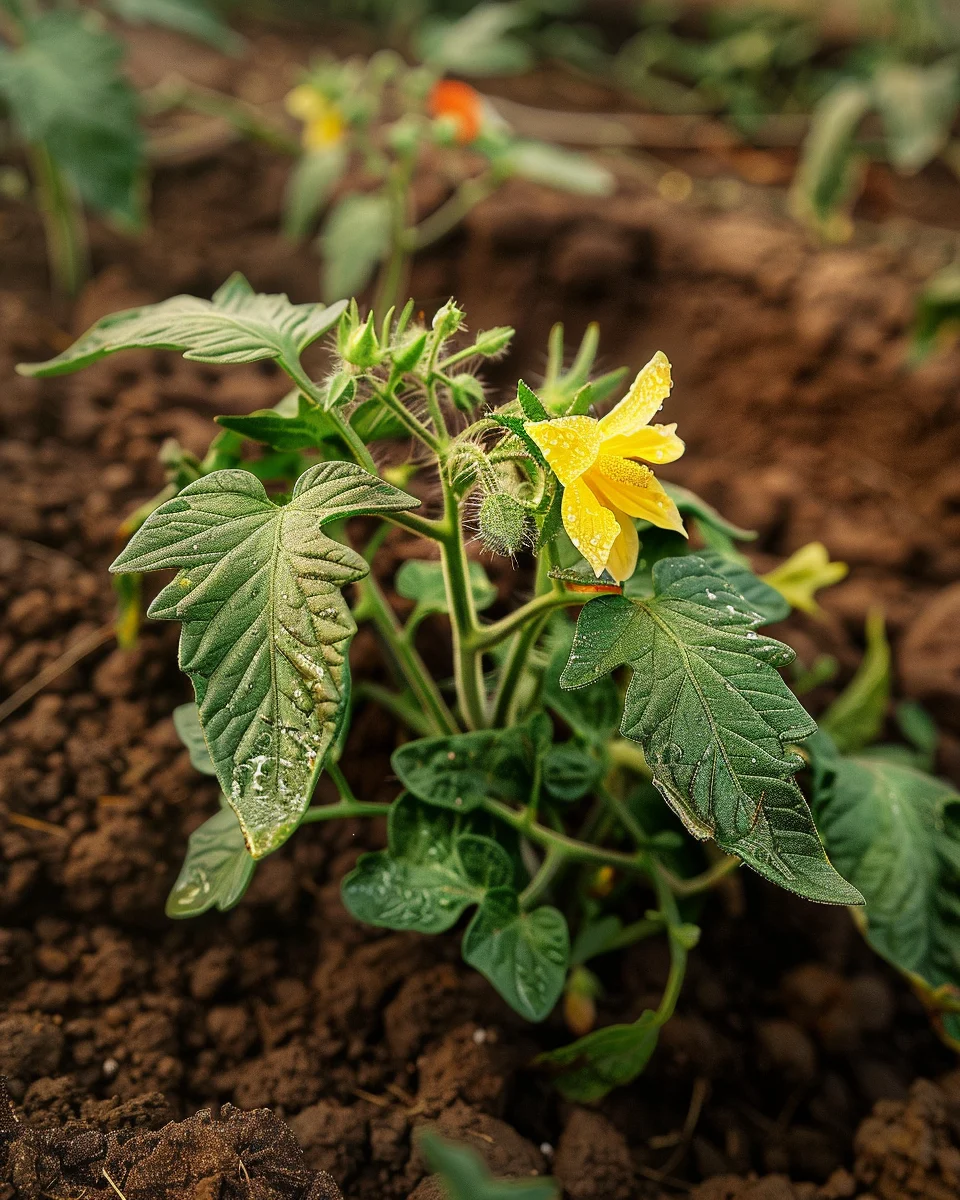
For most temperate regions, the optimal planting window for tomatoes is 2-3 weeks after the last spring frost. In cool climate zones, start seeds indoors 6-8 weeks before your transplant date (typically mid-March to early April for outdoor planting in late May). In warm climate zones, you can direct sow in early spring or even grow as a fall crop, planting in late summer for autumn harvests. For Mediterranean climates, February to April is ideal for spring planting. Remember that timing is crucial – planting at the right time ensures your tomatoes will flower during optimal temperature ranges for fruit set, which is between 18-29°C (65-85°F) during the day and 15-21°C (60-70°F) at night.
Best Tomato varieties to grow
Choosing the right tomato variety can help prevent flowering issues. Here are some reliable options:
• ‘Early Girl’ – Sets fruit even in cooler temperatures, making it excellent for shorter growing seasons.
• ‘Celebrity’ – Heat-tolerant hybrid that continues to set fruit even during temperature fluctuations.
• ‘Roma’ – Determinate variety with excellent pollination rates and consistent fruit production.
• ‘Sungold’ – Prolific cherry tomato that sets fruit readily in various conditions.
• ‘Better Boy’ – Disease-resistant indeterminate variety known for reliable fruit set.
• ‘Mountain Magic’ – Bred specifically for consistent fruit set in challenging conditions.
• ‘Defiant’ – Disease-resistant variety that produces well even under stress.
• ‘Juliet’ – Grape tomato with excellent fruit set capabilities in various climates.
How to plant Tomatoes
Materials list:
– Healthy tomato seedlings or seeds
– Compost or well-rotted manure
– Balanced organic fertilizer (5-5-5 or similar)
– Garden trowel or shovel
– Watering can or hose with gentle spray
– Mulch (straw, compost, or leaf mold)
– Tomato cages or stakes
– Garden gloves
Step-by-step planting:
1. Select a site with full sun (at least 6-8 hours daily) and good air circulation.
2. Prepare soil by incorporating 2-3 inches of compost, ensuring good drainage.
3. Dig holes 45-60 cm (18-24 inches) apart for indeterminate varieties, or 30-45 cm (12-18 inches) for determinate types.
4. Make holes deep enough to bury seedlings up to their first set of true leaves.
5. Add a handful of balanced organic fertilizer to each planting hole, mixing it with soil.
6. Remove seedlings carefully from containers, disturbing roots minimally.
7. Place plants in holes and fill with soil, firming gently around the stem.
8. Water thoroughly after planting, providing about 2.5 cm (1 inch) of water.
9. Apply 5-7.5 cm (2-3 inches) of mulch around plants, keeping it away from stems.
10. Install stakes or cages at planting time to avoid damaging roots later.
How to grow Tomatoes
Tomatoes need full sun (6-8 hours minimum) to produce flowers that successfully set fruit. Water deeply and consistently, providing 2.5-5 cm (1-2 inches) weekly, adjusting for rainfall. Inconsistent watering can cause stress that prevents fruit set. Fertilize with a balanced organic fertilizer at planting, then switch to a lower-nitrogen, higher-phosphorus formula (like 5-10-10) when flowering begins to encourage fruit development. Mulch plants with straw or compost to maintain even soil moisture and temperature. Prune indeterminate varieties by removing suckers (the shoots that form in leaf axils) to improve air circulation and focus energy on fruit production. For container growing, use minimum 40-liter (10-gallon) pots with drainage holes, high-quality potting mix, and more frequent watering. Keep containers in full sun and consider using self-watering containers to maintain consistent moisture levels.
Caring for Tomatoes with Flowering Issues
If your tomatoes have flowers but aren’t setting fruit, try gently shaking plants during the middle of the day to help pollen transfer. Monitor for pests like aphids or whiteflies, which can damage flowers; treat with insecticidal soap or neem oil. Watch for blossom end rot (dark, sunken spots on fruit bottoms), which indicates calcium deficiency often caused by inconsistent watering; solve with even moisture and crushed eggshells added to soil. Tomato hornworms can devastate plants; handpick these large green caterpillars or treat with Bacillus thuringiensis (Bt). Early blight appears as dark spots with concentric rings on lower leaves; remove affected leaves and avoid overhead watering. Harvest tomatoes when they’re fully colored but still firm, picking in the morning for best flavor. Store ripe tomatoes at room temperature, never in the refrigerator, for up to a week.
Understanding bolting in Tomatoes
Unlike leafy greens, tomatoes don’t technically “bolt,” but they can experience similar stress responses that affect flowering and fruiting. When tomatoes are exposed to extreme temperatures—either too hot (above 32°C/90°F) or too cold (below 13°C/55°F)—they may drop flowers or fail to set fruit. This temperature stress is similar to bolting in that the plant’s reproductive cycle is disrupted. To prevent temperature-related flowering issues, plant at the right time for your climate, provide afternoon shade during heat waves, use row covers during cool nights, and maintain consistent watering. If your plants are experiencing temperature stress, focus on protecting new flowers that form once conditions improve, as these will have the best chance of setting fruit.
Why does Tomato fruit fail to develop?
• Temperature extremes: Daytime temperatures above 32°C (90°F) or below 13°C (55°F) prevent proper pollination; use shade cloth in heat or row covers in cool weather.
• Poor pollination: Lack of pollinators or still air prevents pollen transfer; hand-pollinate by gently shaking plants midday or using a small brush.
• Excessive nitrogen: Too much nitrogen fertilizer promotes lush foliage at the expense of fruit; switch to low-nitrogen, high-phosphorus fertilizer when flowering begins.
• Humidity issues: Very low or very high humidity prevents proper pollen release and germination; mist plants in dry conditions or improve air circulation in humid areas.
• Inconsistent watering: Stress from drought or flooding can cause flower drop; maintain even soil moisture with regular watering and mulch.
Companion planting for Tomatoes
Good companions for tomatoes include basil, which repels flies and mosquitoes while improving flavor; marigolds, which deter nematodes and other soil pests; nasturtiums, which act as trap crops for aphids; carrots, which break up soil and allow better water penetration; garlic and onions, which deter many insect pests; and borage, which attracts pollinators that help with fruit set. Avoid planting tomatoes near potatoes, as they can transmit diseases to each other; corn, which attracts pests that damage tomato fruit; and fennel, which inhibits tomato growth through allelopathy.
Seasonal calendar
• January-February: Start seeds indoors in warm regions; plan garden layout.
• March-April: Start seeds indoors in cooler regions; prepare garden beds.
• May: Transplant seedlings after last frost; install supports.
• June: Monitor for pests; begin regular feeding program.
• July: Ensure consistent watering; watch for first flowers and fruit set issues.
• August: Peak harvest season begins; continue monitoring for disease.
• September: Continue harvesting; plant fall crop in warm regions.
• October: Final harvests in most regions; remove diseased plants.
• November-December: Clean up garden; amend soil for next season.
Note: In hot regions (Zones 9-11), shift this calendar earlier by 4-6 weeks. In cool regions (Zones 3-5), compress growing season and consider heat-loving varieties.
Problems & solutions
Problem | Quick Fix
— | —
Flowers falling off without setting fruit | Check temperatures; hand-pollinate during cooler parts of day
Yellow leaves | Reduce watering; check for nutrient deficiencies
Flowers but tiny fruit that doesn’t grow | Ensure consistent watering and adequate calcium
Curled leaves | Look for aphids; check for herbicide drift
Flowers drying up | Increase humidity; ensure adequate water
Stunted plants with few flowers | Check for root-knot nematodes; improve soil fertility
Deformed flowers | Monitor for thrips; use insecticidal soap
Common questions about growing Tomatoes
How often should I water tomatoes with flowering problems?
Water deeply 2-3 times per week rather than daily shallow watering. During flowering, consistent moisture is crucial—aim for soil that stays evenly moist but never soggy.
Can too much sun prevent tomato fruit set?
While tomatoes need full sun (6-8 hours minimum), extreme heat from intense sun can prevent fruit set. In regions with temperatures regularly above 32°C (90°F), provide afternoon shade to help flowers set fruit.
What size container works best for tomatoes?
Use containers at least 40-50 liters (10-12 gallons) for indeterminate varieties and 30 liters (8 gallons) for determinate types. Larger containers maintain more consistent soil temperature and moisture, which helps with fruit set.
How far apart should I space tomato plants to encourage fruiting?
Space indeterminate varieties 45-60 cm (18-24 inches) apart and determinate types 30-45 cm (12-18 inches) apart. Proper spacing improves air circulation, reducing disease and improving pollination.
Can I save tomato plants that haven’t set fruit yet?
Yes! If temperatures are the issue, protect plants and wait for better conditions. If pollination is the problem, begin hand-pollinating flowers daily. Most plants will start producing once the underlying issue is resolved.
How do I hand-pollinate tomato flowers?
Gently shake plants during mid-morning when pollen is most viable, or use a small paintbrush to transfer pollen between flowers. Repeat daily until you see fruit beginning to form.
Will fertilizing help my tomatoes set fruit?
Switch to a low-nitrogen, high-phosphorus fertilizer (like 5-10-10) when plants begin flowering. Too much nitrogen promotes leafy growth at the expense of fruit production.