

How to Grow Lilacs That Will Make Your Neighbors Jealous: When to Plant, Best Varieties & Care
Intro for How to Grow Lilacs
Lilacs (Syringa spp.) are beloved flowering shrubs that transform gardens with their intoxicating fragrance and stunning blooms each spring. These hardy, long-lived plants create a spectacular display of purple, pink, white, or blue flower clusters that can turn any garden into a neighborhood showpiece. Thriving in temperate climates with cold winters (USDA zones 3-7 primarily), lilacs reward minimal care with decades of reliable blooming. Beyond their aesthetic appeal, lilacs attract beneficial pollinators, create privacy screens, and establish themselves as garden heirlooms that can be passed down through generations. With proper placement and care, your lilac display will have passersby stopping to admire your garden masterpiece.
When to plant Lilacs
Lilacs perform best when planted during dormant periods. Fall planting (4-6 weeks before the first frost) is ideal in most temperate regions, allowing roots to establish before winter dormancy. Spring planting works well in regions with severe winters, once soil temperatures reach 45-50°F (7-10°C) and the ground is workable. Avoid summer planting when heat stress can compromise establishment. Lilacs require a period of winter chill (below 45°F/7°C for at least 6 weeks) to trigger proper flowering, making them less suitable for frost-free regions. In warmer zones (USDA 7-8), select heat-tolerant varieties and provide afternoon shade.
Best time to plant Lilacs
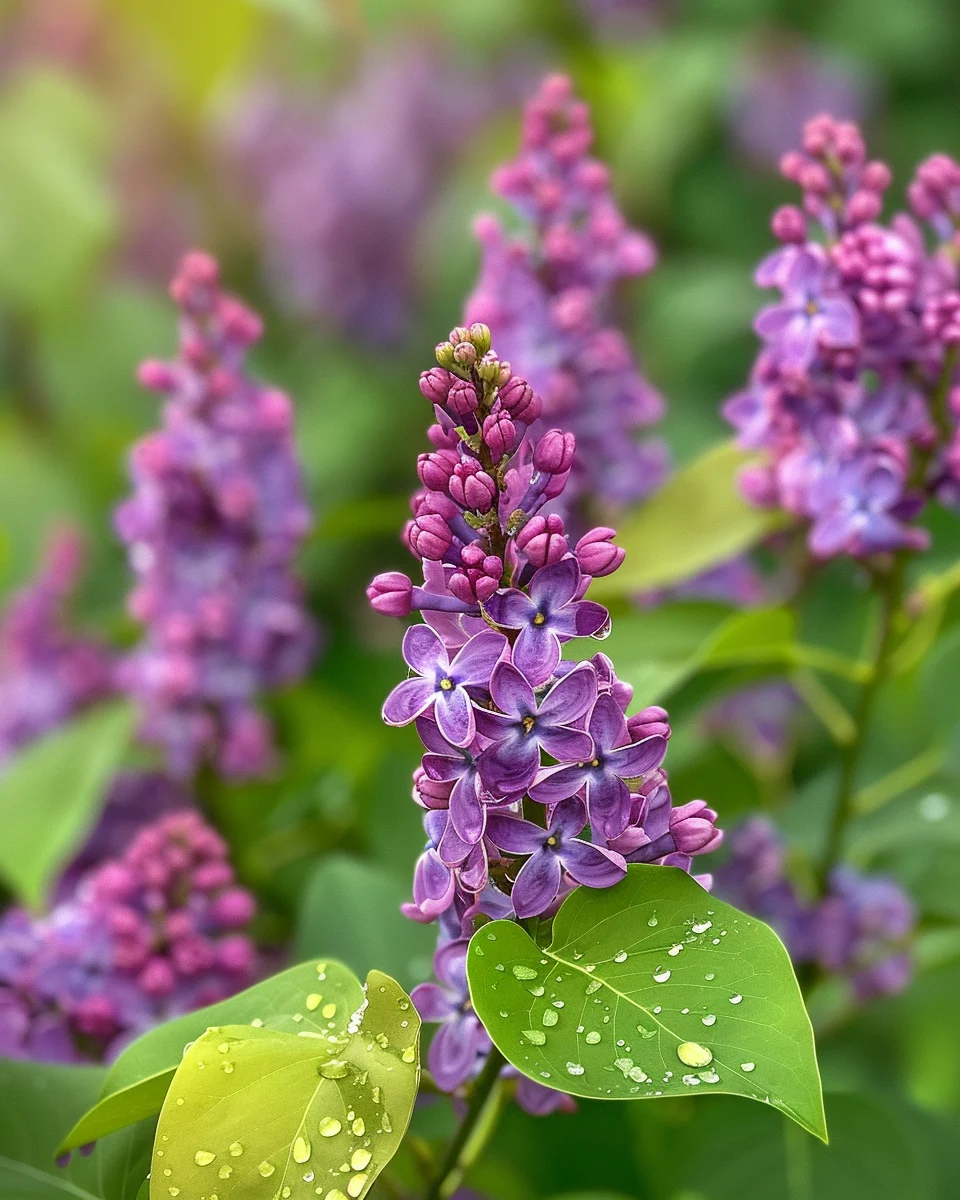
In cool northern climates (zones 3-5), plant lilacs from mid-September through October or in early spring from late March to April once frost danger passes. In moderate climates (zones 6-7), early-to-mid October or March planting yields best results. For warmer regions (zone 8), focus exclusively on fall planting (late October to November) to give roots maximum establishment time before summer heat. Container-grown lilacs can be planted throughout the growing season if properly watered, though avoiding summer heat stress is advisable. Bare-root specimens should only be planted during complete dormancy in late fall or early spring.
Best Lilac varieties to grow
- Common Lilac (Syringa vulgaris ‘Sensation’) – Striking purple florets with white edges and exceptional fragrance on a classic 10-12 foot shrub.
- Dwarf Korean Lilac (Syringa meyeri ‘Palibin’) – Perfect for small gardens at just 4-5 feet tall with profuse lavender-pink blooms and excellent disease resistance.
- Miss Kim Lilac (Syringa pubescens subsp. patula ‘Miss Kim’) – Compact 6-7 foot shrub with ice-blue flowers that turn purple, exceptional fragrance, and stunning fall foliage.
- Bloomerang Purple (Syringa ‘Penda’) – Revolutionary reblooming lilac that flowers in spring and again in summer through fall.
- Beauty of Moscow (Syringa vulgaris ‘Krasavitsa Moskvy’) – Elegant double flowers that open pink and mature to pure white with unmatched fragrance.
- Syringa x hyacinthiflora ‘Pocahontas’ – Early-blooming with deep purple single flowers and exceptional cold hardiness (to zone 2).
- Declaration (Syringa x ‘Declaration’) – Remarkable 7-inch flower clusters in reddish-purple that bloom earlier than common lilacs.
How to plant Lilacs
Materials needed:
- Lilac shrub (container-grown or bare-root)
- Shovel and garden fork
- Compost or well-rotted manure
- Bone meal or phosphorus-rich fertilizer
- Garden pruners
- Mulch (wood chips or bark)
- Water source and watering can/hose
- pH testing kit (optional)
Step-by-step planting instructions:
- Select a planting location with full sun (minimum 6 hours daily) and excellent drainage; lilacs will not tolerate wet feet.
- Test soil pH – lilacs prefer slightly alkaline conditions (pH 6.5-7.5); add lime if soil is acidic.
- Dig a hole twice as wide as the root ball and of equal depth (typically 18-24 inches/45-60 cm wide).
- Mix removed soil with 20-30% compost and a handful of bone meal to encourage root development.
- For container plants, gently remove the shrub and loosen bound roots; for bare-root plants, soak roots in water for 1-2 hours before planting.
- Position the lilac so the crown (where stems meet roots) sits slightly above soil level to prevent rot.
- Backfill with amended soil, firming gently to eliminate air pockets without compacting.
- Create a watering basin around the planting hole and water thoroughly until soil settles.
- Apply 2-3 inches (5-8 cm) of mulch around the base, keeping it several inches away from the stems.
- Space multiple lilacs 6-10 feet (1.8-3 m) apart depending on variety to allow for mature spread.
How to grow Lilacs
Lilacs thrive in full sunlight – at least 6 hours daily is essential for optimal flowering, though in hotter regions (zones 7-8), afternoon shade benefits some varieties. Water newly planted lilacs deeply once weekly during the first growing season, providing 1-2 gallons (4-8 liters) per plant. Once established, lilacs are drought-tolerant but benefit from occasional deep watering during extended dry periods.
Fertilize sparingly – excessive nitrogen promotes foliage at the expense of flowers. Apply a balanced, slow-release fertilizer (10-10-10) in early spring before new growth emerges. Alternatively, top-dress with compost annually. For established plants showing poor flowering, apply phosphorus-rich fertilizer in fall.
Maintain a 2-3 inch (5-8 cm) mulch layer to suppress weeds and retain moisture, keeping mulch away from stems to prevent rot. Prune immediately after flowering finishes (typically May-June) as lilacs set next year’s flower buds by mid-summer. Remove spent blooms and thin out one-third of the oldest stems every 3-4 years to rejuvenate the plant.
For container-grown lilacs, select compact varieties like ‘Palibin’ or ‘Miss Kim’ and use minimum 24-inch (60 cm) diameter containers with excellent drainage. Container plants require more frequent watering and winter protection in colder zones.
Caring for Lilacs
Maintain lilac health with annual maintenance: remove suckers (shoots from the base) unless you want the plant to spread, and clear fallen leaves in autumn to reduce disease pressure. The primary pests affecting lilacs include lilac borers (clear wings with sawdust-like frass at entry holes) and scale insects (bumpy growths on stems). Treat borers by pruning and destroying affected branches; control scale with horticultural oil applications during dormancy.
Powdery mildew appears as white powder on leaves during humid conditions – improve air circulation through proper spacing and pruning, and apply neem oil or potassium bicarbonate sprays if severe. Bacterial blight causes blackened leaves and stems – prune affected areas in dry weather and disinfect tools between cuts.
Lilacs don’t require deadheading for health, but removing spent blooms improves appearance and directs energy to root and leaf development rather than seed production. For cut flowers, harvest when blooms are 3/4 open in the morning, make a diagonal cut, and immediately place in water after removing lower leaves.
Understanding bolting in Lilacs
Unlike vegetables, lilacs don’t technically “bolt” as they’re flowering woody shrubs rather than leafy annuals. However, lilacs can experience premature flowering or reduced blooming that might seem similar to bolting. This typically occurs when plants experience stress from improper pruning timing, extreme temperature fluctuations, or inadequate winter chill hours.
The most common trigger for poor flowering is late pruning – cutting lilacs after midsummer removes the following year’s flower buds. Prevent this by only pruning immediately after flowering concludes. Climate stress from insufficient winter chill (below 45°F/7°C) or late spring freezes can also disrupt flowering cycles.
If your lilac experiences poor flowering, avoid fertilizing with high-nitrogen products, ensure proper sunlight exposure, and follow the correct pruning schedule. Rejuvenation pruning (removing one-third of old wood annually for three years) can restore flowering to neglected plants, though flowering may decrease temporarily during this process.
Why does Lilac turn bitter?
While lilacs don’t produce edible parts that turn bitter, they can develop various issues that diminish their ornamental value:
- Reduced fragrance – Often caused by high heat, pollution, or selecting varieties bred for color rather than scent; choose fragrant cultivars and plant away from pollution sources.
- Diminished flowering – Usually results from insufficient sunlight, improper pruning timing, or excessive nitrogen; move to sunnier location, prune only after flowering, and reduce nitrogen fertilization.
- Leggy, sparse growth – Typically caused by insufficient light or aging shrubs; improve light exposure and implement rejuvenation pruning over three years.
- Yellowing leaves – Often indicates chlorosis from alkaline soil (ironically, despite lilacs preferring slightly alkaline conditions); apply iron sulfate or acidifying fertilizers.
- Stunted growth – Frequently results from poor drainage or compacted soil; improve soil structure with organic matter and ensure proper drainage.
Companion planting for Lilacs
Enhance your lilac display with these complementary companions:
- Spring bulbs (daffodils, tulips) – Provide early color before lilacs bloom and benefit from the summer shade lilacs cast as bulb foliage dies back.
- Perennial geraniums – Create attractive groundcover beneath lilacs while tolerating the partial shade and root competition.
- Peonies – Share similar cultural requirements and bloom times, creating spectacular spring displays together.
- Alliums – Bloom simultaneously with lilacs while deterring rodents and many insect pests.
- Catmint (Nepeta) – Provides contrasting texture and extended bloom period after lilacs finish flowering.
Avoid planting these near lilacs:
- Shallow-rooted trees – Compete for water and nutrients, potentially reducing lilac vigor.
- Aggressive vines – Can overwhelm and damage lilac structure if allowed to climb shrubs.
- Water-loving plants – Create moisture conditions that may promote root rot in lilacs.
Seasonal calendar
Early Spring (March-April):
- Apply balanced fertilizer before new growth emerges
- Plant new lilacs in warmer regions
- Remove winter protection
- Clean up debris around plants
Late Spring (May-June):
- Enjoy peak flowering period
- Harvest cut flowers as desired
- Prune immediately after flowering finishes
- Remove suckers if spread is not wanted
Summer (July-August):
- Water during extended dry periods
- Monitor for pests and diseases
- Avoid pruning (next year’s buds are forming)
- Enjoy reblooming varieties’ second flush
Fall (September-November):
- Ideal planting time in most regions
- Apply compost as top dressing
- Clean up fallen leaves
- Reduce watering as plants enter dormancy
Winter (December-February):
- Apply winter protection for container plants
- Plan rejuvenation pruning for early spring
- Research new varieties to add in spring
- Apply dormant oil for scale control if needed
Problems & solutions
| Problem | Quick Fix |
|---|---|
| No flowers despite healthy growth | Check pruning timing (only prune right after flowering), ensure adequate sunlight, and reduce nitrogen fertilizer |
| Powdery white coating on leaves | Improve air circulation through thinning, apply neem oil or potassium bicarbonate spray, clean up fallen leaves |
| Black or brown spots on leaves/stems | Prune affected areas in dry weather with sterilized tools, improve air circulation, avoid overhead watering |
| Leggy, overgrown shrub | Implement three-year rejuvenation pruning by removing 1/3 of oldest stems each year |
| Yellowing leaves despite adequate water | Apply iron sulfate or chelated iron product, especially in highly alkaline soils |
| Holes in leaves with sawdust-like material on stems | Prune and destroy affected branches to control lilac borers; consider preventative trunk sprays in early spring |
| Numerous shoots emerging from base | Remove unwanted suckers by cutting below soil line; for grafted varieties, remove any growth below graft union |
Common questions about growing Lilacs
How often should I water established lilacs?
Established lilacs (2+ years old) are drought-tolerant and typically require supplemental watering only during extended dry periods of 2+ weeks. When watering, provide a deep soaking (about 1 inch/2.5 cm) rather than frequent light sprinklings to encourage deep root development.
Can lilacs grow in partial shade?
Lilacs can survive in partial shade (4-5 hours of direct sun), but flowering will be significantly reduced. For best results, plant where they’ll receive at least 6 hours of direct sunlight daily, preferably morning sun in hotter regions.
How long does it take for a newly planted lilac to bloom?
Patience is key with lilacs. Newly planted shrubs typically take 2-3 years to establish before producing significant blooms. Grafted specimens may bloom earlier than those grown from cuttings or seeds. Avoid heavy fertilization during establishment as this promotes foliage at the expense of flowers.
Can I grow lilacs in containers long-term?
Dwarf varieties like ‘Palibin’ and ‘Miss Kim’ can thrive in containers for several years if provided with proper care. Use containers at least 24 inches (60 cm) in diameter with excellent drainage, quality potting mix, and winter protection in colder regions. Expect to repot every 3-4 years.
How do I rejuvenate an old, neglected lilac?
Implement a three-year renewal pruning program: remove 1/3 of the oldest stems (largest diameter) at ground level each year for three consecutive years, always right after flowering. This stimulates new growth while maintaining some flowering each season. Supplement with compost and proper watering during rejuvenation.
Why did my lilac bloom well last year but not this year?
Inconsistent blooming often results from improper pruning timing (removing next year’s flower buds), late spring freezes damaging formed buds, or excessive nitrogen fertilization. Ensure pruning occurs immediately after flowering concludes and use balanced or low-nitrogen fertilizers.
How close to my house can I plant lilacs?
Plant standard lilacs at least 6-8 feet (1.8-2.4 m) from foundations, accounting for mature width of 10-12 feet (3-3.7 m). Dwarf varieties can be planted 3-4 feet (0.9-1.2 m) from structures. Consider mature height when planting near windows to avoid blocking views or light.