
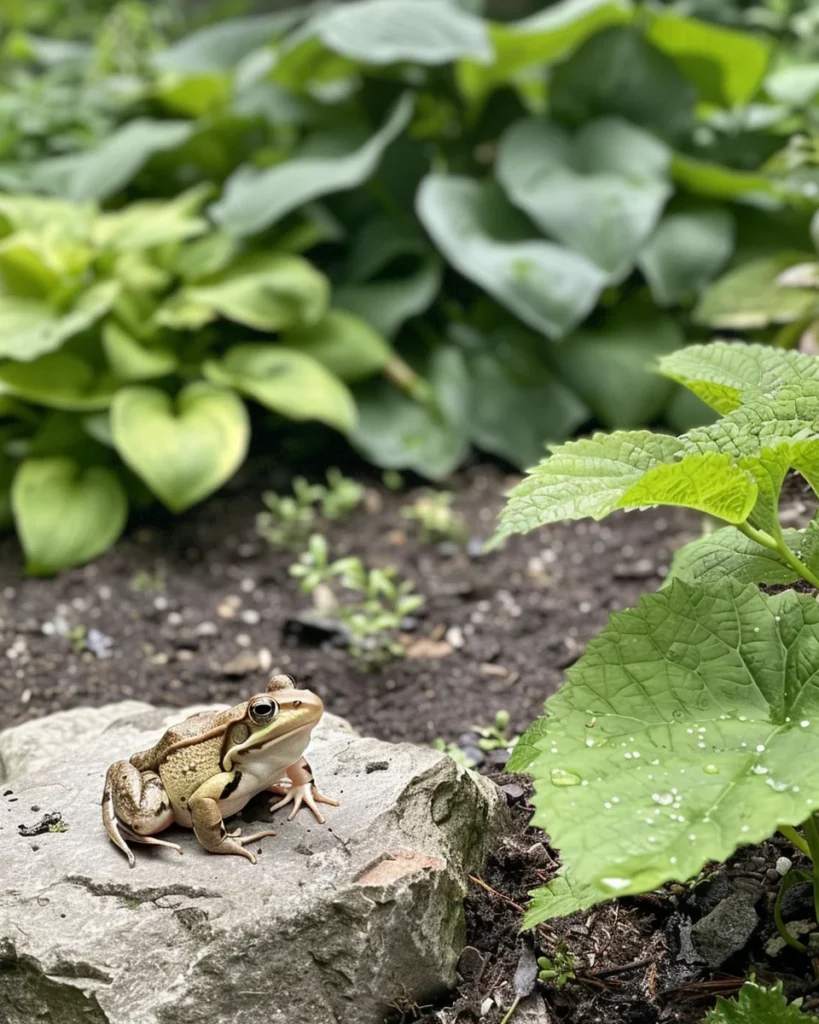
Why Every Garden Needs a Frog Hotel and How to Build One: Attracting Natural Pest Control to Your Garden
Intro for Why Every Garden Needs a Frog Hotel and How to Build One
Frog hotels are purpose-built shelters designed to attract and provide habitat for frogs and toads in your garden. These amphibian havens offer tremendous benefits to gardeners, as frogs are voracious predators of slugs, snails, mosquitoes, and many other garden pests. A single frog can consume up to 100 insects in a single night! Beyond pest control, frogs serve as bioindicators of environmental health and add biodiversity to your garden ecosystem. Frog hotels work best in gardens with some moisture and shade, though they can be adapted for various climates. Creating this simple structure is an easy weekend project that provides years of natural pest management while supporting local amphibian populations.
When to plant Why Every Garden Needs a Frog Hotel and How to Build One
The ideal time to install a frog hotel is during spring or early summer when amphibians are most active and seeking habitat. In temperate regions, aim for installation when nighttime temperatures consistently stay above 10°C (50°F). This timing allows frogs to discover and settle into their new home before breeding season or winter hibernation. In colder regions, installing by mid-spring gives frogs time to find the hotel before summer’s peak activity period. For warmer Mediterranean climates, early spring installation works best before the intense summer heat arrives.
Best time to plant Why Every Garden Needs a Frog Hotel and How to Build One
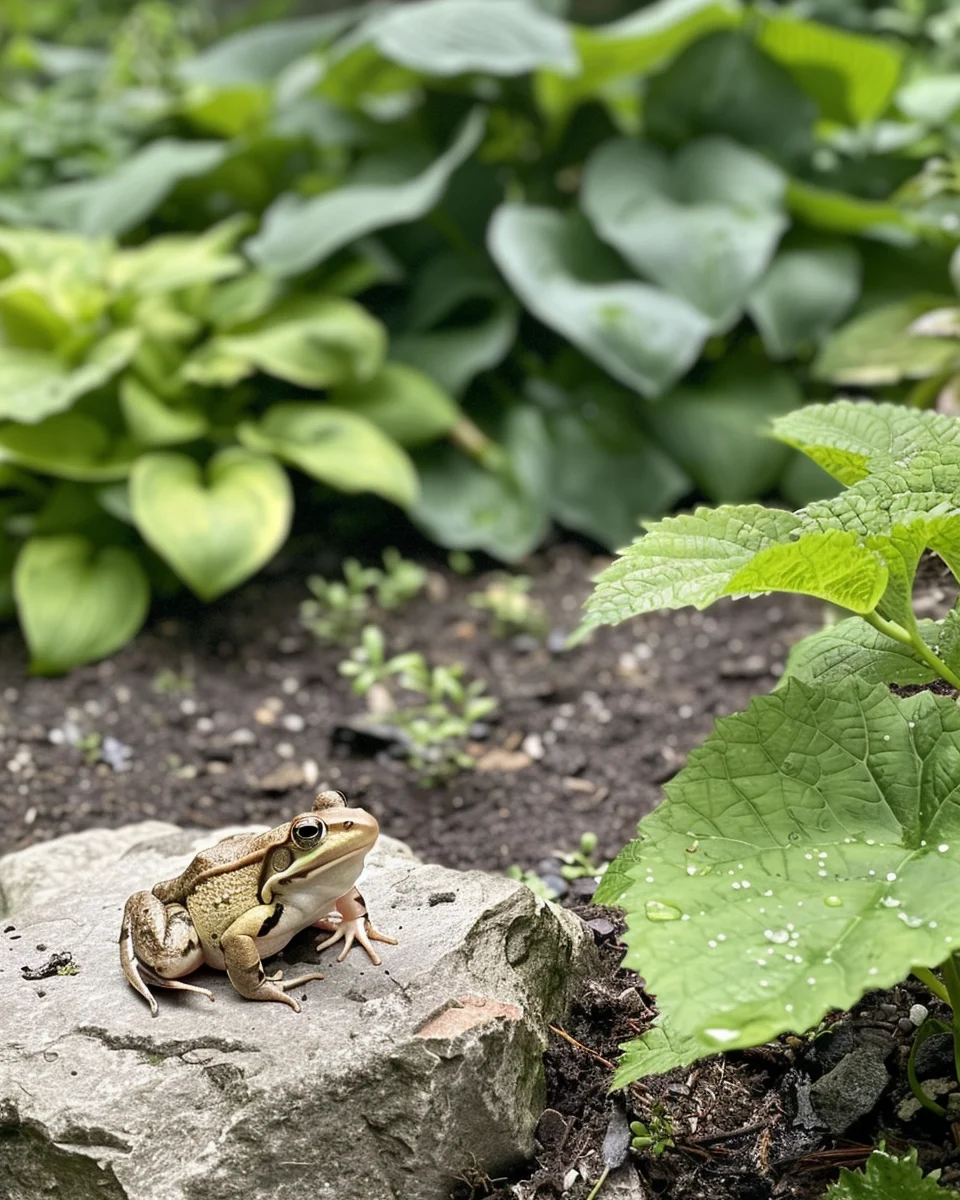
For cool temperate regions (UK, Northern US, Canada), install frog hotels between April and June when frogs emerge from hibernation. In warmer regions (US Zones 7-9), February to April provides optimal timing as amphibians become active earlier. If you’re in a drought-prone area, installation is best timed just before the rainy season to maximize attractiveness to moisture-seeking amphibians. Regardless of region, avoid disturbing existing frog habitats during breeding periods (typically early spring) when egg masses and tadpoles may be present in nearby water sources.
Best Why Every Garden Needs a Frog Hotel and How to Build One varieties to grow
- Tiered Log Stack Hotel – Excellent for larger gardens with multiple microhabitats and hiding spaces for different frog species.
- Terra Cotta Pot Hotel – Perfect for small spaces and container gardens, offering excellent moisture retention.
- Rock Pile Refuge – Highly durable and natural-looking, providing thermal mass that regulates temperature.
- Buried Pipe Hideaway – Creates cool, dark tunnels that mimic natural frog burrows for hot climates.
- Sunken Basin Habitat – Combines water and land areas for complete frog lifecycle support.
- Upcycled Pallet Hotel – Sustainable option using reclaimed materials with multiple chambers and entry points.
- Mini Pond Adjacent Hotel – Integrates water feature with shelter for maximum amphibian attraction.
How to plant Why Every Garden Needs a Frog Hotel and How to Build One
Materials needed:
- Several logs or branches of varying sizes (10-30 cm/4-12 inches in diameter)
- Flat stones or slate pieces
- Terracotta pots (broken and whole)
- Bricks with holes
- Leaf litter and garden debris
- Small shallow dish for water
- Optional: PVC pipe sections (10-15 cm/4-6 inches diameter)
Step-by-step construction:
- Select a partially shaded location near existing vegetation, ideally within 10 meters (30 feet) of a water source or moist area.
- Clear the ground area approximately 1 meter by 1 meter (3 feet by 3 feet) and ensure it’s level.
- Create a base layer using larger logs or bricks arranged in a rough square or circle, leaving gaps between pieces.
- Place flat stones across some sections to create covered chambers and tunnels.
- Add a second layer of smaller branches, broken pots, and bricks, ensuring varied-sized gaps and entrances.
- Continue building upward in a pyramid shape, decreasing in size with each layer.
- Fill some chambers with damp leaf litter, moss, or garden compost to create humid microhabitats.
- Place the shallow water dish nearby, embedding it slightly into the ground for easy frog access.
- Cover portions of the hotel with leaf litter and garden debris to provide additional insulation and hiding spots.
- Plant moisture-loving, shade-tolerant plants around the hotel perimeter to increase humidity and provide cover.
How to grow Why Every Garden Needs a Frog Hotel and How to Build One
Frog hotels thrive in dappled sunlight or partial shade, as direct sun can overheat the structure and dry it out too quickly. Maintain moisture by lightly spraying the hotel during dry periods, especially in summer. No fertilization is needed, but refreshing the leaf litter and organic material seasonally helps maintain humidity and attract insects (frog food). Add a layer of mulch around the hotel base to retain moisture and provide additional habitat. For container gardens, create mini frog shelters using a single terracotta pot on its side, partially buried and surrounded by moisture-loving plants. Ensure the hotel has multiple entry points at ground level for easy frog access. In extremely dry climates, consider installing a small, shallow water feature nearby to increase humidity and provide drinking water.
Caring for Why Every Garden Needs a Frog Hotel and How to Build One
Maintain your frog hotel with minimal intervention – these structures work best when left relatively undisturbed. Refresh leaf litter and organic material annually in early spring. Check for and remove any unwanted guests like rodents that might prey on frogs. Common issues include excessive drying (remedy by adding more moisture-retentive materials) and potential colonization by ants (which can be discouraged by creating a small moat around the base). Never use chemical pesticides or herbicides near frog habitats, as amphibians absorb toxins through their sensitive skin. Harvest the benefits of your frog hotel by enjoying reduced pest populations and the evening chorus of frog calls. The hotel should last 3-5 years before major renovation is needed, though adding fresh materials annually extends its lifespan.
Understanding bolting in Why Every Garden Needs a Frog Hotel and How to Build One
While plants bolt (rapidly flower and set seed), frog hotels experience a different phenomenon called “abandonment.” This occurs when frogs leave the habitat due to environmental stressors. Triggers include excessive disturbance, prolonged drought, chemical contamination, or predator presence. Prevention involves maintaining consistent moisture levels, minimizing physical disturbance, and ensuring chemical-free surroundings. If frogs abandon your hotel, assess potential causes: check for predators like cats or snakes, evaluate recent garden chemical use, or consider if the location has become too exposed or dry. Remedy the situation by relocating the hotel to a quieter, moister location and enhancing surrounding vegetation for better cover and humidity.
Why does Why Every Garden Needs a Frog Hotel and How to Build One turn bitter?
- Too exposed – Frog hotels in full sun become too hot and dry; relocate to shadier spot or add more overhead cover.
- Insufficient moisture – Dry hotels don’t attract frogs; add more moisture-retentive materials and water more frequently during dry periods.
- Chemical exposure – Pesticides, herbicides, or lawn treatments repel amphibians; maintain chemical-free zone around hotel.
- Predator presence – Cats, snakes, or birds regularly hunting near the hotel will deter frogs; add more protective cover or relocate.
- Lack of food sources – Insufficient insects nearby; plant more insect-attracting native plants and maintain organic gardening practices.
Companion planting for Why Every Garden Needs a Frog Hotel and How to Build One
Good companions:
- Ferns – Provide natural shade and moisture retention while creating a woodland aesthetic frogs prefer.
- Hostas – Large leaves create ground-level hiding spots and maintain soil moisture.
- Native grasses – Offer travel corridors for frogs moving between water and shelter.
- Moisture-loving perennials (Astilbe, Ligularia) – Create humid microclimates frogs seek.
- Low-growing groundcovers (Ajuga, sweet woodruff) – Provide protective cover for frogs traveling to and from the hotel.
Avoid planting near:
- Plants requiring frequent pesticides – Chemicals harm amphibians’ sensitive skin.
- Drought-tolerant Mediterranean herbs – Create environments too dry for amphibians.
- Plants with sticky sap or irritating compounds – Can harm amphibians’ permeable skin.
Seasonal calendar
- January-February: Leave hotel undisturbed during hibernation period; plan spring enhancements.
- March: Gently refresh outer materials as temperatures warm; avoid disturbing interior chambers.
- April-May: Install new hotels; add fresh leaf litter; ensure water sources are available nearby.
- June-August: Maintain moisture levels during hot periods; observe frog activity at dawn/dusk.
- September-October: Add extra insulation materials for winter; ensure drainage prevents flooding.
- November-December: Minimize disturbance as frogs prepare for hibernation; protect from freezing with extra cover if needed.
Problems & solutions
| Problem | Quick Fix |
|---|---|
| No frogs appearing | Add a small water feature nearby; increase plant cover around hotel |
| Hotel drying out too quickly | Add more moisture-retentive materials (moss, leaf litter); relocate to shadier spot |
| Ant infestation | Create shallow moat around base; avoid sweet attractants nearby |
| Rodents moving in | Reduce entry hole sizes; remove food sources; consider separate rodent habitat elsewhere |
| Hotel collapsing/unstable | Rebuild with sturdier base; use larger materials at bottom; improve drainage |
| Predators stalking hotel | Add protective barriers; increase dense plantings; create multiple escape routes |
| Flooding during heavy rain | Raise base on slight mound; improve drainage channels around structure |
Common questions about growing Why Every Garden Needs a Frog Hotel and How to Build One
Q: How far should a frog hotel be from a water source?
A: Ideally within 10-20 meters (30-65 feet) of water, though frogs can travel up to 500 meters from breeding sites to find suitable shelter.
Q: How much sun should a frog hotel receive?
A: Partial to dappled shade is ideal – morning sun with afternoon shade creates perfect conditions without overheating.
Q: What size should I make my frog hotel?
A: Even small hotels (30cm/12in cube) are effective, though larger structures (1m/3ft base) provide more diverse microhabitats and temperature gradients.
Q: How can I tell if frogs are using my hotel?
A: Look for frogs during evening hours using a red-filtered flashlight; check for shed skin, droppings, or listen for calls nearby at dusk.
Q: Do frog hotels attract unwanted pests?
A: Properly constructed hotels primarily attract beneficial creatures; minimize food waste nearby to prevent rodent interest.
Q: How often should I maintain my frog hotel?
A: Annual light maintenance in early spring is sufficient; avoid disturbing during breeding season and winter hibernation.
Q: Can I have a frog hotel in a small urban garden?
A: Yes! Even balcony gardens can support mini frog shelters using a single terracotta pot and moisture-loving container plants.