
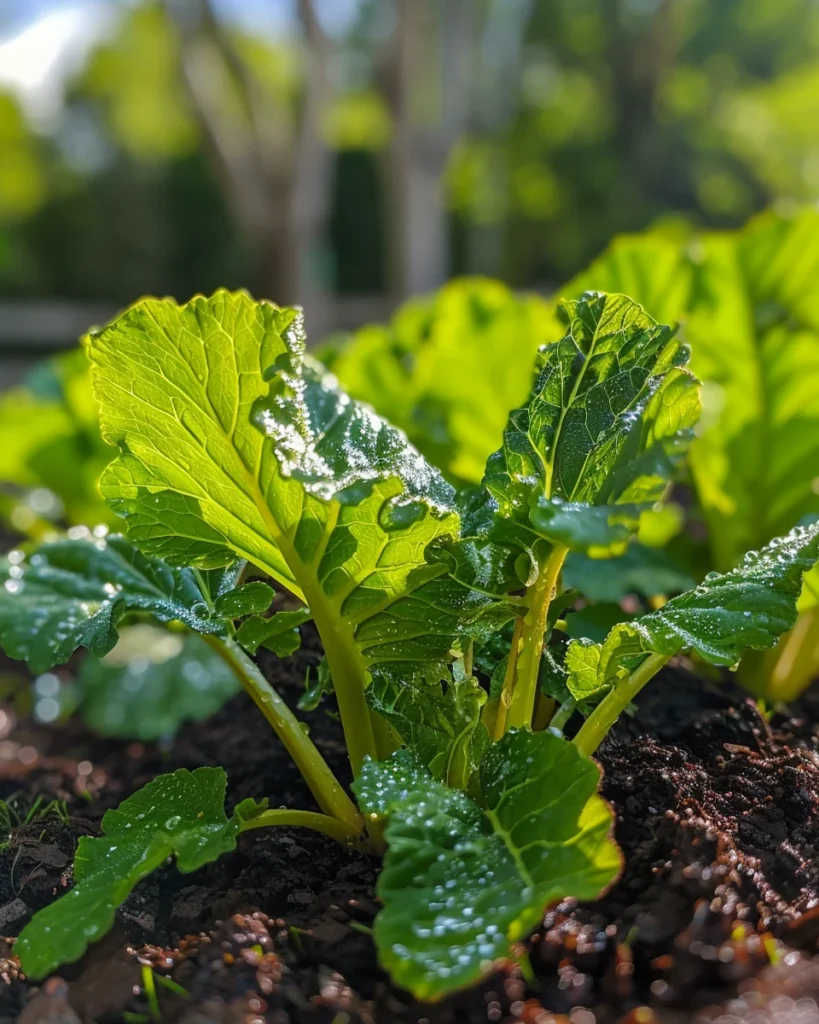
How to Grow Bigger, Sweeter Rhubarb: The Common Mistake to Avoid for Best Results
Intro for Bigger, Sweeter Rhubarb
Rhubarb (Rheum rhabarbarum) is a perennial vegetable prized for its tart, flavorful stalks that make delicious pies, jams, and desserts. While many gardeners successfully grow rhubarb, they often unknowingly make a critical mistake that limits both size and sweetness. The secret to spectacular rhubarb lies in proper flower stalk management. This hardy plant thrives in cooler climates (USDA zones 3-8) and can produce for 10-15 years when properly maintained. With its impressive nutritional profile rich in vitamin K, calcium, and antioxidants, rhubarb deserves a place in every temperate garden. By avoiding common cultivation errors, you’ll enjoy bigger, sweeter stalks that transform your culinary creations.
When to plant Rhubarb
Rhubarb performs best when planted during dormant periods. In most temperate regions, early spring (as soon as soil can be worked) or fall (4-6 weeks before first frost) are ideal planting windows. Soil temperature should be at least 4°C (40°F) for spring planting. Rhubarb is extremely cold-hardy, surviving temperatures as low as -40°C/°F when established, making it perfect for northern gardens. In warmer regions (zones 7-8), provide afternoon shade and focus on spring planting to establish roots before summer heat arrives. Avoid planting in zones 9 and above, as rhubarb requires a winter chill period to thrive.
Best time to plant Rhubarb
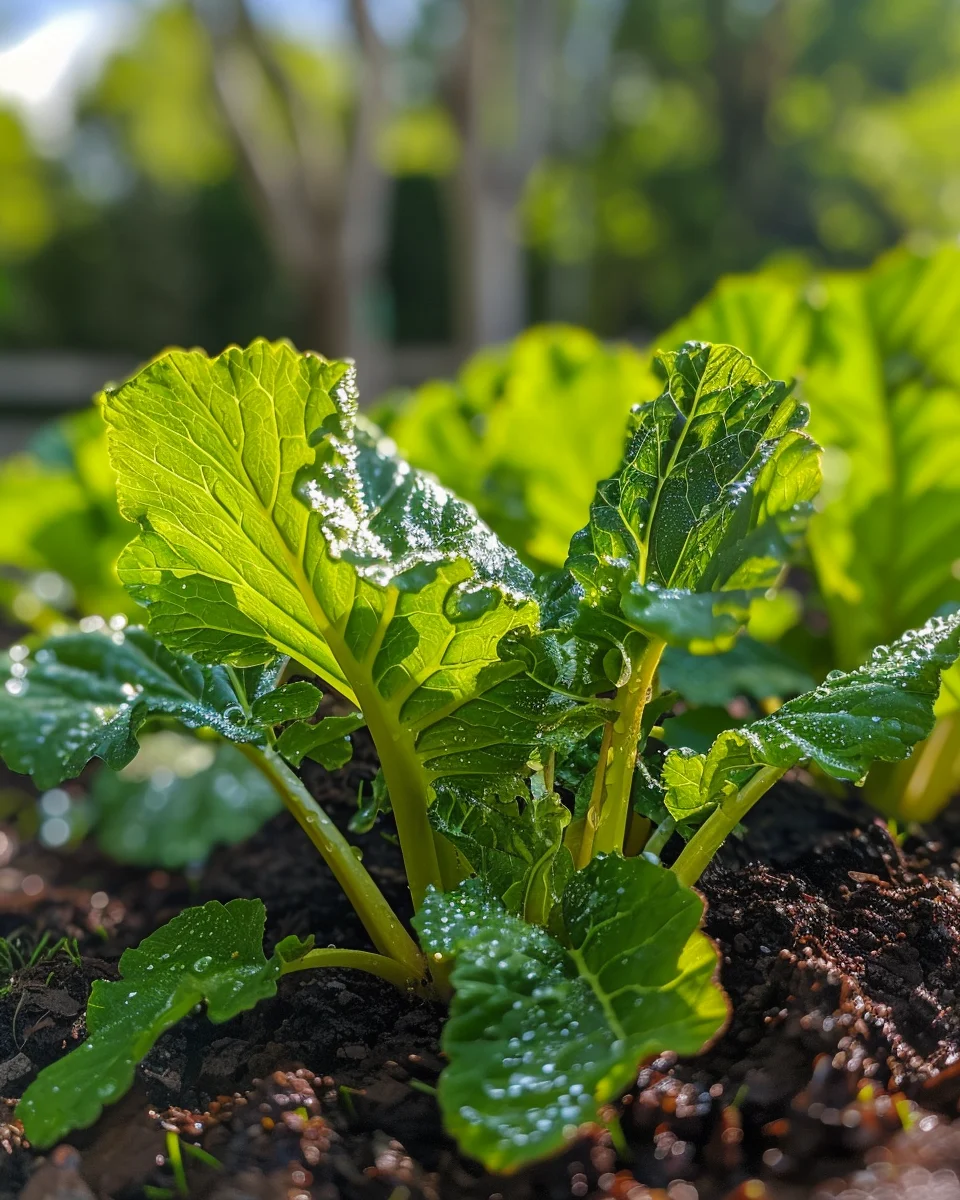
For cool-climate gardeners (zones 3-5), plant dormant crowns or divisions in early spring, typically March to April, as soon as soil can be worked. In moderate climates (zones 6-7), plant in early spring (February to March) or fall (September to October). Warm-climate gardeners (zone 8) should plant in late winter (January to February) to establish plants before heat arrives. Always transplant divisions or crowns rather than growing from seed, as seed-grown plants take 3-4 years to mature and often don’t maintain parent plant characteristics. For container planting, early spring is universally the best time regardless of region.
Best Rhubarb varieties to grow
- Victoria – Classic heirloom variety with green-tinged red stalks, excellent flavor, and reliable production in most climates.
- Crimson Cherry – Produces vibrant red stalks with exceptional sweetness and less stringiness, perfect for desserts.
- Holstein Bloodred – Known for deep red coloration throughout the stalk and superior cold hardiness.
- Sunrise – Early producer with pink-red stalks, lower acidity, and excellent disease resistance.
- Chipman’s Canada Red – Intensely red stalks with sweeter flavor requiring less sugar in recipes.
- Strawberry – Compact variety with tender pink-red stalks, ideal for container growing or small gardens.
- MacDonald – Extremely cold-hardy variety that produces well in northern climates with vibrant red stalks.
How to plant Rhubarb
Materials needed: Rhubarb crowns or divisions, compost, aged manure, garden fork, shovel, mulch, watering can or hose.
- Select a sunny location (minimum 6 hours daily) with well-draining soil, ideally away from competing tree roots.
- Prepare the planting area by digging a hole approximately 60-90 cm (24-36 inches) wide and 30-45 cm (12-18 inches) deep for each plant.
- Mix the removed soil with equal parts compost and well-rotted manure to create a nutrient-rich growing medium.
- Create a small mound in the center of each hole with the amended soil mixture.
- Position the rhubarb crown or division on the mound with buds or growth points facing upward, approximately 5 cm (2 inches) below the soil surface.
- Backfill around the crown with the amended soil, firming gently to remove air pockets.
- Space plants 90-120 cm (36-48 inches) apart to allow for mature spread.
- Water thoroughly after planting to settle the soil around the roots.
- Apply a 5-8 cm (2-3 inch) layer of organic mulch around plants, keeping it away from the crown to prevent rot.
- For container planting, select a pot at least 50 cm (20 inches) deep and wide with drainage holes.
How to grow Rhubarb
Rhubarb thrives in full sun (6+ hours daily) in cool climates, but benefits from afternoon shade in warmer regions. Water deeply once weekly, providing 2.5-5 cm (1-2 inches) of water, adjusting for rainfall and temperature. Increase watering during dry spells and reduce in cooler, wetter periods. Apply a balanced organic fertilizer (10-10-10) in early spring as growth begins, followed by compost top-dressing mid-season. Maintain a 7-10 cm (3-4 inch) layer of organic mulch to suppress weeds and retain moisture, refreshing annually. The most critical care task is removing flower stalks immediately when they appear – these thick, central stalks divert energy from leaf stalk production, resulting in smaller, less sweet harvests. For container-grown rhubarb, use a minimum 50-liter (13-gallon) container, water more frequently, and apply liquid fertilizer monthly during the growing season.
Caring for Rhubarb
Divide rhubarb crowns every 4-6 years in early spring or fall to maintain vigor and prevent overcrowding. Watch for crown rot (mushy, foul-smelling crowns), treating by improving drainage and removing affected areas. Control leaf-eating insects like Japanese beetles with neem oil or insecticidal soap applications. Harvest begins in the second year after planting, pulling stalks from the base with a gentle twist rather than cutting. Never harvest more than one-third of the plant at once to maintain vigor. Stop harvesting by mid-June to allow plants to rebuild energy reserves. Store harvested stalks in the refrigerator for 1-2 weeks wrapped in damp paper towels inside a perforated plastic bag. Remember that only stalks are edible – leaves contain high levels of oxalic acid and are toxic.
Understanding bolting in Rhubarb
Bolting in rhubarb refers to the plant producing a tall, central flower stalk. This natural reproductive process is triggered primarily by heat stress, plant age (older plants bolt more readily), and long daylight hours. When a rhubarb plant bolts, it diverts energy to seed production instead of developing thick, juicy leaf stalks. To prevent bolting, remove flower stalks immediately when they appear – they’re easily identified as thick, central stalks with small buds at the top. Cut them off at the base as soon as they emerge. Other prevention methods include consistent watering, proper fertilization, and dividing older plants. If your rhubarb consistently bolts despite these measures, consider replacing with less bolt-prone varieties like ‘Victoria’ or ‘MacDonald’.
Why does Rhubarb turn bitter?
- Flower stalk development – When plants bolt, remaining stalks become more bitter; remove flower stalks immediately.
- Heat stress – Prolonged temperatures above 27°C (80°F) increase bitterness; provide afternoon shade in hot climates.
- Harvesting too late – Older, thicker stalks develop more bitterness; harvest when stalks are 30-45 cm (12-18 inches) long.
- Nutrient deficiency – Inadequate potassium can affect flavor; apply compost or balanced fertilizer in spring.
- Drought stress – Inconsistent watering concentrates compounds that create bitterness; maintain even soil moisture.
Companion planting for Rhubarb
Rhubarb grows well alongside several garden companions. Plant with alliums like garlic and onions, which deter pests while taking up minimal space. Columbine flowers attract pollinators and beneficial insects that help control rhubarb pests. Brassicas (broccoli, cauliflower) make good neighbors as they have different nutrient needs and growth habits. Beans and peas can fix nitrogen that benefits rhubarb’s heavy feeding requirements. Strawberries pair well both in the garden and kitchen, with similar growing conditions. Avoid planting rhubarb near sunflowers, which can overshadow and compete for nutrients. Keep away from dock plants, which can harbor similar pests and diseases. Fennel should also be avoided as it inhibits growth of many plants, including rhubarb.
Seasonal calendar
- February-March: Apply compost around crowns as soil warms; plant new divisions in early spring.
- April: Apply balanced fertilizer; begin harvest of established plants when stalks reach 30 cm (12 inches).
- May-June: Main harvest period; vigilantly remove flower stalks; water during dry spells.
- July: Stop harvesting to allow plants to rebuild energy reserves; continue removing flower stalks.
- August: Maintain watering during dry periods; apply mulch to retain moisture.
- September-October: Plant new divisions in mild climates; clean up dead foliage.
- November: Apply compost or aged manure as plants go dormant in cooler regions.
- December-January: Allow plants to experience winter chill; plan for spring division if needed.
Problems & solutions
| Problem | Quick Fix |
|---|---|
| Thin, spindly stalks | Remove flower stalks immediately; divide overcrowded plants; increase fertilization |
| Crown rot | Improve drainage; remove affected areas; replant in raised beds if necessary |
| Leaf spots/fungal disease | Remove affected leaves; improve air circulation; apply organic fungicide |
| Slugs and snails | Apply diatomaceous earth around plants; set up beer traps; hand pick at night |
| Stalks turning green/less sweet | Ensure adequate sunlight; select red-stalked varieties; remove flower stalks promptly |
| Rhubarb curculio (beetle) | Remove and destroy affected stalks; apply neem oil; remove nearby dock plants |
| Weak growth after winter | Apply balanced fertilizer; ensure adequate sunlight; divide if overcrowded |
Common questions about growing Rhubarb
Q: How often should I water my rhubarb plants?
A: Water deeply once weekly, providing 2.5-5 cm (1-2 inches) of water, adjusting for rainfall. Container plants need more frequent watering, especially during hot weather.
Q: Can I grow rhubarb in containers?
A: Yes, use a container at least 50 cm (20 inches) wide and deep with excellent drainage. Choose compact varieties like ‘Strawberry’ or ‘Victoria’ for best results.
Q: How much space does rhubarb need?
A: Plant rhubarb crowns 90-120 cm (36-48 inches) apart to accommodate their mature spread and prevent overcrowding.
Q: When should I stop harvesting rhubarb?
A: Stop harvesting by mid-June (or after 8-10 weeks) to allow plants to rebuild energy reserves for the following year.
Q: Why are my rhubarb stalks green instead of red?
A: Stalk color is primarily determined by variety, not ripeness. For redder stalks, choose varieties like ‘Crimson Cherry’ or ‘Canada Red.’ Adequate sunlight also enhances color development.
Q: Is it true that rhubarb is poisonous?
A: Only the leaves contain toxic levels of oxalic acid and should never be eaten. The stalks are completely safe and edible.
Q: What’s the most important thing to remember when growing rhubarb?
A: Always remove flower stalks immediately when they appear. This single practice will significantly improve stalk size, sweetness, and overall plant vigor.