
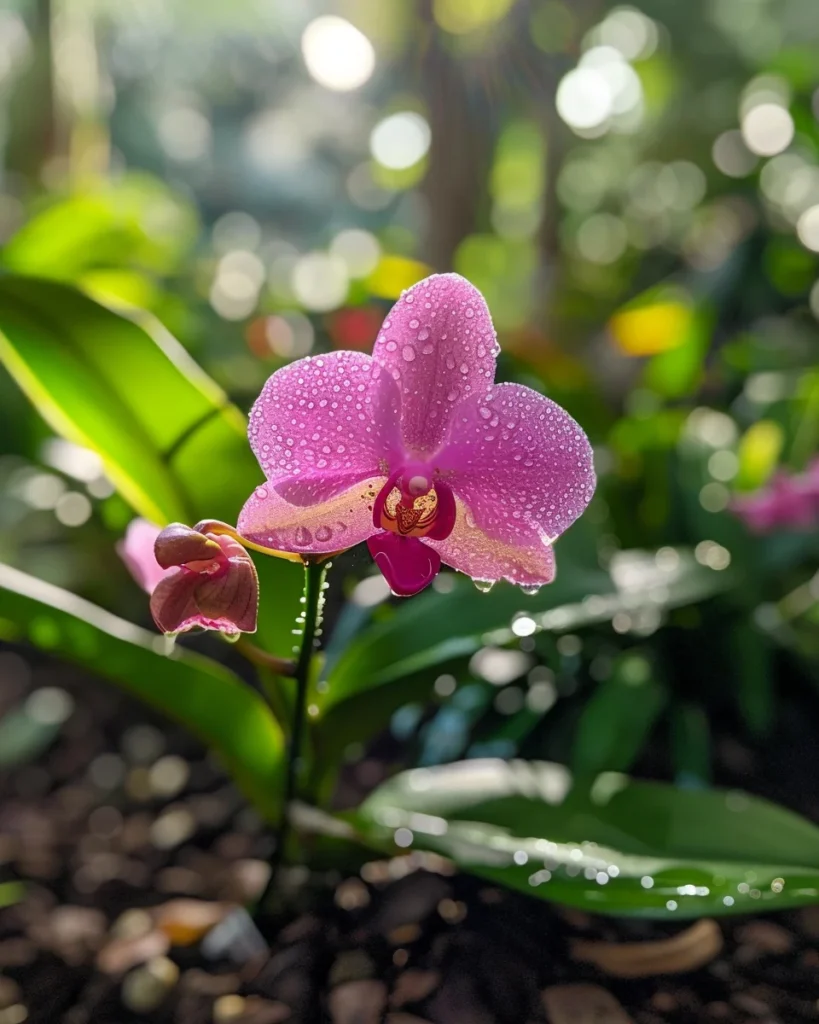
How to Grow Orchids That Keep Blooming for Years: Expert Care Tips & Best Varieties
Intro for Orchids That Keep Blooming for Years
Orchids are often considered challenging houseplants, but with the right care, they can reward you with spectacular blooms year after year. These exotic beauties aren’t just temporary decorations—they’re long-term companions that can flower repeatedly for decades when properly maintained. Unlike many flowering houseplants, orchids have specialized needs that, once understood, are surprisingly straightforward to meet. Whether you’re a beginner or experienced plant enthusiast, mastering a few key techniques can transform your orchids from short-lived gifts into perennial showstoppers that bring tropical elegance to your home for years to come.
When to plant Orchids That Keep Blooming for Years
Orchids can be purchased and potted year-round as indoor plants, but timing matters for optimal establishment. In temperate regions, late winter to early spring (February to April) is ideal for repotting or mounting new orchids, as this aligns with their natural growth cycle. Avoid repotting during blooming periods, as this stresses the plant. Temperature consistency is crucial—maintain indoor temperatures between 18-24°C (65-75°F) during the day and no lower than 15°C (60°F) at night. Most orchid varieties prefer high humidity (50-70%) but good air circulation to prevent fungal issues.
Best time to plant Orchids That Keep Blooming for Years
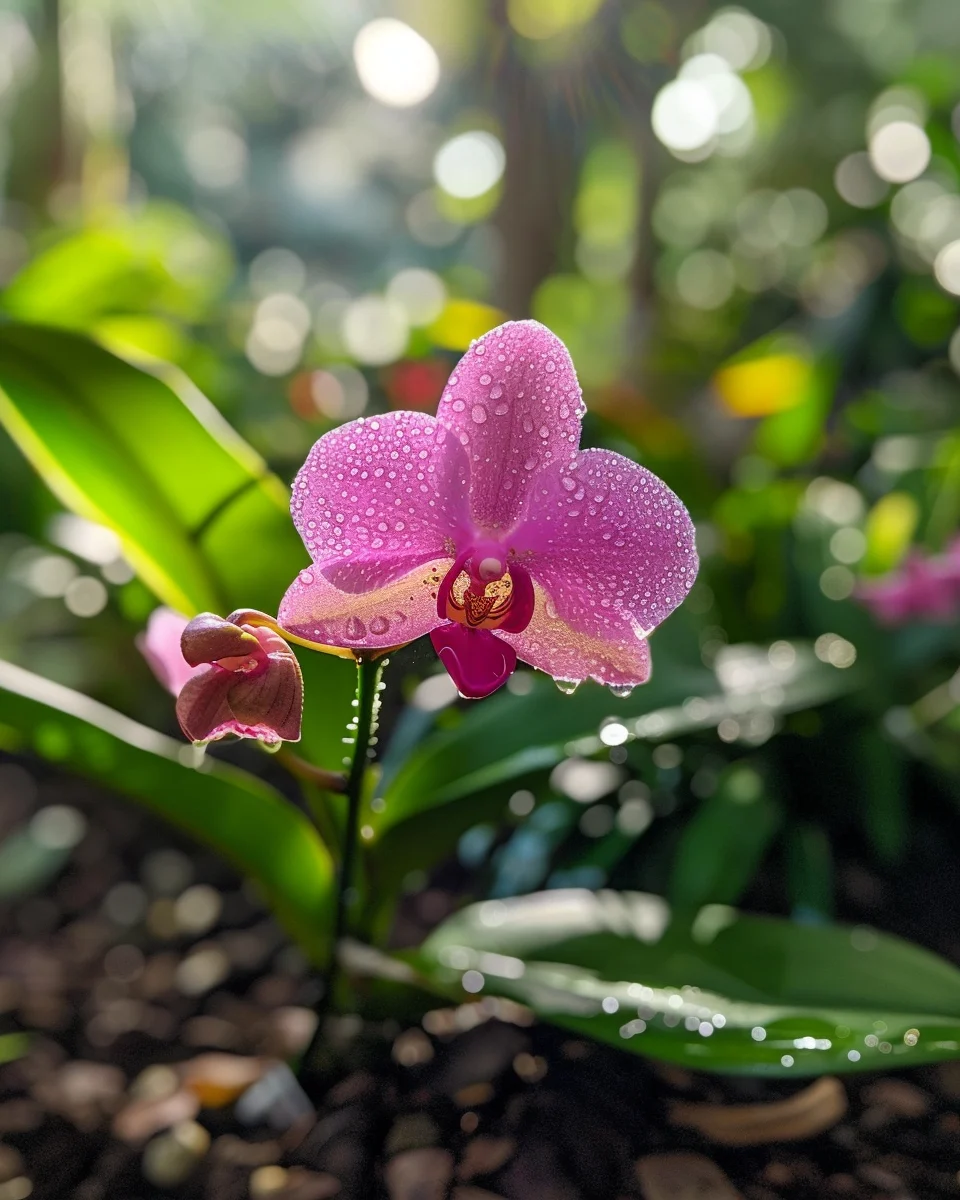
For most temperate climates, the optimal window for repotting orchids is 2-3 weeks after they’ve finished flowering, typically in spring. This timing allows the plant to establish new roots before the next blooming cycle. In warmer regions, you can repot year-round, but avoid summer’s extreme heat. For cooler climates, stick strictly to spring repotting. Most commercially available orchids are already established in pots, so “planting” typically refers to repotting into fresh medium rather than starting from seeds, which is a specialized process best left to experienced growers.
Best Orchids That Keep Blooming for Years varieties to grow
- Phalaenopsis (Moth Orchid) – Ideal for beginners with long-lasting blooms (2-3 months) and the ability to rebloom 2-3 times yearly with proper care.
- Dendrobium Nobile – Produces abundant flowers on upright canes and can bloom for decades when given proper winter rest periods.
- Oncidium (Dancing Lady) – Features sprays of small, butterfly-like flowers and adapts well to normal home conditions.
- Paphiopedilum (Lady’s Slipper) – Produces unique pouch-like flowers that last 6-8 weeks and tolerates lower light conditions.
- Cattleya – Known for large, fragrant flowers and can bloom 1-2 times yearly for decades when given bright light.
- Cymbidium – Produces multiple flower spikes with 15-30 blooms each and thrives with cool night temperatures.
- Ludisia discolor (Jewel Orchid) – Valued for stunning velvety foliage with silver veining and produces small white flowers in winter.
How to plant Orchids That Keep Blooming for Years
Materials needed:
- Orchid-specific potting medium (bark mix, sphagnum moss, or specialized orchid mix)
- Clear plastic pot with drainage holes
- Decorative outer pot (optional)
- Sterilized scissors or pruning shears
- Wooden stakes and plant clips (for support)
- Gloves (optional)
- Hydrogen peroxide solution (3%, diluted 1:3 with water)
Step-by-step planting:
- Wait until your orchid has finished flowering completely before repotting.
- Water the orchid the day before repotting to make the roots more flexible.
- Gently remove the orchid from its current pot, being careful not to damage the roots.
- Inspect roots carefully—trim away any dead, mushy, or black roots with sterilized scissors.
- Rinse remaining healthy roots with the diluted hydrogen peroxide solution to kill any pathogens.
- Place a layer of fresh orchid medium in the bottom of the new pot.
- Position the orchid in the center of the pot with the base of the leaves sitting just at or slightly above the rim.
- Fill in around the roots with fresh medium, gently pressing to secure the plant without compacting too firmly.
- Insert a stake for support if the plant is top-heavy, securing with plant clips.
- Wait 7-10 days before the first watering to allow any damaged roots to heal.
How to grow Orchids That Keep Blooming for Years
Sunlight requirements vary by orchid type, but most popular varieties like Phalaenopsis need bright, indirect light—an east or north-facing window is ideal. Avoid direct sunlight which can burn leaves. Water thoroughly only when the potting medium is nearly dry (typically every 7-10 days), allowing water to drain completely. Never let orchids sit in standing water.
Fertilize weekly with a balanced orchid fertilizer at quarter-strength during active growth, and monthly during dormancy. Maintain humidity around 50-70% using humidity trays, grouping plants, or a small humidifier. Most orchids benefit from a temperature drop of 10-15°F (5-8°C) at night to trigger blooming.
For container growing, always use pots with ample drainage holes. Clear plastic pots are beneficial as they allow you to monitor root health and moisture levels. Place these inside decorative pots for aesthetics. Repot every 2-3 years or when the medium breaks down, choosing a container only slightly larger than the root mass.
Caring for Orchids That Keep Blooming for Years
Ongoing care includes weekly inspection for pests like scale insects and mealybugs. If detected, isolate the plant immediately and treat with insecticidal soap or neem oil. Watch for yellow leaves (often normal aging but can indicate overwatering) and brown leaf tips (typically low humidity).
Root rot, a common disease, presents as mushy, brown roots and is treated by repotting in fresh medium after trimming affected areas. Black spots on leaves usually indicate fungal infection—improve air circulation and treat with fungicide if necessary.
After flowering, cut the flower spike just above the node where it emerged if it’s still green (for potential reblooming), or at the base if it’s turning brown. To encourage new blooms, provide a temperature differential between day and night of about 10-15°F (5-8°C) for several weeks.
Store unused potting medium in a dry, sealed container to prevent pest infestation and maintain freshness.
Understanding bolting in Orchids That Keep Blooming for Years
Unlike vegetables, orchids don’t bolt in the traditional sense. However, they do experience stress responses that can affect blooming. Environmental stress from extreme temperature fluctuations, inadequate light, or improper watering can cause premature flower drop or failure to bloom.
Orchids operate on seasonal cycles, with most requiring a rest period after flowering. Phalaenopsis orchids, for example, often initiate flower spikes when exposed to cooler nighttime temperatures (55-60°F/13-15°C) for several weeks. Without this temperature differential, they may remain vegetative without producing flowers.
If your orchid stops blooming, assess its growing conditions—particularly light levels, temperature variation, and fertilization schedule. Sometimes, a plant needs to build energy reserves before it can flower again, especially after dividing or repotting.
Why does Orchid flowering decline over time?
- Insufficient light: Gradually increase light exposure, avoiding direct sun that can burn leaves.
- Improper watering: Allow medium to nearly dry between waterings; never let roots sit in water.
- Depleted growing medium: Repot every 2-3 years in fresh orchid-specific medium.
- Lack of temperature variation: Provide 10-15°F cooler nights for several weeks to trigger blooming.
- Nutrient deficiency: Use balanced orchid fertilizer weekly at quarter strength (“weekly, weakly”).
Companion planting for Orchids That Keep Blooming for Years
While orchids are typically grown as standalone specimens, creating beneficial plant groupings can improve their growing environment:
Good companions:
- Ferns – Increase ambient humidity and thrive in similar light conditions
- Bromeliads – Share similar care requirements and create a tropical display
- African Violets – Enjoy similar light and humidity levels
- Peace Lilies – Help increase humidity and indicate when water is needed
- Spider Plants – Tolerate similar conditions and help purify air
Avoid placing near:
- Cacti and succulents – Require drastically different watering regimens
- Fruit-ripening plants – Produce ethylene gas which can cause premature flower drop
Seasonal calendar
- January-February: Reduced watering; watch for flower spikes on Phalaenopsis
- March-April: Increase watering and fertilizing as growth resumes; repot after blooming
- May-June: Peak growth period; weekly fertilizing; provide good air circulation
- July-August: Monitor for heat stress; increase humidity; move from hot windows
- September-October: Begin reducing fertilizer; prepare Cymbidiums for cool nights
- November-December: Reduce watering; provide cooler nights (55-60°F/13-15°C) to initiate blooming in many varieties
For warmer regions: Extend growth period but ensure adequate cooling for varieties that need temperature drops to bloom.
For cooler regions: Protect from cold drafts and provide supplemental lighting during short winter days.
Problems & solutions
| Problem | Quick Fix |
|---|---|
| Yellow leaves | Normal if older leaves; if newer leaves, check for overwatering and reduce frequency |
| Wrinkled leaves | Indicates dehydration; soak roots thoroughly and increase humidity |
| Flower buds dropping | Stabilize environment; avoid temperature fluctuations and drafts |
| Black spots on leaves | Improve air circulation; treat with fungicide; avoid water on leaves |
| White fuzzy spots (mealybugs) | Isolate plant; remove with alcohol-dipped cotton swab; treat with insecticidal soap |
| Roots growing out of pot | Normal for epiphytic orchids; only repot when medium breaks down |
| No blooms for over a year | Provide cooler nights (55-60°F/13-15°C) for 2-4 weeks; increase light exposure |
Common questions about growing Orchids That Keep Blooming for Years
How often should I water my orchid?
Water only when the potting medium is nearly dry—typically every 7-10 days for bark-based media and 10-14 days for moss. Always check by weight or by inserting a wooden skewer that comes out dry.
Can orchids grow under artificial light?
Yes, orchids can thrive under LED grow lights or fluorescent fixtures. Position lights 12-18 inches (30-45 cm) above plants and provide 12-14 hours of light daily.
What size pot does an orchid need?
Choose pots only slightly larger than the root mass—typically 4-6 inches (10-15 cm) for standard Phalaenopsis. Oversized pots retain excess moisture and lead to root rot.
How do I know when to repot my orchid?
Repot when the medium breaks down (usually every 2-3 years), when roots are overflowing, or if the plant becomes unstable. Always repot after, not during, flowering.
Why won’t my orchid rebloom?
Most orchids need a temperature drop of 10-15°F (5-8°C) at night for several weeks to initiate blooming. Insufficient light, improper fertilization, or lack of a rest period can also prevent reblooming.
Can I use regular potting soil for orchids?
No, regular potting soil will suffocate orchid roots. Use only specialized orchid media like bark mix, sphagnum moss, or commercial orchid mix that provides airflow to roots.
How long can orchids live?
With proper care, many orchids can live for decades—some specimens in collections have survived for over 100 years, reblooming annually when their specific needs are met.