

How to Grow Bigger, Bushier Pepper Plants: Topping Technique for Maximum Yields
Intro for Bigger Bushier Pepper Plants
Pepper plants naturally tend to grow tall and lanky, often producing fewer fruits than their potential allows. However, a simple pruning technique called “topping” can transform your pepper plants into robust, bushy powerhouses that yield significantly more fruit. By removing the main growing tip when plants are young, you encourage lateral branching, creating a stronger structure that supports more peppers. This method works for all pepper varieties, from sweet bells to fiery habaneros, and is especially effective in temperate regions where maximizing the growing season is crucial. With minimal effort and just a pair of clean scissors, you can dramatically improve your pepper harvest this season.
When to plant Pepper Plants
Pepper plants are warm-season crops that thrive when soil temperatures reach at least 18-21°C (65-70°F). They’re extremely frost-sensitive, so in most temperate regions, wait until all danger of frost has passed before planting outdoors. For most areas, this means waiting until 2-3 weeks after your last spring frost date. Soil temperature is crucial—cold soil will stunt pepper growth even if air temperatures are warm. If you’re in USDA zones 8-11 or UK mild temperate regions, you can plant earlier, while those in cooler zones (below USDA 7) should wait longer or provide protection like cloches or row covers.
Best time to plant Pepper Plants
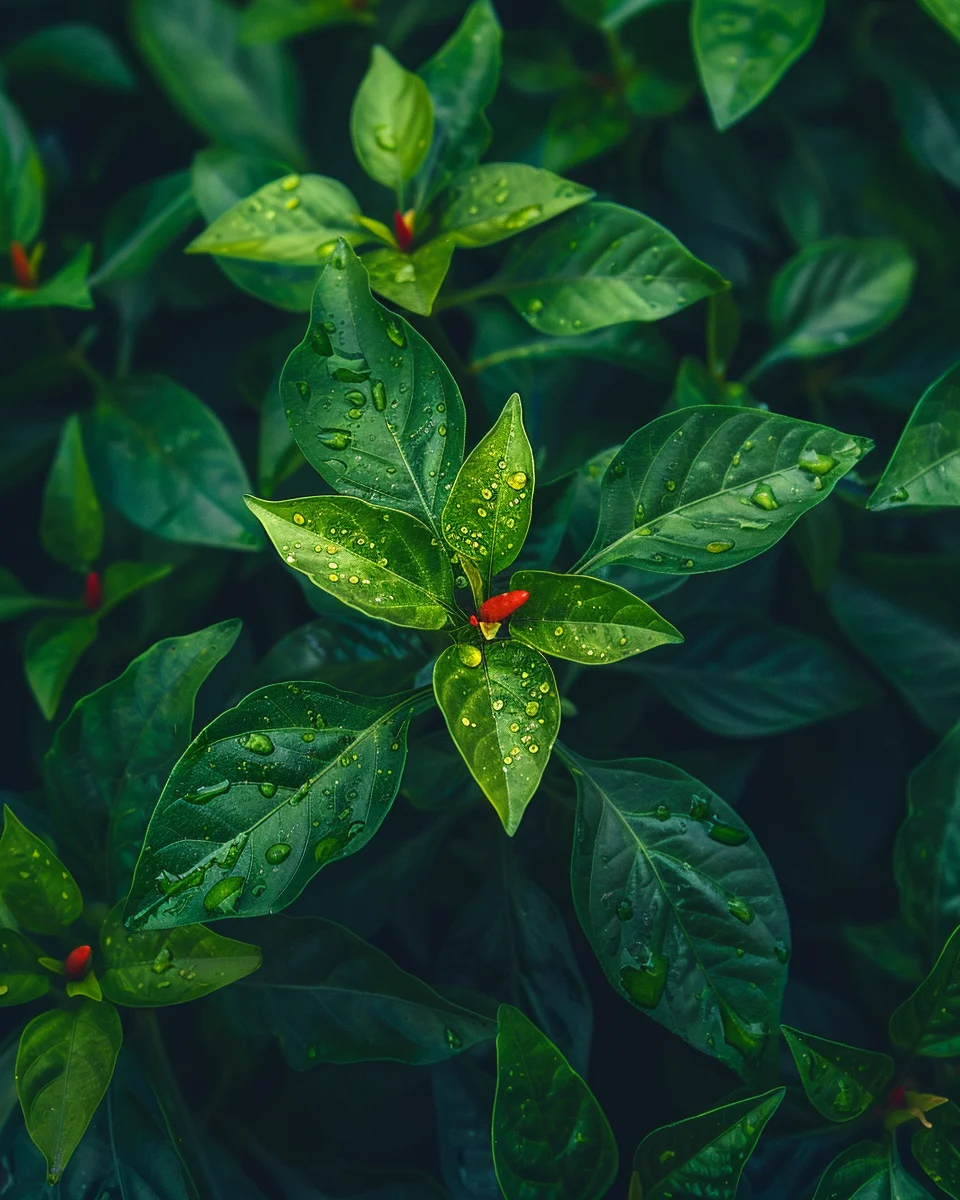
In cool temperate regions (USDA zones 3-6), start pepper seeds indoors 8-10 weeks before your last frost date, typically January to March. Transplant outdoors in late May to early June. In warm temperate regions (USDA zones 7-9, UK mild areas), start seeds indoors in February to March and transplant in April to May. Mediterranean and subtropical regions (USDA zones 10-11) can direct sow in March or transplant as early as February. For all regions, the ideal transplanting window is when nighttime temperatures consistently stay above 12°C (55°F), as cooler nights will slow growth significantly.
Best Pepper Plant varieties to grow
• Bell Boy – Prolific producer of thick-walled sweet peppers that responds exceptionally well to topping
• Jalapeño Early – Earlier than standard jalapeños and develops excellent branching when topped
• Hungarian Wax – Medium-hot pepper that becomes remarkably bushy after topping, perfect for containers
• California Wonder – Classic sweet bell pepper that produces significantly more fruit when topped early
• Thai Dragon – Compact hot pepper that becomes incredibly productive with multiple branches after topping
• Banana Sweet – Long yellow peppers that benefit from stronger stems after topping to support heavy fruit loads
• Habanero – Extremely hot variety that produces double the peppers when properly topped and given enough time to mature
• Shishito – Popular Japanese frying pepper that develops a beautiful bush form when topped early
How to plant Pepper Plants
Materials list:
– Healthy pepper seedlings (6-8 inches tall with 4-6 true leaves)
– Garden soil amended with compost
– Organic fertilizer (balanced NPK or slightly higher in phosphorus)
– Clean, sharp scissors or pruning shears
– Garden gloves
– Watering can or hose with gentle spray attachment
– Mulch (straw, compost, or leaf mold)
– Plant labels
Step-by-step:
1. Choose a sunny location with at least 6-8 hours of direct sunlight daily.
2. Prepare soil by incorporating 2-3 inches of compost and a light application of balanced organic fertilizer.
3. Dig holes approximately 45-60 cm (18-24 inches) apart in rows spaced 60-75 cm (24-30 inches) apart.
4. Remove seedlings carefully from containers, disturbing roots minimally.
5. Plant at the same depth as they were growing in their containers—never deeper.
6. Water thoroughly after planting, ensuring soil is moist but not waterlogged.
7. Apply 5-7 cm (2-3 inches) of mulch around plants, keeping it away from stems.
8. Wait until plants establish (about 2-3 weeks) before performing the topping procedure.
9. Using clean scissors, cut the main stem just above the fourth or fifth true leaf node.
10. Label varieties and record the date of topping to track results.
How to grow Pepper Plants
Pepper plants thrive in full sun, requiring a minimum of 6 hours of direct sunlight daily, though 8+ hours is ideal for maximum production. Water deeply but infrequently, allowing the top inch of soil to dry between waterings—typically 2-3 times weekly depending on weather conditions. After topping, plants will need consistent moisture as they develop new branches. Fertilize lightly every 3-4 weeks with a balanced organic fertilizer, switching to one higher in phosphorus and potassium (like 5-10-10) once flowering begins. Mulch is essential for moisture retention and weed suppression. After topping, multiple branches will emerge within 1-2 weeks; no additional pruning is necessary, though removing the lowest branches that touch the soil can prevent disease. For container growing, use minimum 5-gallon (19-liter) pots, one plant per container, and water more frequently as containers dry out faster than ground soil.
Caring for Pepper Plants
Monitor plants weekly for signs of nutrient deficiencies—yellowing leaves often indicate nitrogen deficiency while purple-tinged leaves suggest phosphorus shortage. Common pests include aphids, which can be controlled with a strong water spray or insecticidal soap, and pepper weevils, manageable through crop rotation and row covers. Watch for bacterial spot (water-soaked lesions on leaves) and treat by removing affected foliage and avoiding overhead watering. Topped pepper plants typically produce fruit 2-3 weeks later than non-topped plants but yield significantly more. Harvest sweet peppers when they reach full size and desired color; hot peppers can be picked green or allowed to ripen to red, orange, or yellow for maximum heat and flavor. Store harvested peppers in the refrigerator crisper drawer for up to two weeks, or freeze, dry, or pickle for longer preservation.
Understanding bolting in Pepper Plants
Unlike leafy greens, pepper plants don’t truly “bolt” in the traditional sense. However, they can experience premature flowering and fruit set when stressed, resulting in smaller plants with reduced yields—essentially defeating the purpose of topping. This stress response is typically triggered by temperature extremes (below 10°C/50°F or above 35°C/95°F), drought conditions, or transplant shock. To prevent stress-induced early fruiting, maintain consistent watering, protect young plants from temperature extremes, and ensure proper hardening off before transplanting. If your topped pepper plant begins flowering too early (before developing sufficient branching), you can remove the first round of flowers to encourage more vegetative growth before allowing fruit production.
Why does Pepper Plant growth stunt after topping?
• Topping too late: Cut only when plants have 4-6 true leaves; older plants recover more slowly
• Cutting too low: Always leave at least 4 nodes (sets of leaves) on the main stem
• Disease introduction: Use clean, sterilized tools to prevent infection at cut site
• Insufficient nutrients: Apply balanced fertilizer after topping to support new growth
• Environmental stress: Maintain consistent moisture and temperature after topping
Companion planting for Pepper Plants
Good companions for topped pepper plants include basil, which repels flies and mosquitoes while improving flavor; marigolds, which deter nematodes and other soil pests; onions and garlic, which confuse pepper pests with their strong scent; carrots, which use space efficiently by growing below while peppers grow above; and nasturtiums, which act as trap crops for aphids. Avoid planting topped peppers near fennel, which inhibits growth of many plants; brassicas like broccoli and cabbage, which compete for nutrients; and beans, which may not grow well with the same fertilizer regimen peppers prefer after topping.
Seasonal calendar
• January-February: Start seeds indoors (warm regions); prepare growing area
• March-April: Start seeds indoors (cool regions); transplant outdoors (warm regions)
• May: Transplant outdoors (cool regions); perform topping when plants have 4-6 true leaves
• June: Continue topping late-planted peppers; monitor for pests and diseases
• July: First flowers appear on topped plants; switch to bloom-boosting fertilizer
• August-September: Main harvest period; continue regular watering and feeding
• October-November: Final harvests; prepare to save seeds from best producers
• December: Plan varieties for next season based on topping results
Problems & solutions
Problem | Quick Fix
— | —
No branching after topping | Ensure adequate nitrogen and sunlight; may need to top higher on stem
Yellow leaves | Apply balanced fertilizer; check for overwatering
Flowers dropping | Improve pollination with light plant shaking; maintain temperatures between 21-29°C (70-85°F)
Sunscald on fruits | Maintain foliage cover; use shade cloth during extreme heat
Stunted growth | Check soil pH (ideal: 6.0-6.8); improve drainage; increase feeding
Cracked fruits | Maintain consistent watering schedule, especially during fruit development
Curling leaves | Check for aphids underneath; treat with insecticidal soap if present
Common questions about growing Pepper Plants
When exactly should I top my pepper plants?
Top pepper plants when they have 4-6 true leaves and are about 15-20 cm (6-8 inches) tall, typically 3-4 weeks after transplanting outdoors or 6-8 weeks after seed germination.
Will topping delay my harvest?
Yes, topped plants typically produce fruit 2-3 weeks later than non-topped plants, but the total yield is usually 30-50% higher, making the slight delay worthwhile.
Can I top all types of pepper plants?
Yes, this technique works for all pepper varieties, though extremely compact varieties bred specifically for containers may benefit less than standard varieties.
How much should I cut off when topping?
Remove only the growing tip above the fourth or fifth node (set of true leaves), cutting about 1 cm (1/2 inch) above the node with clean scissors or pruning shears.
Can I top my pepper plants more than once?
While possible, a single topping is usually sufficient. Multiple toppings significantly delay fruiting and are only recommended in regions with very long growing seasons.
Do topped pepper plants need more fertilizer?
Yes, topped plants develop more foliage and fruits, requiring slightly more frequent feeding—every 3 weeks instead of monthly with a balanced organic fertilizer.
Can I save seeds from topped pepper plants?
Absolutely! Topping doesn’t affect seed viability or genetics. In fact, seeds from your best-performing topped plants may produce offspring well-suited to your specific growing conditions.