
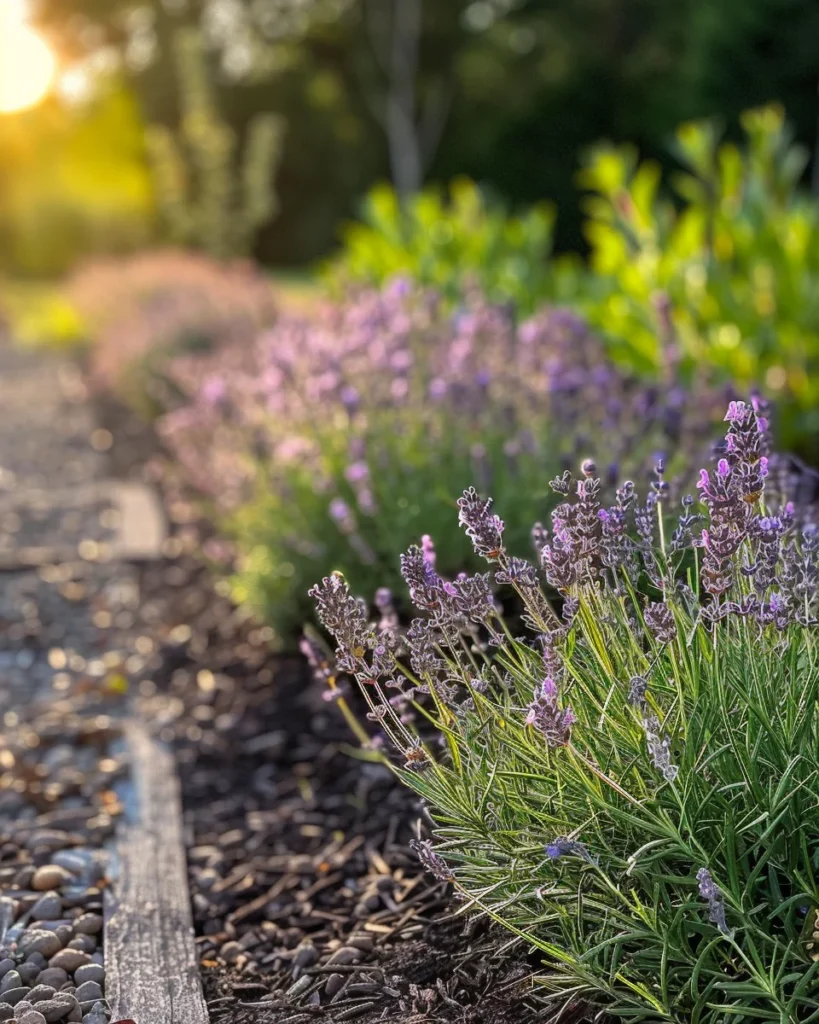
Why Lavender Hedges Belong in Every Garden: Creating Beauty, Fragrance, and Wildlife Habitat
Intro for Why Lavender Hedges Belong in Every Garden
Lavender hedges combine beauty, fragrance, and functionality in a way few other plants can match. These aromatic, drought-tolerant perennials create stunning borders with their silvery foliage and purple blooms while attracting beneficial pollinators to your garden. Lavender hedges thrive in sunny locations with well-draining soil and require minimal maintenance once established. Beyond their ornamental value, they offer practical benefits including natural pest deterrence, cut flowers for arrangements, and herbs for culinary and medicinal uses. Perfect for Mediterranean and temperate climates (USDA zones 5-9), lavender hedges can transform ordinary garden spaces into fragrant, wildlife-friendly havens that delight the senses year after year.
When to plant Why Lavender Hedges Belong in Every Garden
Lavender hedges should be planted when soil temperatures have warmed to at least 15°C (60°F). In temperate regions, spring planting (after the last frost) gives plants time to establish before summer heat, while fall planting (at least 8 weeks before first frost) allows root development before winter dormancy. Mediterranean climate gardeners enjoy a wider planting window, from early spring through mid-autumn. Avoid planting during extreme heat or when frost is imminent. Lavender prefers soil that has warmed sufficiently but isn’t excessively hot, as young plants need time to develop strong root systems before facing seasonal extremes.
Best time to plant Why Lavender Hedges Belong in Every Garden
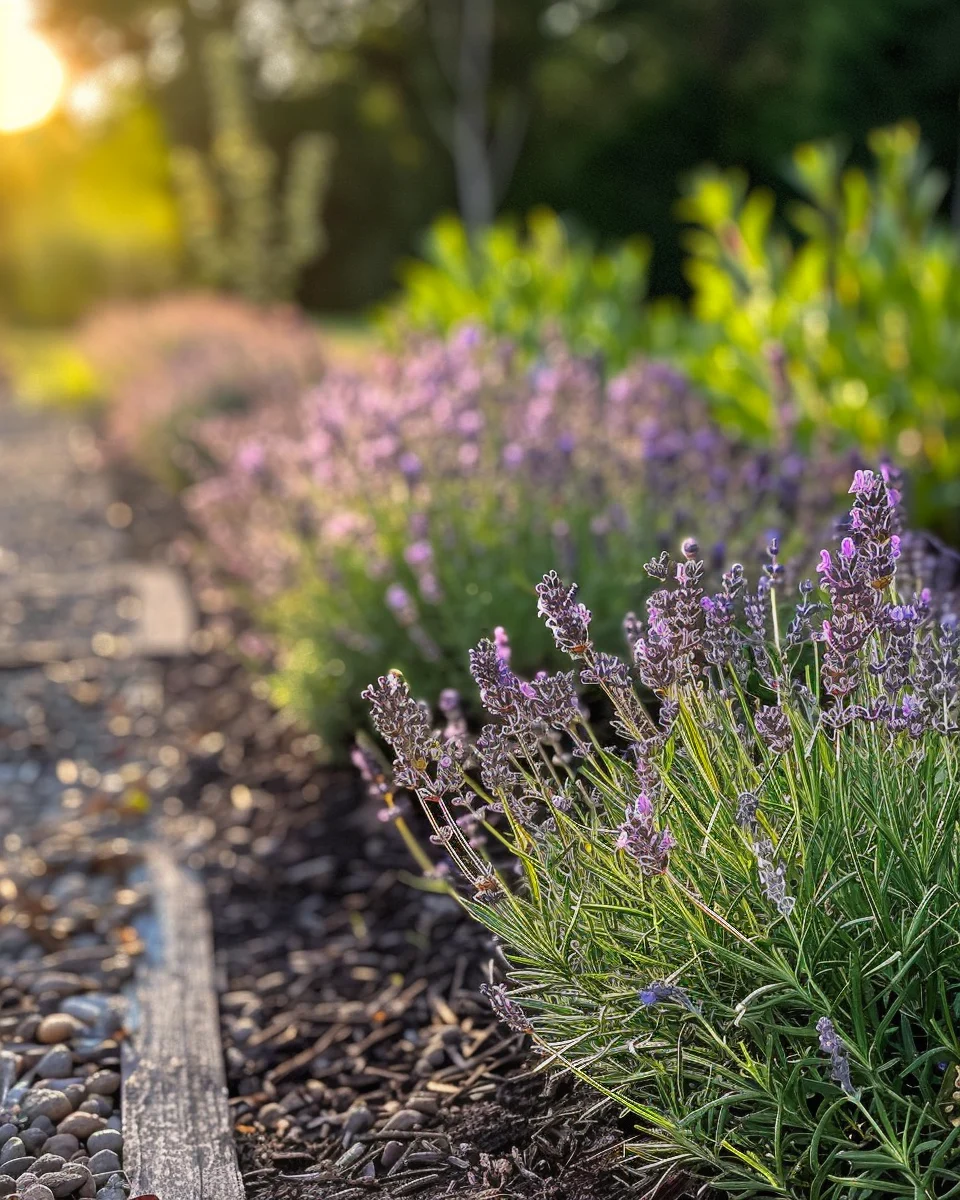
For cool temperate regions (UK, Northern US, zones 5-6), plant lavender hedges from mid-April through May or in September. Warm temperate regions (Southern US, zones 7-9) benefit from March-April or September-October planting. Mediterranean climate gardeners can plant from February through April or September through November. Container-grown lavender can be transplanted throughout the growing season if properly hardened off and given extra attention to watering during establishment. For direct sowing (rarely done with lavender), wait until soil temperatures reach 18-21°C (65-70°F) in spring, though purchasing established plants typically yields better hedge results.
Best Why Lavender Hedges Belong in Every Garden varieties to grow
- Lavandula angustifolia ‘Hidcote’ – Compact growth habit (40-50cm/16-20in) makes it perfect for low, formal hedges with intense purple blooms.
- Lavandula x intermedia ‘Grosso’ – Vigorous grower with exceptional fragrance, ideal for taller hedges (70-90cm/28-36in) and cut flower production.
- Lavandula angustifolia ‘Munstead’ – Earlier blooming with better cold tolerance (to zone 4), excellent for northern gardens.
- Lavandula stoechas ‘Anouk’ – Distinctive “rabbit ear” flowers that bloom earlier and longer than English varieties, perfect for Mediterranean gardens.
- Lavandula x intermedia ‘Phenomenal’ – Outstanding heat and humidity tolerance with disease resistance, suitable for challenging climates.
- Lavandula angustifolia ‘Thumbelina Leigh’ – Ultra-compact (30cm/12in) variety perfect for container hedges and small spaces.
- Lavandula x chaytorae ‘Richard Gray’ – Striking silver foliage creates dramatic hedge lines even when not in bloom.
How to plant Why Lavender Hedges Belong in Every Garden
Materials needed:
- Lavender plants (15-30cm/6-12in tall)
- Compost or well-rotted manure
- Coarse sand or grit
- Garden spade and fork
- Garden line or string
- Measuring tape
- Watering can or hose with gentle spray attachment
- Mulch (gravel or pebbles preferred)
Step-by-step planting:
- Select a site receiving at least 6-8 hours of direct sunlight daily with excellent drainage.
- Mark your hedge line using garden string, ensuring it’s straight or follows your desired contour.
- Dig a trench 30-40cm (12-16in) wide and 30cm (12in) deep along the marked line.
- Improve heavy soil by mixing in coarse sand or grit (30% by volume) to enhance drainage.
- Add a 5cm (2in) layer of compost to the trench bottom, mixing lightly with existing soil.
- Space plants according to variety size: 30-40cm (12-16in) for compact varieties, 40-60cm (16-24in) for larger types.
- Set plants at the same depth they were in their containers, ensuring crown sits slightly above soil level.
- Backfill around roots, firming gently to eliminate air pockets without compacting soil.
- Water thoroughly but gently at the base of each plant, avoiding wetting foliage.
- Apply a 5cm (2in) layer of gravel or pebble mulch around plants, keeping it away from stems.
How to grow Why Lavender Hedges Belong in Every Garden
Lavender hedges require full sun (minimum 6 hours daily) to thrive and develop their best fragrance and flower production. Water newly planted hedges weekly for the first month, then reduce to every 2-3 weeks during dry periods. Once established (after first year), lavender hedges are drought-tolerant and prefer drying out between waterings. Avoid overhead irrigation which can promote fungal diseases.
Fertilizing should be minimal—a light application of balanced, slow-release organic fertilizer in early spring is sufficient. Excessive nitrogen promotes leggy growth and reduces flowering. Apply a 5cm (2in) layer of gravel, crushed stone, or pebble mulch to suppress weeds and reflect heat onto the plants.
Prune lavender hedges twice yearly: lightly after first flowering to encourage a second flush, and more substantially in late summer/early fall, removing about one-third of growth but never cutting into woody stems. For container-grown lavender hedges, use terracotta pots with excellent drainage holes, a cactus/succulent potting mix, and water only when the top 5cm (2in) of soil is dry.
Caring for Why Lavender Hedges Belong in Every Garden
Maintain lavender hedges with annual top-dressing of compost in spring, keeping the crown clear. Monitor for signs of root rot (wilting despite moist soil) which indicates drainage issues requiring immediate attention. Watch for spittlebugs (frothy white substance on stems) which can be dislodged with a strong water spray. Prevent lavender beetle damage (chewed leaves and flowers) by encouraging beneficial insects with companion planting.
Harvest lavender flowers for drying just as they begin to open, cutting stems in the morning after dew has dried. Bundle 15-20 stems together and hang upside down in a dark, dry location with good air circulation. For culinary use, harvest younger flowers with more intense fragrance and flavor.
To rejuvenate aging hedges (3-5 years old), prune back by one-third after flowering, never cutting into woody stems. Replace plants showing significant woody growth and sparse flowering (typically after 8-10 years) to maintain hedge appearance and vigor.
Understanding bolting in Why Lavender Hedges Belong in Every Garden
Unlike annual herbs, lavender doesn’t technically “bolt” as it’s a flowering perennial designed to bloom annually. However, lavender can experience premature or excessive flowering in response to stress conditions, which depletes plant energy and reduces hedge density. This stress-flowering can be triggered by extended drought, extreme temperature fluctuations, or poor soil conditions.
To prevent stress-induced excessive flowering, maintain consistent watering during establishment, avoid fertilizers high in nitrogen, and ensure proper spacing for air circulation. If lavender plants flower too early in the season, perform a light pruning to remove flower stems, encouraging bushier growth and potentially a second, more controlled bloom period.
Regular, appropriate pruning helps maintain the balance between vegetative growth and flowering, ensuring your lavender hedge remains dense and attractive. Unlike bolting vegetables, flowering in lavender is desirable—the goal is simply to manage timing and energy allocation within the plants.
Why does Why Lavender Hedges Belong in Every Garden turn bitter?
Lavender doesn’t typically “turn bitter” like leafy vegetables, but the quality of its fragrance and flavor can deteriorate for several reasons:
- Improper harvest timing – Flowers harvested too late (fully open or beginning to fade) develop stronger, less pleasant camphor notes.
- Excessive heat and drought – Severe stress can alter essential oil composition, creating harsher aromatic profiles.
- Poor soil conditions – Overly rich or nitrogen-heavy soils produce lush foliage but inferior flower quality and fragrance.
- Incorrect variety selection – Some lavender types (particularly Lavandula stoechas) naturally contain higher levels of camphor compounds, making them less suitable for culinary use.
- Age of plants – Older, woody lavender plants (5+ years) often produce less desirable aromatic compounds compared to younger plants.
Companion planting for Why Lavender Hedges Belong in Every Garden
Beneficial companions:
- Roses – Lavender deters aphids that commonly attack roses while providing contrasting texture and complementary colors.
- Mediterranean herbs (rosemary, sage, thyme) – Share similar growing requirements while creating diverse habitat for beneficial insects.
- Echinacea/Coneflowers – Extend the pollinator season beyond lavender’s bloom period while thriving in similar conditions.
- Ornamental grasses – Create structural contrast with lavender while tolerating the same dry conditions.
- Drought-tolerant bulbs (alliums, tulips) – Provide early season interest before lavender blooms and benefit from the same well-drained soil.
Plants to avoid near lavender:
- Water-loving plants (hostas, astilbes, ferns) – Their irrigation needs conflict with lavender’s drought tolerance.
- Heavy feeders (vegetables, dahlias) – Compete for resources and require fertilizer levels that harm lavender.
- Plants with spreading habits (mint, aggressive groundcovers) – Can overwhelm and compete with lavender’s more measured growth.
Seasonal calendar
Early Spring (March-April):
- Remove winter protection if applicable
- Prune away any winter-damaged growth
- Apply light organic fertilizer if needed
- Plant new lavender hedges
Late Spring (May-June):
- Monitor for pest issues as growth accelerates
- Weed carefully around hedge base
- Prepare for first bloom cycle
Early Summer (June-July):
- Harvest first flush of flowers for drying
- Light pruning after first bloom (remove spent flowers)
- Water during extended dry periods
Late Summer (August-September):
- Harvest second flush of flowers if applicable
- Major pruning session (reduce by one-third)
- Plant new hedges in warmer regions
Fall (October-November):
- Reduce watering as dormancy approaches
- Remove any fallen debris from hedge base
- Apply gravel mulch if needed
Winter (December-February):
- Provide protection in zones 5-6 (evergreen boughs or breathable fabric)
- Avoid winter pruning
- Plan for spring additions or replacements
Problems & solutions
| Problem | Quick Fix |
|---|---|
| Leggy, sparse growth | Increase sunlight exposure; prune more regularly to encourage bushiness; check for excessive nitrogen |
| Few or no flowers | Ensure full sun (6+ hours daily); avoid over-fertilizing; prune correctly (never into woody stems) |
| Yellowing foliage | Improve drainage immediately; reduce watering frequency; check for root rot and treat affected plants |
| Winter dieback | Select hardier varieties for cold regions; avoid late-season fertilizing; provide winter protection in zones 5-6 |
| Woody, unproductive center | Rejuvenation pruning after flowering; consider replacing plants older than 8-10 years |
| Powdery mildew (white powder on leaves) | Improve air circulation; avoid overhead watering; apply neem oil solution in severe cases |
| Uneven hedge appearance | Prune to uniform height after flowering; replace underperforming plants; ensure consistent sunlight across hedge |
Common questions about growing Why Lavender Hedges Belong in Every Garden
How often should I water my lavender hedge?
Water newly planted hedges weekly for the first month, then every 2-3 weeks during dry periods. Established hedges (after first year) typically need watering only during prolonged drought. Always let soil dry between waterings.
How much sun do lavender hedges need?
Lavender hedges require at least 6-8 hours of direct sunlight daily. Insufficient sun results in sparse growth, fewer flowers, and increased disease susceptibility. Southern or western exposures are ideal in most regions.
What’s the ideal spacing for a lavender hedge?
Space compact varieties (Hidcote, Munstead) 30-40cm (12-16in) apart; medium varieties 40-50cm (16-20in) apart; and larger varieties (Grosso, Provence) 50-60cm (20-24in) apart. Closer spacing creates denser hedges but may reduce air circulation.
Can lavender hedges grow in containers?
Yes, lavender makes excellent container hedges using terracotta pots at least 30cm (12in) deep with excellent drainage. Use a cactus/succulent potting mix amended with extra grit, and ensure containers have large drainage holes. Container hedges require more frequent watering and winter protection in cold regions.
How do I keep my lavender hedge looking neat and compact?
Prune twice yearly: lightly after first flowering (removing spent blooms) and more substantially in late summer/early fall, removing about one-third of growth but never cutting into woody stems. Maintain a slightly rounded shape rather than flat-topped to prevent water collection and center dieback.
How long will a lavender hedge last?
With proper care, lavender hedges remain attractive for 8-10 years before plants become excessively woody and less productive. Individual plants can be replaced as needed to maintain hedge appearance, or the entire hedge can be rejuvenated by staggered replacement over 2-3 years.
Can I grow lavender hedges in humid climates?
Yes, but select appropriate varieties like ‘Phenomenal’, ‘Grosso’, or ‘Provence’ which show better humidity tolerance. Ensure excellent drainage, provide extra space between plants for air circulation, use gravel mulch, and avoid overhead watering to minimize fungal issues.