
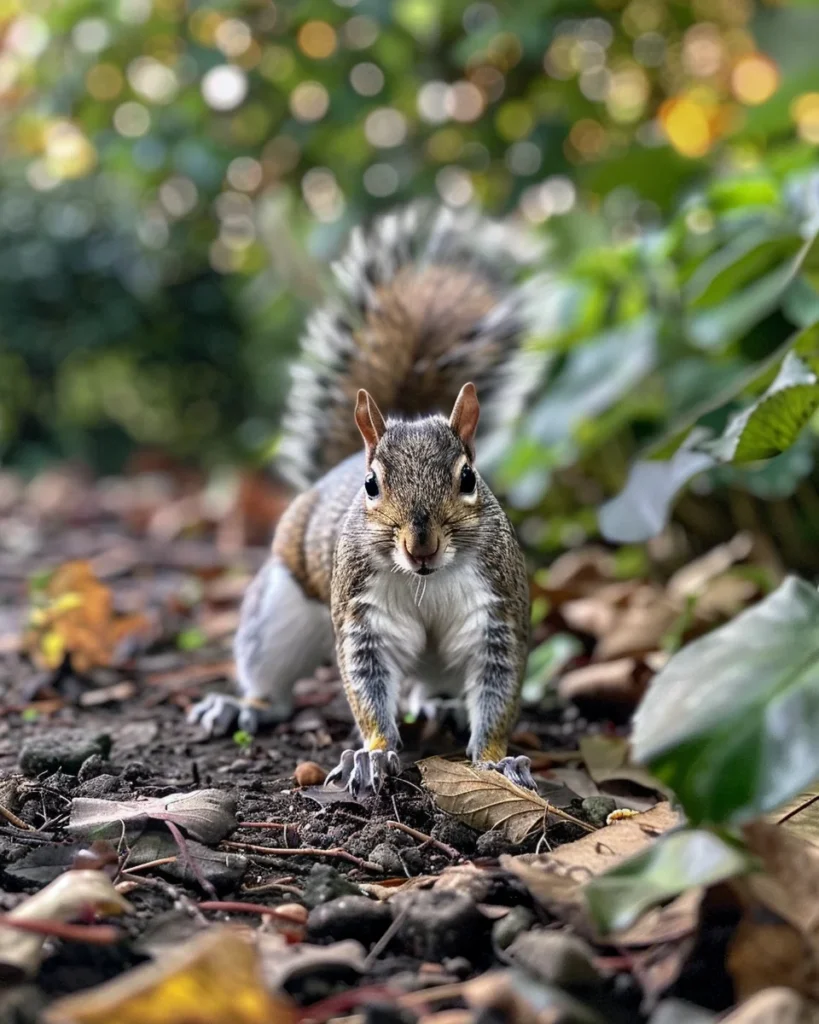
How to Keep Squirrels Away with This Easy Household Trick: Simple, Effective Garden Protection
Intro for Keep Squirrels Away with this Easy Household Trick
Squirrels can be charming wildlife to observe from a distance, but when they start digging up bulbs, stealing fruits, and destroying garden beds, their appeal quickly fades. While commercial repellents exist, many gardeners prefer natural, non-toxic solutions. One surprisingly effective method involves using a common household item: Irish Spring soap. This simple trick creates an olfactory barrier that squirrels find unpleasant, encouraging them to forage elsewhere. The method works in most temperate regions, requires minimal effort, and provides an environmentally friendly alternative to harsh chemicals or complicated deterrents.
When to plant Keep Squirrels Away with this Easy Household Trick
This squirrel deterrent method can be implemented year-round, but it’s most crucial during peak squirrel activity periods. In spring (March-May), when squirrels are particularly active digging up newly planted bulbs and seedlings. Fall (September-November) is another critical time as squirrels begin caching food for winter, often targeting freshly planted bulbs. The soap method works in all temperature ranges and isn’t affected by frost, making it suitable for any season when squirrel activity threatens your garden.
Best time to plant Keep Squirrels Away with this Easy Household Trick
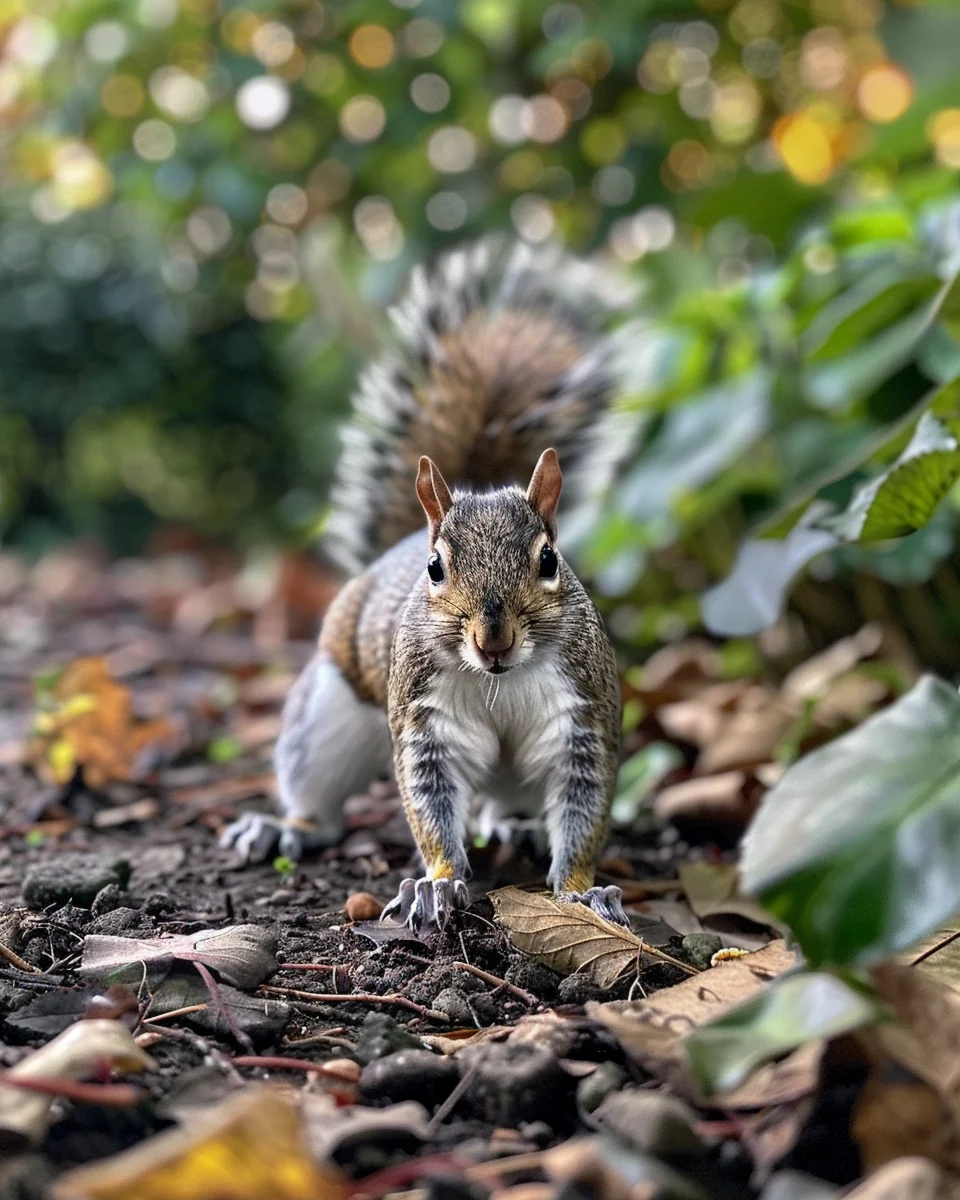
For maximum effectiveness, implement this soap-based deterrent before squirrel damage begins. In cool climate regions (US Zones 3-6), set up your soap barriers in early spring before the first bulbs emerge and again in early fall before planting autumn bulbs. In warmer regions (US Zones 7-10), you may need year-round protection, especially during dry periods when natural food sources become scarce. Refresh your soap deterrent after heavy rain or every 3-4 weeks for continuous protection.
Best Keep Squirrels Away with this Easy Household Trick varieties to grow
While Irish Spring is the most commonly recommended soap for this technique, several variations work effectively:
• Original Irish Spring – The classic choice with a strong scent that squirrels find particularly offensive.
• Irish Spring with Aloe – Provides the same deterrent effect while being gentler on plants nearby.
• Dial Gold – Another strongly scented alternative that many gardeners report success with.
• Fels-Naptha – A laundry soap with a potent smell that creates an effective barrier.
• Zest – Contains citrus oils that add an additional deterrent factor.
• Dr. Bronner’s Peppermint – The strong mint scent provides excellent repelling properties.
• Homemade cayenne soap – DIY option combining soap with cayenne for enhanced effectiveness.
How to plant Keep Squirrels Away with this Easy Household Trick
Materials list:
• Bars of Irish Spring soap (or alternative strongly scented soap)
• Cheese grater or knife
• Small mesh bags or old pantyhose
• Garden stakes or dowels
• String or twist ties
• Small plastic containers (optional)
Step-by-step:
1. Cut each bar of soap into smaller cubes approximately 1 inch (2.5 cm) in size, or grate the soap into shavings.
2. Place soap pieces into small mesh bags, sections of pantyhose, or cheesecloth pouches that allow the scent to disperse.
3. Position the soap pouches around the perimeter of your garden beds, spacing them about 5-8 feet (1.5-2.5 m) apart.
4. Hang pouches from stakes, branches, or garden structures at a height of 1-2 feet (30-60 cm) above ground.
5. For bulb protection, place soap shavings directly in planting holes, keeping them separated from the bulbs by a thin layer of soil.
6. For container gardens, place soap pieces directly on the soil surface or in small containers attached to the pot rim.
7. For tree protection, hang soap pouches from lower branches around the tree’s drip line.
8. For vegetable gardens, place stakes with soap pouches at each corner and along rows of particularly vulnerable plants.
How to grow Keep Squirrels Away with this Easy Household Trick
Sunlight doesn’t affect the soap’s deterrent properties, so you can place it in any garden location regardless of sun exposure. The soap naturally dissolves slightly during rainfall, which helps disperse the scent but also means you’ll need to replace it periodically. No fertilizing is needed, but you should refresh soap pieces every 3-4 weeks or after heavy rain. For enhanced protection, combine the soap method with a light mulch of pine needles or crushed oyster shells, which squirrels dislike walking on. In containers, position soap pieces near the soil surface but not directly touching plants. For large gardens, create a perimeter defense by placing soap at entry points and around particularly vulnerable plants rather than trying to cover the entire area.
Caring for Keep Squirrels Away with this Easy Household Trick
Ongoing maintenance involves checking soap pieces weekly and replacing as they dissolve or lose their scent. The most common issue is reduced effectiveness after rainfall, which can be mitigated by placing soap under small shelters or in partially covered containers. While the soap itself doesn’t attract pests, the pouches can occasionally become homes for spiders or insects, so inspect them regularly. For maximum effectiveness, rotate between different soap brands every few months to prevent squirrels from becoming accustomed to a particular scent. When harvesting from protected areas, temporarily remove soap pieces to avoid any residue on edible plants, then replace them afterward. Soap remnants can be composted once they’re no longer effective as deterrents.
Understanding bolting in Keep Squirrels Away with this Easy Household Trick
Unlike plants, this squirrel deterrent method doesn’t experience bolting, but it does have a similar concept of diminishing effectiveness over time. The primary triggers for reduced effectiveness include weathering (rain dissolving the soap), scent fading through exposure to air, and squirrels potentially becoming habituated to the smell. To prevent this “deterrent fatigue,” regularly replace soap pieces before they lose their potency, alternate between different soap brands, and occasionally supplement with other deterrent methods like motion-activated sprinklers or decoy predator urine. If squirrels begin to ignore the soap barrier, intensify the approach by adding more soap pieces, using stronger-scented varieties, or combining with other deterrent methods.
Why does Keep Squirrels Away with this Easy Household Trick turn bitter?
If your squirrel soap deterrent seems to lose effectiveness:
• Rainfall has diluted the scent (solution: replace soap or shelter it)
• Soap has completely dissolved (solution: use larger pieces or check more frequently)
• Squirrels have become habituated to the scent (solution: switch soap brands or combine with other deterrents)
• Extreme hunger is driving squirrels to ignore deterrents (solution: intensify protection on valuable plants)
• Soap placement is too sparse (solution: reduce the distance between soap pieces)
Companion planting for Keep Squirrels Away with this Easy Household Trick
This soap deterrent works well alongside natural squirrel-repelling plants such as:
• Daffodils – Naturally toxic to squirrels and rarely disturbed
• Alliums – Strong-smelling plants that squirrels typically avoid
• Fritillaria – Contains compounds squirrels find distasteful
• Mint – The strong aroma enhances the soap’s deterrent effect
• Garlic – Pungent smell provides additional protection
Avoid placing soap directly against:
• Edible crops near harvest time – May impart a soapy taste
• Delicate blooms – Direct contact might damage petals
Seasonal calendar
• January-February: Prepare soap deterrents for early spring bulb protection
• March-April: Place soap barriers around emerging plants and spring bulbs
• May-June: Refresh soap pieces as spring rains may have dissolved them
• July-August: Maintain protection around fruiting plants and vegetables
• September-October: Intensify protection for newly planted fall bulbs
• November-December: Reduce coverage to essential areas during lower squirrel activity
For warmer regions: Maintain consistent protection year-round, with extra attention during dry periods when natural food is scarce.
For colder regions: Focus protection during spring emergence and fall planting seasons.
Problems & solutions
Problem | Quick Fix
— | —
Soap dissolves too quickly | Place in small containers with drainage holes
Squirrels ignore the soap | Increase concentration or switch to a stronger-scented brand
Birds or pets disturb soap pouches | Secure pouches more firmly or use enclosed mesh containers
Soap residue on plants | Position soap away from foliage and avoid placing directly above edibles
Soap seems ineffective in certain areas | Combine with physical barriers like chicken wire for high-value plants
Unsightly soap pieces in garden | Use decorative containers or camouflage pouches with garden-colored mesh
Common questions about growing Keep Squirrels Away with this Easy Household Trick
Is Irish Spring soap harmful to plants?
When used as directed (not directly touching plants), Irish Spring soap is generally safe for garden use. The small amounts that dissolve into soil during rain don’t typically harm plants.
How often should I replace the soap?
Replace soap pieces every 3-4 weeks or after heavy rainfall. If you notice squirrels returning before then, replace sooner.
Will this method harm squirrels or other wildlife?
No, the soap merely creates an unpleasant smell that deters squirrels without causing them harm. Other wildlife typically isn’t affected.
Can I use liquid soap instead of bar soap?
Bar soap is preferred because it releases scent slowly over time. Liquid soap dissipates too quickly to provide lasting protection.
Does this work for all types of squirrels?
This method is effective against most common garden squirrel species, including gray, red, and fox squirrels, though effectiveness may vary slightly by species.
Will this soap trick also repel rabbits and other garden pests?
Many gardeners report that the soap method also helps deter rabbits, though it’s generally less effective against insects and smaller pests.
Can I combine this with other squirrel deterrent methods?
Yes, for maximum protection, combine soap deterrents with physical barriers, motion-activated devices, or other repellent methods, especially for protecting high-value plants.