
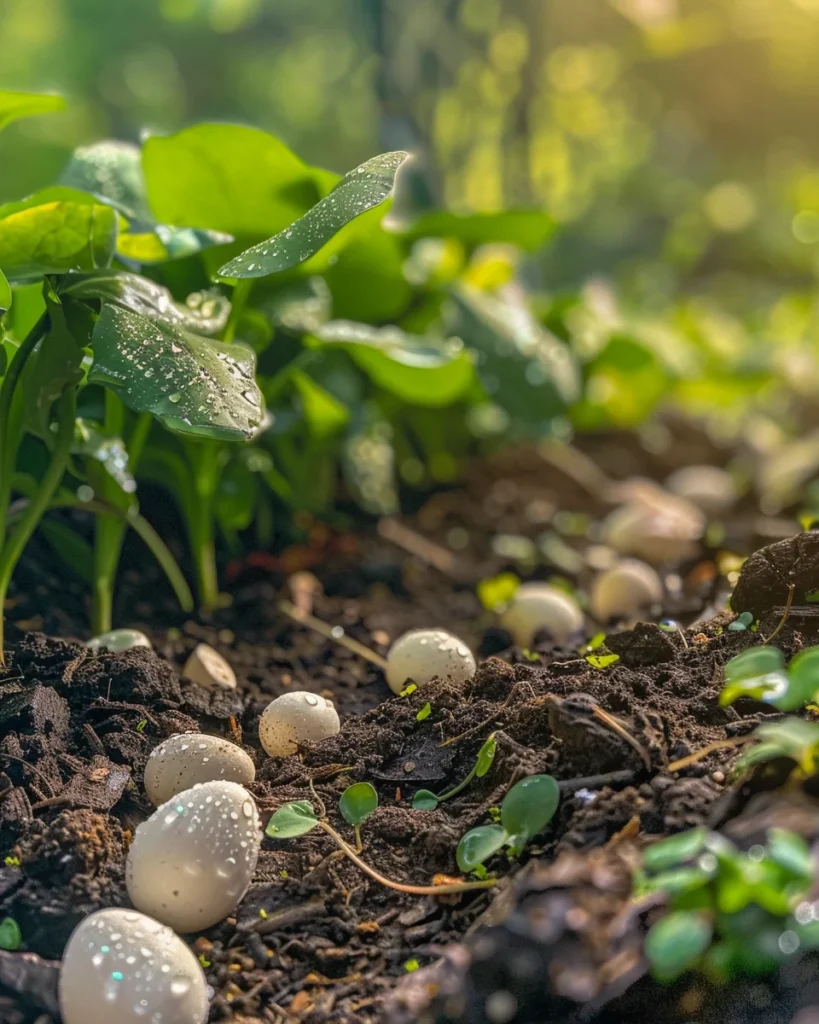
Don’t Toss Those Eggshells: Hang Them in Your Garden for Natural Pest Control and Plant Nutrition
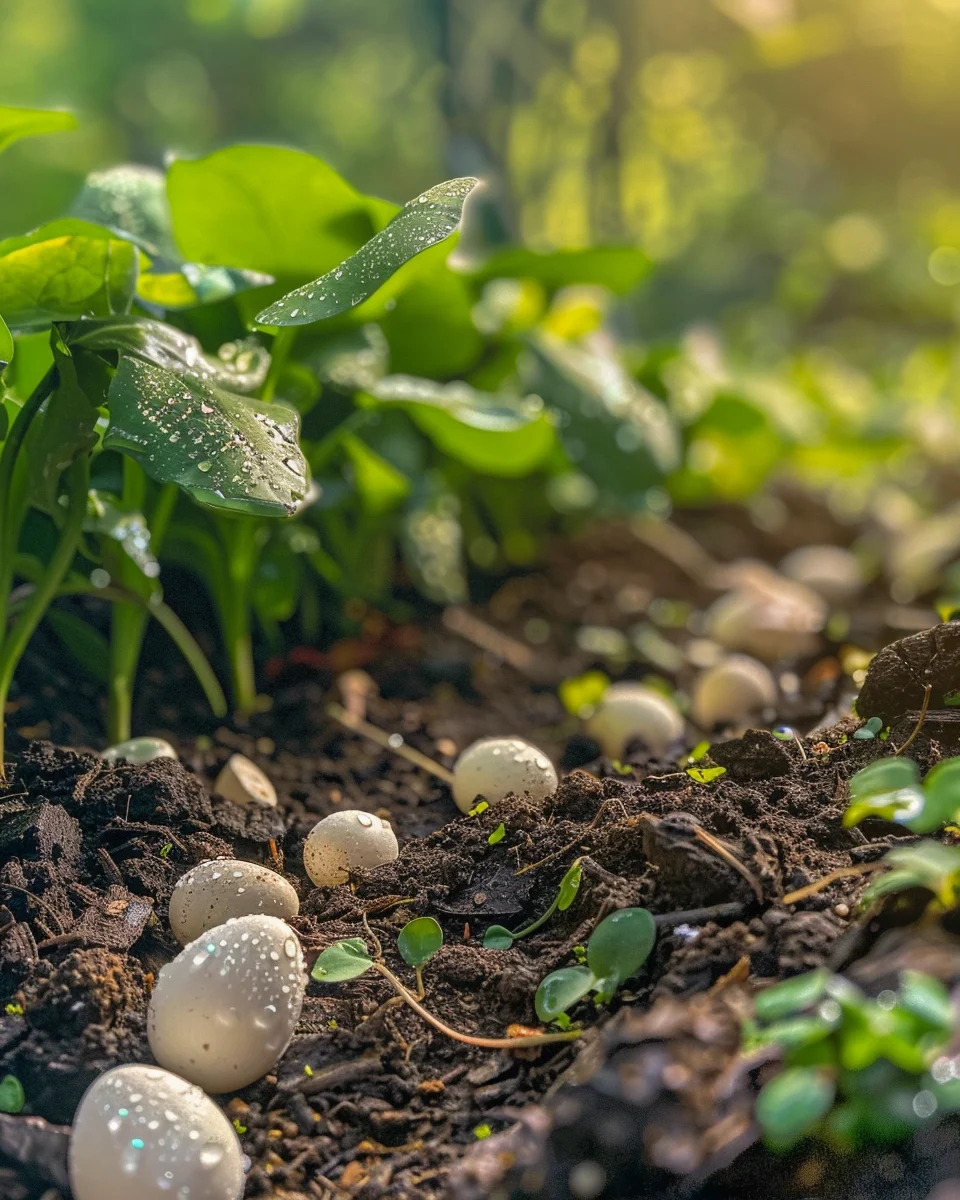
Intro for Eggshell Garden Hangers
Eggshells are a remarkable garden resource that most households discard daily. These calcium-rich remnants of your breakfast can become powerful allies in your garden when hung strategically among your plants. This simple, cost-effective technique helps deter pests, particularly slugs and snails, while slowly releasing calcium and other minerals into your soil as they decompose. Hanging eggshells works in virtually any garden setting—from sprawling vegetable patches to container gardens on balconies—and across most temperate growing regions. This sustainable practice reduces kitchen waste while addressing common garden challenges, making it a win-win solution for environmentally conscious gardeners.
When to hang eggshells in your garden
Eggshells can be hung in your garden throughout the growing season, but they’re particularly valuable during specific periods. In early spring (when soil temperatures reach 10-15°C/50-59°F), hang them as young seedlings emerge to provide immediate protection. During late spring and early summer, when slug and snail activity increases after rain, a fresh batch of eggshell hangers can help protect vulnerable plants. In temperate regions, continue hanging eggshells through summer and early fall, replacing them every 3-4 weeks as they deteriorate. Even in frost periods, eggshells can remain hanging, gradually breaking down and enriching the soil below.
Best time to implement eggshell hangers
For cool climate regions (US Zones 3-6, UK northern areas), begin hanging eggshells in mid-spring (April-May) when pest activity increases with warming temperatures. In warmer regions (US Zones 7-10, Mediterranean climates), start in early spring (March-April) and maintain throughout the growing season. The ideal implementation time is just before expected rainfall or after irrigation, as moist conditions attract slugs and snails—precisely when your plants need protection. For vegetable gardens, hang eggshells when seedlings are 2-3 inches tall, particularly around vulnerable crops like lettuce, basil, and strawberries.
Best eggshell preparation methods for garden hanging
- Sun-Dried Shells – Naturally sterilized by sunlight, these maintain maximum strength and last longest in the garden.
- Oven-Baked Shells – Baked at 200°F/93°C for 10 minutes, these are completely sterilized and ideal for disease-prone gardens.
- Coffee-Infused Shells – Rinsed with coffee grounds before drying, adding mild acidity beneficial for acid-loving plants.
- Herb-Enhanced Shells – Dried with crushed herbs like mint or rosemary to amplify pest-repellent properties.
- Crushed-Edge Shells – Shells with intentionally jagged edges that slugs and snails avoid crossing.
- Colored Shells – Naturally colored eggshells (brown, blue, green) that blend aesthetically with garden foliage.
- Vinegar-Treated Shells – Briefly soaked in vinegar before drying, creating a stronger deterrent effect.
How to prepare eggshells for hanging
Materials needed:
- Eggshells (rinsed and emptied)
- Small hand drill or nail
- Twine, fishing line, or garden string
- Scissors
- Baking sheet (optional, for oven drying)
- Small bowl for collecting shells
- Garden stakes or plant branches for hanging
Step-by-step process:
- Collect eggshells after cooking, rinse thoroughly to remove any remaining egg white or yolk.
- Allow shells to air dry completely, or speed the process by placing them in an oven at 200°F/93°C for 10 minutes.
- Once dry, carefully drill or puncture a small hole near the top of each shell.
- Cut string into 8-12 inch (20-30 cm) lengths.
- Thread string through the hole and tie a secure knot to create a hanging loop.
- For added effectiveness, lightly crush the bottom edges of the shells to create sharp deterrent surfaces.
- Group 3-5 shells on longer strings to create clustered hangers for larger plants.
- Hang completed eggshell strings at various heights around vulnerable plants, ensuring some shells dangle at slug/snail pathway height (2-6 inches/5-15 cm from ground).
- Position shells so they can gently move in the breeze, creating an additional deterrent effect.
How to use eggshell hangers effectively
Eggshell hangers work best in partial to full sun locations, as sunlight helps keep the shells dry and effective. Position them strategically around plants that slugs and snails typically target, such as hostas, lettuce, and strawberries. Water your garden in the morning so shells remain dry overnight when pest activity increases. No fertilizing is needed for the shells themselves—they gradually release calcium as they break down. For container gardens, hang shells around the rim or from small stakes inserted into the soil. Replace shells every 3-4 weeks as they deteriorate, or sooner after heavy rainfall. In windy locations, use shorter hanging strings to prevent tangling.
Caring for your eggshell garden system
Inspect your hanging eggshells weekly for deterioration and replace as needed. After rainfall, check that shells haven’t become waterlogged—if so, replace them to maintain effectiveness. Watch for signs that pests are still damaging plants despite eggshell barriers; in these cases, increase the density of hanging shells or combine with other organic controls like diatomaceous earth. When harvesting vegetables, temporarily move eggshell hangers aside rather than removing them completely. For long-term storage, keep dried, unpunctured eggshells in a paper bag in a cool, dry place. At season’s end, crush any remaining shells and work them directly into the soil to improve calcium levels for next year’s plants.
Understanding the science behind eggshell pest control
Eggshell pest control works through multiple mechanisms. The sharp edges of broken shells deter soft-bodied pests like slugs and snails, which avoid crossing abrasive surfaces that could damage their delicate undersides. The calcium carbonate composition creates an alkaline microenvironment that many pests find inhospitable. Additionally, hanging shells create visual and physical barriers that interrupt pest travel patterns. Environmental factors like humidity and temperature affect effectiveness—shells work best in moderately dry conditions. If slug pressure remains high despite eggshells, supplement with companion strategies like copper tape or beer traps.
Why do eggshells sometimes fail to work?
- Insufficient quantity – Too few shells create gaps in protection that pests can navigate around.
- Excessive moisture – Prolonged wet conditions soften shells, reducing their deterrent properties.
- Improper positioning – Shells hung too high miss ground-traveling pests.
- Incomplete cleaning – Residual egg proteins attract rather than repel certain pests.
- Extreme pest pressure – Overwhelming slug/snail populations may overcome even well-implemented barriers.
Companion strategies for eggshell garden hangers
Enhance eggshell effectiveness by pairing with aromatic herbs like rosemary, sage, and mint, whose strong scents confuse and repel many pests. Marigolds complement eggshell barriers by deterring nematodes and other soil pests. Nasturtiums serve as trap crops, drawing aphids away from valuable plants while eggshells handle slug control. Chives and garlic strengthen overall garden pest resistance when planted near eggshell-protected areas. Avoid placing eggshell hangers near plants that prefer acidic conditions like blueberries and azaleas, as the calcium from decomposing shells can gradually raise soil pH.
Seasonal calendar
- Early Spring (March-April): Begin collecting and drying eggshells; prepare initial batch for early plantings.
- Mid-Spring (April-May): Hang first eggshells around emerging seedlings and transplants.
- Late Spring (May-June): Increase eggshell coverage as slug and snail activity peaks after spring rains.
- Summer (June-August): Maintain and replace eggshell hangers every 3-4 weeks; focus on vegetable garden protection.
- Early Fall (September-October): Final round of eggshell hanging to protect fall crops; begin crushing deteriorated shells into soil.
- Winter (November-February): Collect and store eggshells for next season; plan expanded implementation.
Problems & solutions
| Problem | Quick Fix |
|---|---|
| Shells breaking too quickly | Bake shells longer (15 min at 200°F/93°C) to strengthen before hanging |
| Strings tangling in wind | Use shorter strings (4-6 inches/10-15 cm) and space hanging points further apart |
| Mold developing on shells | Ensure complete drying before hanging; replace after heavy rain |
| Birds removing shells | Add small beads or colored markers to strings to distract from shells |
| Insufficient pest control | Double the density of hanging shells and combine with ground-crushed shells |
| Unsightly appearance | Use naturally colored eggs or group shells more artistically in decorative clusters |
Common questions about using eggshells in the garden
How many eggshells should I hang around each plant?
For small plants like lettuce or strawberries, 3-5 hanging eggshells provide adequate protection. For larger plants like tomatoes or zucchini, use 6-10 shells spaced evenly around the plant’s perimeter. The key is creating a consistent barrier that slugs and snails won’t cross.
Will hanging eggshells harm beneficial insects?
No, hanging eggshells specifically target slugs and snails while leaving beneficial insects unaffected. Unlike chemical pesticides, this physical deterrent method is selective in its impact, making it ideal for organic gardens.
How long do hanging eggshells remain effective?
In dry conditions, hanging eggshells maintain their effectiveness for 3-4 weeks. After rainfall or in humid environments, their deterrent properties may diminish faster, requiring replacement every 2 weeks for optimal protection.
Can I use colored or decorated Easter eggs for this purpose?
Avoid using commercially dyed Easter eggs as the dyes may contain chemicals harmful to plants. Natural dyes (like those from beets or turmeric) are generally safe, but plain eggshells are most effective and environmentally sound.
Will eggshells change my soil pH?
Over time, decomposing eggshells can slightly raise soil pH due to their calcium carbonate content. This effect is minimal with hanging shells but becomes more significant when crushed directly into soil. Monitor pH if you have acid-loving plants.
Can I combine hanging eggshells with other pest control methods?
Yes, hanging eggshells work well as part of an integrated pest management approach. They complement other organic methods like diatomaceous earth barriers, copper tape, and beer traps for comprehensive slug and snail control.