
Smart Gardening: 10 Overpriced Tools to Skip and Their Budget-Friendly Alternatives
Intro for Smart Gardening Tools
Gardening doesn’t have to break the bank. While garden centers and online retailers showcase an impressive array of specialized tools, many are unnecessary expenses that can be replaced with simpler, more affordable alternatives. Smart gardening means knowing which investments truly improve your gardening experience and which ones are marketing hype. This guide will help you identify overpriced gardening tools to avoid and suggest practical, budget-friendly alternatives that work just as well or better. By making informed choices about your gardening equipment, you’ll save money while still enjoying productive, beautiful gardens in any climate zone.
When to replace expensive gardening tools
The best time to evaluate your gardening tool needs is at the beginning of each growing season when you’re planning your garden projects. In temperate regions, this typically means early spring (March-April) or fall (September-October) when you’re preparing beds and making purchases for the upcoming season. Don’t wait until tools break mid-season when you might make hasty, expensive purchases out of necessity. Instead, thoughtfully assess what you actually need based on your garden size, soil type, and the specific plants you’re growing.
Best time to invest in gardening tools
For cool climate regions (US Zones 3-6, UK northern regions), the best deals on gardening tools appear in late fall and winter (November-February) when demand is low. In warmer regions (US Zones 7-10, Mediterranean climates), end-of-season sales in late summer can offer significant savings. Many retailers offer substantial discounts during these off-peak periods. Additionally, consider shopping second-hand markets in early spring when many gardeners clean out their sheds and upgrade their equipment.
Best gardening tool alternatives to consider
• Kitchen scissors instead of specialized pruning shears for light cutting tasks
• Milk jugs with holes punched in the cap instead of expensive watering cans
• Old kitchen forks instead of specialized cultivators for small container gardens
• Wooden paint stirrers instead of plant markers/labels
• Cardboard egg cartons instead of seed starting trays
• Newspaper pots instead of plastic seedling containers
• Homemade compost instead of bagged specialty soil amendments
• Repurposed household containers instead of decorative planters
How to select essential gardening tools
Materials list:
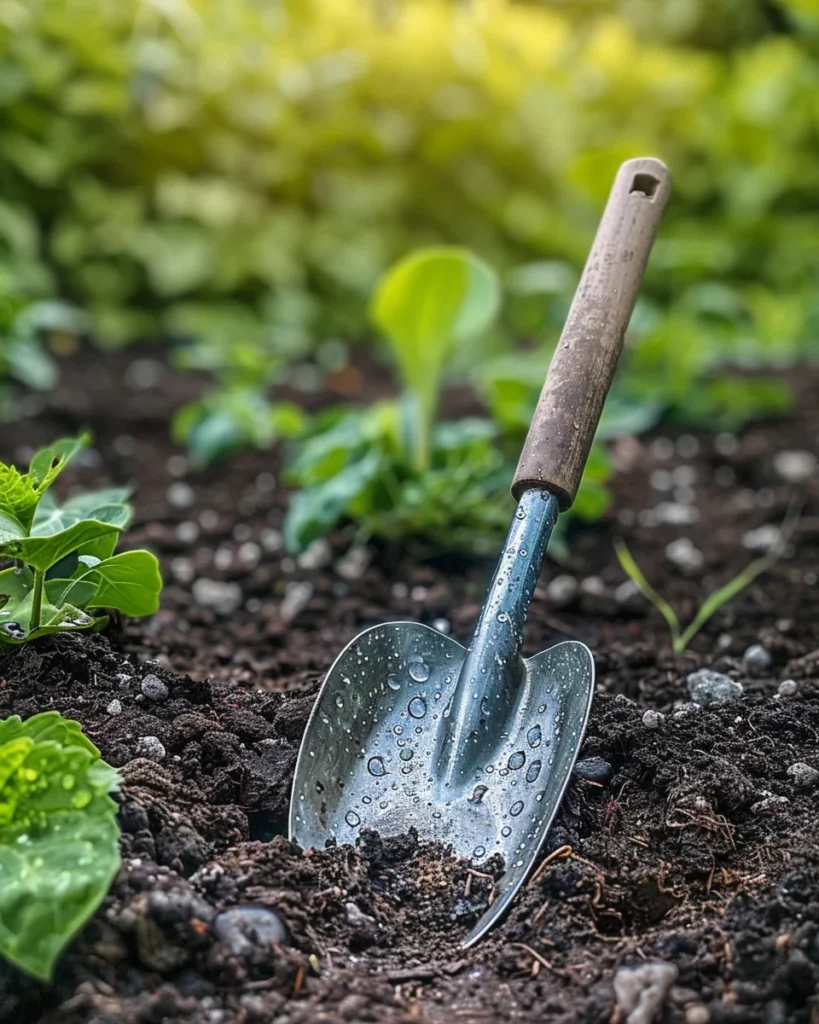
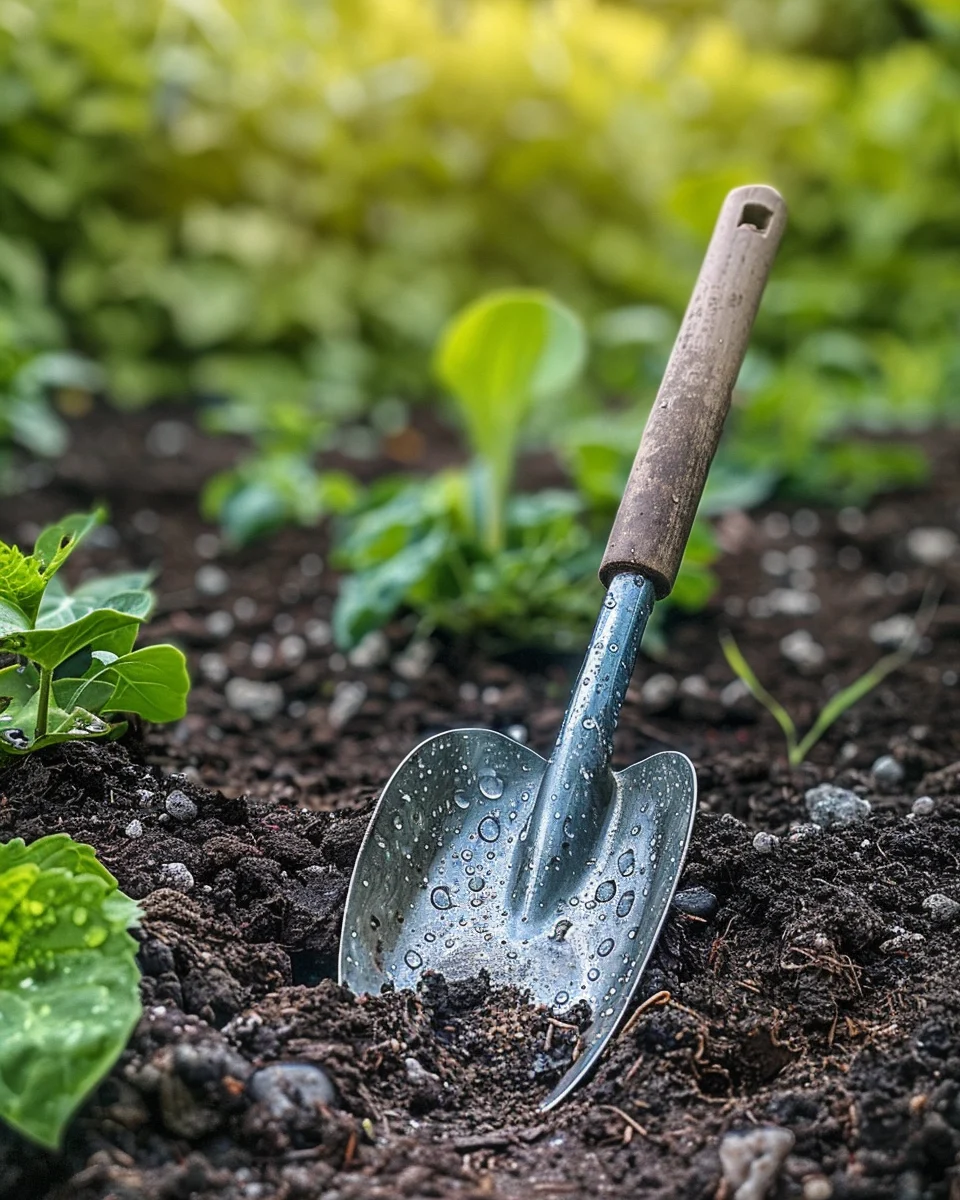
– Quality hand trowel
– Durable garden fork or spade
– Basic pruners
– Watering can or hose with adjustable nozzle
– Garden gloves
– Wheelbarrow or garden cart
Step-by-step:
1. Assess your garden size and typical tasks before purchasing any tools.
2. Choose tools with wooden or metal handles over plastic for longevity.
3. Test the weight and grip of tools in-store to ensure comfort during extended use.
4. Prioritize versatility—select tools that can perform multiple functions.
5. Invest in one high-quality version of essential tools rather than multiple cheap alternatives.
6. Look for tools with replaceable parts (like pruner blades) for long-term value.
7. Consider your storage space—avoid bulky, single-purpose tools if space is limited.
8. Research warranty information—quality tools often come with lifetime guarantees.
How to maintain gardening tools properly
Proper maintenance extends tool life significantly, reducing the need for replacements. Clean tools after each use by removing soil with a stiff brush. For metal tools, occasionally apply a light coat of vegetable oil to prevent rust. Keep cutting tools sharp—a dull blade requires more force and can damage plants. Store tools in a dry location, ideally hanging on a wall rather than piled in a corner. For power tools, follow manufacturer maintenance schedules and drain fuel before winter storage. With proper care, basic gardening tools can last decades, making them much more economical than repeatedly replacing cheaper versions.
Caring for budget-friendly gardening tools
Even inexpensive tools require proper care. Clean repurposed household items thoroughly before garden use, especially if they previously contained chemicals. For homemade tools, apply food-safe wood sealers to prevent rot in wooden handles. Watch for signs of wear like splintering handles, bent tines, or cracked plastic, which can make tools dangerous to use. Common garden pests like termites can damage wooden tool handles stored in sheds—inspect regularly. For storage, create simple organization systems using pegboard or repurposed containers to prevent damage from tools piled together.
Understanding quality vs. price in gardening tools
Higher price doesn’t always indicate better quality. Many expensive gardening tools include unnecessary features or specialized functions rarely needed by home gardeners. Quality indicators include solid construction, seamless welds, comfortable grips, and replaceable parts. Avoid tools with plastic components in stress areas. Weight can be an indicator—tools that feel too light often use inferior materials. However, extremely heavy tools may cause fatigue during extended use. The sweet spot is tools with appropriate weight for their function, made from durable materials like stainless steel, carbon steel, or hardwood.
Why do some gardening tools cost so much?
• Brand name markup – you’re paying for the logo and marketing
• Specialized features that most gardeners rarely use
• Trendy designs and colors that don’t improve functionality
• “Ergonomic” designs that often don’t provide significant benefits
• Small production runs for niche tools increasing per-unit costs
Companion tools that work well together
Good combinations include a hand trowel with a weeding fork for efficient bed preparation. A quality pruner pairs well with a folding saw for handling various plant materials. A watering can with rain barrel creates a water-conservation system. Avoid redundant tool sets that include multiple sizes of the same basic tool. Instead, focus on complementary tools that extend your capabilities. For example, a long-handled tool paired with a short-handled version of the same type allows you to work both standing and kneeling comfortably.
Seasonal calendar
• January-February: Inventory and repair existing tools; shop winter sales
• March-April: Prepare essential tools for spring planting; clean and sharpen
• May-June: Monitor tool performance during active gardening season
• July-August: Clean and maintain tools regularly during peak growing season
• September-October: Deep clean and repair tools after heavy summer use
• November-December: Properly store tools for winter; research replacements needed
Problems & solutions
Problem | Quick Fix
— | —
Rusty tools | Soak in vinegar solution, scrub with steel wool, oil after drying
Splintered wooden handles | Sand smooth, apply linseed oil or beeswax
Dull cutting edges | Sharpen with a file or whetstone at proper angle
Broken tool handles | Replace with hardwood dowels from hardware store
Cracked plastic components | Replace entire tool; avoid plastic in future purchases
Bent metal tines or blades | Use vice grips to carefully realign, or replace if severely damaged
Loose tool heads | Tighten fasteners; replace worn screws or bolts
Common questions about gardening tool alternatives
**Can kitchen tools really work in the garden?**
Yes, many kitchen tools make excellent garden tools. Old forks work as cultivators, measuring cups make perfect scoops for potting soil, and kitchen scissors can handle light pruning tasks.
**How do I know if a budget tool will last?**
Look for solid construction with minimal parts. Tools made from a single piece of metal with a simple handle tend to be more durable than those with multiple components that can break or separate.
**Are battery-powered garden tools worth the investment?**
For most home gardeners, manual tools are sufficient. Battery-powered options make sense for those with large properties or physical limitations that make manual tools difficult to use.
**What’s one expensive tool that’s actually worth buying?**
A high-quality pair of bypass pruners is worth the investment. They’re used frequently, and quality versions will last decades with proper maintenance.
**Can I make my own garden tools?**
Absolutely. Simple tools like dibbers can be made from old broom handles, and trowels can be fashioned from repurposed plastic containers with handles attached.
**How do I properly clean tools that have been used around diseased plants?**
Disinfect tools with a 10% bleach solution or 70% alcohol after use around diseased plants to prevent spreading pathogens to healthy plants.
**What’s the best way to store tools in a small space?**
Wall-mounted pegboard systems maximize storage in small spaces. Alternatively, a large bucket filled with sand mixed with a little oil keeps hand tools clean, sharp, and accessible.