

How to Fix Bad Soil Without Buying Anything: Free Methods for Healthy Garden Soil
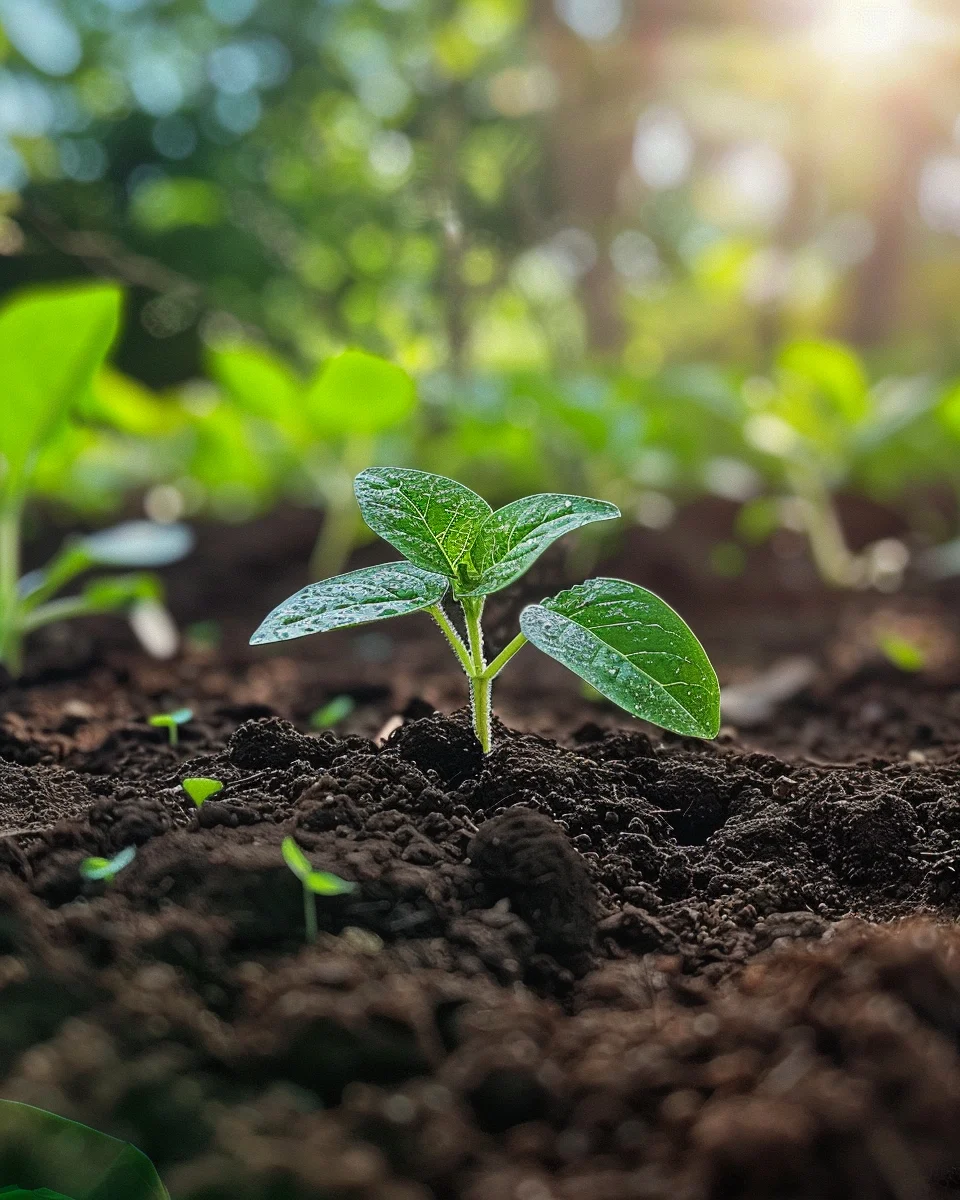
Intro for How To Fix Bad Soil Without Buying Anything
Poor soil is one of the most common challenges gardeners face, but you don’t need to spend money on expensive amendments to improve it. Whether you’re dealing with compacted clay, sandy soil that drains too quickly, or nutrient-depleted dirt, there are numerous free methods to transform your garden soil into a fertile growing medium. Using materials you likely already have around your home and yard, you can enhance soil structure, boost microbial activity, and increase nutrient content. These no-cost soil improvement techniques work in all temperate regions and can be adapted for various garden sizes, from small containers to large plots.
When to Fix Bad Soil Without Buying Anything
The best time to begin soil improvement is in fall after the growing season ends, giving amendments time to break down over winter. However, soil improvement can be an ongoing process throughout the year. In temperate regions, add organic matter when soil temperatures are above 10°C (50°F) to encourage microbial activity. Avoid working wet soil, especially clay, as this causes compaction. For warm-climate gardeners, the mild winter months are ideal for soil improvement, while cool-climate gardeners should focus on late spring through fall when the ground isn’t frozen.
Best Time to Fix Bad Soil Without Buying Anything
For cool temperate regions (UK, Northern US, Canada), focus on soil improvement from April through October when soil is workable and biological activity is highest. In warm temperate regions (Southern US, Mediterranean), the optimal window extends from September through May, avoiding the intense summer heat that can stress newly amended soil. For container gardens, soil can be improved year-round as long as temperatures remain above freezing. The weeks before planting are particularly important—aim to incorporate amendments at least 2-4 weeks before sowing seeds or transplanting.
Best Methods to Fix Bad Soil Without Buying Anything
- Homemade Compost – Transforms kitchen scraps and yard waste into nutrient-rich humus that improves all soil types.
- Leaf Mold – Collected fallen leaves decomposed over 1-2 years create a superb soil conditioner that retains moisture.
- Grass Clippings – Nitrogen-rich material that can be used as mulch or composted to feed soil microbes.
- Coffee Grounds – Adds organic matter and slightly acidifies soil, beneficial for acid-loving plants.
- Eggshells – Crushed shells slowly release calcium and help deter certain pests.
- Cardboard and Paper – Shredded and layered as mulch or sheet mulching to suppress weeds and add carbon.
- Wood Ash – From untreated wood, adds potassium and raises pH in acidic soils (use sparingly).
- Green Manure – Growing cover crops from saved seeds then turning them into the soil adds organic matter and nutrients.
How to Fix Bad Soil Without Buying Anything
Materials You Already Have
- Kitchen scraps (vegetable peels, coffee grounds, eggshells)
- Yard waste (leaves, grass clippings, small twigs)
- Cardboard and newspaper
- Wood ash (from untreated wood)
- Garden fork or shovel
- Pruning shears or scissors
- Watering can or hose
- Saved seeds from vegetables or flowers (optional)
Step-by-Step Process
- Test your soil by digging a small hole and examining texture, drainage, and soil life. Squeeze a handful—if it forms a tight ball that doesn’t crumble, it’s clay-heavy; if it falls apart completely, it’s too sandy.
- Clear the area of weeds, saving the weed material for composting (avoid seed heads).
- For compacted soil, use a garden fork to aerate by pushing it into the ground and gently rocking back and forth, repeating every 15 cm (6 inches) across the bed.
- Apply a 5-8 cm (2-3 inch) layer of homemade compost or leaf mold if available.
- For clay soil, add additional organic matter like shredded leaves or grass clippings to improve drainage.
- For sandy soil, focus on moisture-retaining materials like compost and leaf mold.
- Gently work amendments into the top 15-20 cm (6-8 inches) of soil with a fork or shovel.
- Apply a 5-10 cm (2-4 inch) layer of mulch using shredded leaves, grass clippings, or cardboard to suppress weeds and retain moisture.
- Water thoroughly to activate soil biology and begin the decomposition process.
- Consider planting cover crops from saved seeds to further improve soil structure and add nutrients.
How to Grow Healthy Soil Without Buying Anything
Healthy soil development requires ongoing care. Practice no-dig or minimal-till gardening to preserve soil structure and protect beneficial organisms. Apply mulch regularly using materials from your yard like leaves, grass clippings, or shredded prunings. Water consistently but not excessively—aim for deep, infrequent watering that encourages deep root growth. Create compost tea by steeping finished compost in water for 24-48 hours and use it to water plants, providing beneficial microbes. For container gardens, reuse potting mix by refreshing it with homemade compost. Rotate crops annually to prevent nutrient depletion and pest buildup. Collect rainwater in buckets or barrels to irrigate during dry periods.
Caring for Improved Soil Without Buying Anything
Maintain soil health by adding fresh organic matter at least twice yearly. Watch for signs of nutrient deficiencies in plants—yellowing leaves often indicate nitrogen shortage, which can be addressed with grass clipping mulch. Combat soil-borne diseases by practicing crop rotation and maintaining good airflow between plants. For pest management, encourage beneficial insects by growing flowering plants from saved seeds. Harvest garden waste strategically—leave some roots in the ground to decompose and create channels for air and water. In fall, allow leaves to decompose in place rather than removing them. During winter, protect bare soil with mulch or cover crops to prevent erosion and nutrient leaching.
Understanding Soil Structure Improvement Without Buying Anything
Soil structure refers to how soil particles arrange themselves and affects drainage, aeration, and root penetration. Poor structure occurs when soil becomes compacted or lacks organic matter. The primary trigger for structural decline is working wet soil, especially with heavy equipment. Prevent structure problems by walking on designated paths, not garden beds. Use wooden boards to distribute weight when you must access wet areas. If compaction occurs, use deep-rooted plants like daikon radish to break up hard soil naturally. Create raised beds using found materials like fallen logs or stones to improve drainage without purchasing soil.
Why Does Soil Become Depleted?
- Continuous cropping – Growing the same plants repeatedly depletes specific nutrients; fix by rotating crops and adding diverse organic matter.
- Erosion – Wind and water carry away topsoil; prevent with mulch, cover crops, and strategic placement of stones or logs.
- Lack of organic inputs – Without regular additions of organic matter, soil life diminishes; remedy by consistently returning plant waste to the soil.
- Over-tilling – Excessive soil disturbance destroys structure and burns up organic matter; switch to no-dig methods.
- Chemical residues – Previous use of synthetic fertilizers or pesticides can disrupt soil biology; restore with compost tea and diverse plantings.
Companion Methods for Soil Improvement
Good Companions:
- Chop-and-drop mulching – Cut plant material and leave it in place to decompose, adding nutrients exactly where needed.
- Worm farming – Create a simple bin from repurposed containers to produce valuable worm castings.
- Hugelkultur – Bury woody debris under soil to create raised beds that decompose slowly, releasing nutrients for years.
- Trench composting – Dig trenches between rows and fill with kitchen scraps, covering with soil as you go.
- Legume planting – Grow nitrogen-fixing plants like peas or beans to naturally fertilize soil.
Avoid Combining With:
- Deep digging – Disrupts soil layers and microbial communities, counteracting improvement efforts.
- Using diseased plant material – Can spread problems throughout your garden; hot compost or separate disposal is better.
Seasonal Calendar
Spring (March-May):
- Apply winter-decomposed compost to planting areas
- Begin trench composting between rows
- Plant legumes to fix nitrogen
- Collect grass clippings for mulch
Summer (June-August):
- Maintain thick mulch layer to conserve moisture
- Practice chop-and-drop with excess plant growth
- Collect rainwater for irrigation
- Turn compost pile to accelerate decomposition
Fall (September-November):
- Collect and store fallen leaves for mulch and leaf mold
- Plant cover crops in vacant beds
- Apply compost to perennial beds
- Begin sheet mulching for new garden areas
Winter (December-February):
- Continue adding to compost pile
- Plan crop rotation for soil health
- Protect bare soil with mulch
- Prepare homemade seed starting mix from compost
Problems & Solutions
| Problem | Quick Fix |
|---|---|
| Heavy clay soil | Add coarse organic matter like leaves and wood chips; grow daikon radishes to break up clay |
| Sandy soil that drains too quickly | Incorporate water-retaining materials like leaf mold and compost; mulch heavily |
| Acidic soil (plants yellowing) | Add crushed eggshells and small amounts of wood ash to raise pH gradually |
| Alkaline soil (iron deficiency symptoms) | Incorporate pine needles, oak leaves, or coffee grounds to lower pH |
| Compacted soil | Use a garden fork to aerate; plant deep-rooted cover crops; add earthworms from another part of garden |
| Nutrient deficiency | Apply compost tea made from homemade compost; incorporate specific plant materials (legumes for nitrogen, banana peels for potassium) |
| Erosion on slopes | Create contour plantings; use fallen branches to make small check dams; establish deep-rooted perennials |
Common Questions About Fixing Soil Without Buying Anything
How long does it take to improve soil using free methods?
You’ll see noticeable improvements within 3-6 months, but significant transformation typically takes 1-2 years of consistent organic matter additions. Clay soils may take longer to show structural improvements than sandy soils.
Can I fix soil in containers without buying potting mix?
Yes! Refresh container soil by mixing in finely sifted homemade compost (about 25% by volume). Add crushed eggshells for calcium and coffee grounds for nitrogen. Let refreshed mix rest for 2 weeks before replanting.
How do I know if my soil improvement methods are working?
Look for increased earthworm activity, improved water infiltration, easier digging, and healthier plants. Soil should develop a crumbly texture and earthy smell as organic matter increases.
Can kitchen scraps go directly into garden soil?
While trench composting works for some scraps, most kitchen waste should be composted first to prevent pest attraction and potential disease spread. Exceptions include coffee grounds and crushed eggshells, which can be applied directly.
How much mulch should I apply for soil improvement?
Apply organic mulch 5-10 cm (2-4 inches) thick, keeping it pulled back 5 cm (2 inches) from plant stems to prevent rot. Replenish as it breaks down, which feeds soil organisms and gradually improves soil structure.
Will these methods work for extremely poor soil?
Yes, but extremely degraded soils require patience and consistent application. Focus on building soil life first with regular additions of diverse organic materials. Consider starting with cover crops to begin the improvement process.
How can I tell what nutrients my soil needs without a test kit?
Observe plant growth for clues: yellowing lower leaves often indicate nitrogen deficiency; purplish leaves suggest phosphorus shortage; and brown leaf edges may signal potassium deficiency. The types of weeds growing can also indicate soil conditions—clover often grows in nitrogen-poor soil, while dandelions suggest mineral imbalances.