
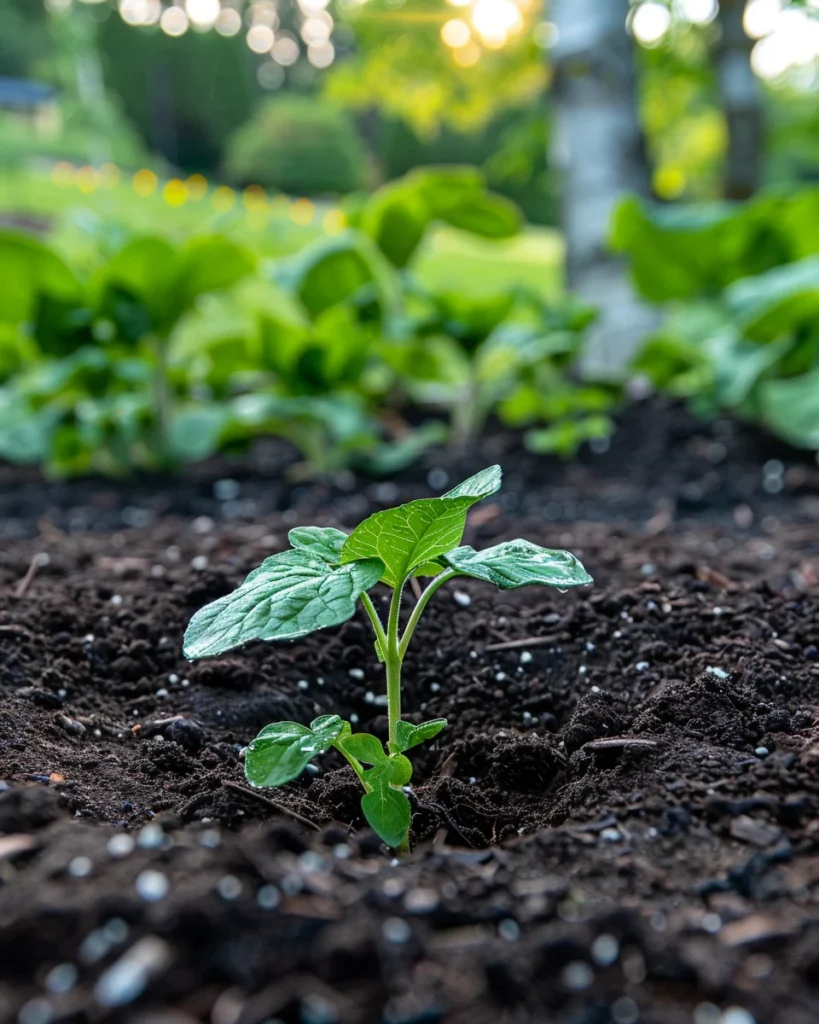
How to Create Your First Vegetable Garden: A No-Fail Plan for Beginners with Guaranteed Success
Intro for The No-Fail Plan For Your First Vegetable Garden
Starting your first vegetable garden can feel overwhelming, but with the right approach, it’s an achievable and rewarding endeavor. A well-planned beginner vegetable garden provides fresh, nutritious produce right outside your door while connecting you with the natural cycles of growth. The no-fail approach focuses on selecting easy-to-grow vegetables suited to your climate, preparing your soil properly, and implementing simple maintenance routines. This method works in most temperate regions and can be adapted for containers, raised beds, or traditional in-ground gardens. With minimal tools and just a few hours per week, you’ll be harvesting your own vegetables before you know it.
When to plant Your First Vegetable Garden
The timing of your first vegetable garden depends on your local climate and frost dates. In general temperate regions, preparation should begin in early spring once soil temperatures reach 10-15°C (50-60°F) and can be worked without clumping. Cool-season crops like lettuce, spinach, and peas can be planted 4-6 weeks before your last expected frost date, while warm-season vegetables like tomatoes and peppers should wait until after all danger of frost has passed.
For southern regions (US Zones 8-10), you might start as early as February, while northern areas (US Zones 3-5) typically wait until April or May. Check your local frost dates through your agricultural extension office or online resources for specific guidance in your area.
Best time to plant Your First Vegetable Garden
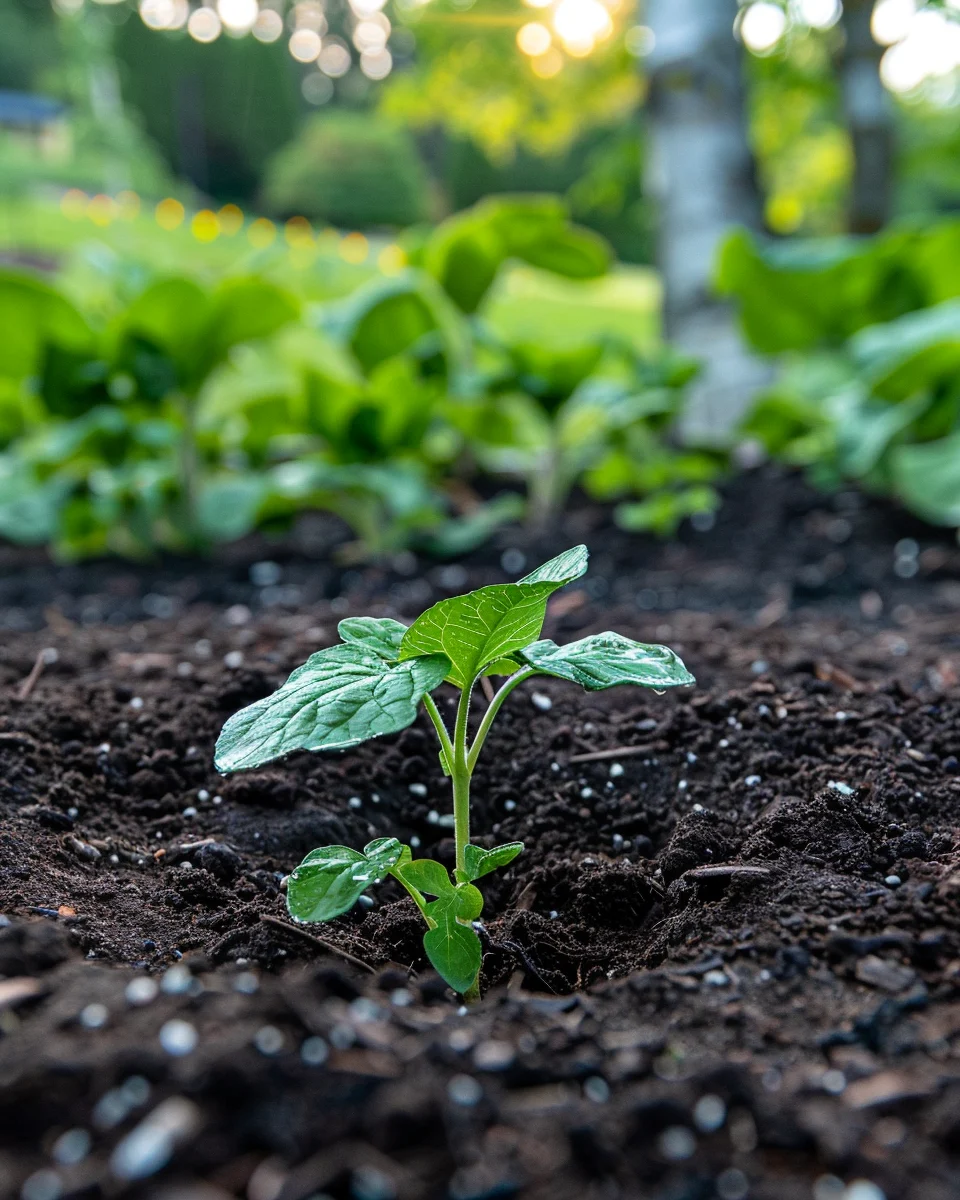
For cool temperate regions (UK, Northern US, Canada):
- March-April: Direct sow cold-hardy vegetables (radishes, lettuce, spinach)
- May-June: Transplant warm-season seedlings after frost danger (tomatoes, peppers)
- July-August: Plant fall crops (kale, turnips, carrots)
For warm temperate regions (Southern US, Mediterranean):
- February-March: Plant spring vegetables
- April-May: Transplant heat-loving crops
- August-September: Plant fall garden
- October-November: Plant winter crops in mild-winter areas
The ideal planting window is often early morning or late afternoon on an overcast day to minimize transplant shock. Avoid planting during extreme temperature periods or drought conditions.
Best Vegetable Varieties to grow for Beginners
- Cherry Tomatoes ‘Sungold’ – Incredibly sweet flavor with high yields and good disease resistance, perfect for beginners.
- Bush Beans ‘Provider’ – Early producer with excellent reliability and disease resistance, no staking required.
- Zucchini ‘Black Beauty’ – Prolific producer that’s nearly foolproof, providing abundant harvests even with minimal care.
- Lettuce ‘Salad Bowl’ – Heat-tolerant and slow to bolt, allowing for extended harvest periods through cut-and-come-again harvesting.
- Radishes ‘Cherry Belle’ – Ready to harvest in just 21-30 days, providing quick gratification for new gardeners.
- Kale ‘Lacinato’ – Extremely cold-hardy and pest-resistant, producing for months and even overwintering in milder climates.
- Bell Peppers ‘California Wonder’ – Reliable producer of classic sweet peppers that are versatile in the kitchen.
- Basil ‘Genovese’ – Aromatic herb that grows quickly and pairs perfectly with homegrown tomatoes.
How to plant Your First Vegetable Garden
Materials needed:
- Garden spade and fork
- Rake
- Garden gloves
- Watering can or hose with spray nozzle
- Compost or aged manure
- Seeds and/or transplants
- Plant labels
- Mulch (straw, shredded leaves, or compost)
- Garden twine and stakes (optional)
Step-by-step planting process:
- Choose the right location – Select a spot receiving at least 6-8 hours of direct sunlight daily, with access to water and protection from strong winds.
- Determine garden size – Start small, around 1.2m × 2.4m (4ft × 8ft), which is manageable for beginners while providing good yields.
- Clear the area – Remove all grass, weeds, and debris from your garden site.
- Improve the soil – Dig in 5-7.5cm (2-3in) of compost or aged manure, working to a depth of 20-30cm (8-12in).
- Design your layout – Place taller plants (tomatoes, corn) on the north side to avoid shading shorter plants.
- Create planting rows or blocks – Make furrows for seeds or holes for transplants at the proper spacing for each vegetable.
- Plant at proper depths – Generally, plant seeds at a depth of 2-3 times their diameter; follow specific guidance on seed packets.
- Water thoroughly – After planting, water gently but deeply to settle soil around roots and seeds.
- Label everything – Mark rows or plants with labels to identify what’s growing where.
- Apply mulch – Once plants are established, add 5-7.5cm (2-3in) of mulch to suppress weeds and retain moisture.
How to grow Your First Vegetable Garden
Sunlight requirements: Most vegetables need 6-8 hours of direct sunlight daily. Leafy greens can tolerate partial shade, while fruiting vegetables (tomatoes, peppers) need maximum sun exposure.
Watering schedule: Provide 2.5-5cm (1-2in) of water weekly, either from rainfall or irrigation. Water deeply and less frequently rather than shallowly and often. Morning watering is best to reduce disease risk.
Fertilizing: Apply balanced organic fertilizer (like 5-5-5) according to package directions, typically every 4-6 weeks during the growing season. Avoid over-fertilizing, which can lead to lush foliage but poor fruit production.
Mulching: Maintain a 5-7.5cm (2-3in) layer of organic mulch around plants, keeping it pulled back slightly from stems to prevent rot.
Thinning seedlings: Once seedlings develop their first true leaves, thin them to recommended spacing by snipping extras at soil level rather than pulling, which can disturb remaining plants’ roots.
Staking and support: Install supports for climbing plants (peas, cucumbers) and tall or heavy plants (tomatoes) early to avoid root damage later.
Container growing: For patio or balcony gardens, use containers at least 30cm (12in) deep with drainage holes. Use quality potting mix (not garden soil) and water more frequently, as containers dry out faster than in-ground gardens.
Caring for Your First Vegetable Garden
Weekly maintenance: Spend 15-30 minutes several times weekly checking for pests, weeding, and monitoring water needs. Regular attention prevents small issues from becoming major problems.
Common pests and solutions:
- Aphids – Tiny green, black, or white insects clustering on new growth; spray with strong water stream or insecticidal soap.
- Cabbage worms – Green caterpillars on brassicas; hand-pick or use Bacillus thuringiensis (Bt) spray.
- Slugs – Create barriers with diatomaceous earth or set beer traps.
Disease prevention: Maintain good air circulation by proper spacing, avoid wetting foliage when watering, and practice crop rotation yearly. Remove and dispose of any diseased plant material promptly.
Harvesting tips: Harvest in morning when vegetables are crisp and full of moisture. Pick regularly to encourage continued production. For leafy greens, harvest outer leaves first; for beans and peas, frequent picking encourages more flowering and fruiting.
Storage basics: Most vegetables keep best in the refrigerator crisper drawer in perforated plastic bags. Tomatoes, basil, and potatoes should be stored at room temperature. Use harvested vegetables promptly for maximum nutrition and flavor.
Understanding bolting in Leafy Vegetables
Bolting is when leafy vegetables like lettuce and spinach prematurely produce flower stalks, making leaves bitter and tough. This natural process is triggered primarily by increasing day length and rising temperatures, signaling the plant to complete its life cycle by producing seeds.
Common triggers include:
- Temperatures consistently above 27°C (80°F)
- Long daylight hours (over 14 hours)
- Drought stress or inconsistent watering
- Root disturbance or transplant shock
To prevent bolting, choose heat-tolerant or “slow-bolt” varieties, provide afternoon shade in hot weather, maintain consistent soil moisture, and plant cool-season crops early enough to mature before summer heat. If bolting begins, harvest immediately and replant with heat-tolerant varieties or wait for cooler fall temperatures.
Why does Your Vegetable Garden struggle?
- Poor soil quality – Add compost or aged manure annually to improve structure and fertility.
- Inadequate sunlight – Ensure vegetables receive at least 6-8 hours of direct sun; prune overhanging branches if necessary.
- Improper watering – Water deeply but infrequently to encourage deep root growth; avoid overhead watering which promotes disease.
- Overcrowding – Follow spacing recommendations on seed packets; thin seedlings promptly to prevent competition.
- Pest or disease pressure – Monitor regularly, practice crop rotation, and use row covers for susceptible crops.
Companion planting for Your First Vegetable Garden
Beneficial companions:
- Tomatoes + Basil – Basil repels tomato hornworms and improves tomato flavor while thriving in similar conditions.
- Carrots + Onions – Onion family plants deter carrot flies with their strong scent.
- Beans + Corn – Beans fix nitrogen that corn needs, while corn provides natural support for climbing beans.
- Lettuce + Radishes – Quick-growing radishes mark rows of slower-germinating lettuce and break soil for lettuce roots.
- Cucumbers + Nasturtiums – Nasturtiums repel cucumber beetles and attract pollinators.
- Cabbage family + Aromatic herbs – Thyme, rosemary, and mint deter cabbage moths and other brassica pests.
Plants to keep separated:
- Potatoes + Tomatoes – Related plants that share diseases and compete for similar nutrients.
- Beans + Onions/Garlic – Alliums can stunt bean growth.
- Cucumbers + Potatoes – Both are susceptible to similar diseases and can increase each other’s vulnerability.
Seasonal calendar
Early Spring (March-April):
- Prepare soil and add compost
- Direct sow cold-hardy crops (peas, radishes, spinach)
- Start warm-season seeds indoors (tomatoes, peppers)
Late Spring (May-June):
- Transplant warm-season seedlings after frost danger
- Direct sow beans, cucumbers, and squash
- Begin regular fertilizing schedule
- Harvest spring crops (lettuce, radishes, peas)
Summer (July-August):
- Maintain mulch and consistent watering
- Monitor for pests and diseases
- Harvest summer crops regularly
- Plant fall crops in late summer
Fall (September-October):
- Harvest remaining summer crops
- Plant garlic and overwintering onions
- Add compost to beds
- Protect fall crops from early frosts
Winter (November-February):
- Clean and store tools
- Plan next year’s garden
- Order seeds
- In mild climates, maintain winter crops under protection
Note: Adjust timing 2-4 weeks earlier for warmer regions (Zones 8-10) and 2-4 weeks later for cooler regions (Zones 3-5).
Problems & solutions
| Problem | Quick Fix |
|---|---|
| Seedlings dying after emergence | Likely “damping off” disease; improve air circulation, avoid overwatering, use sterile seed starting mix |
| Yellowing leaves | Could indicate nutrient deficiency or overwatering; check soil moisture and apply balanced organic fertilizer |
| Plants wilting despite moist soil | Possible root damage or disease; check for grubs or root rot, improve drainage if needed |
| Holes in leaves | Insect damage; identify pest (slugs, caterpillars, beetles) and treat specifically with organic controls |
| Flowers dropping without forming fruit | Poor pollination or extreme temperatures; hand-pollinate with small brush or wait for more moderate weather |
| Cracked tomatoes | Inconsistent watering; maintain even soil moisture with regular watering and mulch |
| Weeds overtaking garden | Apply thick mulch (7.5cm/3in) between rows and plants; weed regularly when weeds are small |
Common questions about growing Your First Vegetable Garden
How much time does a beginner vegetable garden require?
A small beginner garden (approximately 1.2m × 2.4m/4ft × 8ft) typically requires 2-3 hours per week, with more time needed during planting and harvest periods. Daily quick checks (5 minutes) during the growing season help catch problems early.
Can I grow vegetables if I only have a patio or balcony?
Absolutely! Many vegetables grow well in containers. Choose determinate (bush) varieties of tomatoes, compact zucchini, leafy greens, peppers, and herbs. Use containers at least 30cm (12in) deep with drainage holes and high-quality potting mix.
How far apart should I space my vegetables?
Spacing varies by vegetable: leafy greens need 15-20cm (6-8in), bush beans 10-15cm (4-6in), tomatoes 45-60cm (18-24in), and squash 60-90cm (24-36in). Always check seed packets for specific recommendations and err on the side of more space rather than less for beginners.
Do I need to test my soil before starting?
While not absolutely necessary for beginners, a basic soil test provides valuable information about pH and nutrient levels. Many extension offices offer affordable testing. Without testing, adding 5-7.5cm (2-3in) of quality compost will improve most soils adequately for a first garden.
How do I know when to harvest my vegetables?
Harvest timing varies by vegetable: leaf lettuce when leaves are 10-15cm (4-6in) tall; tomatoes when fully colored and slightly soft to touch; zucchini at 15-20cm (6-8in) before seeds develop; root vegetables when tops reach expected size. Taste test is often the best guide—vegetables generally taste best when harvested young.
What’s the easiest way to control weeds organically?
The most effective organic weed control combines preventive mulching with regular hand weeding when weeds are small. Apply 5-7.5cm (2-3in) of organic mulch between plants after they’re established, and spend 10 minutes weeding several times weekly rather than hours once weeds are large.
How can I extend my growing season?
Use season extenders like row covers, cold frames, or plastic tunnels to protect plants from early spring and late fall frosts. In cold climates, start seeds indoors 4-8 weeks before transplanting. In hot climates, use shade cloth during summer heat to grow cool-season crops longer.