
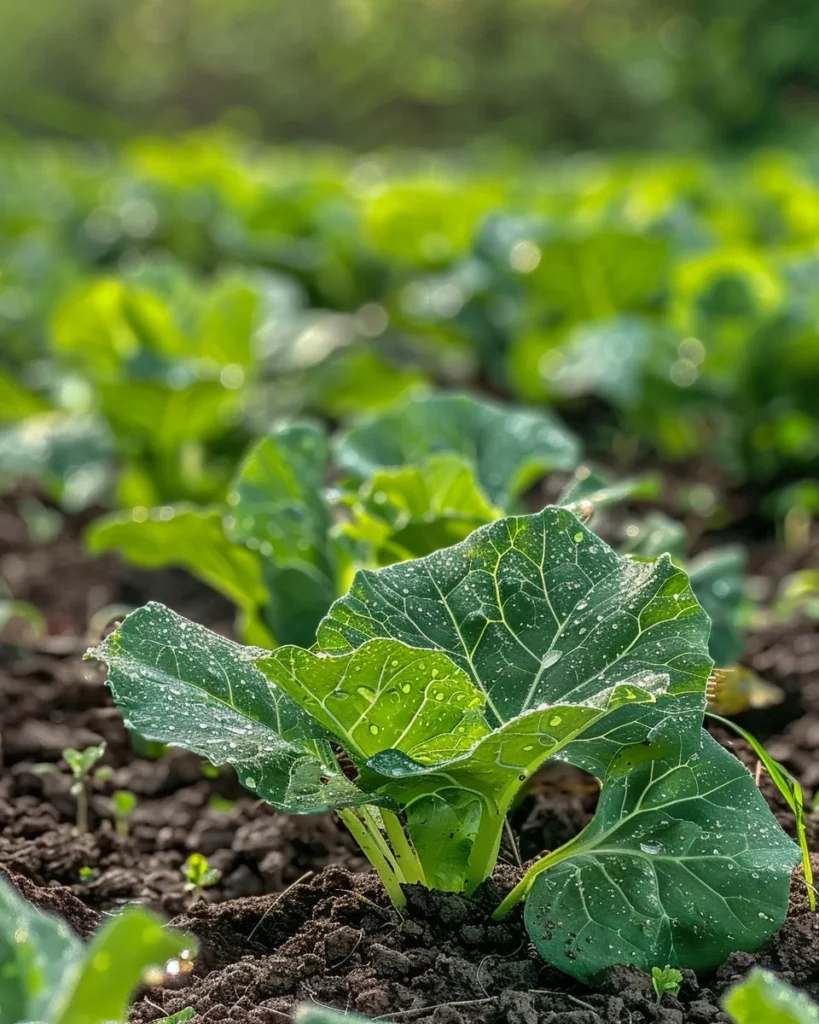
Why I Skipped Fertilizer This Year And Got The Best Harvest Ever: A Natural Approach to Garden Abundance
Intro for I Skipped Fertilizer This Year And Got The Best Harvest Ever
Conventional gardening wisdom often emphasizes regular fertilization as essential for productive gardens. However, my accidental experiment this growing season led to a surprising discovery. After skipping my usual fertilizer regimen, I experienced my most abundant harvest to date. This approach, focusing on soil health rather than feeding plants directly, works particularly well in established gardens with previously enriched soil. The method relies on natural processes, compost, and organic matter to nourish plants, resulting in stronger, more resilient crops with improved flavor. This natural approach is suitable for most temperate regions and can be adapted to various growing conditions, offering both environmental and economic benefits.
When to plant I Skipped Fertilizer This Year And Got The Best Harvest Ever
The no-fertilizer approach works best when implemented from the beginning of your growing season. In temperate regions, prepare your garden beds in early spring once soil temperatures reach 10-15°C (50-60°F). This method is particularly effective when started after the last frost date in your area, as plants establishing in warmer soil can more efficiently access existing nutrients. In Mediterranean climates, you can begin this approach in late winter, while cooler northern regions should wait until mid-spring when soil has properly warmed and dried out.
Best time to plant I Skipped Fertilizer This Year And Got The Best Harvest Ever
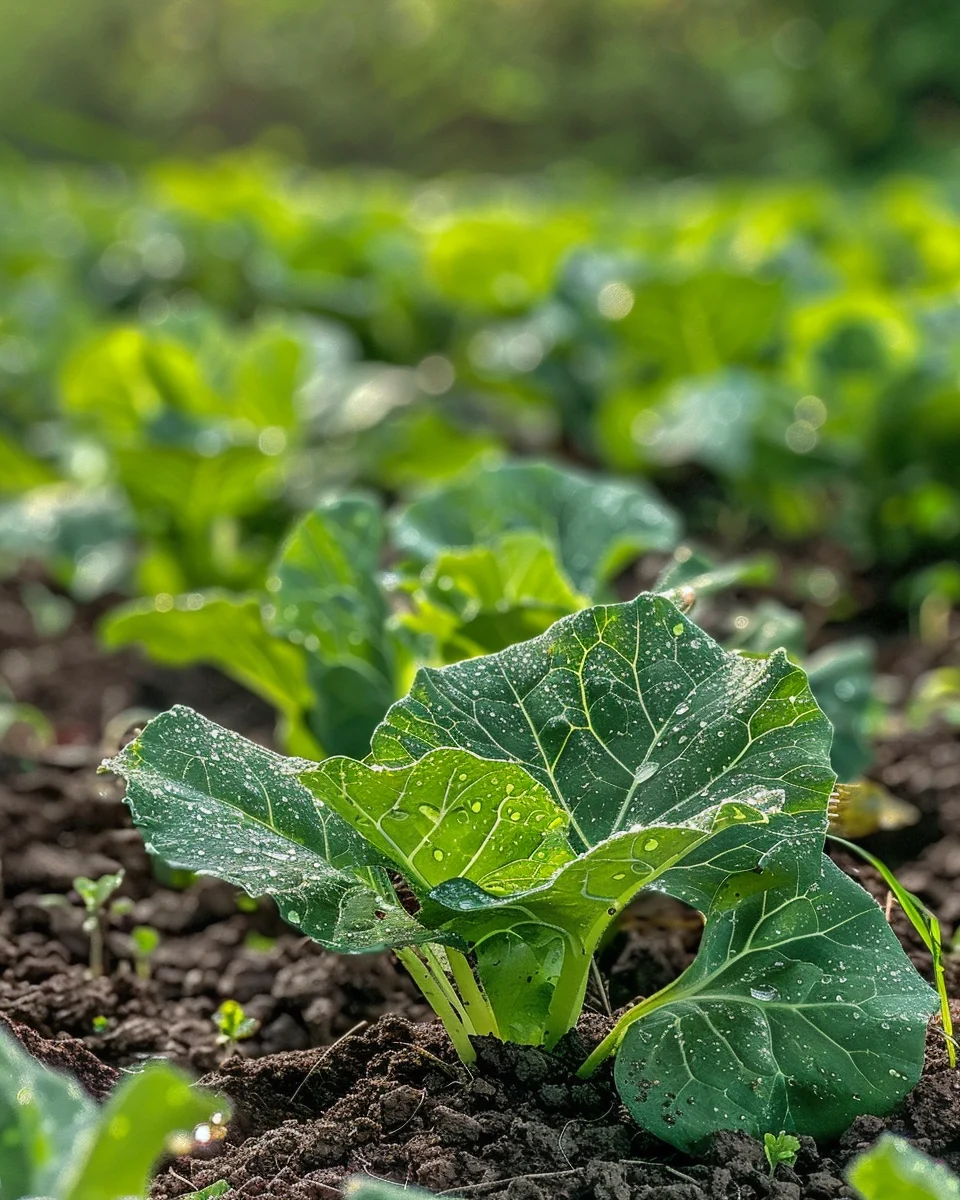
For cool-climate regions, implement the no-fertilizer approach when planting in April through May. Warm-climate gardeners can start in February through March. If you’re direct sowing seeds, wait until soil temperatures are appropriate for each specific crop. For transplants, the ideal window is 2-3 weeks after your last frost date, giving them time to establish before summer heat. In warmer zones (US 8-10), you might also consider a fall garden using this method, planting in August through September for a winter harvest without fertilizers.
Best I Skipped Fertilizer This Year And Got The Best Harvest Ever varieties to grow
• Heritage or heirloom varieties – These plants have adapted to thrive with minimal inputs over generations.
• ‘Brandywine’ tomatoes – Naturally vigorous with deep root systems that efficiently mine soil nutrients.
• ‘Provider’ bush beans – Self-sufficient nitrogen fixers that perform exceptionally well without added fertilizers.
• ‘Lacinato’ kale – Resilient and able to extract nutrients efficiently from properly prepared soil.
• ‘Detroit Dark Red’ beets – Develop excellent flavor and size in compost-rich soil without additional fertilizers.
• ‘Marketmore’ cucumbers – Vigorous producers that thrive with organic matter rather than chemical inputs.
• ‘Buttercrunch’ lettuce – Develops sweeter flavor and better texture when grown without excessive nitrogen.
• Native squash varieties – Naturally adapted to local soil conditions and resistant to nutrient stress.
How to plant I Skipped Fertilizer This Year And Got The Best Harvest Ever
Materials list:
– Quality compost (homemade or purchased)
– Organic mulch materials (straw, leaves, grass clippings)
– Garden fork or broadfork
– Rake
– Watering can or hose with gentle spray attachment
– Seeds or transplants of chosen varieties
– Soil thermometer (optional)
Step-by-step:
1. Test your soil pH and composition to understand its baseline fertility (optional but helpful).
2. Prepare beds by removing weeds and loosening soil with a garden fork to 20-30 cm (8-12 inches) deep.
3. Incorporate 5-8 cm (2-3 inches) of finished compost into the top layer of soil.
4. Level the bed with a rake, creating a smooth planting surface.
5. Plant seeds at the depth recommended on seed packets, typically 2-3 times the seed diameter.
6. For transplants, dig holes slightly larger than the root ball without adding fertilizer to the planting hole.
7. Water thoroughly after planting, ensuring the soil is evenly moist but not waterlogged.
8. Apply a 5 cm (2-inch) layer of organic mulch around plants, keeping it from touching stems.
9. Label plantings with variety names and planting dates for future reference.
10. Water again lightly to help settle the mulch.
How to grow I Skipped Fertilizer This Year And Got The Best Harvest Ever
Most vegetables require 6-8 hours of direct sunlight daily to thrive without supplemental fertilizers. Water deeply but less frequently than conventionally grown plants—about 2.5 cm (1 inch) per week, adjusting for rainfall. Instead of commercial fertilizers, top-dress with a thin layer of compost monthly during the growing season. Apply mulch generously to conserve moisture, suppress weeds, and slowly add nutrients as it breaks down. Thin seedlings according to packet recommendations to prevent competition for existing soil nutrients. For vining crops, provide sturdy trellises to maximize sunlight exposure and air circulation. In containers, use a larger pot than typically recommended—at least 40 cm (16 inches) deep—and incorporate 30-40% compost in your potting mix to provide slow-release nutrients throughout the season.
Caring for I Skipped Fertilizer This Year And Got The Best Harvest Ever
Monitor soil moisture consistently, as properly hydrated plants access existing nutrients more efficiently. Watch for nutrient deficiency signs like yellowing leaves or stunted growth—address these by adding a light compost tea rather than chemical fertilizers. For pest management, encourage beneficial insects by planting flowers like marigolds and alyssum nearby. Combat aphids with a strong water spray or neem oil solution. Prevent fungal diseases by watering at the base of plants and maintaining good air circulation. Harvest regularly to encourage continued production—most vegetables taste best when picked in the morning. Store root vegetables in cool, dark places; refrigerate leafy greens wrapped in damp cloth; and keep tomatoes at room temperature for best flavor preservation.
Understanding bolting in I Skipped Fertilizer This Year And Got The Best Harvest Ever
Bolting is when plants prematurely produce flowers and seeds, typically making leaves bitter and stems woody. Without fertilizer, plants may be more sensitive to bolting triggers, which include sudden temperature increases, extended daylight hours, and environmental stressors like drought. Prevent bolting by selecting bolt-resistant varieties, providing consistent moisture, using shade cloth during heat waves, and planting cool-season crops early enough to mature before summer heat. If bolting begins, harvest immediately for best flavor, and consider succession planting with heat-tolerant varieties. Interestingly, some gardeners report that unfertilized greens develop deeper root systems that make them more bolt-resistant in properly prepared soil.
Why does I Skipped Fertilizer This Year And Got The Best Harvest Ever turn bitter?
• Heat stress – Without fertilizer, plants may be more sensitive to temperature fluctuations; provide afternoon shade during heat waves.
• Water stress – Inconsistent watering can concentrate compounds that cause bitterness; maintain even soil moisture with regular deep watering.
• Maturity issues – Unfertilized plants sometimes mature faster; harvest earlier than you would conventionally grown vegetables.
• Poor soil biology – Without fertilizer, you need active soil microbes; increase organic matter if plants taste bitter.
• Variety selection – Some varieties naturally contain more bitter compounds; choose naturally sweet varieties for no-fertilizer growing.
Companion planting for I Skipped Fertilizer This Year And Got The Best Harvest Ever
Good companions for the no-fertilizer approach include legumes like peas and beans, which fix nitrogen naturally in the soil. Aromatic herbs such as basil and oregano repel pests while requiring minimal nutrients themselves. Deep-rooted plants like comfrey mine nutrients from lower soil layers, making them available to neighboring plants. Alliums (onions, garlic) deter many pests while taking up different nutrients than fruiting plants. Flowers like marigolds and nasturtiums attract pollinators and beneficial insects while deterring pests. Avoid planting heavy feeders like corn adjacent to other nutrient-demanding crops when not using fertilizer. Also avoid allelopathic plants like black walnut trees, which inhibit growth in nearby plants regardless of fertilization.
Seasonal calendar
• January-February: Plan garden layout, focusing on crop rotation to maximize existing soil nutrients.
• March: Prepare beds with compost incorporation; sow cool-season crops in warmer regions.
• April: Direct sow cool-season crops in most regions; prepare compost tea for emergency feeding if needed.
• May: Transplant warm-season seedlings; apply mulch to retain moisture and slowly feed plants.
• June: Monitor for signs of nutrient deficiencies; add thin compost layer if plants show stress.
• July: Maintain consistent watering; harvest mature crops regularly.
• August: Begin fall crop planting in many regions; add light compost to beds before planting.
• September: Continue harvesting summer crops; plant cover crops in emptied beds.
• October: Harvest remaining summer crops; plant garlic and overwintering crops.
• November-December: Add organic matter to beds; allow some areas to rest under mulch.
Problems & solutions
Problem | Quick Fix
— | —
Yellowing leaves | Apply compost tea and check drainage; often indicates nitrogen deficiency
Stunted growth | Add thin layer of compost around plants; ensure adequate sunlight
Flowering too early | Provide shade during hottest part of day; harvest what you can immediately
Pest infestation | Introduce beneficial insects; use organic pest controls like neem oil
Poor fruit set | Hand pollinate; ensure adequate water during flowering
Cracked fruits | Maintain consistent soil moisture with regular watering and mulch
Weak stems | Provide support structures; ensure plants aren’t competing too closely
Common questions about growing I Skipped Fertilizer This Year And Got The Best Harvest Ever
Q: Will my yields be smaller without fertilizer?
A: Not necessarily. In well-prepared soil with adequate organic matter, yields are often comparable or better, with improved flavor and plant resilience.
Q: How much sunlight do plants need when growing without fertilizer?
A: Most vegetables still require 6-8 hours of direct sunlight, though some plants may perform better with afternoon shade in hot climates.
Q: Can I grow in containers without fertilizer?
A: Yes, but use larger containers (minimum 40 cm/16 inches deep) with 30-40% compost in your potting mix to provide adequate nutrients.
Q: How do I know if my plants are nutrient deficient?
A: Watch for yellowing leaves, stunted growth, or poor flowering/fruiting. Address with compost tea rather than chemical fertilizers.
Q: Can I use this approach in any climate?
A: Yes, though you’ll need to adjust your soil preparation based on your local conditions. Warmer climates may need more frequent compost additions.
Q: How often should I water plants grown without fertilizer?
A: Typically once or twice weekly with deep watering (2.5 cm/1 inch) rather than frequent shallow watering, adjusting for rainfall and temperature.
Q: Is this approach suitable for beginners?
A: Yes, especially if you start with naturally vigorous varieties and focus on building healthy soil with compost and organic matter.