
How to Grow Indoor Plants That Thrive On Neglect: Perfect For Busy People, Best Varieties & Care Guide
Intro for Indoor Plants That Thrive On Neglect Perfect For Busy People
Indoor plants that thrive on neglect are the perfect solution for busy individuals, frequent travelers, or those who simply lack a green thumb. These resilient houseplants require minimal attention while still purifying your air and bringing natural beauty to your living spaces. Unlike demanding plants that wilt at the slightest deviation from their care routine, these hardy specimens can withstand irregular watering, fluctuating light conditions, and occasional neglect. Whether you live in a small apartment with limited natural light or have a hectic schedule that prevents regular plant maintenance, these low-maintenance varieties will flourish with minimal intervention, making them ideal companions for modern, busy lifestyles.
When to plant Indoor Plants That Thrive On Neglect Perfect For Busy People
Low-maintenance indoor plants can be purchased and established year-round in most temperate regions. However, the ideal planting time is during spring and early summer (March to June) when natural light levels are increasing and temperatures are moderate. This gives plants time to establish before the more challenging winter months. Soil temperatures between 18-24°C (65-75°F) promote optimal root development. Unlike outdoor gardening, frost dates aren’t a concern for indoor plants, but avoid bringing new plants home during extreme temperature periods, as the shock of transport during freezing or scorching weather can stress even the hardiest varieties.
Best time to plant Indoor Plants That Thrive On Neglect Perfect For Busy People
In cool-climate regions, the optimal window for establishing new low-maintenance indoor plants is April through June, when increasing daylight helps plants adapt to their new environment. For warmer regions, March through May works best, before summer heat intensifies and potentially stresses new plants. If propagating from cuttings rather than purchasing established plants, late spring to early summer (May-June) provides ideal growing conditions across most climate zones. For succulents and cacti specifically, the active growing season of spring and summer is preferable for transplanting or repotting, allowing them to establish before their semi-dormant winter period.
Best Indoor Plants That Thrive On Neglect Perfect For Busy People varieties to grow
- Snake Plant (Sansevieria trifasciata) – Virtually indestructible with striking upright leaves that thrive in low light and can go weeks without water.
- ZZ Plant (Zamioculcas zamiifolia) – Features glossy leaves that store water in their thick stems, allowing them to survive drought conditions for months.
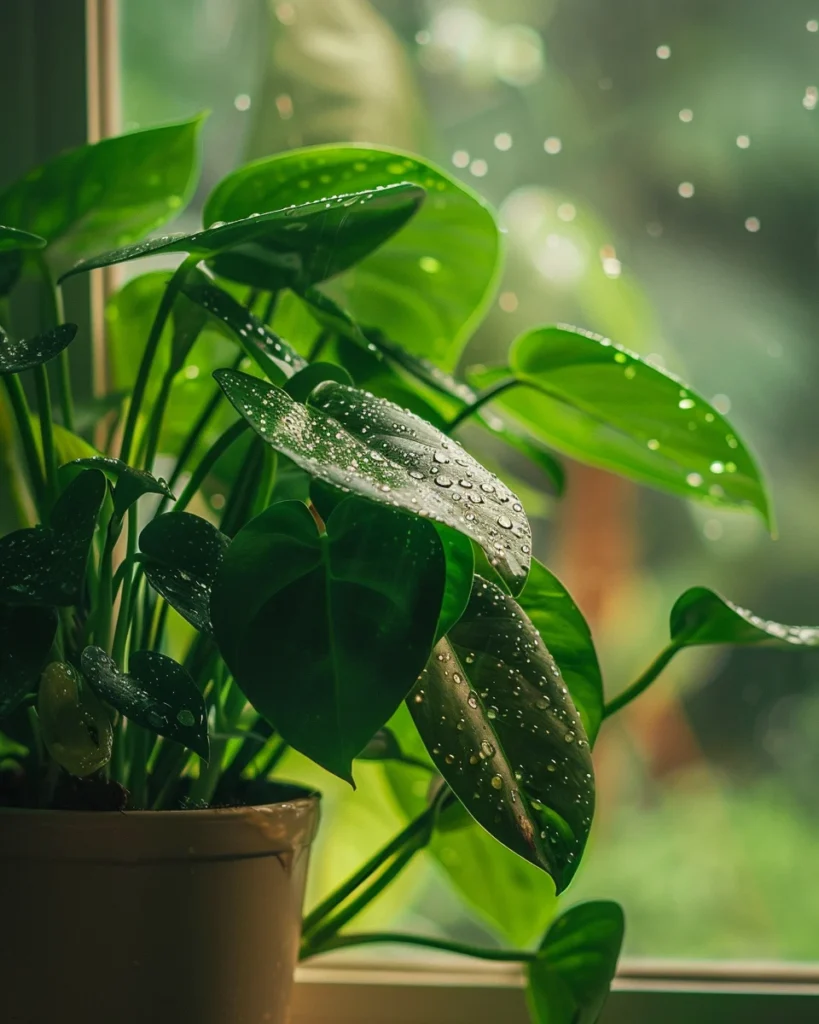
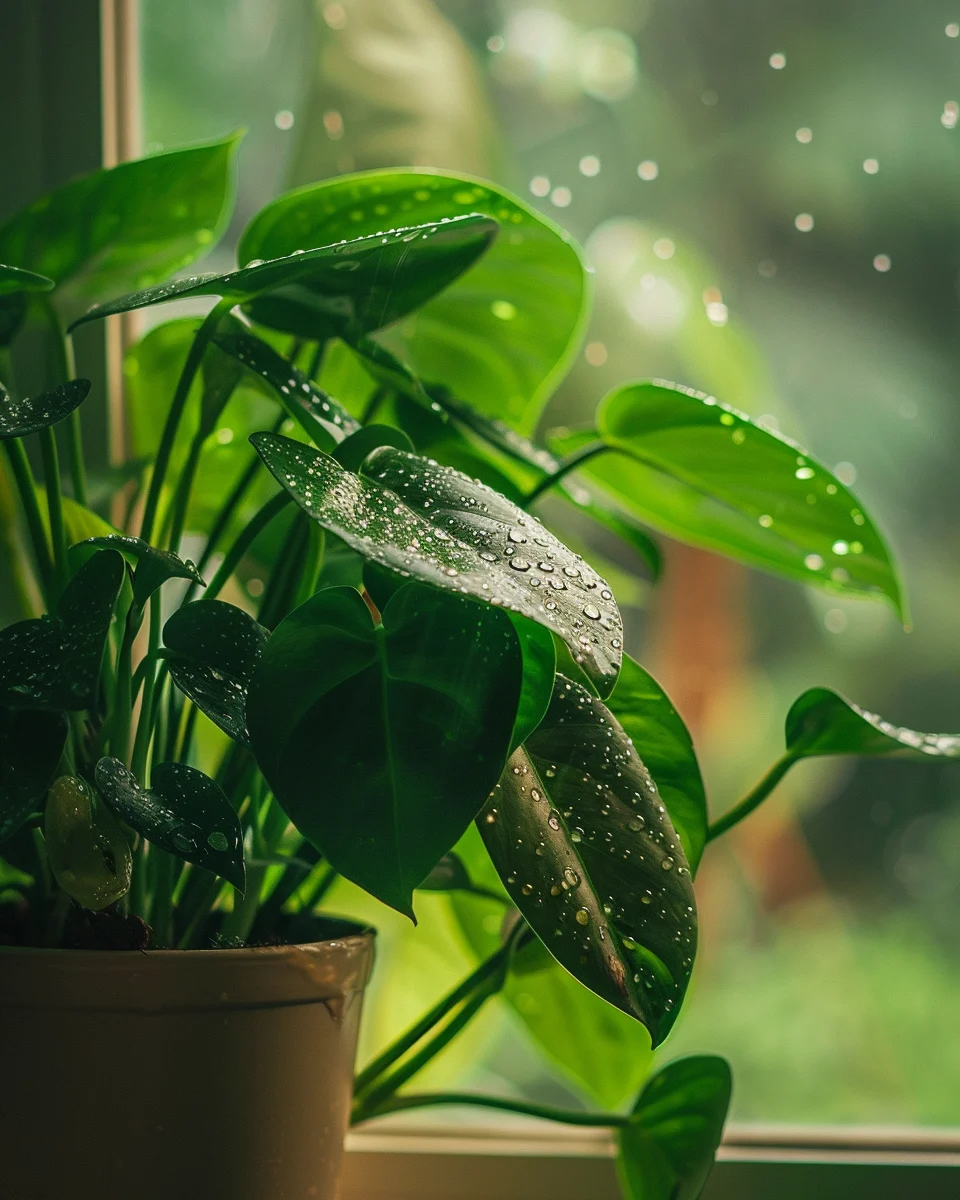
- Pothos (Epipremnum aureum) – A trailing vine with variegated heart-shaped leaves that adapts to various light conditions and forgives inconsistent watering.
- Cast Iron Plant (Aspidistra elatior) – Lives up to its name with incredible resilience to low light, temperature fluctuations, and irregular care.
- Spider Plant (Chlorophytum comosum) – Air-purifying and produces baby “spiderettes” while tolerating neglect and various light conditions.
- Jade Plant (Crassula ovata) – A succulent with thick, water-storing leaves that thrives with minimal attention and brings good fortune according to feng shui.
- Rubber Plant (Ficus elastica) – Features large, glossy leaves that add dramatic flair while requiring little maintenance beyond occasional dusting.
How to plant Indoor Plants That Thrive On Neglect Perfect For Busy People
Materials needed:
- Your chosen low-maintenance plant
- Well-draining potting mix (cactus/succulent mix for succulents)
- Container with drainage holes
- Small pebbles or broken pottery pieces
- Watering can
- Gloves (optional)
Step-by-step planting guide:
- Select a container 1-2 inches (2.5-5 cm) larger than the plant’s nursery pot with adequate drainage holes.
- Place a layer of small pebbles or broken pottery at the bottom of the pot to improve drainage.
- Fill the container about one-third full with appropriate potting mix.
- Gently remove the plant from its nursery container, loosening the roots slightly if they’re tightly bound.
- Position the plant in the center of the new pot, ensuring it sits at the same depth as in its original container.
- Add potting mix around the sides, filling to about 1 inch (2.5 cm) below the rim to allow space for watering.
- Firm the soil gently around the plant to eliminate air pockets without compacting too tightly.
- Water thoroughly until moisture drains from the bottom holes, then allow excess water to drain completely.
- Place the newly potted plant in an appropriate location based on its light requirements.
How to grow Indoor Plants That Thrive On Neglect Perfect For Busy People
Most neglect-tolerant plants prefer bright, indirect light but can adapt to medium or even low light conditions. Place them near east or north-facing windows, or a few feet away from south or west-facing windows to avoid direct sunlight that can scorch leaves. Water only when the top 1-2 inches (2.5-5 cm) of soil feels completely dry—for most varieties, this means watering every 2-4 weeks, less in winter. Fertilize sparingly, applying a balanced houseplant fertilizer at quarter-strength once every 2-3 months during spring and summer only. Skip fertilizing in fall and winter when growth naturally slows. Most low-maintenance plants don’t require pruning beyond removing occasional yellow or dead leaves. For container growing, choose pots with drainage holes and well-draining soil mixes; terra cotta pots work particularly well as they allow soil to dry more quickly, preventing root rot.
Caring for Indoor Plants That Thrive On Neglect Perfect For Busy People
The beauty of neglect-tolerant plants is their minimal maintenance requirements. Dust leaves occasionally with a damp cloth to keep them looking fresh and ensure they can photosynthesize efficiently. Rotate plants quarterly to promote even growth. Common pests include mealybugs (appearing as white cotton-like clusters) and spider mites (causing fine webbing and stippled leaves)—treat both by wiping leaves with isopropyl alcohol on a cotton swab or spraying with insecticidal soap. Root rot from overwatering is the most common disease; prevent it by allowing soil to dry between waterings and ensuring good drainage. Most low-maintenance plants don’t require regular harvesting, though spider plants produce “babies” that can be removed and propagated when they reach 2-3 inches (5-7.5 cm) in size. For long-term storage of cuttings before replanting, keep them in a glass of water in indirect light for 1-2 weeks.
Understanding bolting in Indoor Plants That Thrive On Neglect Perfect For Busy People
Bolting refers to a plant’s sudden shift from leaf production to flowering and seed production, typically triggered by stress. While common in outdoor edible plants, indoor ornamental plants rarely bolt in the traditional sense. However, some indoor plants like succulents may experience stress-induced flowering when exposed to dramatic temperature fluctuations, extreme drought, or sudden light changes. This isn’t necessarily harmful but can divert energy from foliage growth. To prevent stress responses, maintain relatively consistent conditions without dramatic environmental changes. If your plant does produce unexpected flowers, enjoy the rare display—it won’t harm the plant long-term, though energy may temporarily be diverted from leaf production. After flowering, return to normal care routines and the plant will typically resume normal growth patterns.
Why does Indoor Plants That Thrive On Neglect Perfect For Busy People turn bitter?
While bitterness isn’t relevant to ornamental houseplants in the literal taste sense, plants can develop unappealing appearances or health issues that could be considered the visual equivalent of “turning bitter”:
- Leaf yellowing or browning – Usually caused by overwatering or underwatering; adjust watering frequency based on soil moisture.
- Leggy, stretched growth – Indicates insufficient light; move plant to a brighter location while avoiding direct sun.
- Leaf drop – Often results from environmental shock; maintain more consistent temperature and avoid drafts.
- Pale, faded foliage – May indicate nutrient deficiency; apply diluted houseplant fertilizer during growing season.
- Stunted growth – Could signal root-bound conditions; repot into a slightly larger container with fresh soil.
Companion planting for Indoor Plants That Thrive On Neglect Perfect For Busy People
While companion planting is more common in outdoor gardens, grouping certain indoor plants can create beneficial microclimates and visual interest:
Good companions:
- Snake Plants with Pothos – Both thrive in similar light conditions and create attractive height variation.
- ZZ Plants with Spider Plants – Complement each other visually while sharing similar care requirements.
- Succulents with Cacti – Share watering needs and create desert-inspired displays.
- Rubber Plants with Philodendrons – Both enjoy moderate humidity and create lush, tropical groupings.
- Air Plants with Bromeliads – Require minimal soil and can be displayed creatively together.
Avoid planting near:
- Ferns near Cacti/Succulents – Their opposing humidity and water needs make them incompatible neighbors.
- Trailing vines near slow-growing specimens – Fast-growing vines may overwhelm and shade slower-growing plants.
- Plants with vastly different light requirements – One will inevitably suffer if forced to share unsuitable conditions.
Seasonal calendar
Spring (March-May):
- Ideal time to purchase or repot neglect-tolerant plants
- Begin light fertilization schedule (quarter-strength)
- Increase watering slightly as growth resumes
- Check for new growth and prune any winter damage
Summer (June-August):
- Monitor for increased water needs during hot periods
- Continue light fertilization every 6-8 weeks
- Rotate plants for even growth
- Propagate cuttings if desired
Fall (September-November):
- Reduce watering as growth slows
- Stop fertilizing
- Move plants away from cold windows and drafts
- Clean leaves before winter’s lower light levels
Winter (December-February):
- Minimal watering—soil should dry completely between waterings
- No fertilization needed
- Protect from cold drafts and heating vents
- Monitor humidity levels, especially with forced-air heating
Problems & solutions
| Problem | Quick Fix |
|---|---|
| Yellowing leaves | Usually indicates overwatering; allow soil to dry completely before next watering and ensure good drainage. |
| Brown leaf tips | Sign of low humidity; mist occasionally or place on a pebble tray with water. |
| Pale, leggy growth | Insufficient light; move to a brighter location while avoiding direct sunlight. |
| White fuzzy spots | Mealybugs; isolate plant and treat with alcohol-dipped cotton swabs or insecticidal soap. |
| Soft, mushy stems | Root rot from overwatering; remove affected parts, repot in fresh soil, and water less frequently. |
| Leaf drop | Environmental shock; maintain consistent temperature and avoid relocating plants frequently. |
| Dusty, dull leaves | Clean with a damp cloth or give plants a gentle shower to restore shine and improve photosynthesis. |
Common questions about growing Indoor Plants That Thrive On Neglect Perfect For Busy People
How often should I water my neglect-tolerant plants?
Most neglect-tolerant plants should only be watered when the top 1-2 inches (2.5-5 cm) of soil is completely dry. Depending on your home’s conditions, this typically means watering every 2-4 weeks, less frequently in winter.
Can low-maintenance plants survive in low light?
Many neglect-tolerant plants like Snake Plants, ZZ Plants, and Pothos can adapt to low light conditions, though they may grow more slowly. Avoid placing them in completely dark areas or direct sunlight.
What size container is best for low-maintenance plants?
Choose containers only 1-2 inches (2.5-5 cm) larger than the plant’s root ball. Overly large pots retain excess moisture, which can lead to root rot even in drought-tolerant species.
How much space do these plants need?
Most neglect-tolerant plants grow relatively slowly and don’t require much spacing. Allow room for their mature size, typically keeping 6-12 inches (15-30 cm) between different plants to ensure adequate air circulation.
Can neglect-tolerant plants survive in air-conditioned or heated rooms?
Yes, most can tolerate temperature fluctuations between 60-85°F (15-29°C). However, keep them away from direct drafts from vents, heaters, or air conditioners, which can cause stress and leaf drop.
How do I know if my low-maintenance plant needs repotting?
Most neglect-tolerant plants only need repotting every 2-3 years. Signs it’s time include roots growing through drainage holes, water running straight through without being absorbed, or the plant becoming top-heavy and unstable.
Can I leave my neglect-tolerant plants while on vacation?
Absolutely! Most varieties can survive 2-4 weeks without water, making them perfect for travelers. For extended absences (over a month), arrange for someone to water them once or twice, or consider self-watering devices for longer trips.