
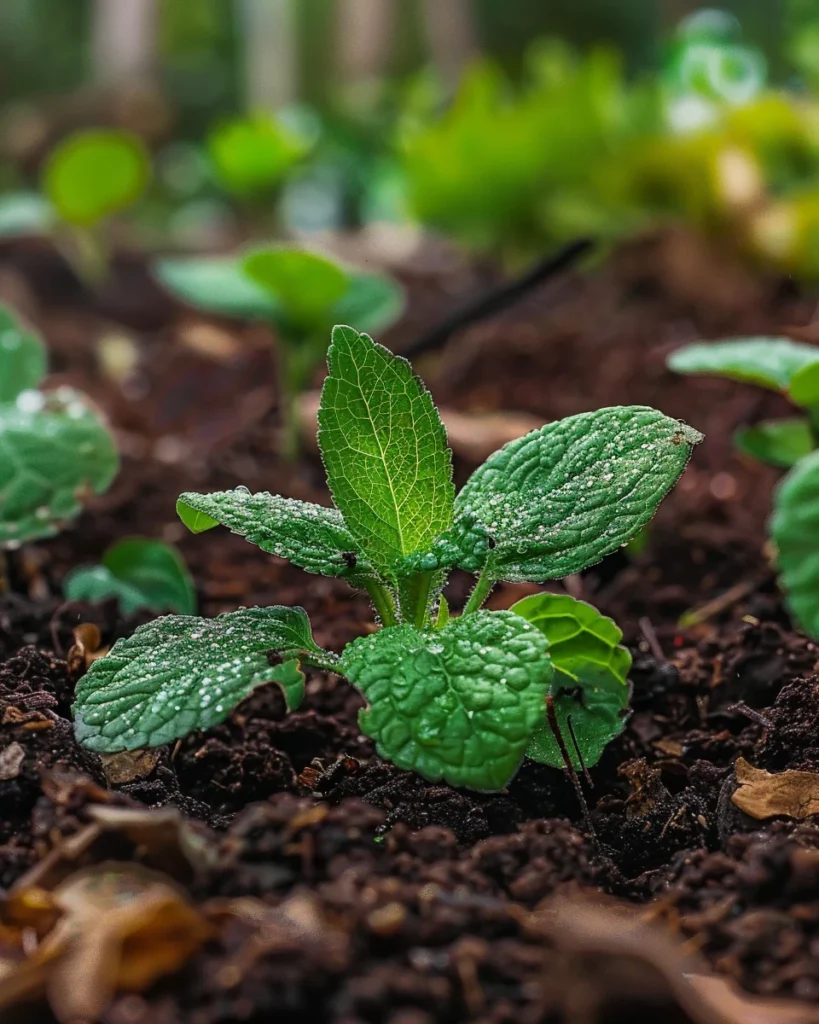
My First Companion Planting Experience: What I Learned About Plant Partnerships in the Garden
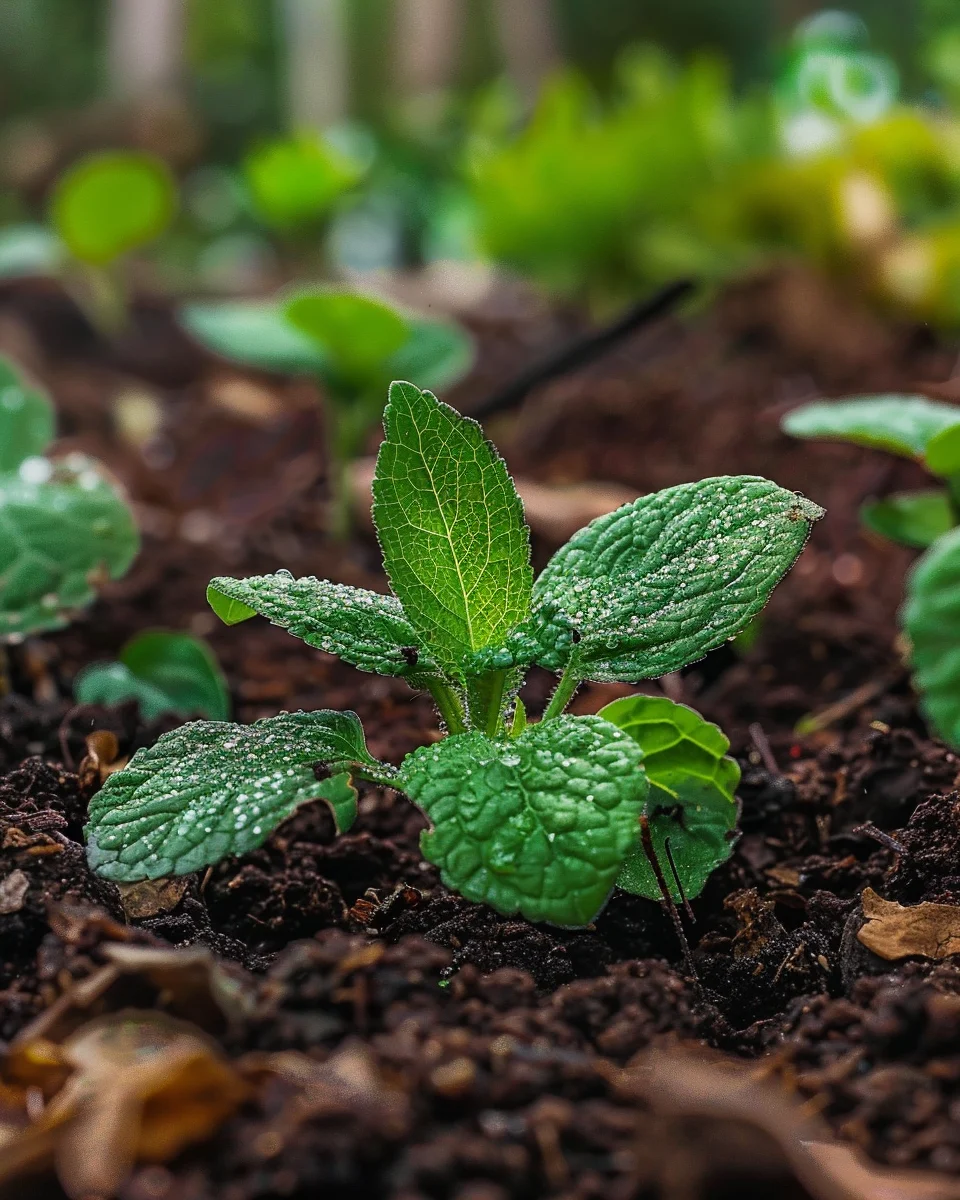
Intro for Companion Planting
Companion planting is the strategic placement of different plant species together to benefit each other’s growth, deter pests, or improve flavor. This ancient gardening technique creates a harmonious ecosystem where plants support one another through natural processes. When I first heard about companion planting, I was skeptical but intrigued by the potential benefits: reduced pest problems, improved pollination, maximized space usage, and enhanced yields—all without chemical interventions. After years of conventional gardening with mixed results, I decided to experiment with companion planting in my modest backyard garden. The results were eye-opening and transformed my approach to growing vegetables and herbs.
When to plan companion planting
The best time to plan your companion planting strategy is during the winter months when you’re mapping out your garden for the upcoming growing season. In temperate regions, January through March provides ample time to research plant combinations and design your garden layout before spring planting begins. Soil temperature considerations vary by plant combinations, but generally, wait until soil temperatures reach at least 10°C (50°F) for cool-season companions and 15-18°C (60-65°F) for warm-season plant partnerships. Most companion planting arrangements should be implemented after the danger of frost has passed in your region to ensure all plants have the best chance of establishing successfully.
Best time to implement companion planting
In cool temperate regions (UK, Northern US, Canada), implement companion planting from mid-spring (April-May) through early summer (June). In warmer regions (US Zones 7-10, Mediterranean climates), you can begin as early as March and continue through September with succession planting. For direct sowing companions like basil and tomatoes, wait until soil has warmed sufficiently. For transplants like marigolds alongside vegetables, coordinate timing so both plants reach maturity during their optimal growing periods. Some companion relationships, like planting garlic in fall to protect spring crops, require advance planning across seasons.
Best companion planting combinations to grow
• Tomatoes and Basil: Basil repels tomato hornworms and improves tomato flavor while thriving in similar growing conditions.
• Three Sisters (Corn, Beans, Squash): A Native American technique where corn provides support, beans fix nitrogen, and squash leaves shade the soil and deter pests.
• Carrots and Onions: Onion family plants mask the scent of carrots from carrot flies while carrots deter onion pests.
• Nasturtiums and Cucumbers: Nasturtiums act as trap crops for aphids and add vibrant edible flowers to the garden.
• Marigolds with Vegetables: These versatile flowers repel nematodes and many insects while attracting beneficial pollinators.
• Borage and Strawberries: Borage deters strawberry pests and attracts pollinators that increase strawberry yields.
• Rosemary and Cabbage: The strong aroma of rosemary confuses and repels cabbage moths and other brassica pests.
How to plan companion planting
Materials list:
– Garden journal or planning software
– Plant spacing guide
– Companion planting reference chart
– Garden stakes or markers
– Measuring tape
– Garden twine
– Quality compost or organic fertilizer
– Watering can or irrigation system
Step-by-step:
1. Research compatible plant combinations for your desired crops using reliable companion planting guides.
2. Create a garden map showing where each plant will go, accounting for mature sizes and spacing requirements.
3. Group plants with similar water and sunlight needs together to simplify maintenance.
4. Incorporate flowering companions throughout the garden to attract beneficial insects.
5. Plan for succession planting where appropriate (e.g., lettuce followed by beans).
6. Prepare garden beds with quality compost to support all companion plants.
7. Mark planting locations with stakes and labels to avoid confusion during planting.
8. Plant taller companions on the north side of shorter plants to prevent shading.
9. Space plants according to their individual needs while ensuring companions are close enough to benefit each other.
10. Water thoroughly after planting to help establish all companions.
How to grow using companion planting
Most companion plantings thrive in full sun (6-8 hours daily), though some combinations work well in partial shade. Water deeply but infrequently, allowing soil to dry slightly between waterings to encourage deep root growth. Apply balanced organic fertilizer at half-strength monthly, as over-fertilizing can diminish the aromatic compounds that make some companions effective pest deterrents. Mulch around all plants to suppress weeds that compete with your companions and maintain consistent soil moisture. Thin seedlings according to each plant’s requirements to prevent overcrowding, which can negate companion benefits. In containers, choose compact varieties and ensure pots are at least 12 inches (30 cm) deep and wide to accommodate multiple plant root systems. Monitor plant interactions regularly—if one companion appears to be struggling, you may need to adjust spacing or growing conditions.
Caring for companion planted gardens
Regularly observe plant interactions and be prepared to make adjustments if certain companions aren’t thriving together. Watch for pest concentrations on trap crops like nasturtiums and remove heavily infested leaves. Common disease issues include powdery mildew, which can spread between companions—maintain good air circulation and avoid overhead watering to prevent this. For organic pest control, introduce beneficial insects like ladybugs or lacewings that will patrol your entire companion system. Harvest herbs regularly to promote bushier growth that continues to benefit neighboring plants. When harvesting vegetables, be careful not to disturb companion root systems. Most companion-grown produce can be stored using the same methods as conventionally grown crops, though many gardeners report improved flavor and slightly extended shelf life.
Understanding bolting in companion planting
Bolting is when plants prematurely produce flowers and seeds, often making leaves bitter and halting vegetative growth. In companion planting arrangements, if one plant bolts, it can affect the benefits it provides to companions. Heat is the most common trigger, especially for cool-season companions like cilantro, lettuce, and spinach when temperatures exceed 27°C (80°F). Long daylight hours (photoperiod) can trigger bolting in plants like onions and beets. Drought stress accelerates bolting, so maintain consistent moisture. Prevent bolting by planting heat-sensitive companions in partial shade of taller plants, using succession planting, and selecting bolt-resistant varieties. If a companion bolts, you can still leave flowering plants to attract beneficial insects while planting a replacement nearby.
Why does companion planting sometimes fail?
• Incompatible combinations: Some plants actively inhibit others’ growth through root exudates or competition for resources.
• Improper spacing: Placing companions too close together can create competition rather than cooperation.
• Timing misalignment: Companions planted at wrong times relative to each other won’t provide intended benefits.
• Overwhelming pest pressure: Extreme infestations can overcome the protective benefits of companion planting.
• Environmental stress: Drought, extreme heat, or poor soil can weaken plants regardless of companion benefits.
Companion planting for pest management
Good companions for pest management include:
• Marigolds: Release thiophene into soil, repelling nematodes and many insects; plant throughout the garden.
• Garlic: Deters aphids and many beetles; plant near roses and fruit trees.
• Nasturtiums: Act as trap crops for aphids; plant near cucumbers, squash, and brassicas.
• Dill: Attracts beneficial wasps that prey on caterpillars; plant near cabbage family crops.
• Mint: Repels cabbage moths and ants; keep in containers to prevent spreading.
Avoid planting these combinations:
• Fennel near most vegetables (inhibits growth of many plants)
• Beans near onions and garlic (onion family inhibits bean growth)
• Potatoes near tomatoes (increases disease susceptibility in both)
Seasonal calendar
• January-February: Plan companion planting layout, order seeds
• March: Start warm-season companions indoors, direct sow cold-hardy companions
• April: Plant cool-season companions, prepare beds for warm-season plants
• May: Transplant warm-season companions after frost danger passes
• June: Monitor for pest issues, add quick-growing companions between established plants
• July: Maintain consistent watering, harvest herbs regularly to benefit companions
• August: Begin succession planting for fall companions, remove any failing plants
• September: Plant fall companions like garlic near future spring crops
• October: Add cover crops to beds where companions have finished
• November-December: Evaluate companion successes and failures, take notes for next season
Problems & solutions
Problem | Quick Fix
— | —
One companion outcompeting another | Increase spacing or choose less vigorous varieties
Pest pressure despite companions | Add more diverse companions or introduce beneficial insects
Allelopathic effects (one plant inhibiting another) | Research combinations more carefully, separate incompatible plants
Timing mismatch between companions | Use succession planting or choose varieties with similar maturity dates
Nutrient competition | Increase fertilization slightly or choose companions with different nutrient needs
Overcrowding reducing air circulation | Thin plants according to spacing guidelines, prune as needed
Companions with different water needs | Group plants with similar requirements or use targeted irrigation
Common questions about growing with companion planting
How often should I water companion planted beds?
Water deeply when the top inch of soil feels dry, typically 1-2 times weekly depending on weather conditions. Consistent moisture is important for maintaining plant health and the chemical processes that make companion planting effective.
Can I practice companion planting in containers?
Yes, containers work well for companion planting, though you’ll need larger pots (minimum 12 inches/30 cm diameter) and should choose compact varieties. Herb/vegetable combinations like basil and tomatoes or marigolds and peppers are particularly effective in containers.
How close should companion plants be to each other?
Companions should be close enough to interact (typically within 12-18 inches/30-45 cm) but not so close that they compete for resources. Follow individual spacing requirements for each plant while ensuring they remain in proximity.
Will companion planting completely eliminate pest problems?
Companion planting reduces but rarely eliminates pest issues. It works best as part of an integrated pest management approach that includes healthy soil, biodiversity, and physical barriers when needed.
How do I know if my companion planting is working?
Success indicators include reduced pest damage, vigorous growth, improved yields, and better flavor compared to previous years or control plants. Keep a garden journal to track these metrics.
Can companion planting improve flavor of vegetables?
Yes, certain companions like basil with tomatoes or chives with carrots have been shown to improve flavor through biochemical interactions and by reducing plant stress that can cause bitterness.
Should I rotate companion plant groupings each year?
Yes, rotate plant families and their companions to different garden areas each season to prevent soil-borne disease buildup and nutrient depletion specific to certain plant combinations.