
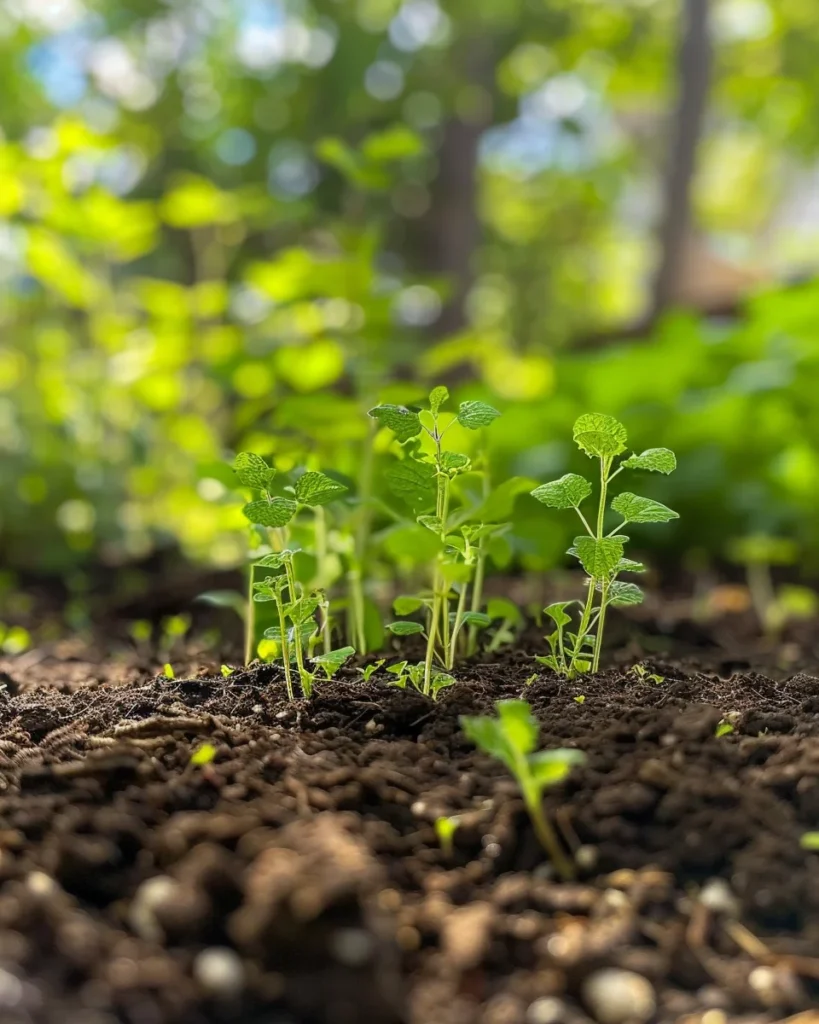
How to Create a Simple Indoor Herb Garden: Never Buy Herbs Again with This Easy Setup
Intro for Indoor Herb Gardens
An indoor herb garden is a practical and rewarding way to ensure a constant supply of fresh herbs for cooking, regardless of the season or available outdoor space. This simple setup allows you to grow culinary favorites like basil, mint, rosemary, and thyme right in your kitchen, where they’re most accessible when cooking. Indoor herb gardens thrive in bright locations with good air circulation and can be customized to fit any space, from windowsills to countertops. Beyond saving money on store-bought herbs, growing your own provides superior flavor, eliminates packaging waste, and offers the satisfaction of harvesting exactly what you need, when you need it.
When to plant an indoor herb garden
One of the greatest advantages of an indoor herb garden is that you can start it any time of year. Unlike outdoor gardens that depend on seasonal conditions, indoor herbs can be planted whenever you’re ready. However, many gardeners find that starting herbs indoors during late winter or early spring (February-March) gives plants a chance to establish before summer cooking season. If you’re growing from seed, ambient room temperatures of 18-24°C (65-75°F) will promote good germination. For those purchasing small starter plants, acclimating them to your indoor environment gradually over a week helps ensure successful transplanting.
Best time to plant an indoor herb garden
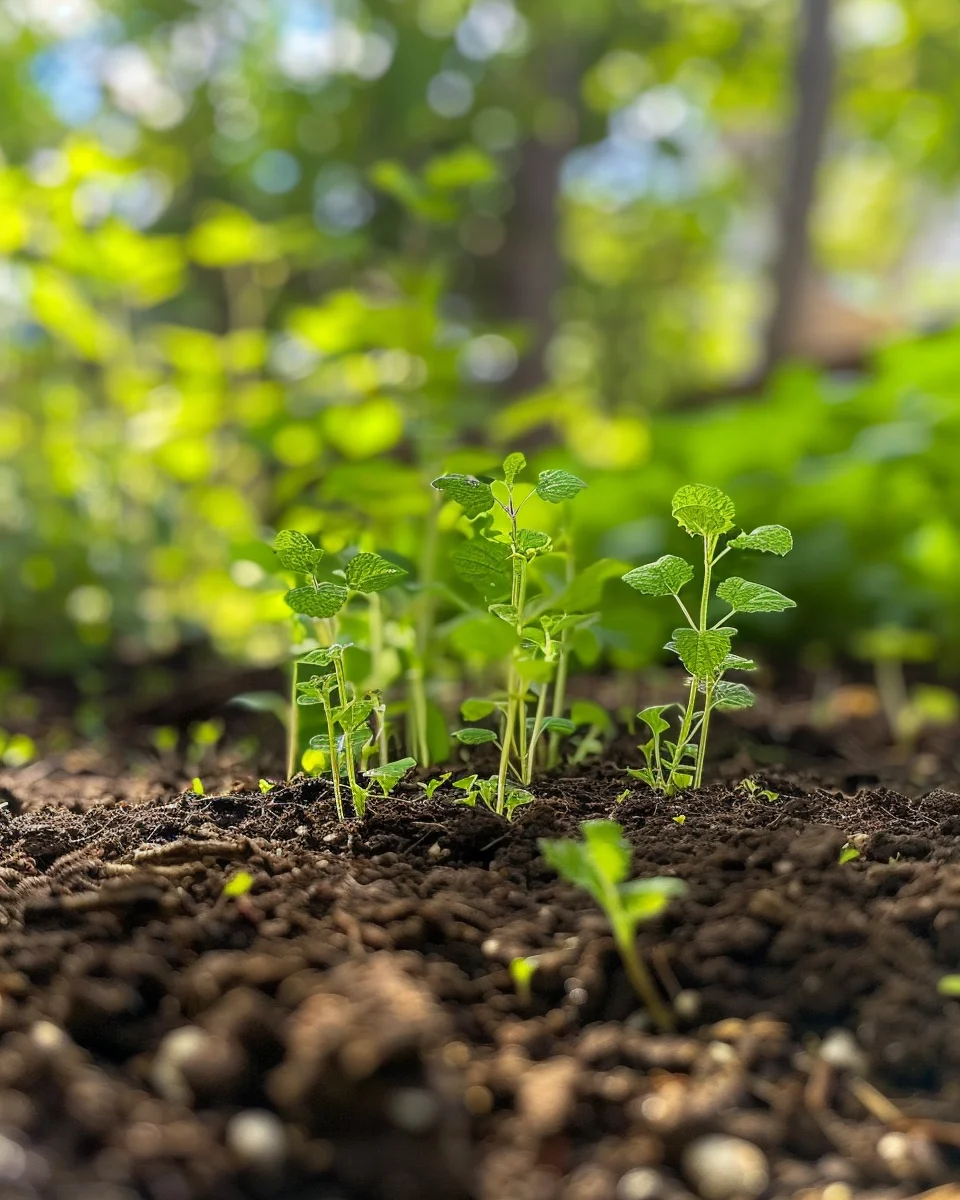
While you can start an indoor herb garden any time, certain periods offer advantages. In northern temperate regions, October through February is ideal for establishing indoor herbs when outdoor gardening options are limited. For warm climate regions, summer can be perfect for starting indoor herbs as intense outdoor heat can stress many herb varieties. If starting from seed, begin annual herbs like basil and cilantro 6-8 weeks before you want harvestable herbs. Perennial herbs like rosemary, thyme, and sage can be planted as small nursery transplants year-round, though they typically establish better during spring and fall.
Best herb varieties to grow indoors
– Genovese Basil – Compact growth habit with classic Italian flavor, perfect for small spaces and frequent harvesting.
– Spicy Globe Basil – Naturally dwarf variety that forms a neat, rounded shape ideal for containers.
– Greek Oregano – More intense flavor than common oregano and adapts well to container growing with minimal light.
– Spearmint – Vigorous grower that provides abundant harvests even in less-than-ideal light conditions.
– Lemon Thyme – Drought-tolerant with bright citrus notes and compact growth perfect for indoor containers.
– Fernleaf Dill – Compact variety bred specifically for containers that’s slower to bolt than standard dill.
– Cilantro ‘Slow Bolt’ – Specially bred to resist flowering in warm conditions, extending the harvest period.
– Rosemary ‘Blue Boy’ – Dwarf variety with excellent flavor that stays manageable in containers.
How to plant an indoor herb garden
Materials list:
– Containers with drainage holes (clay, plastic, or ceramic)
– High-quality potting mix specifically for containers
– Herb seedlings or seeds
– Small pebbles or broken pottery for drainage
– Watering can with gentle spray
– Plant labels
– Liquid organic fertilizer
– Scissors or pruning shears
Step-by-step:
1. Select containers that are at least 15-20 cm (6-8 inches) deep with adequate drainage holes.
2. Place a layer of small pebbles or broken pottery at the bottom of each container to improve drainage.
3. Fill containers with high-quality potting mix to about 2.5 cm (1 inch) below the rim.
4. For seedlings, dig holes slightly larger than the root ball of each plant.
5. Gently remove seedlings from their nursery containers, loosen the roots slightly, and place in the prepared holes.
6. For seeds, follow packet instructions for planting depth (generally 2-3 times the seed diameter).
7. Cover seeds lightly with soil and mist gently with water.
8. Place plant labels to identify each herb.
9. Water thoroughly until moisture comes through the drainage holes.
10. Position containers in their permanent location based on light requirements.
How to grow an indoor herb garden
Most culinary herbs need at least 6 hours of bright light daily. South or west-facing windows are ideal, though supplemental grow lights can help during winter months or in less sunny locations. Water herbs when the top inch of soil feels dry to the touch, typically every 3-7 days depending on humidity and container size. Avoid both soggy soil and complete drying out. Feed herbs monthly with half-strength liquid organic fertilizer during active growth periods. Ensure good air circulation around plants to prevent fungal issues, but keep herbs away from cold drafts or heating vents. For container-grown herbs, choose pots that allow at least 15-20 cm (6-8 inches) of soil depth for proper root development. Rotate containers weekly to encourage even growth, as plants naturally lean toward light sources.
Caring for an indoor herb garden
Regular harvesting actually promotes bushier growth and more abundant yields. Pinch growing tips frequently on herbs like basil and mint to encourage branching. Watch for common indoor pests like aphids and spider mites, which can be treated by spraying leaves with a mild solution of water and insecticidal soap. Powdery mildew, a common indoor herb disease, appears as white powder on leaves and can be prevented with good air circulation and avoiding overhead watering. Harvest herbs in the morning when their essential oils are most concentrated. For leafy herbs like basil and cilantro, never remove more than one-third of the plant at once. Most fresh herbs can be stored in the refrigerator wrapped in slightly damp paper towels, or preserved by freezing in olive oil in ice cube trays.
Understanding bolting in indoor herbs
Bolting is when herbs suddenly produce flower stalks and set seed, often making leaves bitter or less flavorful. Indoor herbs typically bolt due to temperature stress (especially heat), insufficient light causing leggy growth, or age (annuals naturally complete their lifecycle). Consistent temperatures between 18-24°C (65-75°F) help prevent premature bolting. Regularly harvesting herbs, particularly pinching growing tips, delays flowering. If herbs do bolt, you can still harvest and use the flowers (which are often edible), collect seeds for future planting, or simply replace the plant with a new seedling. Some herbs like cilantro and dill are particularly bolt-prone, so consider succession planting these varieties every few weeks for continuous harvest.
Why does my indoor herb garden struggle?
– Yellowing leaves – Usually indicates overwatering; allow soil to dry more between waterings and ensure good drainage.
– Leggy, sparse growth – Insufficient light; move to brighter location or add supplemental lighting.
– Brown, crispy leaf edges – Too dry or too much fertilizer; water more consistently and reduce fertilizer strength.
– Stunted growth – Root-bound plants or poor soil; repot into larger container with fresh potting mix.
– Pest infestation – Isolate affected plants, treat with insecticidal soap, and improve air circulation.
Companion planting for indoor herbs
Basil and parsley grow well together as they have similar water and light requirements. Thyme, rosemary, and sage make excellent container companions as they all prefer drier conditions and are Mediterranean natives. Mint should be grown separately as it’s aggressive and can overtake other herbs. Chives complement parsley and basil well, adding visual interest with their upright growth habit. Avoid planting dill near fennel as they can cross-pollinate and affect flavor. Similarly, different mint varieties should be kept separate if you want to maintain their distinct flavors and prevent hybridization.
Seasonal calendar
– January-February: Start seeds of annual herbs indoors; check perennial herbs for adequate light.
– March-April: Increase feeding as daylight hours lengthen; start succession plantings of fast-growing herbs.
– May-June: Move some containers outdoors if weather permits; harvest abundantly as growth accelerates.
– July-August: Monitor for heat stress; increase watering frequency; provide shade if needed.
– September-October: Bring outdoor herbs inside before first frost; take cuttings of perennial herbs.
– November-December: Reduce feeding; provide supplemental light as daylight decreases; harvest sparingly.
Problems & solutions
| Problem | Quick Fix |
|---|---|
| Herbs dying after purchase | Repot immediately into proper containers with drainage; nursery pots are temporary |
| Mold on soil surface | Reduce watering, increase air circulation, remove affected soil layer |
| Herbs not producing flavor | Increase light exposure; most flavorful herbs need at least 6 hours of bright light |
| Basil leaves turning black | Likely cold damage; keep basil away from cold windows and drafts |
| Herbs flowering too quickly | Harvest more frequently, pinch flower buds as they form |
| Rosemary dropping needles | Likely too little light or overwatering; allow to dry between waterings |
Common questions about growing an indoor herb garden
How often should I water my indoor herbs?
Water when the top inch of soil feels dry to the touch, typically every 3-7 days depending on humidity, container size, and herb variety. Mediterranean herbs like rosemary and thyme prefer drier conditions than basil or cilantro.
Can I use regular garden soil for my indoor herbs?
No, garden soil is too heavy and may contain pests or diseases. Always use a high-quality potting mix specifically formulated for containers, which provides better drainage and aeration.
How big should containers be for indoor herbs?
Most culinary herbs need containers at least 15-20 cm (6-8 inches) deep with a similar diameter. Larger herbs like rosemary may need pots up to 30 cm (12 inches) deep for proper root development.
Can I grow herbs with just artificial light?
Yes, herbs can thrive under grow lights if they receive 12-16 hours of light daily. Position lights 15-30 cm (6-12 inches) above plants and use full-spectrum bulbs for best results.
How do I harvest herbs without killing the plant?
Never remove more than one-third of the plant at once. For most leafy herbs, pinch or cut stems just above a leaf node or branching point to encourage new growth. Harvest outer leaves first, leaving the center growing point intact.
Why are my indoor herbs flowering so quickly?
Flowering (bolting) is often triggered by heat, age, or stress. Regular harvesting, particularly of growing tips, delays flowering. Some annual herbs naturally complete their lifecycle quickly and may need replacement every few months.
Can I grow all herbs together in one container?
While visually appealing, combining herbs with different water, light, and soil preferences often leads to problems. Group herbs with similar needs: Mediterranean herbs (rosemary, thyme, sage) together, and moisture-loving herbs (basil, cilantro, parsley) in separate containers.