
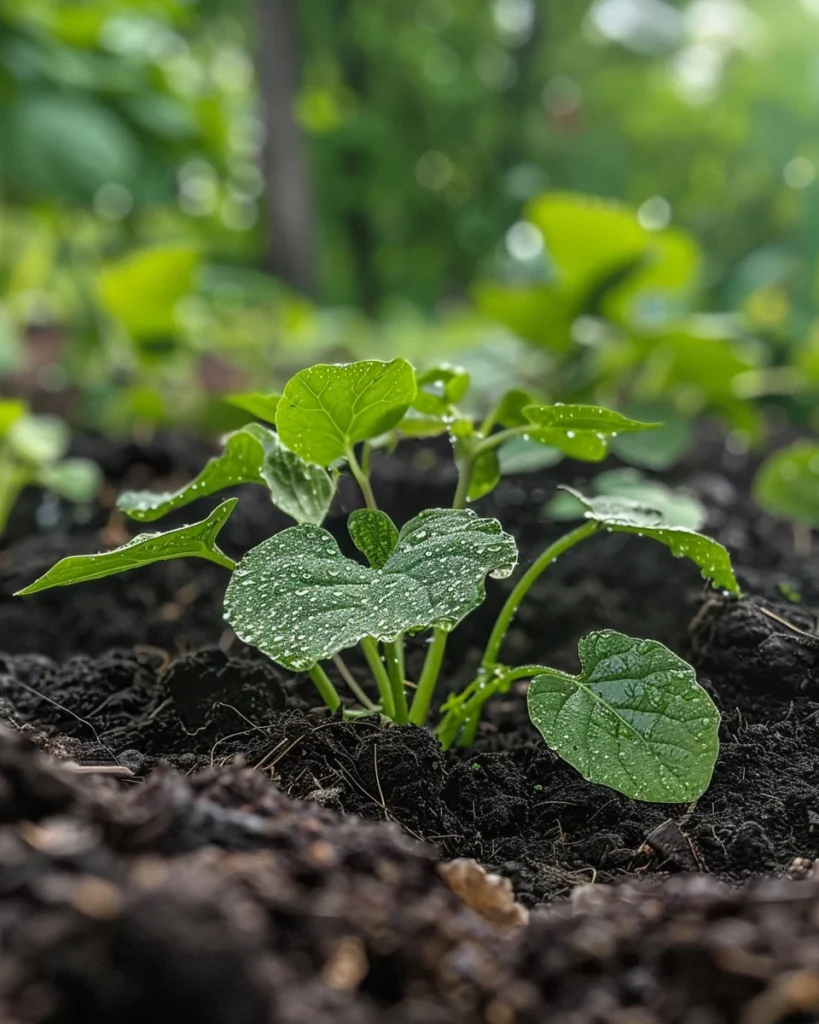
My Weekly Compost Routine For Rich Black Gold Soil: A Step-by-Step Guide to Creating Nutrient-Dense Garden Compost
Intro for My Weekly Compost Routine For Rich Black Gold Soil
Composting is the gardener’s alchemy—transforming kitchen scraps and yard waste into nutrient-rich “black gold” that nourishes plants and improves soil structure. A consistent weekly compost routine makes this process efficient and effective, eliminating odors and accelerating decomposition. By dedicating just 15-20 minutes each week to your compost pile, you’ll create a sustainable cycle that reduces waste, saves money on fertilizers, and produces the richest growing medium possible for your garden. This routine works in nearly all temperate climates and can be adapted for urban settings with limited space or rural properties with abundant materials.
When to plant My Weekly Compost Routine For Rich Black Gold Soil
Unlike traditional planting, a compost routine can begin any time of year. However, the most efficient decomposition occurs when ambient temperatures range between 13-32°C (55-90°F). In colder regions, decomposition slows dramatically below 10°C (50°F), while extremely hot weather above 35°C (95°F) can cause moisture issues. For beginners, starting your routine in spring or early fall provides ideal conditions as moderate temperatures and natural moisture levels support microbial activity. Even during winter freezes, you can continue adding materials—decomposition will resume when temperatures rise.
Best time to plant My Weekly Compost Routine For Rich Black Gold Soil
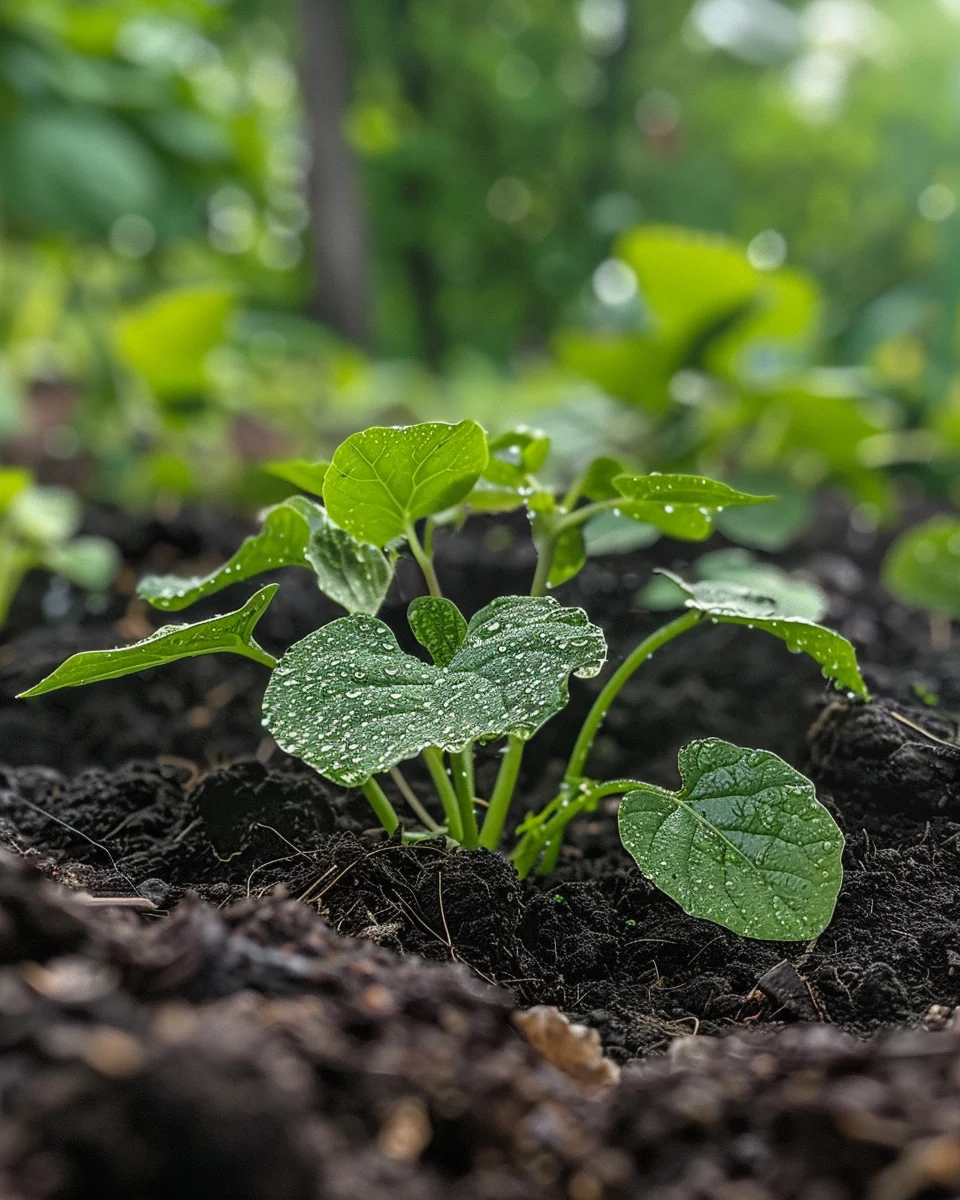
The optimal time to establish your weekly compost routine is early spring (March-April in most temperate regions) when temperatures begin warming and garden cleanup provides abundant materials. In warmer climates (US Zones 8-10), any time between February and November works well. For cool-climate gardeners (Zones 3-6), focus on maximizing your routine from April through October when decomposition is most active. If starting with a new bin or pile, begin 3-6 months before you’ll need finished compost for your garden to ensure adequate processing time.
Best My Weekly Compost Routine For Rich Black Gold Soil varieties to grow
While composting isn’t about varieties in the traditional sense, there are different approaches to suit your needs:
• Traditional Turned Pile – Perfect for larger properties with abundant yard waste; produces rich compost in 3-6 months with weekly turning.
• Layered/Lasagna Method – Ideal for beginners; alternates green and brown materials with minimal turning required.
• Vermicomposting – Perfect for apartments or small spaces; uses worms to process kitchen scraps quickly into nutrient-dense castings.
• Bokashi System – Fermentation-based method that handles all food waste including meat and dairy; excellent for urban gardeners.
• Tumbler System – Clean, contained option that produces finished compost in as little as 4-8 weeks with regular turning.
• Three-Bin System – Efficient for continuous composting; allows materials to move through stages from fresh to finished.
• Trench Composting – Direct garden application method; decomposition happens right in the soil where plants will grow.
How to plant My Weekly Compost Routine For Rich Black Gold Soil
Materials list:
• Compost bin, tumbler, or designated area (minimum 3×3 feet)
• Garden fork or compost aerator tool
• Pruning shears for cutting larger materials
• Kitchen compost collector
• Spray bottle or hose with adjustable nozzle
• Optional: compost thermometer
• Optional: compost accelerator
Step-by-step:
1. Select a location that’s partially shaded and convenient to access year-round, ideally with some protection from extreme weather.
2. Set up your chosen compost system, ensuring good contact with the soil if using an open-bottom bin or pile.
3. Create a base layer of twigs or chopped brush (10-15 cm/4-6 inches) to promote airflow from below.
4. Begin collecting kitchen scraps in your counter container throughout the week.
5. Establish a collection point for dry “brown” materials like fallen leaves, shredded paper, or cardboard.
6. Start your first proper layer with a 10 cm (4-inch) layer of brown materials.
7. Add your collected green materials (kitchen scraps, fresh plant trimmings) in a thinner layer (5 cm/2 inches).
8. Lightly water each layer if materials appear dry (should feel like a wrung-out sponge).
9. Cover with another brown layer to prevent odors and deter pests.
10. Mark your calendar for weekly maintenance sessions.
How to grow My Weekly Compost Routine For Rich Black Gold Soil
Your compost pile needs balanced conditions to thrive. Position it where it receives partial sunlight—too much direct sun can dry materials out, while deep shade slows decomposition. Water your pile when turning if it feels dry, aiming for the moisture level of a wrung-out sponge. Avoid fertilizing your compost; the materials themselves provide all necessary nutrients. Apply a 5 cm (2-inch) layer of straw or cardboard on top to retain moisture and heat while deterring pests. Regularly chop or shred larger materials before adding them to speed decomposition. For container composting, ensure adequate drainage and aeration holes. In tumblers, give a quarter turn daily for fastest results. The core of an active pile should reach 49-60°C (120-140°F), which kills weed seeds and pathogens while accelerating decomposition.
Caring for My Weekly Compost Routine For Rich Black Gold Soil
Your weekly maintenance session should include turning or aerating the pile to incorporate oxygen, which prevents anaerobic conditions and associated odors. Monitor moisture levels, adding water if the pile feels dry or more brown materials if it seems soggy. Common issues include fruit flies (remedy by covering fresh additions with browns) and slow decomposition (fix by chopping materials smaller and ensuring proper moisture). If you notice unpleasant odors, your pile likely has too many green materials or insufficient air—add browns and turn thoroughly. Harvest finished compost from the bottom of the pile when it appears dark, crumbly, and earthy-smelling with no recognizable original materials. Store finished compost in covered containers to preserve nutrients until needed. In hot weather, check moisture levels twice weekly as piles can dry out quickly.
Understanding bolting in My Weekly Compost Routine For Rich Black Gold Soil
While traditional bolting refers to plants flowering prematurely, in composting, a similar concept applies when the process stalls or goes off-track. “Bolting” in compost occurs when the pile becomes too hot (above 65°C/150°F), too dry, or too wet. Temperature spikes above the ideal range can kill beneficial microorganisms, slowing decomposition. This typically happens when piles contain too much nitrogen-rich material (greens) without sufficient carbon materials (browns) to balance them. Prevent these issues by maintaining the classic 3:1 ratio of browns to greens, monitoring temperature with a compost thermometer, and turning more frequently during hot weather. If your pile has “bolted,” remedy it by adding the appropriate materials to restore balance and turning thoroughly to redistribute moisture and heat.
Why does My Weekly Compost Routine For Rich Black Gold Soil turn bitter?
• Too much nitrogen (excess greens) – Add more brown materials like leaves, cardboard, or straw to restore carbon-nitrogen balance.
• Anaerobic conditions – Turn pile thoroughly to incorporate oxygen; consider adding coarser materials to improve airflow.
• Excessive moisture – Add dry brown materials and turn pile; protect from heavy rainfall with a breathable cover.
• Incomplete decomposition – Allow more time; ensure proper particle size by shredding materials before adding.
• Acidic materials dominance – Balance pH by adding crushed eggshells, small amounts of wood ash, or garden lime if needed.
Companion planting for My Weekly Compost Routine For Rich Black Gold Soil
Strategic planting near your compost area can enhance the process:
• Comfrey – Deep roots mine nutrients from subsoil; leaves make excellent nitrogen-rich compost activator.
• Yarrow – Attracts beneficial insects and accelerates decomposition when added to compost.
• Borage – Accumulates nutrients and adds beneficial minerals when composted.
• Nasturtiums – Trap aphids and other pests, keeping them away from compost area.
• Mint – Deters rodents and flies (contain in pots to prevent spreading).
Avoid placing these nearby:
• Walnut trees – Contain juglone, which can inhibit decomposition processes.
• Invasive plants – May spread through compost if temperatures don’t get hot enough to kill seeds.
Seasonal calendar
• January-February: Collect materials; turn pile monthly in cold regions; continue adding kitchen scraps.
• March: Begin more frequent turning as temperatures warm; add compost accelerator if desired.
• April: Harvest any finished winter compost; increase turning frequency to weekly.
• May: Screen finished compost for spring planting; collect abundant green materials from garden cleanup.
• June-August: Monitor moisture closely; water pile if needed; turn weekly for fastest decomposition.
• September: Harvest summer compost; begin collecting fallen leaves for winter carbon materials.
• October: Add fall garden cleanup materials; stockpile extra leaves for winter use.
• November: Insulate pile with thick layer of straw or leaves in cold regions.
• December: Reduce turning frequency; continue adding kitchen scraps under insulating layer.
Problems & solutions
Problem | Quick Fix
——–|———-
Foul odor | Turn pile thoroughly; add more browns; ensure proper drainage
Pile not heating up | Add more greens; chop materials smaller; ensure adequate moisture
Too wet/slimy | Add dry browns; turn pile; improve drainage; cover during heavy rain
Attracting pests | Bury food scraps in center; cover with browns; avoid meat/dairy; secure bin
Slow decomposition | Chop materials smaller; ensure proper moisture; turn more frequently
Weeds growing in pile | Turn pile more often; ensure center reaches 55°C (131°F) to kill seeds
Fungal growth | Normal part of process; turn pile to incorporate; add more browns if excessive
Common questions about growing My Weekly Compost Routine For Rich Black Gold Soil
How often should I water my compost pile?
Check moisture weekly—the pile should feel like a wrung-out sponge. Water during turning if it feels dry, especially in summer. In rainy periods, cover with a breathable material to prevent waterlogging.
Can I compost in full sun?
Partial shade is ideal. Full sun causes excessive drying, requiring more frequent watering. If full sun is unavoidable, monitor moisture levels twice weekly and consider a breathable cover during hot periods.
What size should my compost bin be?
For effective heating, maintain a minimum volume of 1 cubic meter (3×3×3 feet). Smaller volumes will still compost but won’t reach temperatures needed to kill pathogens and weed seeds.
How much space should I leave between materials?
Don’t compact materials—allow some air pockets. When adding kitchen scraps, mix them with coarser materials rather than creating dense layers to improve airflow.
How do I compost in extreme temperatures?
In freezing conditions, insulate with straw bales or thick leaf layers. During heatwaves, position in shade, monitor moisture closely, and consider reducing pile height to prevent overheating.
How often should I harvest finished compost?
For most home systems, harvest twice yearly—spring and fall. Continuous systems allow harvesting from the bottom while adding to the top year-round.
Can I add weeds to my compost?
Yes, but avoid adding weeds with mature seeds or persistent root systems (like bindweed or quackgrass) unless your pile consistently reaches 55°C (131°F) for several days to kill them.