
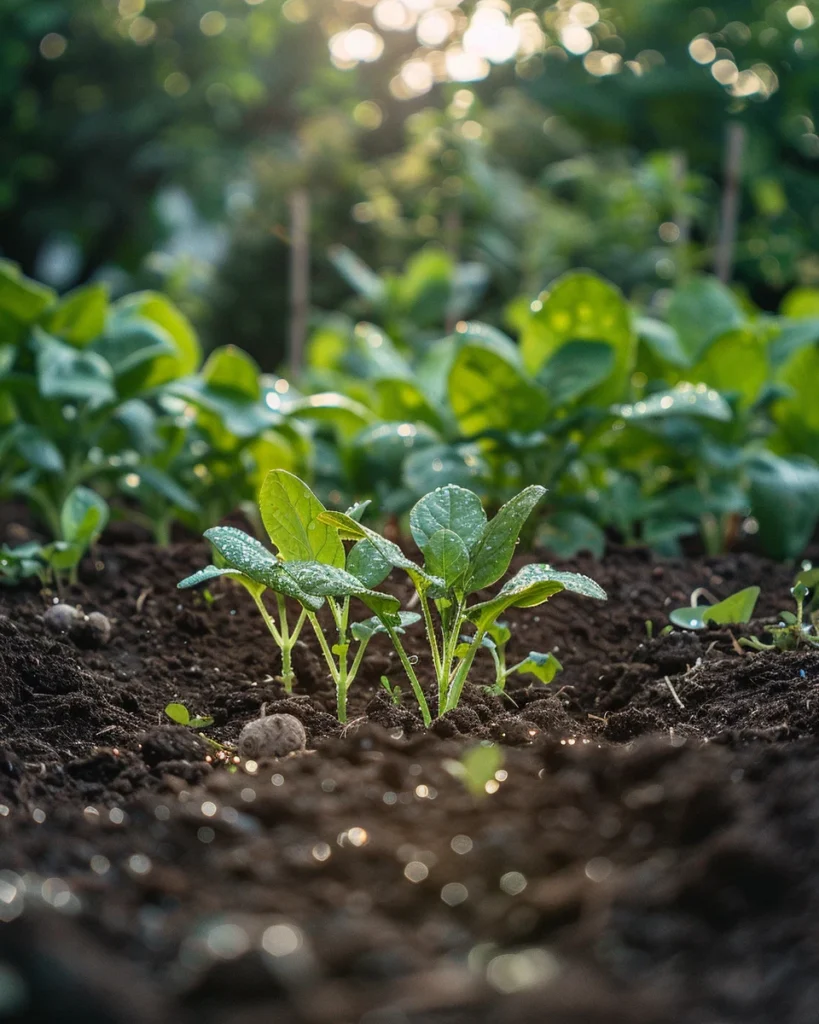
How to Keep Your Garden Thriving During Heatwaves: Organic Tricks That Saved My Plants
Intro for My Garden Survived The Heatwave Thanks To These Organic Tricks
Extreme heat can devastate even the most established gardens, but with the right organic strategies, your plants can not only survive but thrive during scorching temperatures. When my region experienced record-breaking heat last summer, I feared the worst for my vegetable garden and flowering perennials. Instead of withered plants, I discovered that implementing several sustainable, water-conserving techniques made all the difference. These methods work across most temperate regions and can be adapted for various garden types—from sprawling backyard plots to compact container gardens on balconies. By working with nature rather than against it, you can create a resilient garden ecosystem that withstands extreme weather while maintaining ecological balance.
When to plant My Garden Survived The Heatwave Thanks To These Organic Tricks
Timing is crucial when preparing a heat-resilient garden. In temperate regions, establish heat-sensitive plants in early spring when soil temperatures reach 10-15°C (50-60°F), giving them time to develop strong root systems before summer heat arrives. For warm-season crops like tomatoes and peppers, wait until soil temperatures reach 18-21°C (65-70°F). In regions prone to heatwaves, consider planting heat-tolerant varieties in late spring to early summer, allowing them to acclimate gradually. For fall gardens, plant 8-10 weeks before your first frost date to ensure plants are established before potential late-summer heat spikes. Remember that well-established plants with deep root systems fare better during heat stress than newly planted specimens.
Best time to plant My Garden Survived The Heatwave Thanks To These Organic Tricks
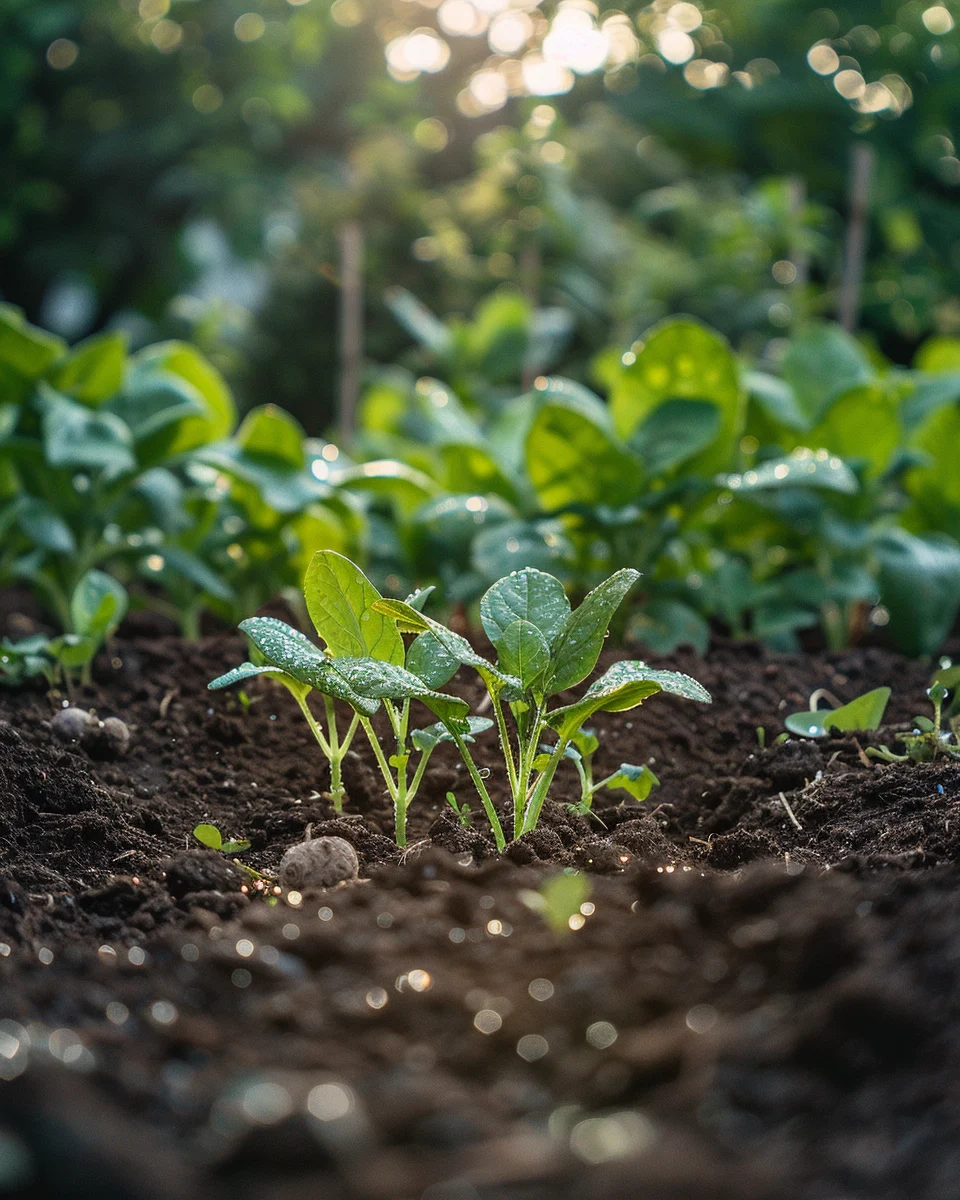
In cool climate regions (US Zones 3-6, UK northern areas), establish heat-sensitive plants from mid-April to early May, and heat-loving plants from late May to early June after all frost danger has passed. For warm climate regions (US Zones 7-10, Mediterranean areas), plant heat-sensitive varieties from February to March, and heat-tolerant plants from April to early May. Direct sowing works best in early morning or evening hours to minimize transplant shock. For transplants, choose overcast days or create temporary shade structures to protect new plantings. In extremely hot climates, consider fall planting for many vegetables and perennials, allowing them to establish during cooler months before the following summer’s heat.
Best My Garden Survived The Heatwave Thanks To These Organic Tricks varieties to grow
• ‘Arkansas Traveler’ tomatoes – Heirloom variety with exceptional heat and drought tolerance while maintaining excellent flavor.
• ‘Jericho’ lettuce – Heat-resistant romaine that remains sweet without bolting in high temperatures.
• ‘Tromboncino’ zucchini – Climbing variety with better heat tolerance than bush types and resistant to many common squash pests.
• ‘Thai Basil’ – Continues producing aromatic leaves in conditions that would cause Italian varieties to bolt.
• ‘Dragon’s Tongue’ beans – Flat, purple-streaked beans that produce heavily despite heat and have built-in drought resistance.
• ‘Malabar spinach’ – Not true spinach but a heat-loving vine producing spinach-like leaves throughout summer.
• ‘Black Diamond’ watermelon – Drought-tolerant with deep roots that access subsoil moisture during dry periods.
• ‘Profusion’ zinnias – Flowering continuously through heat and humidity with minimal water requirements once established.
How to plant My Garden Survived The Heatwave Thanks To These Organic Tricks
Materials list:
– Organic compost or well-rotted manure
– Worm castings
– Mycorrhizal fungi inoculant
– Mulch materials (straw, wood chips, or leaf mold)
– Shade cloth (30-50% density)
– Watering can or drip irrigation system
– Organic seaweed extract
– Soil moisture meter
Step-by-step planting process:
1. Prepare beds by incorporating 2-3 inches (5-8 cm) of organic compost to improve water retention and soil structure.
2. Add a handful of worm castings to each planting hole to boost beneficial microorganisms.
3. Sprinkle mycorrhizal fungi directly onto root balls when transplanting to enhance water uptake capabilities.
4. Plant in slight depressions or shallow basins to capture and direct water to root zones.
5. Space plants slightly closer than traditionally recommended to create mutual shading (but ensure adequate air circulation).
6. Water deeply immediately after planting, applying water directly to the soil rather than overhead.
7. Apply 2-3 inches (5-8 cm) of organic mulch around plants, keeping it 1 inch (2.5 cm) away from stems to prevent rot.
8. Install temporary shade structures for sensitive transplants during their establishment period.
9. Apply diluted seaweed extract to reduce transplant shock and boost stress resistance.
10. Group plants with similar water needs together to optimize irrigation efficiency.
How to grow My Garden Survived The Heatwave Thanks To These Organic Tricks
During heatwaves, modify your garden’s sunlight exposure by creating strategic shade. Most vegetables need 6-8 hours of sun, but during extreme heat, afternoon shade becomes crucial. Install 30-50% shade cloth over sensitive crops during peak heat periods. Water deeply but infrequently, typically 1-2 inches (2.5-5 cm) once or twice weekly rather than daily light sprinklings. This encourages deeper root growth. Apply water in early morning (preferred) or evening to minimize evaporation.
Implement drip irrigation or soaker hoses to deliver water directly to root zones, reducing waste by up to 70%. Fertilize with compost tea or diluted fish emulsion during cooler periods, avoiding high-nitrogen fertilizers during heat stress. Maintain a 3-4 inch (7.5-10 cm) organic mulch layer, refreshing it as it decomposes. For container gardens, group pots together to create humid microclimates, use light-colored containers to reflect heat, and consider double-potting (placing a planted pot inside a larger empty one) to insulate roots from temperature fluctuations.
Caring for My Garden Survived The Heatwave Thanks To These Organic Tricks
During heatwaves, monitor soil moisture daily using a moisture meter or finger test, checking 2-3 inches (5-8 cm) below the surface. Mist heat-sensitive plants in early morning to increase humidity without risking fungal issues. Common heat-related pests include spider mites and aphids, which thrive in hot, dry conditions. Combat them by spraying plants with a strong stream of water in the morning or applying insecticidal soap. Prevent powdery mildew, which can appear during hot days and cool nights, by improving air circulation and applying a baking soda spray (1 tablespoon per gallon of water with a few drops of dish soap).
Harvest vegetables and herbs in early morning when they’re at their peak hydration and flavor. During extended heatwaves, consider harvesting slightly earlier than ideal to reduce plant stress. For storage, cool harvested produce immediately in shade or refrigeration to preserve nutrients and flavor. Implement a weekly deep watering routine for trees and shrubs, as their extensive root systems provide crucial garden shade. Remove damaged or diseased foliage promptly to redirect plants’ energy to healthy growth and heat resistance.
Understanding bolting in My Garden Survived The Heatwave Thanks To These Organic Tricks
Bolting is the premature flowering of leafy vegetables like lettuce, spinach, and herbs, triggered by heat stress and increasing day length. When plants bolt, they channel energy into seed production rather than leaf growth, resulting in bitter-tasting foliage. Primary triggers include temperatures consistently above 27°C (80°F), drought stress, and day lengths exceeding 14 hours. Prevent bolting by selecting heat-resistant varieties, providing afternoon shade during heatwaves, maintaining consistent soil moisture, and planting cool-season crops early enough to mature before summer heat arrives.
If bolting begins, harvest remaining usable leaves immediately. Consider succession planting heat-tolerant varieties every 2-3 weeks to maintain continuous harvests. For herbs like cilantro and dill that bolt quickly in heat, allow some plants to flower for beneficial insects while starting new seedlings in partially shaded locations. Some bolt-resistant alternatives include ‘Nevada’ lettuce, New Zealand spinach, and perennial herbs like oregano and thyme that naturally withstand summer heat without quality loss.
Why does My Garden Survived The Heatwave Thanks To These Organic Tricks turn bitter?
• Heat stress: Temperatures above 30°C (86°F) trigger defensive compounds in many plants; provide afternoon shade or use shade cloth during peak heat.
• Inadequate watering: Inconsistent moisture causes plants to produce bitter compounds; implement deep, regular watering and maintain thick mulch.
• Mature age: Many greens naturally become bitter as they age; harvest leaves when young and tender, especially during hot weather.
• Nutrient imbalance: Excessive nitrogen can contribute to bitterness; switch to balanced organic fertilizers with lower nitrogen content during hot periods.
• Pest pressure: Plants under attack produce defensive bitter compounds; monitor regularly for pests and implement organic controls before infestations become severe.
Companion planting for My Garden Survived The Heatwave Thanks To These Organic Tricks
Tall, heat-tolerant sunflowers create beneficial afternoon shade for lettuce and spinach while attracting pollinators. Aromatic herbs like basil and oregano planted throughout the garden repel many heat-loving pests while withstanding high temperatures themselves. Deep-rooted comfrey acts as a dynamic accumulator, bringing subsoil nutrients and moisture to the surface for neighboring plants. White-flowering sweet alyssum creates a living mulch that cools soil while attracting beneficial insects that prey on aphids and spider mites. Marigolds deter nematodes and many garden pests while their shallow root systems don’t compete with deeper-rooted vegetables.
Avoid planting heat-sensitive crops near heat-reflecting surfaces like walls or pavement that intensify temperature stress. Keep moisture-loving plants away from deep-rooted trees that compete aggressively for water during drought conditions. Separate plants with different watering needs to prevent overwatering some while underwatering others during heat stress management.
Seasonal calendar
January-February: Plan garden layout with heat considerations; order heat-resistant varieties; start cool-season crops indoors in warm regions.
March-April: Prepare soil with water-retaining amendments; install drip irrigation systems; plant cool-season crops; start warm-season seedlings indoors.
May: Transplant heat-loving crops after last frost; apply initial mulch layer; install shade cloth supports for quick deployment.
June: Increase mulch depth before heat arrives; begin monitoring for water stress; harvest cool-season crops before peak heat.
July-August: Deploy shade cloth during peak heat; water deeply at dawn; harvest daily; maintain thick mulch; apply diluted seaweed extract for stress resistance.
September: Begin fall planting in hot regions; gradually remove shade structures as temperatures moderate; replenish soil organic matter.
October-November: Plant cover crops in empty beds; collect fallen leaves for next year’s mulch; protect perennials with additional mulch.
December: Evaluate season’s heat management successes and challenges; amend soil in raised beds; plan next year’s heat-resistant garden layout.
Problems & solutions
Problem | Quick Fix
— | —
Wilting despite adequate soil moisture | Apply temporary shade and mist foliage in early morning to reduce transpiration stress
Cracked fruits (tomatoes, peppers) | Maintain consistent soil moisture with deep mulch and regular deep watering
Blossom drop on fruiting plants | Spray plants with bloom-set spray containing calcium in early morning; provide afternoon shade when temperatures exceed 32°C (90°F)
Stunted growth during heatwaves | Apply diluted seaweed extract as foliar spray to boost heat stress resistance
Soil crusting and water runoff | Break up surface gently and apply fine mulch to improve water penetration
Rapid soil drying in containers | Group containers together, mulch surface, and consider self-watering containers or wicking systems
Beneficial insect decline | Plant heat-tolerant flowering plants like zinnias and cosmos to provide nectar sources throughout summer
Common questions about growing My Garden Survived The Heatwave Thanks To These Organic Tricks
How often should I water during a heatwave?
Focus on deep watering 1-2 times weekly rather than frequent shallow watering. Apply 1-2 inches (2.5-5 cm) of water each time, adjusting based on soil type and plant needs. Container gardens may need daily watering during extreme heat.
Can I use synthetic shade cloth, or are there natural alternatives?
While synthetic shade cloth is effective and durable, natural alternatives include strategically planted sunflowers, trellised vining plants, or temporary structures using bamboo and breathable fabric. The key is creating filtered light rather than dense shade.
What’s the minimum container size for heat-resistant gardening?
Use containers at least 12 inches (30 cm) deep and wide for most vegetables during hot weather. Larger containers (5+ gallons/20+ liters) maintain more stable soil temperatures and moisture levels. Light-colored containers reflect heat better than dark ones.
How can I tell if my plants are suffering from heat stress versus underwatering?
Heat-stressed plants often wilt even with moist soil, particularly during afternoon heat, but recover in evening. Underwatered plants remain wilted overnight and have dry, brittle lower leaves. Check soil moisture 2-3 inches (5-8 cm) deep to differentiate.
Can I fertilize during a heatwave?
Avoid standard fertilizers during extreme heat as they can increase plant stress. Instead, use diluted seaweed extract (half recommended strength) applied in early morning, which provides trace minerals and stress-reducing compounds without pushing excessive growth.
What’s the fastest way to create shade for my garden during a sudden heatwave?
For emergency shade, suspend old bed sheets or lightweight row cover fabric on temporary supports. For longer protection, install 30-50% shade cloth on PVC hoops or wooden frames. Even strategically placed patio umbrellas can provide crucial afternoon shade for sensitive plants.
How do I prepare my soil before heatwaves to maximize resilience?
Incorporate 30-40% organic matter (compost, aged manure) into garden soil to improve water retention. Add a handful of worm castings per plant and inoculate with mycorrhizal fungi to enhance root function and stress resistance during heat events.