
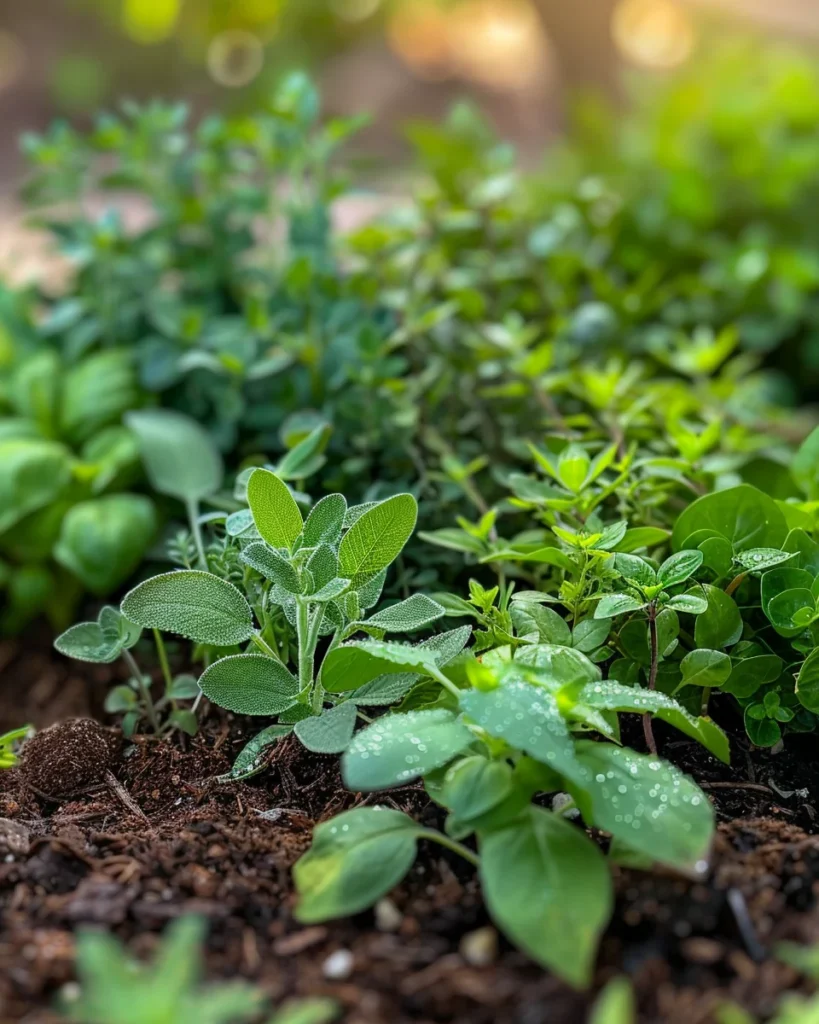
How to Grow a Low Maintenance Herb Garden That Basically Grows Itself: When to Plant, Best Varieties & Care
Intro for My Low Maintenance Herb Garden That Basically Grows Itself
A low maintenance herb garden is the perfect solution for busy gardeners who want fresh herbs without the constant upkeep. By selecting the right herbs and setting up proper growing conditions from the start, you can create a thriving herb garden that practically takes care of itself. These resilient plants not only provide fresh flavors for your kitchen but also attract beneficial pollinators, repel certain pests, and add beauty to your outdoor space. Whether you have a dedicated garden bed, a small balcony, or just a sunny windowsill, a self-sufficient herb garden is achievable in most temperate climates with minimal time investment once established.
When to plant My Low Maintenance Herb Garden That Basically Grows Itself
The ideal planting time for a low maintenance herb garden depends on the specific herbs you choose, but most can be established when soil temperatures reach 10-15°C (50-60°F). In general temperate regions, this means spring planting after the last frost date. Perennial herbs like rosemary, thyme, and sage can be planted in early spring or fall, while annual herbs like basil and cilantro should wait until all danger of frost has passed. Many Mediterranean herbs prefer warmer soil, so waiting until late spring when soil temperatures reach 18-21°C (65-70°F) will give them the best start.
Best time to plant My Low Maintenance Herb Garden That Basically Grows Itself
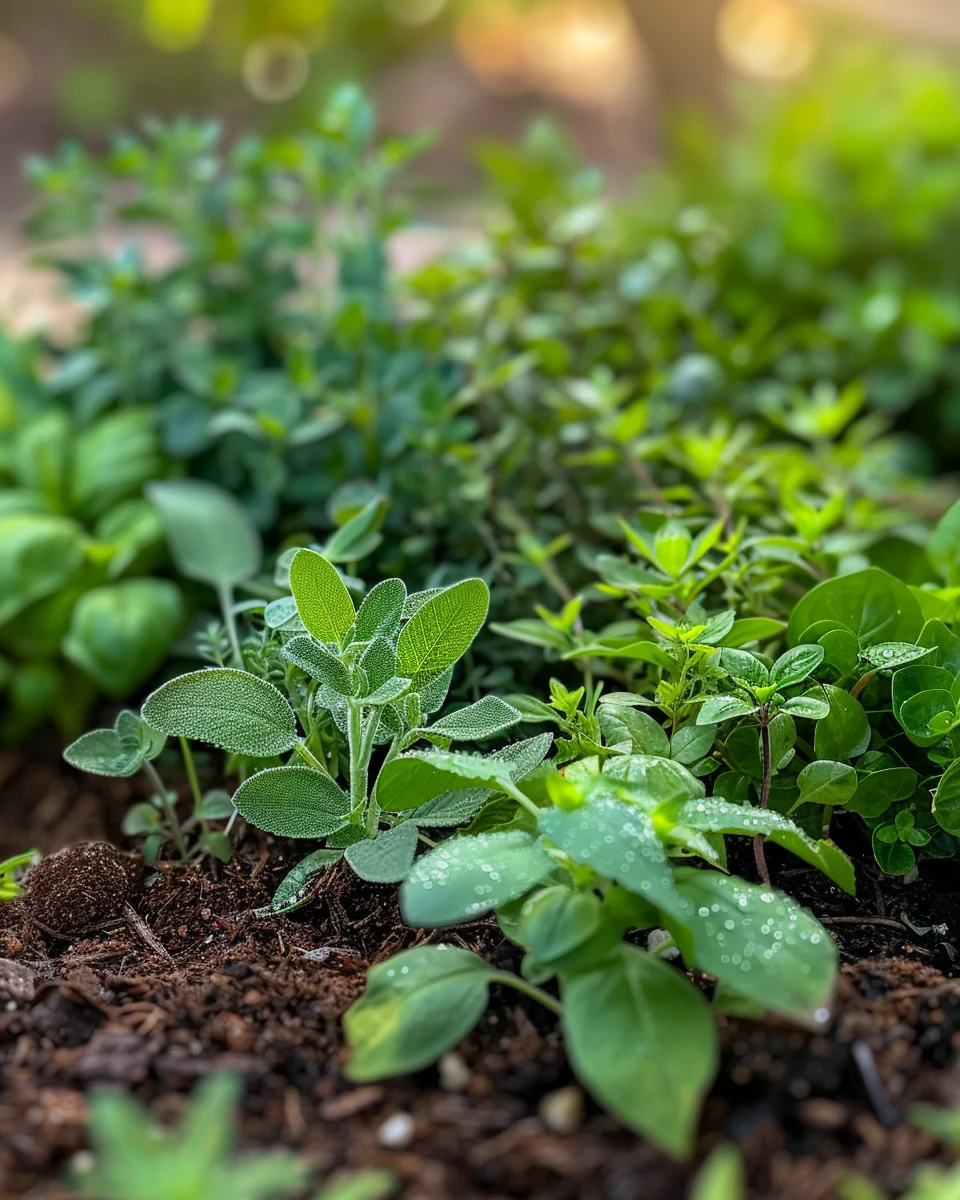
In cool temperate regions (US Zones 4-6, UK), plant most perennial herbs from April to early June, or in September for fall planting. Annual herbs should be direct sown or transplanted in May through early June once soil has warmed. In warmer regions (US Zones 7-9, Mediterranean), you can start perennial herbs as early as March or as late as October. For the most self-sufficient garden, stagger plantings of quick-growing herbs like cilantro, dill, and basil every 3-4 weeks from spring through early summer for continuous harvests without having to replant mid-season.
Best My Low Maintenance Herb Garden That Basically Grows Itself varieties to grow
- Greek Oregano – Extremely drought-tolerant once established with intense flavor that improves with minimal care.
- Rosemary ‘Arp’ – Exceptionally cold-hardy variety (to Zone 5) that thrives with neglect and poor soil.
- Thyme ‘Elfin’ – Compact, slow-growing variety that forms a dense mat, crowding out weeds and requiring minimal trimming.
- Chives – Virtually indestructible perennial that returns reliably each year with minimal care and deters many garden pests.
- Sage ‘Berggarten’ – Drought-resistant variety with broad leaves that’s less likely to become woody and requires less frequent rejuvenation pruning.
- Mint ‘Mojito’ – Vigorous grower that thrives in poor soil and partial shade (best in containers to control spreading).
- ‘Genovese’ Basil – Heat-tolerant variety that produces abundantly with minimal care in warm weather.
- Lemon Balm – Carefree perennial that tolerates poor soil and partial shade while attracting beneficial insects.
How to plant My Low Maintenance Herb Garden That Basically Grows Itself
Materials needed:
- Herb seedlings or seeds
- Compost or well-rotted manure
- Coarse sand or perlite (for Mediterranean herbs)
- Mulch (pebbles, gravel, or straw)
- Slow-release organic fertilizer
- Garden trowel and pruners
- Containers with drainage holes (optional)
Step-by-step planting:
- Choose a location that receives at least 6 hours of sunlight daily for most herbs (mint, parsley, and chives can tolerate partial shade).
- Group herbs with similar water needs together – drought-tolerant Mediterranean herbs (rosemary, thyme, sage, oregano) in one area, and moisture-loving herbs (mint, parsley, basil) in another.
- Prepare the soil by removing weeds and incorporating 2-3 inches (5-8 cm) of compost. For Mediterranean herbs, add coarse sand or perlite to improve drainage.
- Dig holes twice as wide as the root balls and at the same depth as the original containers.
- Remove plants from containers, gently loosen root balls if pot-bound, and place in holes at the same depth they were growing previously.
- Backfill with soil, firming gently around the roots without compacting heavily.
- Water thoroughly after planting to eliminate air pockets around roots.
- Apply 2-3 inches (5-8 cm) of mulch around plants, keeping it away from stems to prevent rot. Use gravel or pebbles for Mediterranean herbs and straw or bark for moisture-loving herbs.
- Space perennial herbs with room to grow – rosemary and sage need 2-3 feet (60-90 cm) between plants, while thyme and oregano need 12-18 inches (30-45 cm).
- Install permanent plant markers to identify herbs, especially when dormant in winter.
How to grow My Low Maintenance Herb Garden That Basically Grows Itself
The key to a self-sufficient herb garden is setting up the right conditions from the start. Most herbs need full sun (6+ hours daily), though mint, chives, and parsley can thrive in partial shade. Water deeply but infrequently – most established perennial herbs prefer to dry out between waterings, while basil and cilantro need more consistent moisture. Apply a slow-release organic fertilizer once in spring, but avoid over-fertilizing, which creates weak growth requiring more maintenance.
Mulching is crucial for a low-maintenance garden – use 2-3 inches (5-8 cm) of gravel or pebbles for Mediterranean herbs and straw or leaf mulch for others to suppress weeds and retain moisture. Prune woody herbs (rosemary, lavender, sage) lightly after flowering to prevent them becoming leggy, but avoid heavy pruning in fall in cold regions.
For container growing, choose pots at least 12 inches (30 cm) in diameter with excellent drainage. Use a high-quality potting mix with added perlite or sand for Mediterranean herbs. Group containers to create humidity and reduce watering needs. Self-watering containers or water reservoirs can significantly reduce maintenance for container herbs.
Caring for My Low Maintenance Herb Garden That Basically Grows Itself
Once established, maintenance is minimal. Harvest herbs regularly to encourage bushier growth – this is especially important for basil and cilantro. For woody herbs like rosemary and sage, avoid cutting into old wood as they may not regenerate. Most herbs benefit from a light feeding with compost tea or diluted seaweed extract in midsummer.
Common pests include aphids and spider mites during dry periods. A strong spray of water often dislodges them, or use insecticidal soap for persistent problems. Powdery mildew can affect herbs in humid conditions – improve air circulation by thinning plants and avoid overhead watering. Mint rust and basil downy mildew can be prevented by ensuring good air circulation and avoiding wet foliage.
Harvest herbs in morning after dew has dried for best flavor. Most can be stored by drying (thyme, oregano, rosemary, sage) or freezing in ice cube trays with water or oil (basil, parsley, chives). Perennial herbs should be cut back by one-third in late fall in cold regions to prevent winter damage.
Understanding bolting in My Low Maintenance Herb Garden That Basically Grows Itself
Bolting is when herbs suddenly produce flower stalks and set seed, often making leaves bitter or less flavorful. It’s triggered primarily by heat and increasing day length, but can also result from drought stress or root disturbance. Annual herbs like cilantro, dill, and basil are most prone to bolting, while perennial herbs typically flower without significant flavor changes.
To prevent premature bolting, plant cool-season herbs like cilantro and dill in early spring or fall when temperatures are cooler. Provide afternoon shade in hot climates and maintain consistent soil moisture. For basil, pinch flower buds as soon as they appear to extend the harvest period. If herbs do bolt, you can let some flowers remain to attract beneficial insects and collect seeds for next season, while replanting with fresh seedlings for continued harvest.
Why does My Low Maintenance Herb Garden That Basically Grows Itself turn bitter?
- Heat stress – During hot weather, herbs produce more essential oils that can taste bitter; provide afternoon shade or use shade cloth during heat waves.
- Flowering/bolting – Once herbs begin flowering, leaves often become bitter; harvest regularly and remove flower buds early.
- Age – Older leaves, especially on basil and cilantro, develop stronger, sometimes bitter flavors; harvest younger leaves for milder taste.
- Drought stress – Insufficient water causes herbs to concentrate compounds, creating bitterness; maintain consistent moisture without overwatering.
- Overfertilization – Too much nitrogen fertilizer can alter flavor profiles; use only light organic fertilizers for herbs.
Companion planting for My Low Maintenance Herb Garden That Basically Grows Itself
Good companions:
- Tomatoes + Basil – Basil repels tomato hornworms and improves tomato flavor while tomatoes provide afternoon shade for basil in hot climates.
- Roses + Lavender – Lavender deters aphids from roses while both benefit from similar watering and sunlight requirements.
- Cabbage family + Thyme – Thyme repels cabbage worms and other brassica pests while requiring minimal care.
- Carrots + Rosemary – Rosemary deters carrot flies and both prefer well-drained soil with infrequent watering.
- Strawberries + Borage – Borage attracts pollinators for strawberries and deters pests while both thrive with similar care.
Avoid planting near:
- Mint near other herbs – Mint’s aggressive spreading habit will overwhelm other herbs; always plant in contained areas or pots.
- Fennel near most herbs – Fennel secretes compounds that inhibit growth of many plants, including other herbs.
- Dill near carrots – Dill can cross-pollinate with carrots and reduce carrot production.
Seasonal calendar
Spring (March-May):
- March: Cut back dead growth from perennial herbs; prepare soil with compost.
- April: Plant perennial herbs; sow cold-tolerant annual herbs like cilantro and dill.
- May: Plant heat-loving herbs like basil after last frost; apply slow-release fertilizer to all herbs.
Summer (June-August):
- June: Begin regular harvesting; mulch all herbs to retain moisture and suppress weeds.
- July: Monitor for drought stress; provide afternoon shade if needed; succession-sow basil and cilantro.
- August: Harvest herbs for drying and preserving; take cuttings of woody herbs for propagation.
Fall (September-November):
- September: Plant a fall crop of cool-season herbs; divide overgrown perennial herbs.
- October: Begin reducing water for Mediterranean herbs; harvest final batches for preservation.
- November: Apply fresh mulch around perennial herbs for winter protection; bring tender herbs indoors.
Winter (December-February):
- December: Protect container herbs from freezing; minimal watering for dormant perennials.
- January: Plan herb garden for coming season; order seeds.
- February: Begin indoor seed starting for annual herbs; prune woody herbs on mild days.
Note: In hot regions (Zones 9-10), fall planting can begin in October-November, and many herbs will continue growing through winter. In cold regions (Zones 3-5), spring activities may need to be delayed until April-May.
Problems & solutions
| Problem | Quick Fix |
|---|---|
| Leggy, sparse growth | Increase sunlight; harvest regularly to encourage bushier growth; avoid overfertilizing. |
| Yellowing leaves | Check for overwatering (especially Mediterranean herbs); ensure proper drainage; apply diluted seaweed extract. |
| Herbs dying in winter | Ensure proper hardiness zone selection; provide winter mulch; plant tender herbs in containers that can be moved indoors. |
| Herbs not flavorful | Increase sunlight; reduce watering (dry conditions concentrate essential oils); harvest in morning after dew dries. |
| Herbs overtaking garden | Plant aggressive spreaders like mint and lemon balm in containers; divide perennial herbs every 2-3 years. |
| Woody, unproductive herbs | Prune woody herbs (rosemary, lavender, sage) lightly after flowering; replace very woody plants every 3-4 years. |
| Herbs failing in containers | Ensure pots have drainage holes; use larger containers (12+ inches/30+ cm); water thoroughly but less frequently. |
Common questions about growing My Low Maintenance Herb Garden That Basically Grows Itself
Q: How often should I water my herb garden?
A: Most established herbs prefer to dry out between waterings. Mediterranean herbs (rosemary, thyme, sage, oregano) need water only when the top 2 inches (5 cm) of soil is dry, while basil and cilantro need moisture when the top inch (2.5 cm) is dry. Water deeply but infrequently to encourage deep root growth.
Q: Can I grow a low-maintenance herb garden in partial shade?
A: While most herbs prefer full sun, several will thrive in partial shade (4-6 hours of sun): mint, chives, parsley, lemon balm, and cilantro. Mediterranean herbs like rosemary, thyme, and lavender require full sun to be truly low-maintenance.
Q: What’s the minimum container size for herbs?
A: For truly low-maintenance container growing, use pots at least 12 inches (30 cm) in diameter and depth. Larger containers hold more soil, retain moisture longer, and allow roots to spread, reducing watering frequency and plant stress.
Q: How far apart should I space herbs in my garden?
A: Space according to mature size: large herbs like rosemary and sage need 2-3 feet (60-90 cm) between plants; medium herbs like oregano and marjoram need 12-18 inches (30-45 cm); compact herbs like thyme can be spaced 8-12 inches (20-30 cm) apart. Proper spacing improves air circulation and reduces maintenance.
Q: How cold-tolerant is my herb garden?
A: Cold tolerance varies widely: rosemary typically survives to Zone 7 (0°F/-18°C) with protection; thyme, sage, and oregano to Zone 5 (-20°F/-29°C); chives and mint to Zone 3 (-40°F/-40°C). Tender herbs like basil and cilantro are damaged by any frost. Choose varieties suited to your climate for a truly self-sufficient garden.
Q: How often should I harvest herbs to keep them productive?
A: Regular harvesting encourages bushier growth. For basil, pinch stems just above a leaf pair every 1-2 weeks. For woody herbs like rosemary and thyme, harvest up to one-third of growth every few weeks during growing season. Most herbs can be harvested once they have several sets of true leaves and are at least 6 inches (15 cm) tall.
Q: Do I need to replace my herbs every year?
A: Annual herbs like basil, cilantro, and dill need yearly replanting. Perennial herbs like thyme, sage, and chives will return for years with minimal care, though woody Mediterranean herbs may need replacement every 3-4 years as they become less productive. Dividing perennial herbs every 2-3 years rejuvenates them without replanting.