
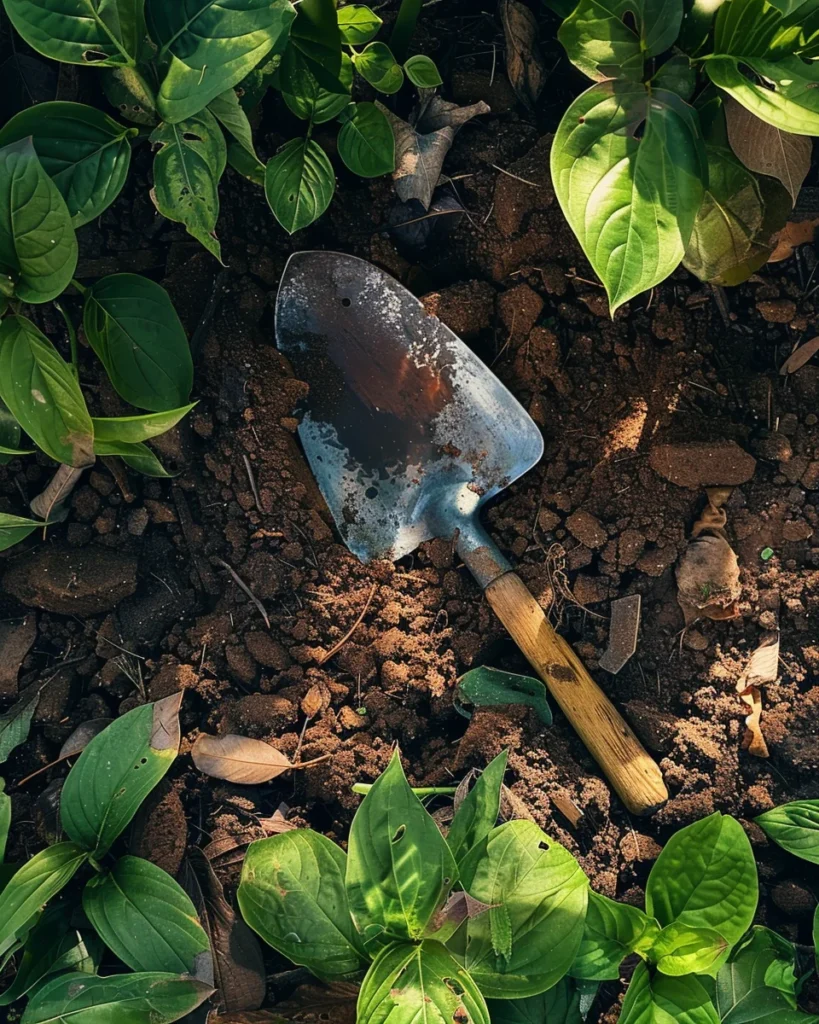
What’s Really Hiding in Your Garden Tools Drawer: How to Organize, Clean, and Maintain Your Essential Equipment
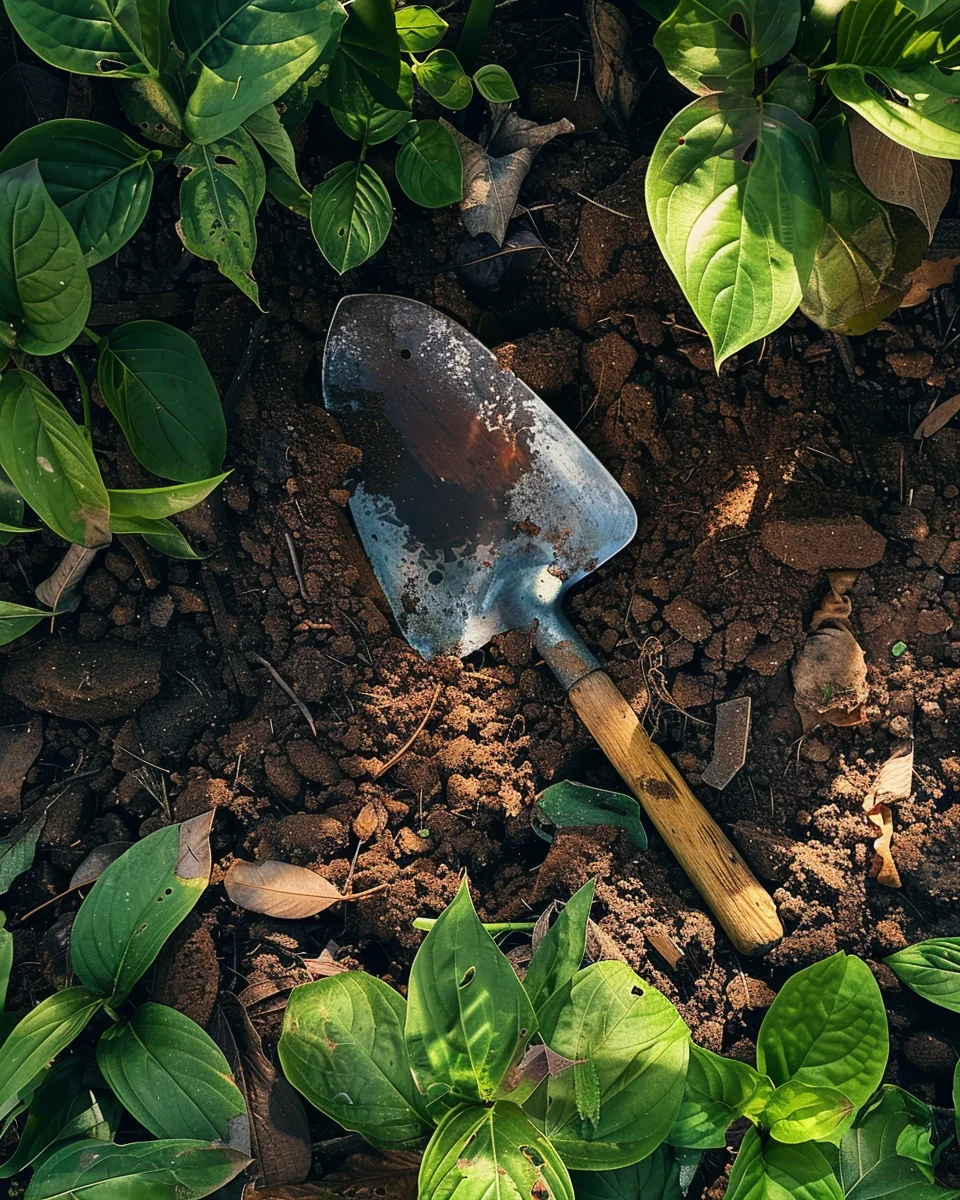
Intro for What’s Really Hiding in Your Garden Tools Drawer
Every gardener has that one drawer, shelf, or corner where garden tools seem to multiply and tangle themselves into a chaotic mess. This often-neglected collection of equipment is essential for successful gardening, yet many of us fail to properly organize, clean, and maintain these valuable items. A well-maintained garden tool collection not only makes gardening more efficient but also extends the life of your tools, saving you money and frustration. Whether you’re a beginner with just a few basic implements or an experienced gardener with specialized equipment, proper tool management is the foundation of productive gardening in any climate or region.
When to organize What’s Really Hiding in Your Garden Tools Drawer
The best time to tackle your garden tool organization is during gardening’s off-season or transition periods. In temperate regions, late fall or winter (November-February) provides an ideal opportunity as garden activities slow down. Spring cleaning (March-April) before the growing season begins is another excellent time. If you garden year-round in milder climates, schedule quarterly maintenance sessions when garden demands are lighter. Never wait until tools are completely rusted or damaged—regular maintenance prevents tools from deteriorating beyond repair when temperatures fluctuate between freezing (0°C/32°F) and warm.
Best time to clean What’s Really Hiding in Your Garden Tools Drawer
For cool-climate gardeners, January and February offer perfect opportunities for deep cleaning and tool maintenance when outdoor gardening is minimal. In warmer regions, August might be ideal when heat limits outdoor activities. Regardless of your climate, the optimal approach is implementing a “clean before storing” habit after each use, particularly for cutting tools and those that contact soil. For seasonal gardeners, schedule a comprehensive cleaning and sharpening session at the end of your main growing season to prevent rust and deterioration during storage.
Best What’s Really Hiding in Your Garden Tools Drawer organization systems
• Wall-mounted pegboards: Perfect for visual organization and keeping tools off the ground; ideal for frequently used hand tools.
• Rolling tool carts: Excellent for mobility between garden areas; particularly useful for those with larger properties or physical limitations.
• Repurposed kitchen utensil organizers: Cost-effective solution for small hand tools like trowels, pruners, and garden knives.
• Vertical PVC pipe storage: Innovative solution for long-handled tools that prevents warping and tangling.
• Dedicated tool shed cabinets: Comprehensive solution with adjustable shelving for tools of all sizes and seasonal rotation.
• Magnetic strips: Excellent space-saver for metal tools in small spaces; keeps frequently used items visible and accessible.
• Bucket organizers: Portable solution that can be customized with interior and exterior pockets for various tool sizes.
How to organize What’s Really Hiding in Your Garden Tools Drawer
Materials list:
– Cleaning cloths and brushes
– Mineral oil or linseed oil
– Sandpaper (various grits)
– White vinegar solution (for rust)
– Rubbing alcohol or disinfectant
– Storage containers or organizers
– Labels and marker
– Tool sharpening supplies
– Protective gloves
Step-by-step:
1. Empty the entire drawer or storage area completely, laying all tools on a tarp or work surface.
2. Sort tools by type (cutting, digging, watering, etc.) and frequency of use.
3. Inspect each tool for damage, rust, or needed repairs; set aside those requiring special attention.
4. Clean each tool thoroughly—remove soil with a stiff brush, wipe metal parts with a damp cloth, and sanitize handles with disinfectant.
5. Treat wooden handles with linseed oil to prevent drying and cracking.
6. Apply a light coat of mineral oil to metal parts to prevent rust after cleaning.
7. Sharpen cutting tools like pruners, shears, and hoes as needed.
8. Measure your storage space and plan zones for different tool categories.
9. Install appropriate storage solutions (hooks, bins, dividers) based on your tools and available space.
10. Return tools to their designated spots, positioning frequently used items in the most accessible locations.
How to maintain What’s Really Hiding in Your Garden Tools Drawer
Proper tool maintenance begins with storage in a dry, covered location away from direct sunlight and moisture. For metal tools, regular cleaning and a light application of oil prevents rust. Wooden handles benefit from occasional sanding and treatment with linseed oil to prevent splitting. Cutting tools should be cleaned after each use and sharpened at least once per season. For power tools, follow manufacturer guidelines for maintenance schedules, including battery care for cordless models. Container gardeners with limited storage should prioritize multi-purpose tools and consider wall-mounted solutions to maximize space. Establish a routine of wiping down tools before storing them, regardless of how briefly they were used.
Caring for What’s Really Hiding in Your Garden Tools Drawer
Ongoing maintenance should include monthly checks for loose handles, rust spots, or dull edges. Common tool problems include rust (treat with vinegar solution and steel wool), splintering handles (sand and oil), and dull blades (sharpen with appropriate files or stones). For disease prevention, disinfect tools that have contacted diseased plants using a 10% bleach solution or rubbing alcohol. Pruners and shears should be disassembled periodically for deep cleaning and lubrication of moving parts. Store tools properly—hanging long-handled tools prevents warping, while smaller tools benefit from drawer organizers or wall-mounted systems. For seasonal storage, ensure tools are completely clean and dry, then apply a protective oil coating to metal surfaces.
Understanding deterioration in What’s Really Hiding in Your Garden Tools Drawer
Tool deterioration occurs primarily through exposure to moisture, improper storage, and neglect. The main triggers include leaving soil on tools (which holds moisture against metal), storing tools in damp locations, and exposure to weather elements. Prevention includes establishing a post-use cleaning routine, proper storage in dry locations, and seasonal maintenance. If deterioration has already begun, intervention depends on severity—light rust can be removed with vinegar and steel wool, while severe rust may require power tools with wire brushes or replacement of the affected parts. Remember that quality tools are designed to last decades with proper care.
Why does What’s Really Hiding in Your Garden Tools Drawer cause gardening problems?
• Dull cutting tools damage plants: Causes ragged cuts that heal slowly and invite disease; sharpen regularly.
• Rusty tools spread tetanus: Creates health hazards when handling; clean and oil metal surfaces.
• Dirty tools spread plant diseases: Transfers pathogens between plants; disinfect after working with diseased plants.
• Broken handles cause injuries: Results in accidents and inefficient work; repair or replace damaged handles promptly.
• Disorganized storage wastes time: Creates frustration and inefficiency; implement logical storage systems.
Companion storage for What’s Really Hiding in Your Garden Tools Drawer
Good companions for your tool storage include seed packets (in airtight containers), garden gloves (on dedicated hooks), garden twine and ties (in repurposed coffee cans), and reference materials (in waterproof folders). Avoid storing chemicals, fertilizers, or pesticides near tools as they can cause corrosion and create safety hazards. Similarly, keep soil, compost, and plant materials separate from clean tools to prevent rust and deterioration. Consider creating a small workbench area adjacent to tool storage for quick repairs and maintenance tasks.
Seasonal calendar
• January-February: Deep clean all tools; sharpen cutting edges; oil wooden handles; reorganize storage.
• March-April: Inspect tools before heavy spring use; replace damaged items; prepare specialized spring tools.
• May-July: Implement “clean before storing” routine during peak gardening season; quick maintenance as needed.
• August-September: Mid-season check of tool conditions; address any developing issues.
• October-November: End-of-season cleaning and maintenance; protect tools for winter storage.
• December: Inventory tools; create wish list for replacements or additions; research new tool options.
Problems & solutions
Problem | Quick Fix
— | —
Rusty tools | Soak in vinegar solution, scrub with steel wool, dry thoroughly, apply protective oil
Loose handles | Tighten fasteners or swell wood with linseed oil; replace if damaged
Dull cutting edges | Sharpen with appropriate file or stone; maintain 20-30° angle
Broken tool parts | Assess for repair potential; replace parts when possible or upgrade tool
Disorganized storage | Implement category-based storage system with labels and dedicated spaces
Mildew on tool handles | Clean with diluted bleach solution, dry thoroughly, sand if needed
Sticky mechanisms | Disassemble, clean with degreaser, lubricate moving parts
Common questions about organizing What’s Really Hiding in Your Garden Tools Drawer
**How often should I clean my garden tools?**
Clean soil and debris off tools after each use, with deeper cleaning and oiling monthly during active gardening seasons.
**What’s the best way to prevent rust on metal tools?**
Keep tools clean and dry, apply a light coat of mineral oil to metal surfaces, and store in a low-humidity environment.
**Can I store all my tools together in one container?**
It’s better to separate tools by type and function, keeping sharp tools protected and preventing damage from tools rubbing against each other.
**How do I know when a tool needs sharpening?**
If cutting tools require extra pressure, leave ragged edges on plants, or show visible nicks in the blade, it’s time to sharpen.
**What’s the minimum tool maintenance for container gardeners?**
Focus on keeping hand tools clean and sharp, with special attention to pruners, trowels, and scissors, which get the most use.
**Should I invest in expensive tools or budget options?**
Quality tools from reputable manufacturers generally last longer with proper care; invest in high-quality versions of frequently used tools while choosing budget options for occasional-use items.
**How do I store long-handled tools in a small space?**
Use vertical storage solutions like wall-mounted clips, repurposed pallets, or PVC pipe organizers to maximize space efficiency.