
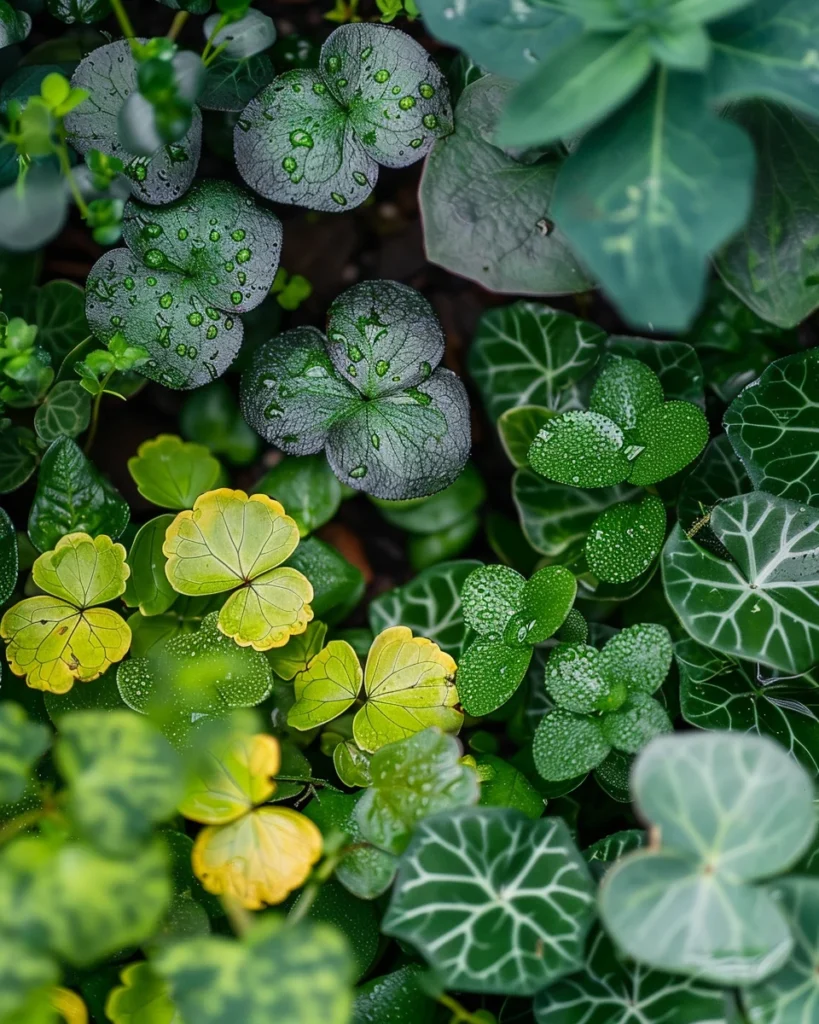
How to Use Companion Plants to Save Your Garden This Season: Strategic Pairings for Pest Control, Pollination & Productivity
Intro for Companion Plants
Companion planting is a time-tested gardening strategy that pairs plants to create mutually beneficial relationships. By strategically placing certain plants together, you can naturally deter pests, attract beneficial insects, improve pollination, enhance growth, and maximize garden space. This natural approach reduces the need for chemical interventions while creating a more balanced ecosystem. Companion planting works in gardens of all sizes—from sprawling rural plots to urban container gardens. When implemented correctly, these plant partnerships can dramatically improve your harvest yield, reduce pest problems, and create a more resilient garden that thrives throughout the growing season.
When to plant companion plants
The ideal timing for planting companions depends on your specific climate and the particular plants you’re pairing. In general temperate regions, most companion planting begins in early spring after the soil has warmed to at least 10-15°C (50-60°F) and all danger of frost has passed. However, some cool-season companions like nasturtiums can be planted when soil temperatures reach just 7°C (45°F). For warm-season companions like marigolds and basil, wait until soil temperatures consistently reach 18-21°C (65-70°F). In frost-prone areas, start heat-loving companions indoors 6-8 weeks before your last expected frost date to give them a head start.
Best time to plant companion plants
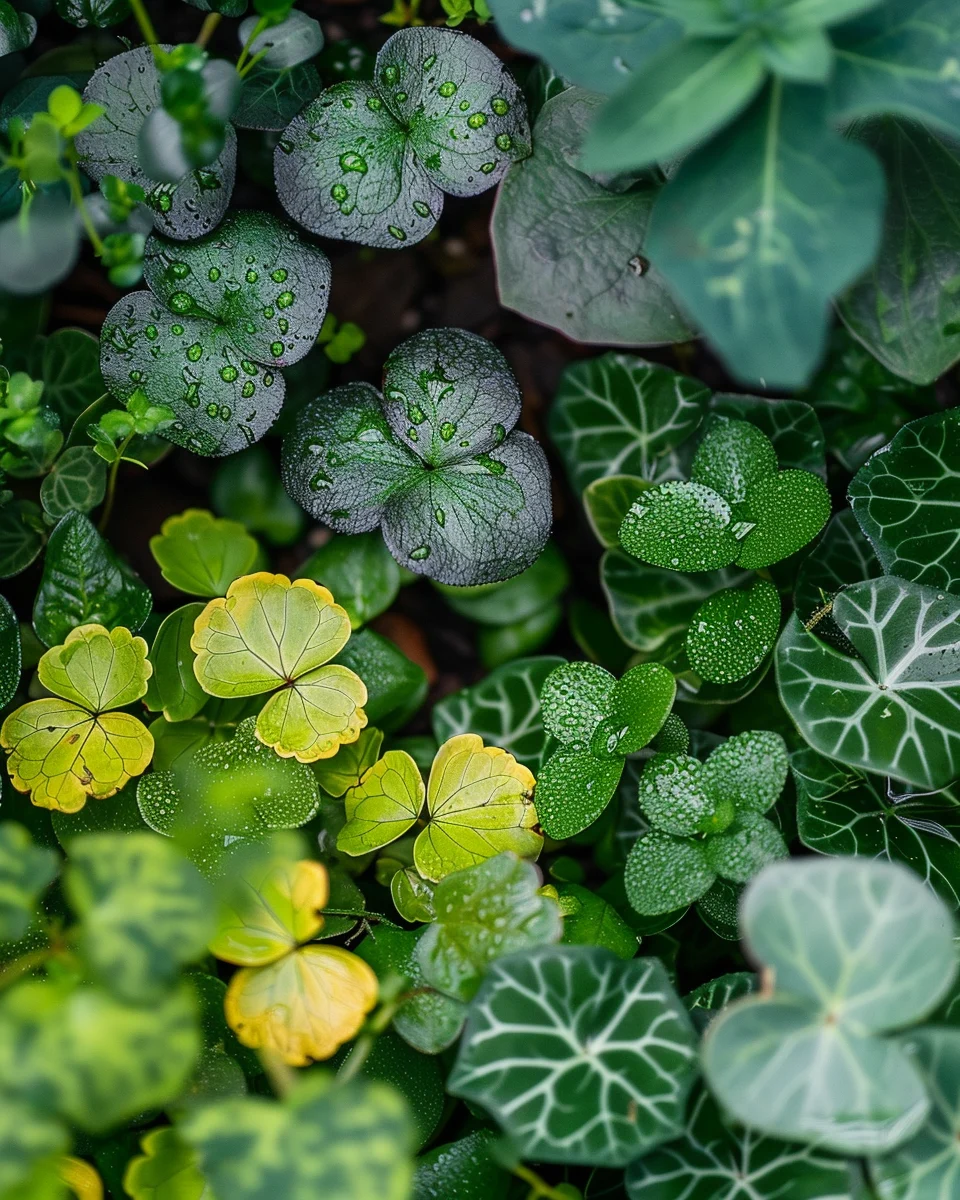
For cool-climate regions (Zones 3-5), plant cool-season companions like calendula, chives, and dill in April-May, and warm-season companions like marigolds and basil in late May through June. In moderate climates (Zones 6-8), plant cool-season companions in March-April and warm-season companions from mid-April through June. For warm climates (Zones 9-10), plant cool-season companions in February-March and warm-season companions from March through May. Direct sowing works well for quick-growing companions like nasturtiums and sunflowers, while slower-growing companions like marigolds and basil often perform better when transplanted as seedlings.
Best companion plant varieties to grow
- French Marigolds (Tagetes patula) – Produce chemicals that repel nematodes and deter many garden pests while attracting beneficial insects.
- Sweet Alyssum ‘Snow Princess’ – Attracts hover flies and other beneficial insects that prey on aphids; blooms continuously without deadheading.
- Nasturtium ‘Jewel Mix’ – Acts as a trap crop for aphids and cabbage worms while adding edible flowers to your garden.
- Borage – Attracts pollinators, deters tomato hornworms, and improves the flavor of nearby strawberries and tomatoes.
- Calendula ‘Pacific Beauty’ – Attracts beneficial insects, repels asparagus beetles, and has medicinal properties.
- Dill ‘Bouquet’ – Attracts beneficial wasps that prey on caterpillars while enhancing the flavor of cabbage family crops.
- Basil ‘Genovese’ – Improves the flavor and growth of tomatoes while repelling flies and mosquitoes.
How to plant companion plants
Materials needed:
- Seeds or seedlings of chosen companion plants
- Garden trowel or shovel
- Compost or organic matter
- Watering can or hose with spray nozzle
- Plant labels
- Garden gloves
- Mulch
Step-by-step planting:
- Plan your garden layout based on companion relationships, keeping taller plants to the north to avoid shading shorter ones.
- Prepare the soil by removing weeds and incorporating 2-3 inches (5-7 cm) of compost.
- For direct sowing, create shallow furrows at the recommended depth for each seed type (typically 1/4 to 1/2 inch deep).
- For transplants, dig holes slightly larger than the root ball of each seedling.
- Space plants according to their mature size requirements, generally placing companions 6-12 inches (15-30 cm) from the plants they’re meant to benefit.
- Place seeds or seedlings at the appropriate depth, covering seeds lightly with soil.
- Water thoroughly but gently to avoid displacing seeds or stressing seedlings.
- Apply a thin layer of mulch around (but not touching) the stems of transplants to conserve moisture.
- Label each planting area to track your companion planting combinations.
- Monitor closely for the first two weeks, ensuring consistent moisture as plants establish.
How to grow companion plants
Most companion plants thrive in full sun (6+ hours daily), though some like sweet alyssum and nasturtiums can tolerate partial shade. Water requirements vary by species, but generally, provide 1-1.5 inches (2.5-4 cm) of water weekly, adjusting for rainfall and temperature. Apply a balanced organic fertilizer (like 5-5-5) when planting, then follow with light applications monthly for flowering companions. Mulch with 2-3 inches (5-7 cm) of organic material to suppress weeds and retain moisture. Regularly deadhead flowering companions to encourage continuous blooming. For container growing, choose pots at least 12 inches (30 cm) in diameter with good drainage, and water more frequently as containers dry out faster than garden soil. Interplant low-growing companions like alyssum around the base of taller plants to maximize space and create living mulch.
Caring for companion plants
Monitor companion plants weekly for signs of stress or pest issues. Many flowering companions benefit from regular deadheading to promote continuous blooming. Watch for aphids (tiny insects on new growth), which can be controlled with a strong spray of water or insecticidal soap. Spider mites (causing stippled yellowing leaves) often appear during hot, dry periods; increase humidity around plants and apply neem oil if needed. Powdery mildew (white powdery coating on leaves) can affect companions in humid conditions; improve air circulation and apply a baking soda spray (1 tbsp per gallon of water with a few drops of dish soap). Harvest herbs like basil and dill regularly to prevent flowering and encourage bushier growth. Most flowering companions can be harvested for cut flowers when blooms are just opening, which encourages more flower production.
Understanding bolting in companion plants
Bolting is the premature production of flower stalks in leafy herbs and vegetables, often making them bitter and less effective as companions. It’s typically triggered by long daylight hours, temperatures above 27°C (80°F), or stress from drought or root disturbance. Herb companions like cilantro, dill, and basil are particularly prone to bolting in hot weather. Prevent bolting by planting heat-sensitive companions in partial shade during summer, using mulch to keep roots cool, maintaining consistent soil moisture, and selecting bolt-resistant varieties. If bolting occurs, you can still use the flowers to attract beneficial insects, collect seeds for future planting, or remove and replace with fresh seedlings for continuous companion benefits.
Why does companion planting sometimes fail?
- Improper spacing – Companions planted too far from target plants won’t provide protection; those planted too close may compete for resources.
- Timing misalignment – Companions must be established and active when the main crop needs protection.
- Overwhelming pest pressure – Extreme infestations may overwhelm the natural deterrent capabilities of companion plants.
- Incompatible combinations – Some plants release chemicals that inhibit growth in certain neighbors.
- Environmental stress – Drought, extreme heat, or poor soil conditions can reduce the effectiveness of companion relationships.
Companion planting for common vegetables
Tomatoes benefit from basil (repels flies and mosquitoes), marigolds (deter nematodes), and nasturtiums (trap aphids). Avoid planting near potatoes, fennel, or cabbage family crops.
Cucumbers thrive alongside radishes (deter cucumber beetles), nasturtiums (repel cucumber beetles), and sunflowers (provide shade and windbreak). Keep away from potatoes and aromatic herbs.
Brassicas (cabbage, broccoli, kale) benefit from aromatic herbs like thyme and rosemary (confuse cabbage moths), nasturtiums (trap aphids), and calendula (attracts beneficial insects). Avoid planting near strawberries or tomatoes.
Carrots grow well with onions and leeks (deter carrot fly), rosemary (repels carrot fly), and sage (improves growth). Keep away from dill and fennel.
Beans partner well with corn (provides natural trellis), marigolds (deter Mexican bean beetles), and summer savory (improves growth and flavor). Avoid planting near onions and garlic.
Seasonal calendar
Early Spring (March-April): Sow cool-season companions like sweet alyssum, calendula, and dill; prepare beds for warm-season companions.
Late Spring (May): Transplant or direct sow warm-season companions like marigolds, nasturtiums, and basil after frost danger passes; interplant with vegetable seedlings.
Early Summer (June): Continue succession planting of fast-growing companions like dill and cilantro; deadhead flowering companions to encourage continuous blooming.
Mid-Summer (July): Monitor for heat stress; provide afternoon shade for sensitive companions; harvest herbs regularly to prevent bolting.
Late Summer (August): Collect seeds from bolting companions; start fall companions indoors for later transplanting.
Fall (September-October): Plant cool-season companions for fall vegetables; add compost around perennial companions.
Winter (November-February): Plan next season’s companion combinations; start slow-growing companions indoors in late winter.
Problems & solutions
| Problem | Quick Fix |
|---|---|
| Flowering companions not blooming | Check sunlight (need 6+ hours); apply phosphorus-rich organic fertilizer (like bone meal) |
| Herb companions bolting too quickly | Provide afternoon shade; succession plant every 2-3 weeks; harvest regularly |
| Companions overwhelmed by pests | Increase diversity of companions; add more plants of the same type; try companion sprays (garlic/pepper) |
| Companions competing with main crops | Increase spacing; choose less aggressive companions; use containers to restrict root spread |
| Allelopathic effects (plants inhibiting neighbors) | Research compatibility before planting; separate incompatible plants; use containers to isolate roots |
| Companions spreading too aggressively | Choose contained varieties; use barriers or containers; regular pruning and division |
Common questions about growing companion plants
How far should companion plants be from the plants they protect?
Most companion plants should be placed 6-12 inches (15-30 cm) from the plants they’re protecting. For trap crops, plant them around the perimeter of your garden beds. For pollinator-attracting companions, scatter them throughout the garden.
Can I grow companion plants in containers?
Absolutely! Choose containers at least 12 inches (30 cm) in diameter with good drainage. Many companions like marigolds, basil, and nasturtiums thrive in containers. You can even plant companions in the same container as your vegetables, provided the pot is large enough (minimum 5 gallons/19 liters).
How many companion plants do I need for effectiveness?
For small gardens (under 100 sq ft/9 sq m), plant at least 3-5 of each companion type. For medium gardens (100-400 sq ft/9-37 sq m), aim for 5-10 of each. For larger gardens, plant companions in clusters of 7-12 plants spaced throughout the garden. More is generally better for pest control.
Do companion plants work immediately?
No, most companions need time to establish and begin producing the beneficial effects. Flowering companions need to bloom to attract beneficial insects, and aromatic companions need sufficient foliage to release their protective scents. Plan to plant companions 2-3 weeks before or simultaneously with your main crops.
Which companion plants are perennial?
Perennial companions include chives, thyme, oregano, lavender, and yarrow. These provide year-after-year benefits with minimal replanting. In zones 7 and warmer, rosemary can also be perennial. These make excellent long-term investments for your garden.
Can companion planting completely eliminate the need for pest control?
While companion planting significantly reduces pest problems, it rarely eliminates them completely. Use companions as part of an integrated pest management approach that includes crop rotation, physical barriers, and occasional organic treatments when necessary.
What are the best companion plants for beginning gardeners?
Start with easy-to-grow, multi-purpose companions like marigolds, nasturtiums, and basil. These are simple to grow from seed or transplants, have obvious benefits, and work well with many common vegetables. They’re also attractive additions to the garden landscape.