
Essential Gardening Tools Every Enthusiast Should Own: The Top 5 Must-Have Implements for Successful Growing
Intro for The Top 5 Tools Every Gardener Swears By
Gardening success often hinges on having the right tools at your disposal. Whether you’re tending to a sprawling backyard garden or nurturing container plants on a balcony, quality implements make all the difference. The most experienced gardeners rely on a core set of versatile tools that simplify tasks, reduce physical strain, and improve growing outcomes. These essential tools work across various climate zones and gardening styles, from the rainy Pacific Northwest to the sun-baked Mediterranean regions. By investing in these fundamental implements, you’ll save time, prevent plant damage, and achieve better results with less effort—making gardening more enjoyable and rewarding.
When to use essential gardening tools
The best gardening tools prove useful year-round, though their specific applications vary by season. In spring, hand trowels and pruners become indispensable for transplanting seedlings and trimming winter damage. Summer demands regular use of watering tools and hoes for irrigation and weed management when soil temperatures rise above 15-20°C (60-68°F). Fall brings leaf collection and garden cleanup, making rakes and pruners essential. Even winter offers opportunities in frost-free periods (above 4°C/40°F) for soil preparation with digging tools. Unlike seasonal implements like leaf blowers or snow shovels, these core tools remain relevant through all growing cycles.
Best time to acquire gardening tools
For temperate regions, late winter to early spring (February-March) offers ideal timing to purchase quality gardening tools before the growing season begins. In warmer climates, November-December sales provide opportunities to acquire implements at reduced prices. Garden centers typically discount tools during October-November as they clear inventory. For northern regions, April tool sales coincide with the start of gardening season. Online retailers often offer significant discounts during January, making it an excellent time for direct purchasing. Regardless of timing, prioritize quality over seasonal bargains for tools you’ll use frequently.
Best gardening tool varieties to own
• Felco F-2 Classic Manual Hand Pruner – Swiss-made precision cutting tool with replaceable parts for lifetime use on stems up to 1 inch thick.
• Fiskars Steel D-handle Digging Shovel – Welded steel construction with foot platform for leverage and comfortable grip for extended digging sessions.
• Corona ClassicCUT Bypass Hand Pruner – Budget-friendly alternative with high-carbon steel blades ideal for clean cuts on live plant material.
• DeWit Hand Forged Dutch Garden Hoe – Traditional design with ash handle and hand-forged head that slices through weeds with minimal soil disturbance.
• Barebones Hori Hori Garden Knife – Multi-purpose stainless steel tool combining knife, saw and measuring device for transplanting, dividing, and weeding.
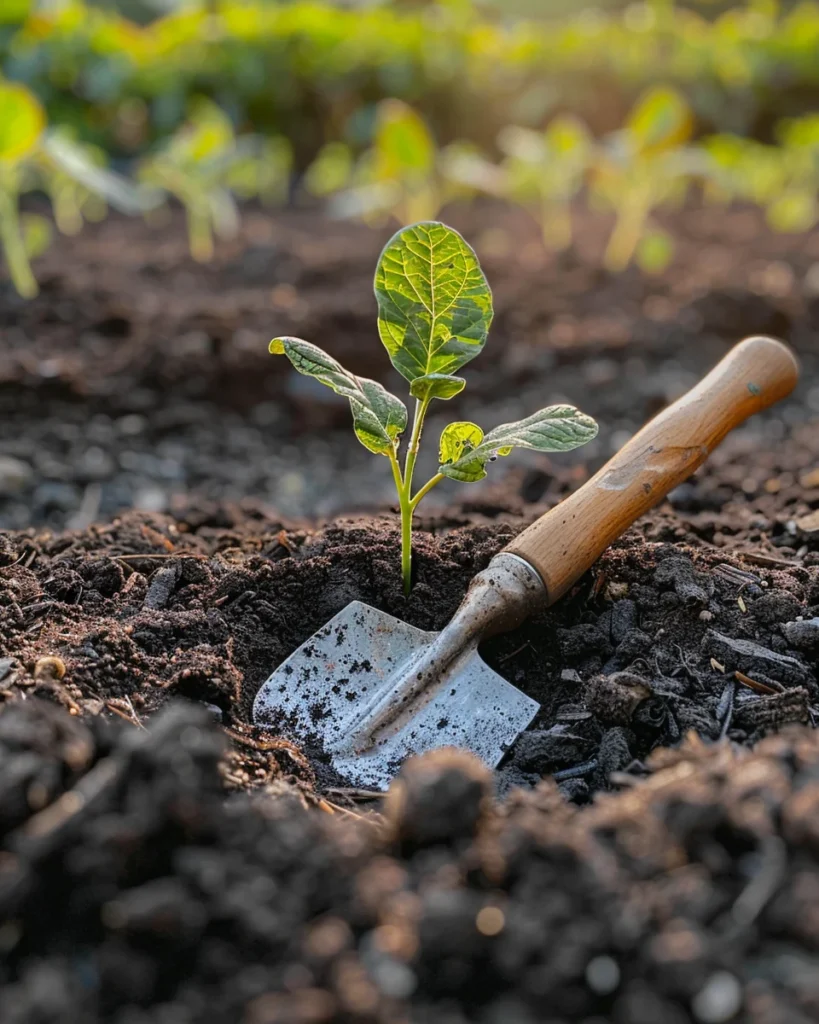
• Sneeboer Hand Trowel – Hand-forged stainless steel with cherry wood handle, offering superior durability for precision planting and transplanting.
• Flexrake Classic Leaf Rake – Springy tines with wooden handle for efficient leaf collection without damaging lawn or garden beds.
• Dramm One-Touch Watering Wand – Aluminum construction with adjustable flow control for gentle watering of delicate seedlings and hanging baskets.
How to select quality gardening tools
Materials needed:
– Budget allocation for quality tools
– Knowledge of tool construction materials
– Understanding of your specific gardening needs
– Awareness of ergonomic considerations
– Access to reputable garden suppliers
Step-by-step selection process:
1. Assess your garden size and typical tasks to determine which tools you’ll use most frequently.
2. Examine tool construction, prioritizing full-tang designs where metal extends through handles for strength.
3. Test the weight and balance of each tool—it should feel comfortable in your hands for extended use.
4. Look for hardened stainless steel or carbon steel for cutting tools that will maintain sharp edges.
5. Check handle materials—ash, hickory, and fiberglass offer durability while providing shock absorption.
6. Ensure moving parts operate smoothly with minimal play or wobble.
7. Verify that manufacturer offers replacement parts for serviceable tools.
8. Consider ergonomic designs with padded grips if you have hand strength issues or arthritis.
9. Research warranty terms—quality tools often come with lifetime guarantees.
10. Invest in the best quality you can afford for tools you’ll use weekly; economize on occasional-use implements.
How to maintain gardening tools
Proper tool maintenance begins with cleaning after each use—remove soil with a stiff brush and wipe metal surfaces with an oily cloth to prevent rust. Store tools hanging in a dry location away from ground moisture. Sharpen cutting tools like pruners and hoes at least twice per season using a diamond file at the original bevel angle. Apply linseed oil to wooden handles annually to prevent drying and cracking. For moving parts, use silicone spray rather than WD-40, which can attract dirt. Sterilize pruning tools with 70% isopropyl alcohol between plants when working with diseased specimens. For container gardening, smaller versions of essential tools may be more appropriate. In high-humidity regions, consider more frequent rust prevention treatments.
Caring for gardening tools
Establish a seasonal maintenance routine, including deep cleaning and sharpening all tools at the end of growing season. Watch for loose handles, which indicate potential failure points—reattach or replace promptly. Common tool problems include rust (treat with steel wool and oil), dull edges (restore with appropriate files), and splintering handles (sand smooth and treat with oil). For pruners, disassemble annually to clean internal springs and mechanisms. Store tools properly—hanging implements to prevent moisture damage and keeping cutting edges protected. Apply paste wax to shovel blades to prevent soil adhesion during use. For pest management tools like sprayers, flush thoroughly with clean water after each use to prevent clogging and contamination.
Understanding quality differences in gardening tools
Quality variations in gardening tools stem from manufacturing processes and materials. Hand-forged tools typically outlast mass-produced versions due to stronger molecular structure in the metal. Heat treatment affects hardness—properly tempered steel holds edges longer but may be more brittle. Weight distribution impacts user fatigue; well-balanced tools reduce strain during extended use. Cheaper tools often use thinner metal that bends under pressure or wooden handles from fast-growing, less dense wood species. Quality differences become most apparent in joining methods—welded connections outperform riveted ones, while full-tang construction provides superior durability compared to partial-tang designs where handles frequently separate from blades during heavy use.
Why do gardening tools fail prematurely?
Common causes of tool failure:
• Improper storage in damp conditions leading to rust and wood rot
• Using tools for unintended purposes (pruners as wire cutters, trowels as pry bars)
• Neglecting regular cleaning, allowing soil acids to corrode metal surfaces
• Failure to maintain edge sharpness, requiring excessive force that stresses joints
• Leaving tools exposed to UV radiation, degrading handles and plastic components
Companion tools for essential gardening implements
Pair pruners with holsters to prevent loss and accidental injury. Combine hand trowels with soil scoops for efficient transplanting operations. Digging forks work harmoniously with shovels—loosening soil first with the fork reduces digging effort. Garden kneelers complement hand tools by reducing physical strain during ground-level work. Avoid combining tools with vastly different maintenance needs in the same storage area, as oil-treated implements can contaminate others. Watering cans with removable roses provide versatility when working alongside hand tools for transplanting. Garden gloves designed for tool use (with reinforced palms) extend both tool and hand longevity.
Seasonal calendar
• January-February: Clean, sharpen, and oil all tools; replace broken handles; inventory and plan new purchases
• March-April: Prepare digging tools for soil preparation; ensure pruners are sharp for spring cleanup
• May-June: Maintain hoes and cultivators for peak weed season; check watering equipment for clogs
• July-August: Clean and oil tools more frequently due to increased use; verify pruner sharpness for summer pruning
• September-October: Prepare leaf management tools; sharpen pruners for fall cleanup
• November-December: Deep clean all tools; apply protective coatings; repair or replace damaged items
Problems & solutions
| Problem | Quick Fix |
|---|---|
| Rusty tool surfaces | Scrub with steel wool soaked in vinegar, rinse, dry thoroughly, and apply tool oil |
| Loose wooden handles | Remove handle, apply waterproof wood glue, reinsert, secure with new wedge or pin |
| Dull cutting edges | Restore with appropriate file following original bevel angle, finish with fine honing stone |
| Sticky pruner mechanisms | Disassemble, clean with degreaser, lubricate moving parts with silicone spray |
| Soil sticking to shovel | Apply thin coat of paste wax to clean, dry blade surface |
| Splintered wooden handles | Sand smooth with medium then fine sandpaper, apply boiled linseed oil |
| Bent tool tines or blades | Carefully straighten using vice and leverage; replace if metal shows stress cracks |
Common questions about essential gardening tools
Q: How often should I sharpen my pruning tools?
A: Sharpen pruners after approximately 20-30 hours of use, or when you notice increased effort needed to make cuts. For most gardeners, this translates to 2-3 times per growing season.
Q: Can I leave my tools outside if they’re made of stainless steel?
A: Even stainless steel tools should be stored indoors in dry conditions. While more resistant to corrosion than carbon steel, prolonged exposure to moisture and temperature fluctuations will eventually damage them.
Q: What’s the minimum set of tools needed for container gardening?
A: Container gardening requires fewer tools—a quality hand trowel, bypass pruners, and a watering can with a narrow spout will handle most tasks effectively.
Q: How do I know when to replace rather than repair a tool?
A: Replace tools when metal shows cracks (not just bends), when wooden handles have rotted (not just splintered), or when repair parts cost more than 50% of a new quality replacement.
Q: Are electric or battery-powered gardening tools worth the investment?
A: Power tools make sense for larger properties (over 1/4 acre/1000m²) or gardeners with physical limitations. For typical home gardens, quality hand tools often provide better precision and longevity with lower lifetime costs.
Q: What’s the best way to prevent tool theft from garden sheds?
A: Beyond secure locks, mark tools with bright, distinctive paint patterns on handles, engrave your postcode/zip code on metal parts, and photograph your collection for insurance purposes.