
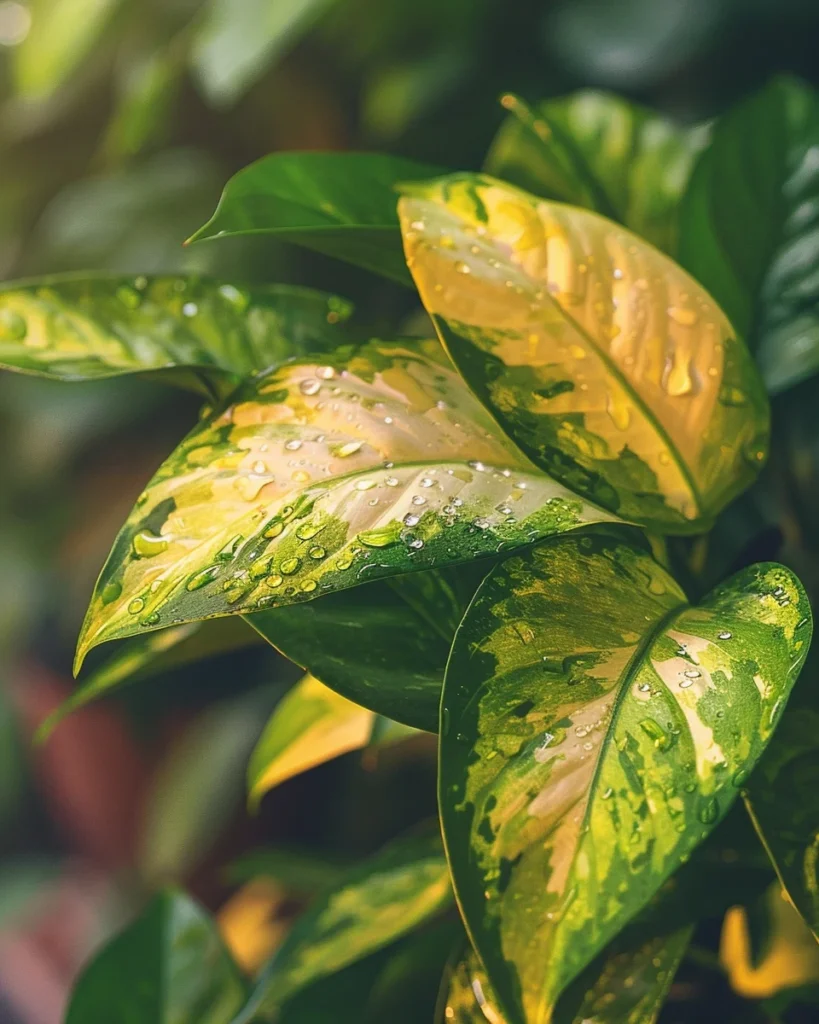
Air-Purifying Indoor Plants: 12 Scientifically Proven Varieties That Clean Your Home’s Air
Intro for Air-Purifying Indoor Plants
Indoor air pollution is a significant health concern, with many homes containing higher levels of pollutants than outdoor environments. Fortunately, nature provides an elegant solution through certain houseplants that actively filter toxins from the air. NASA’s Clean Air Study and subsequent research have identified several plant species that effectively remove common household pollutants like formaldehyde, benzene, and trichloroethylene. These living air purifiers not only beautify your space but also improve air quality, potentially reducing headaches, respiratory issues, and allergies. Most air-purifying plants are adaptable to indoor conditions across all climate zones, making them accessible options for anyone looking to breathe easier at home.
When to plant Air-Purifying Indoor Plants
Air-purifying houseplants can technically be purchased and established year-round since they live indoors. However, the ideal planting time is during spring and early summer (March through June) when plants are naturally in active growth mode. This timing allows them to establish root systems before the lower light conditions of fall and winter. If you’re propagating from cuttings, spring is optimal as the increased natural light and warmer temperatures promote faster root development. Avoid bringing new plants home during extreme temperature periods, as the shock of transport from nursery to home during freezing or extremely hot weather can stress plants.
Best time to plant Air-Purifying Indoor Plants
For temperate regions, mid-spring (April to May) offers the perfect balance of increasing daylight and moderate temperatures for establishing new indoor plants. In warmer climates (US zones 9-11), you can successfully introduce new plants from February through October. For cooler northern regions (US zones 3-6 or UK), concentrate your plant acquisitions between March and August when transportation poses less risk of cold damage. If propagating from existing plants, early spring provides the longest growing season for new plants to establish before winter’s reduced light levels. For tropical varieties like peace lilies, avoid winter transplanting entirely unless you can maintain consistently warm indoor temperatures.
Best Air-Purifying Indoor Plant varieties to grow
• Peace Lily (Spathiphyllum) – Removes benzene, formaldehyde, trichloroethylene, and ammonia while thriving in low-light conditions.
• Snake Plant (Sansevieria trifasciata) – Filters formaldehyde and nitrogen oxides while requiring minimal care and surviving in almost any light condition.
• Boston Fern (Nephrolepis exaltata) – Exceptional at removing formaldehyde and acting as a natural humidifier, perfect for bathrooms.
• Spider Plant (Chlorophytum comosum) – Eliminates carbon monoxide and xylene, produces oxygen continuously, and propagates easily.
• Rubber Plant (Ficus elastica) – Removes formaldehyde while requiring minimal care and growing into an impressive statement plant.
• English Ivy (Hedera helix) – Filters airborne fecal particles and formaldehyde, making it ideal for bathrooms and kitchens.
• Aloe Vera – Removes formaldehyde and benzene while providing medicinal gel for minor burns and skin irritations.
• Bamboo Palm (Chamaedorea seifrizii) – Effectively filters benzene, trichloroethylene, and formaldehyde while adding tropical elegance.
How to plant Air-Purifying Indoor Plants
Materials needed:
• Healthy plant specimens
• Appropriately sized pots (1-2 inches larger than root ball)
• High-quality potting mix specific to plant type
• Drainage trays
• Watering can
• Pruning scissors
• Gloves (optional)
• Activated charcoal (optional, for odor control)
Planting steps:
1. Select a container with drainage holes that’s proportional to your plant’s size (typically 1-2 inches larger in diameter than the nursery pot).
2. Cover drainage holes with mesh or a coffee filter to prevent soil loss while allowing water drainage.
3. Add a layer of potting mix to the bottom of the new container, optionally mixing in a small amount of activated charcoal to prevent odors.
4. Gently remove the plant from its nursery pot by squeezing the sides and turning it upside down while supporting the plant base.
5. Inspect the roots, trimming any that appear black, mushy, or circling the root ball.
6. Position the plant in the new pot so the top of the root ball sits about 1 inch (2.5 cm) below the container rim.
7. Fill around the root ball with fresh potting mix, gently tamping down to eliminate air pockets without compacting too firmly.
8. Water thoroughly until water flows from the drainage holes, then allow to drain completely.
9. Place the plant in its permanent location based on light requirements specific to the variety.
10. Wait 2-4 weeks before fertilizing to allow the plant to acclimate to its new home.
How to grow Air-Purifying Indoor Plants
Most air-purifying plants prefer bright, indirect light, though species like snake plants and ZZ plants tolerate lower light conditions. Avoid direct sunlight which can scorch leaves. Water requirements vary by species, but most prefer to dry out slightly between waterings—check the top 1-2 inches (2.5-5 cm) of soil and water when dry. Tropical varieties like peace lilies and ferns prefer consistently moist (but not soggy) soil.
Fertilize monthly during spring and summer with a balanced, water-soluble houseplant fertilizer diluted to half-strength. Reduce or eliminate fertilization during fall and winter when growth naturally slows. Maintain humidity between 40-60% for optimal air-cleaning efficiency—use humidity trays, group plants together, or use a humidifier in dry environments.
For container growing, choose pots that are proportional to plant size with adequate drainage. Terracotta pots work well for plants that prefer drier conditions, while plastic or glazed ceramic helps retain moisture for tropical varieties. Repot most air-purifying plants every 2-3 years, moving up only one pot size to prevent overwatering issues in too-large containers.
Caring for Air-Purifying Indoor Plants
Dust plant leaves monthly with a damp cloth to maintain their air-purifying efficiency—dust blocks light absorption and clogs the pores plants use for air filtration. Rotate plants quarterly to ensure even growth and light exposure. Prune yellowing or dead leaves promptly to prevent disease spread and encourage new growth.
Common pests include spider mites (tiny webs, stippled leaves), mealybugs (white cotton-like clusters), and scale (brown bumps on stems). Treat infestations with insecticidal soap or neem oil, applying weekly until resolved. For fungal issues (black or brown spots, powdery residue), improve air circulation, reduce watering, and remove affected leaves.
To maximize air-purifying benefits, place one medium-sized plant (in 6-8 inch pot) per 100 square feet (9.3 square meters) of living space. Focus placement in areas where you spend the most time, like bedrooms and living rooms. For optimal results, combine several different air-purifying species, as each targets different pollutants.
Understanding bolting in Air-Purifying Indoor Plants
Bolting refers to a plant’s sudden shift from leaf production to flowering and seed production. While common in edible plants like lettuce and herbs, most indoor air-purifying plants don’t technically bolt. However, some may experience stress-induced flowering that can reduce their foliage growth and air-cleaning efficiency.
Stress triggers include dramatic temperature fluctuations, particularly exposure to cold drafts followed by overheating. Inconsistent watering (severe drought followed by overwatering) can also trigger premature flowering in some species. Light stress—either too much direct sunlight or sudden increases in day length—may cause similar reactions.
To prevent stress-induced flowering, maintain consistent care routines and stable environmental conditions. If a plant does begin unexpected flowering, evaluate your care routine for potential stressors. While flowering isn’t harmful, you may wish to remove flower stalks in some species to redirect energy back to foliage growth and air purification.
Why does Air-Purifying Indoor Plants turn bitter?
While bitterness isn’t relevant to ornamental air-purifying plants, they can develop other undesirable characteristics:
• Yellowing leaves – Usually indicates overwatering, poor drainage, or nutrient deficiencies; reduce watering frequency and ensure proper drainage.
• Brown leaf tips – Typically caused by low humidity or salt buildup from fertilizer; increase humidity and flush soil occasionally with distilled water.
• Leggy, stretched growth – Signals insufficient light; move plant to a brighter location without direct sun exposure.
• Pale, washed-out foliage – Often results from too much direct sunlight; move to a location with bright, indirect light.
• Stunted growth – May indicate root binding; check if roots are circling the pot and repot if necessary.
Companion planting for Air-Purifying Indoor Plants
Grouping compatible air-purifying plants creates microenvironments that benefit all plants involved:
• Peace Lilies + Boston Ferns – Both thrive in higher humidity, creating a mutually beneficial moisture zone while targeting different air pollutants.
• Snake Plants + Succulents – Share similar watering and light needs while offering complementary air-filtering properties.
• Spider Plants + English Ivy – Work well in hanging arrangements, with complementary watering needs and pollutant-filtering capabilities.
• Rubber Plants + Pothos – Both tolerate similar light conditions and together filter a broad spectrum of indoor pollutants.
• Aloe + Jade Plant – Complement each other with similar care requirements while providing different air-cleaning benefits.
Avoid grouping plants with dramatically different needs, such as drought-tolerant snake plants with moisture-loving ferns, as their care requirements conflict.
Seasonal calendar
Spring (March-May):
• Resume regular fertilization schedule
• Increase watering as growth accelerates
• Clean leaves thoroughly to remove winter dust
• Repot plants that have outgrown their containers
• Propagate cuttings for new plants
Summer (June-August):
• Monitor for increased watering needs
• Protect from air conditioning drafts
• Shield from intense direct sunlight
• Continue regular fertilization
• Check frequently for pest issues
Fall (September-November):
• Gradually reduce watering as growth slows
• Decrease or stop fertilization
• Clean windows to maximize diminishing light
• Move plants away from cold windows
• Bring outdoor plants inside before first frost
Winter (December-February):
• Minimize watering (check soil moisture carefully)
• Avoid fertilizing dormant plants
• Increase humidity around plants
• Keep away from heaters and cold drafts
• Clean leaves monthly to maximize light absorption
Problems & solutions
| Problem | Quick Fix |
|---|---|
| Yellowing leaves | Check watering habits—allow soil to dry slightly between waterings and ensure proper drainage. |
| Brown leaf tips/edges | Increase humidity with pebble trays or humidifier; avoid placing near heating vents. |
| Drooping despite moist soil | Check for root rot—repot in fresh soil after trimming damaged roots if present. |
| White fuzzy spots | Treat mealybugs with alcohol-dipped cotton swabs and insecticidal soap spray. |
| Webbing on leaves | Combat spider mites with increased humidity and neem oil applications. |
| Slow/stunted growth | Evaluate light conditions and fertilization schedule; repot if root-bound. |
| Leaves dropping suddenly | Check for temperature extremes, drafts, or recent relocations; stabilize environment. |
Common questions about growing Air-Purifying Indoor Plants
How many plants do I need to improve air quality?
Research suggests 1-2 medium-sized plants (6-8 inch pots) per 100 square feet (9.3 square meters) for noticeable air quality improvements. For maximum benefit, use a variety of different air-purifying species throughout your home.
Do air-purifying plants need special soil?
Most air-purifying plants thrive in standard indoor potting mix with good drainage. Succulents like snake plants and aloe prefer cactus/succulent mix, while ferns benefit from soil with higher organic content.
How often should I water my air-purifying plants?
Watering needs vary by species. Generally, allow the top 1-2 inches (2.5-5 cm) of soil to dry out between waterings for most varieties. Ferns and peace lilies prefer consistently moist soil, while snake plants and ZZ plants can go 2-3 weeks between waterings.
Can air-purifying plants grow in bathrooms with no windows?
Some varieties like pothos, snake plants, and ZZ plants can survive in low-light bathrooms, but all plants need at least some light to perform photosynthesis. Consider artificial grow lights if you have no natural light.
Are air-purifying plants safe for pets?
Many common air-purifiers like peace lilies, pothos, and English ivy are toxic to cats and dogs if ingested. Pet-safe alternatives include spider plants, Boston ferns, areca palms, and calatheas.
How do I know if my air-purifying plant is actually working?
While you can’t visibly see the air-cleaning process, healthy plants with abundant foliage are actively filtering air. Signs of effectiveness include reduced allergy symptoms, fewer headaches, and better sleep quality in rooms with plants.
Do air-purifying plants need fertilizer?
Yes, but sparingly. Apply a balanced houseplant fertilizer diluted to half-strength once monthly during spring and summer. Most air-purifying plants need little to no fertilizer during fall and winter dormancy periods.