
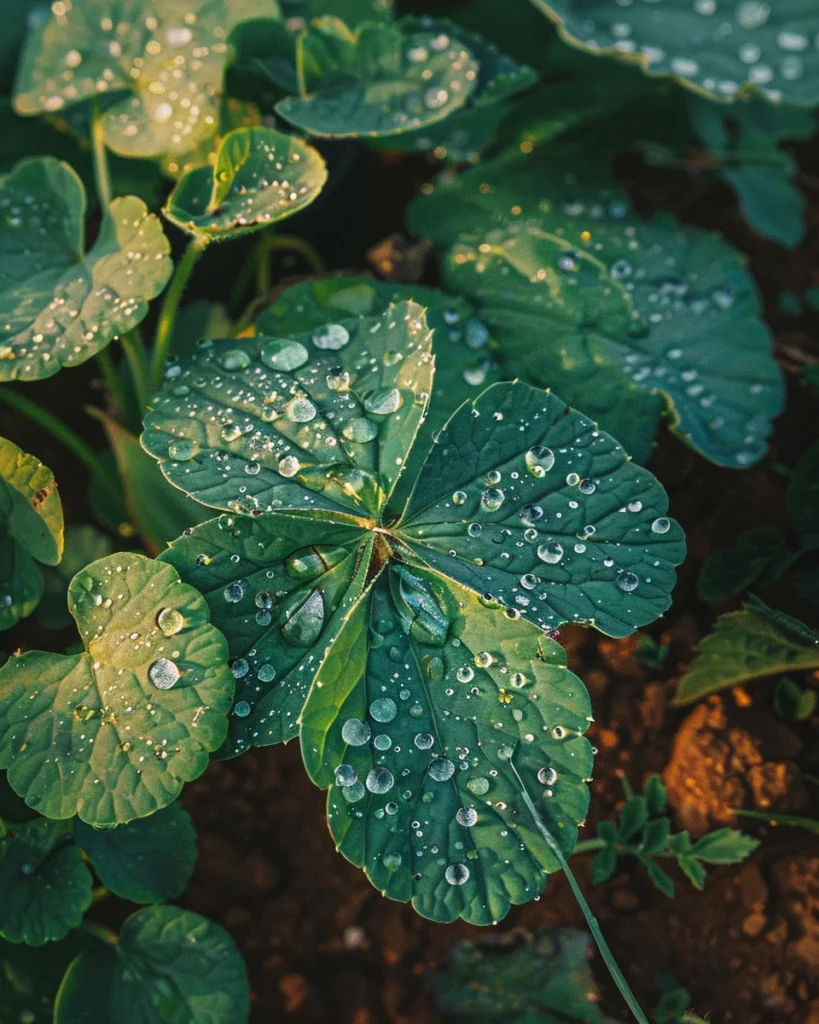
How to Master Your Garden Watering Schedule: Transform Your Plants with Perfect Timing
Intro for This Watering Schedule Changed My Entire Garden Game
A proper watering schedule is the foundation of a thriving garden. Many gardeners struggle with finding the right balance—either drowning their plants or leaving them parched. Establishing a consistent, tailored watering routine can dramatically improve plant health, boost yields, and reduce water waste. Rather than following generic advice, understanding your specific garden’s needs based on plant types, soil conditions, and climate will revolutionize your gardening success. The right watering schedule works with nature’s rhythms while accounting for seasonal changes, creating resilient plants with strong root systems that can better withstand stress and produce abundant harvests.
When to plant This Watering Schedule Changed My Entire Garden Game
Implementing an effective watering schedule should begin the moment you plant. For most temperate regions, spring and fall plantings require different initial watering approaches. Spring plantings (when soil temperatures reach 10-15°C/50-60°F) need careful attention as they establish before summer heat arrives. Fall plantings (typically 6-8 weeks before first frost) require consistent moisture to develop strong roots before winter dormancy. In Mediterranean climates, fall planting often works best as plants can establish during mild, rainy winters. Regardless of season, newly planted gardens need more frequent watering until established, gradually transitioning to your regular schedule.
Best time to plant This Watering Schedule Changed My Entire Garden Game
The optimal time to implement your watering schedule is early morning, ideally between 5:00-9:00 AM. This timing allows plants to absorb moisture before the day’s heat while minimizing evaporation and fungal disease risk. In cool climate regions (US Zones 3-6, UK northern areas), morning watering gives plants strength to handle the day. In warm regions (US Zones 7-10, Mediterranean areas), you might supplement with occasional evening watering during extreme heat, but finish early enough (before 6:00 PM) to allow foliage to dry before nightfall. Avoid midday watering in all climates as it’s inefficient and can shock plants.
Best This Watering Schedule Changed My Entire Garden Game varieties to grow
• Deep-rooted perennials: Plants like lavender and rosemary develop extensive root systems that require less frequent but deeper watering once established.
• Drought-tolerant natives: Species adapted to your local conditions naturally require less supplemental watering and thrive on rainfall patterns.
• Water-wise vegetables: Varieties like ‘Heatwave’ tomatoes or ‘Drought Master’ beans are bred specifically to maintain production with reduced watering.
• Clay-adapted plants: Species that thrive in clay soils often handle moisture fluctuations better and require less frequent watering.
• Sandy soil specialists: Plants adapted to quick-draining conditions develop efficient water uptake systems and respond well to frequent, light watering.
• Container-specific varieties: Compact plants bred for containers often have modified root systems that adapt well to container watering schedules.
• Microclimate-matched plants: Varieties selected for your specific garden conditions will naturally thrive with less watering intervention.
How to plant This Watering Schedule Changed My Entire Garden Game
Materials list:
– Soil moisture meter
– Timer or smart irrigation controller
– Watering can or hose with adjustable nozzle
– Soaker hoses or drip irrigation supplies
– Mulch (organic preferred)
– Rain gauge
– Garden journal for tracking
Step-by-step:
1. Assess your soil type using a simple jar test to determine if you have sandy, loamy, or clay soil, as this dramatically affects water retention.
2. Group plants with similar water needs together in your garden layout to create hydrozones that can be watered on the same schedule.
3. Install water-efficient irrigation systems like soaker hoses or drip lines before planting to minimize disruption later.
4. Apply 5-7.5 cm (2-3 inches) of organic mulch around plants (keeping it away from stems) to reduce evaporation and maintain soil moisture.
5. Water deeply immediately after planting to settle soil and eliminate air pockets around roots.
6. For the first week, water daily or every other day depending on weather conditions to help establish new plants.
7. During weeks 2-3, gradually extend time between waterings to encourage deeper root growth.
8. Install a rain gauge to measure natural precipitation and adjust your watering schedule accordingly.
9. Set up a simple calendar or digital reminder system to maintain consistency in your watering schedule.
10. Document your watering practices and plant responses in a garden journal to refine your approach over time.
How to grow This Watering Schedule Changed My Entire Garden Game
The ideal watering schedule varies by plant type, growth stage, and season. For established vegetable gardens in moderate climates, deep watering 2-3 times per week is typically more effective than daily light watering. Apply water directly to soil rather than foliage using drip irrigation or soaker hoses when possible. During active growth periods, most garden plants need approximately 2.5 cm (1 inch) of water per week from all sources combined.
Container gardens require more frequent attention—possibly daily in summer—as they dry out faster than in-ground plantings. Use the finger test (inserting your finger 5 cm/2 inches into soil) to check moisture levels before watering. For lawns, infrequent deep watering (1-2 times weekly) encourages deeper root growth and drought resistance compared to frequent shallow watering.
Adjust your schedule seasonally: increase frequency during hot, dry periods and reduce during cool, rainy seasons. Early morning watering (5:00-9:00 AM) is most efficient as it minimizes evaporation and allows foliage to dry, reducing disease risk. Consider installing a simple rain sensor or smart controller that automatically adjusts based on weather conditions.
Caring for This Watering Schedule Changed My Entire Garden Game
Maintaining your watering schedule requires regular monitoring and adjustment. Check soil moisture 5-7.5 cm (2-3 inches) below the surface before watering rather than following a rigid calendar. Watch for signs of water stress: wilting, curling leaves, and slowed growth indicate underwatering, while yellowing leaves and soft, rotting stems suggest overwatering.
Common watering-related issues include fungal diseases like powdery mildew, which thrive in consistently wet foliage conditions. Combat this by watering at soil level and maintaining good air circulation. Root rot often develops in waterlogged soil—improve drainage and reduce watering frequency if symptoms appear. For container plants showing signs of stress despite regular watering, check if they’ve become root-bound and need repotting.
Seasonal transitions require special attention. In fall, gradually reduce watering frequency as temperatures cool and growth slows. Before winter freezes, give plants (especially evergreens) a deep watering to help them through dry winter conditions. Resume regular watering in spring as new growth emerges, being careful not to overwater cool, damp soil.
Understanding bolting in This Watering Schedule Changed My Entire Garden Game
Bolting—when plants prematurely produce flowering stems—is often triggered by inconsistent watering patterns. When plants experience drought stress followed by sudden heavy watering, they may enter survival mode and rush to produce seeds before dying. This is particularly common in leafy greens and herbs during hot weather.
To prevent watering-induced bolting, maintain consistent soil moisture through regular schedule adherence. Using moisture-retaining mulch creates a buffer against rapid soil drying. During heat waves, you may need to increase watering frequency while maintaining the same total volume to prevent stress cycles.
If plants show early signs of bolting despite your watering efforts, harvest usable portions immediately. For some plants like lettuce, providing afternoon shade during the hottest part of summer can reduce bolting tendencies even with perfect watering. Consider succession planting heat-sensitive crops to ensure continuous harvest before bolting occurs.
Why does This Watering Schedule Changed My Entire Garden Game turn bitter?
• Inconsistent watering: Fluctuations between drought and overwatering stress plants, triggering defensive bitter compounds—maintain consistent moisture levels.
• Incorrect timing: Midday watering during heat can shock plants and alter flavor profiles—stick to morning watering schedules.
• Shallow watering: Surface-only moisture encourages shallow roots and stress responses—water deeply to encourage robust root systems.
• Overwatering: Excessive moisture dilutes flavor compounds and can leach nutrients from soil—follow appropriate schedules for each plant type.
• Seasonal transitions: Failing to adjust watering schedules as seasons change can stress plants—modify frequency based on temperature, rainfall, and plant growth stage.
Companion planting for This Watering Schedule Changed My Entire Garden Game
Strategic companion planting can enhance your watering schedule’s effectiveness. Deep-rooted plants like comfrey or yarrow help break up compacted soil, improving water penetration for neighboring shallow-rooted plants. Tall plants such as corn or sunflowers create natural shade that reduces evaporation for moisture-loving companions planted nearby.
Ground covers like thyme or creeping oregano act as living mulch, preserving soil moisture and reducing watering frequency for companion plants. Legumes (beans, peas) with their nitrogen-fixing abilities help companions develop stronger root systems that utilize water more efficiently.
Avoid planting moisture-loving plants next to drought-tolerant species, as their conflicting watering needs will make maintaining an effective schedule difficult. Similarly, fast-growing, thirsty plants like squash can outcompete smaller neighbors for available moisture if planted too closely together.
Seasonal calendar
• Early Spring (March-April): Begin regular monitoring as temperatures rise; water newly seeded beds lightly but frequently; check irrigation systems for winter damage.
• Late Spring (May): Increase watering volume as growth accelerates; apply mulch to retain moisture; adjust automatic timers for seasonal needs.
• Early Summer (June): Implement full summer watering schedule; water deeply 2-3 times weekly for established plants; daily checks for container gardens.
• Mid-Summer (July-August): Increase frequency during heat waves; water in early morning to minimize evaporation; monitor closely for signs of stress.
• Early Fall (September): Begin reducing watering frequency as temperatures cool; continue deep watering for fall crops and newly planted perennials.
• Late Fall (October-November): Provide occasional deep watering for evergreens and newly planted items; prepare irrigation systems for winter.
• Winter (December-February): Minimal watering needed except during unusual dry spells; water container plants and evergreens during extended thaws.
Problems & solutions
Problem | Quick Fix
— | —
Wilting despite regular watering | Check for root compaction or bound roots; aerate soil or repot as needed
Plants showing yellow leaves | Reduce watering frequency; improve drainage with organic matter
Water running off instead of soaking in | Apply water more slowly or in multiple shorter sessions; use soil wetting agent if necessary
Inconsistent moisture in raised beds | Install drip irrigation with timer; add more organic matter to improve water retention
Mold or fungus on soil surface | Reduce watering frequency; improve air circulation; water in morning only
Dry spots in garden despite irrigation | Check for clogged emitters or uneven coverage; consider pressure regulators
Constantly soggy soil | Improve drainage with organic matter; reduce watering frequency; consider installing French drains
Common questions about growing This Watering Schedule Changed My Entire Garden Game
**How do I know if I’m overwatering my garden?**
Signs include yellowing leaves, soft stems, fungal growth on soil, and consistently soggy soil. Check moisture 5 cm (2 inches) below surface before watering again.
**Can I use the same watering schedule year-round?**
No, effective schedules must adapt to seasonal changes. Plants need more frequent watering during active growth and hot weather, less during cool seasons and dormancy periods.
**Is it better to water in the morning or evening?**
Morning watering (5:00-9:00 AM) is generally best as it reduces evaporation and allows foliage to dry quickly, minimizing disease risk. Evening watering can promote fungal issues in humid climates.
**How does mulch affect my watering schedule?**
Organic mulch (5-7.5 cm/2-3 inches thick) significantly reduces evaporation, allowing you to water less frequently while maintaining consistent soil moisture.
**Can I rely on rainfall instead of a watering schedule?**
Natural rainfall can supplement your schedule but rarely provides consistent moisture. Use a rain gauge to measure actual precipitation and adjust your supplemental watering accordingly.
**How should container plants’ watering differ from in-ground gardens?**
Container plants typically need more frequent watering—possibly daily in summer—as their limited soil volume dries out faster. Check moisture levels daily and water when the top 2.5 cm (1 inch) feels dry.
**Will automated irrigation systems save water compared to manual watering?**
Smart irrigation systems with moisture sensors or weather-based controllers can reduce water usage by 15-30% compared to manual methods by delivering precisely what plants need when they need it.