
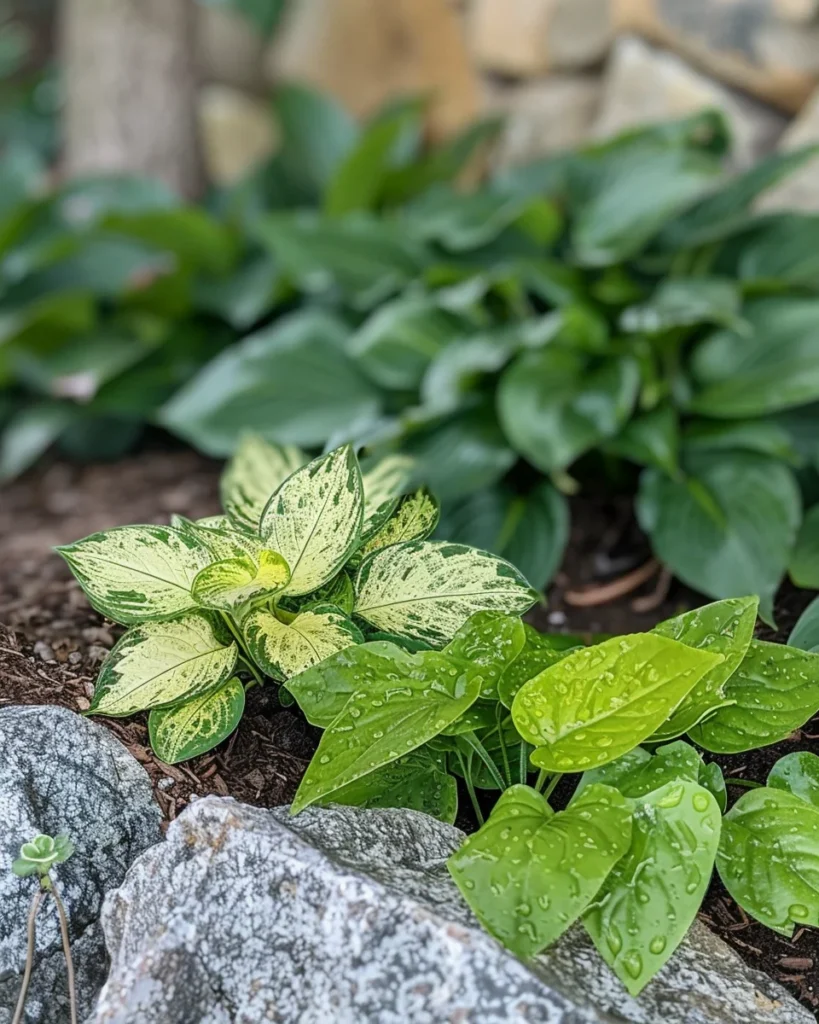
How to Grow Companion Plants That Thrive Together: Beneficial Plant Combinations for Your Garden
Intro for These Plant Combos Grew Better Together Than Alone
Companion planting is a time-tested gardening technique where certain plants grow better when planted near each other than when grown alone. This natural approach harnesses plant relationships to improve growth, deter pests, enhance flavor, and increase yields. Companion planting creates a balanced mini-ecosystem in your garden, reducing the need for chemical interventions while maximizing space and resources. These beneficial plant partnerships work in various garden settings—from spacious backyard plots to compact container gardens—and are especially effective in temperate regions where diverse plant species can thrive together through mutually beneficial relationships.
When to plant These Plant Combos Grew Better Together Than Alone
The ideal timing for planting companion combinations depends on the specific plants involved and your local climate. In general temperate regions, spring (after the last frost when soil temperatures reach 10-15°C/50-60°F) is perfect for most companion planting arrangements. For warm-season companions like tomatoes and basil, wait until soil temperatures consistently reach 18°C/65°F. Fall companion planting works well in zones with mild winters, allowing cool-season combinations like kale and nasturtiums to thrive. Always check the specific frost tolerance of each plant in your combination and time your planting so the most cold-sensitive plant won’t be damaged.
Best time to plant These Plant Combos Grew Better Together Than Alone
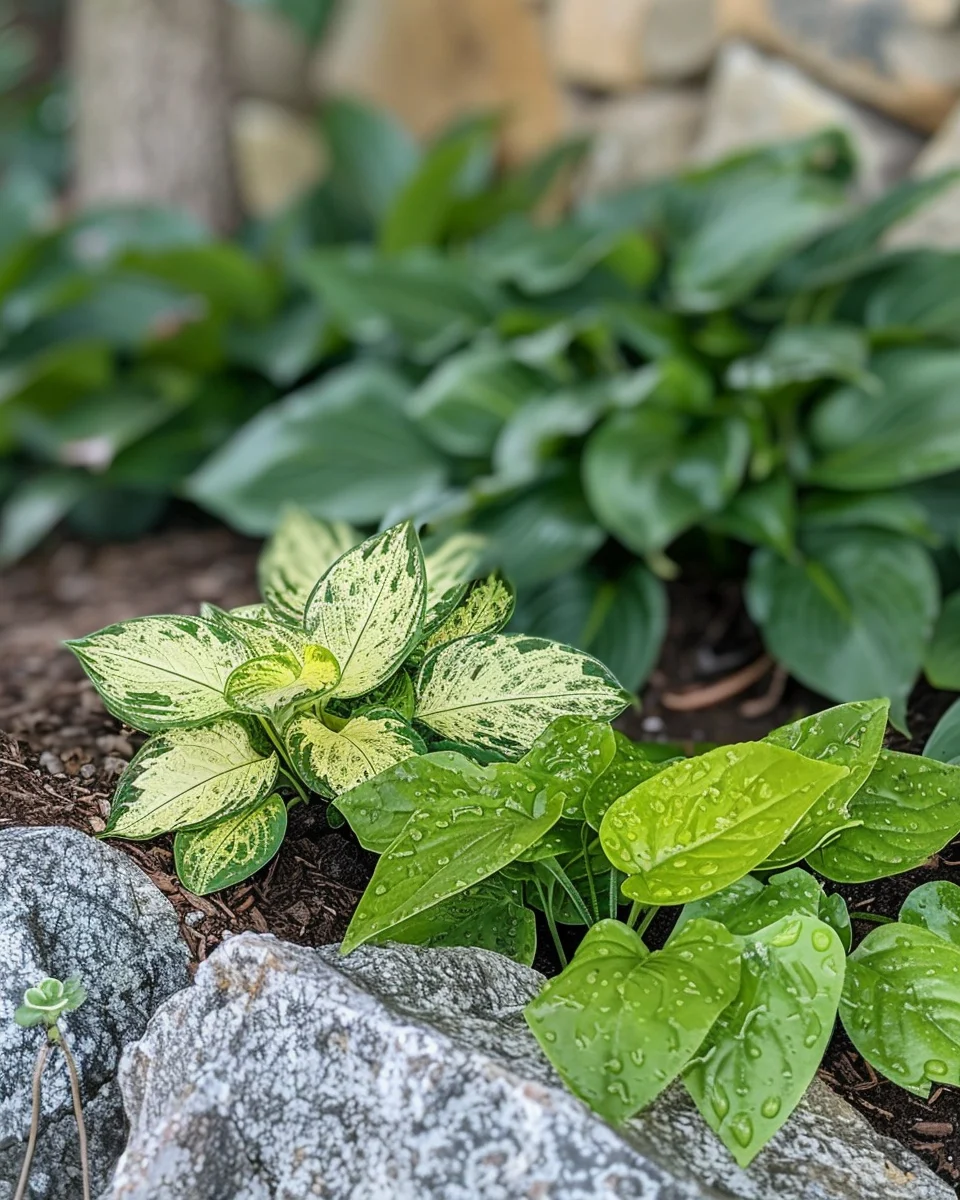
In cool climate regions (US Zones 3-5, UK northern areas), plant most companion combinations from mid-May through June when soil has warmed sufficiently. For warm climate regions (US Zones 7-10, Mediterranean areas), early spring (March-April) works well for cool-season companions, while warm-season combinations can be planted from April through June. Direct-sow quick-growing companions like radishes alongside slower-developing plants like carrots. For combinations involving transplants (like tomatoes) and seeds (like basil), start the transplants indoors 6-8 weeks before outdoor planting time, then direct-sow the companion seeds when transplanting.
Best These Plant Combos Grew Better Together Than Alone varieties to grow
- Tomatoes and Basil – Basil repels tomato hornworms while improving tomato flavor, and the tomatoes provide partial shade for basil in hot weather.
- Corn, Beans, and Squash (Three Sisters) – A traditional Native American combination where corn provides support for beans, beans fix nitrogen for corn and squash, and squash leaves shade the soil and deter pests.
- Carrots and Onions – Onions repel carrot flies while carrots deter onion flies, creating mutual pest protection.
- Roses and Garlic – Garlic deters aphids and other rose pests while adding an interesting visual contrast to ornamental beds.
- Lettuce and Tall Flowers (Sunflowers/Cosmos) – Tall flowers provide afternoon shade for lettuce in summer, extending the harvest season.
- Cabbage Family and Aromatic Herbs – Herbs like thyme, sage, and mint mask the scent of brassicas from pest insects.
- Strawberries and Borage – Borage attracts pollinators for strawberries and deters strawberry pests while improving fruit flavor.
How to plant These Plant Combos Grew Better Together Than Alone
Materials needed:
- Seeds or transplants of companion plants
- Garden fork or tiller
- Compost or organic matter
- Garden trowel
- Watering can or hose with spray attachment
- Plant markers
- Mulch
Step-by-step planting:
- Prepare your garden bed by removing weeds and loosening soil to a depth of 20-30 cm (8-12 inches).
- Incorporate 5-7 cm (2-3 inches) of compost or aged manure into the soil to improve fertility and drainage.
- Plan your layout based on mature plant sizes, ensuring taller plants won’t shade sun-loving companions (unless that’s the intention).
- For combinations with different planting depths, plant the deeper-rooted plant first.
- Space plants according to the needs of the larger plant in the combination, as companion plants often can be planted slightly closer than normal.
- When planting combinations with different growth rates, give the slower-growing plant a head start (1-2 weeks).
- Plant aromatic pest-deterrent companions (like marigolds or herbs) around the perimeter of vegetable groups for maximum protection.
- Water thoroughly after planting, ensuring the soil is moist to the root depth of all plants.
- Label your plant combinations to track which partnerships perform best in your garden.
- Apply 5 cm (2 inches) of mulch around plants, keeping it away from stems to prevent rot.
How to grow These Plant Combos Grew Better Together Than Alone
Most companion plant combinations benefit from at least 6 hours of sunlight daily, though some pairs (like lettuce and tall flowers) use partial shade strategically. Water consistently, focusing on the plant with the highest water needs while being careful not to overwater its companion. For fertilizing, use balanced organic options that won’t overstimulate one plant at the expense of another—compost tea works well for most combinations. Apply mulch between plants to suppress weeds and retain moisture. When growing companions in containers, choose a pot large enough to accommodate both plants’ root systems (minimum 40 cm/16 inches diameter for most combinations) and ensure excellent drainage. For combinations involving climbers (like beans with corn), the support plant needs to be established first before introducing the climbing companion.
Caring for These Plant Combos Grew Better Together Than Alone
Monitor plant combinations weekly for signs of pest or disease issues. If pests appear, try targeted organic controls like insecticidal soap that won’t harm beneficial insects attracted by your companion plants. Common pest problems include aphids (spray with strong water stream or neem oil) and cabbage worms (hand-pick or use Bacillus thuringiensis). For disease prevention, ensure good air circulation between companion plants by proper spacing and selective pruning. Harvest companions at their individual peak times—don’t delay harvesting one plant because its companion isn’t ready. When harvesting herbs planted with vegetables, never take more than one-third of the herb plant at once to maintain its pest-deterrent benefits. Store harvested produce separately according to each plant’s optimal storage conditions.
Understanding bolting in These Plant Combos Grew Better Together Than Alone
Bolting is when plants prematurely produce flowers and seeds, typically making leafy vegetables bitter and tough. In companion plantings, if one plant bolts, it can affect the growth pattern of its companion. Heat is the primary trigger for bolting in cool-season companions like lettuce, spinach, and cilantro, while day length (photoperiod) affects others like onions. Drought stress can accelerate bolting in many plants. To prevent bolting, select bolt-resistant varieties, provide afternoon shade using taller companion plants, ensure consistent moisture, and plant cool-season companions early enough to mature before hot weather. If a companion plant bolts, decide whether to remove it based on its effect on the partner plant—sometimes flowering companions attract beneficial insects that help the remaining plant.
Why does These Plant Combos Grew Better Together Than Alone turn bitter?
- Heat stress – When temperatures rise too high for cool-season plants in a combination, they may produce bitter compounds; provide shade with taller companions or use shade cloth.
- Age imbalance – If one plant in the combination matures much faster than its companion, it may become bitter before the other plant provides full benefits; stagger planting times to better synchronize growth.
- Nutrient competition – Inadequate nutrients can cause stress leading to bitterness; ensure soil is fertile enough to support both plants with regular compost additions.
- Incorrect companions – Some plants actually inhibit each other’s flavor development; research combinations carefully and avoid known antagonistic pairings.
- Inconsistent watering – Drought stress often triggers bitterness in many plants; maintain even soil moisture for both companions.
Companion planting for These Plant Combos Grew Better Together Than Alone
Beneficial companion groupings:
- Nightshades + Marigolds + Basil – Marigolds deter nematodes while basil improves flavor and growth of tomatoes, peppers, and eggplants.
- Root Vegetables + Alliums – Onions, garlic, and leeks protect carrots, beets, and parsnips from root pests through their strong scent.
- Brassicas + Aromatic Herbs – Rosemary, sage, and thyme mask the scent of cabbage, broccoli, and kale from cabbage moths and other pests.
- Legumes + Cucurbits – Beans and peas fix nitrogen that benefits squash, cucumbers, and melons.
- Lettuce + Tall Flowers – Sunflowers and cosmos provide shade that extends lettuce growing season into warmer weather.
- Roses + Chives – Chives deter black spot and aphids while attracting pollinators to roses.
Avoid these combinations:
- Fennel + Most Vegetables – Fennel releases compounds that inhibit growth of many garden plants.
- Potatoes + Tomatoes/Eggplant – These related plants share diseases and can increase pest problems when planted together.
- Beans + Onions/Garlic – Alliums can stunt bean growth and reduce yields.
Seasonal calendar
Spring (March-May):
- Sow cool-season companion combinations (lettuce/radish, peas/spinach)
- Prepare beds for warm-season companion plantings
- Start warm-season transplants indoors (tomatoes, peppers)
- Plant perennial herb companions near perennial vegetables
Summer (June-August):
- Plant heat-loving companion combinations (tomato/basil, corn/beans/squash)
- Harvest cool-season companions before heat causes bolting
- Monitor for pests and diseases more frequently
- Provide additional water during dry periods
- Succession plant quick-growing companions
Fall (September-November):
- Plant second crop of cool-season companion combinations
- Harvest warm-season companions before frost
- Plant cover crop combinations in vacant garden areas
- Collect seeds from successful companion plantings
Winter (December-February):
- Plan next season’s companion planting layout
- Start slow-growing companions indoors (onions, leeks)
- Apply compost to beds for spring planting
- In mild winter areas, maintain cool-season companion plantings
Problems & solutions
| Problem | Quick Fix |
|---|---|
| One plant overshadowing its companion | Prune the taller plant selectively or adjust spacing in future plantings |
| Companions maturing at different rates | Stagger planting times or succession plant the quicker-growing companion |
| Pest affects one plant but spreads to companion | Remove affected parts immediately and apply organic pest control specific to the pest |
| Nutrient competition causing yellowing leaves | Apply balanced organic fertilizer or compost tea to support both plants |
| Root competition in container companions | Use larger containers (minimum 40 cm/16 inches diameter) or separate into individual pots |
| Companion herbs flowering too early | Regularly trim herbs to prevent flowering and maintain leaf production |
| Watering needs differ between companions | Create a slight depression around the plant needing more water or use targeted drip irrigation |
Common questions about growing These Plant Combos Grew Better Together Than Alone
How close should companion plants be planted to each other?
Plant companions close enough to benefit each other (typically 15-30 cm/6-12 inches apart) but not so close that they compete for resources. Aromatic pest-deterrent companions should be within 30 cm (12 inches) of the plant they’re protecting to be effective.
Can I grow companion plants in containers?
Yes, many companion combinations work well in containers. Choose a pot at least 40 cm (16 inches) in diameter and 30 cm (12 inches) deep for most combinations. Ensure excellent drainage and use high-quality potting mix enriched with compost.
How do I know if my companion planting is working?
Successful companion planting shows reduced pest problems, stronger growth, better yields, and improved flavor compared to growing the same plants separately. Keep a garden journal to track results and adjust combinations each season.
Do companion plants need different amounts of sunlight?
Some combinations strategically use plants with different light preferences (like lettuce under taller plants), but most successful companions have similar sunlight needs. Most vegetable companion combinations need at least 6 hours of direct sun daily.
How do I fertilize companion plantings without favoring one plant over another?
Use balanced organic fertilizers like compost tea, fish emulsion (diluted 1:10), or slow-release organic granular fertilizers that feed both plants evenly without creating nutrient imbalances.
Can I companion plant with flowers and vegetables together?
Absolutely! Flowers like marigolds, nasturtiums, calendula, and borage make excellent companions for vegetables by attracting pollinators, deterring pests, and adding beauty. Plant them throughout the vegetable garden rather than just as a border.
What’s the most important factor for successful companion planting?
Observation and adaptation are key. Every garden is unique, so monitor your plant combinations closely, record what works, and be willing to adjust spacing, timing, or plant selections based on your specific growing conditions.