
Common Beginner Gardening Mistakes: How to Avoid Errors When Starting Your Garden
Intro for What Every Beginner Gardener Gets Wrong And How To Avoid It
Starting a garden is an exciting journey, but it’s also filled with potential pitfalls for newcomers. Many first-time gardeners make similar mistakes that can lead to disappointment, wasted resources, and even abandoned garden plots. Understanding these common errors—from improper plant selection to overwatering—can dramatically improve your chances of success. Gardening isn’t just about following your instincts; it requires knowledge, planning, and patience. The good news is that most beginner mistakes are easily preventable with the right information. This guide will walk you through the most common gardening errors and provide practical solutions to help your garden thrive from day one.
When to plant What Every Beginner Gardener Gets Wrong And How To Avoid It
One of the biggest mistakes beginners make is planting at the wrong time. Different plants have different optimal planting windows based on your climate zone. In general temperate regions, cool-season vegetables (like lettuce, spinach, and peas) should be planted when soil temperatures reach 40-75°F (4-24°C), typically in early spring or fall. Warm-season crops (tomatoes, peppers, cucumbers) need soil temperatures of at least 60-65°F (15-18°C) and should be planted after all danger of frost has passed. Perennial flowers and shrubs are often best planted in fall or early spring when temperatures are moderate and rainfall is more reliable. Ignoring these timing guidelines is a recipe for failure.
Best time to plant What Every Beginner Gardener Gets Wrong And How To Avoid It
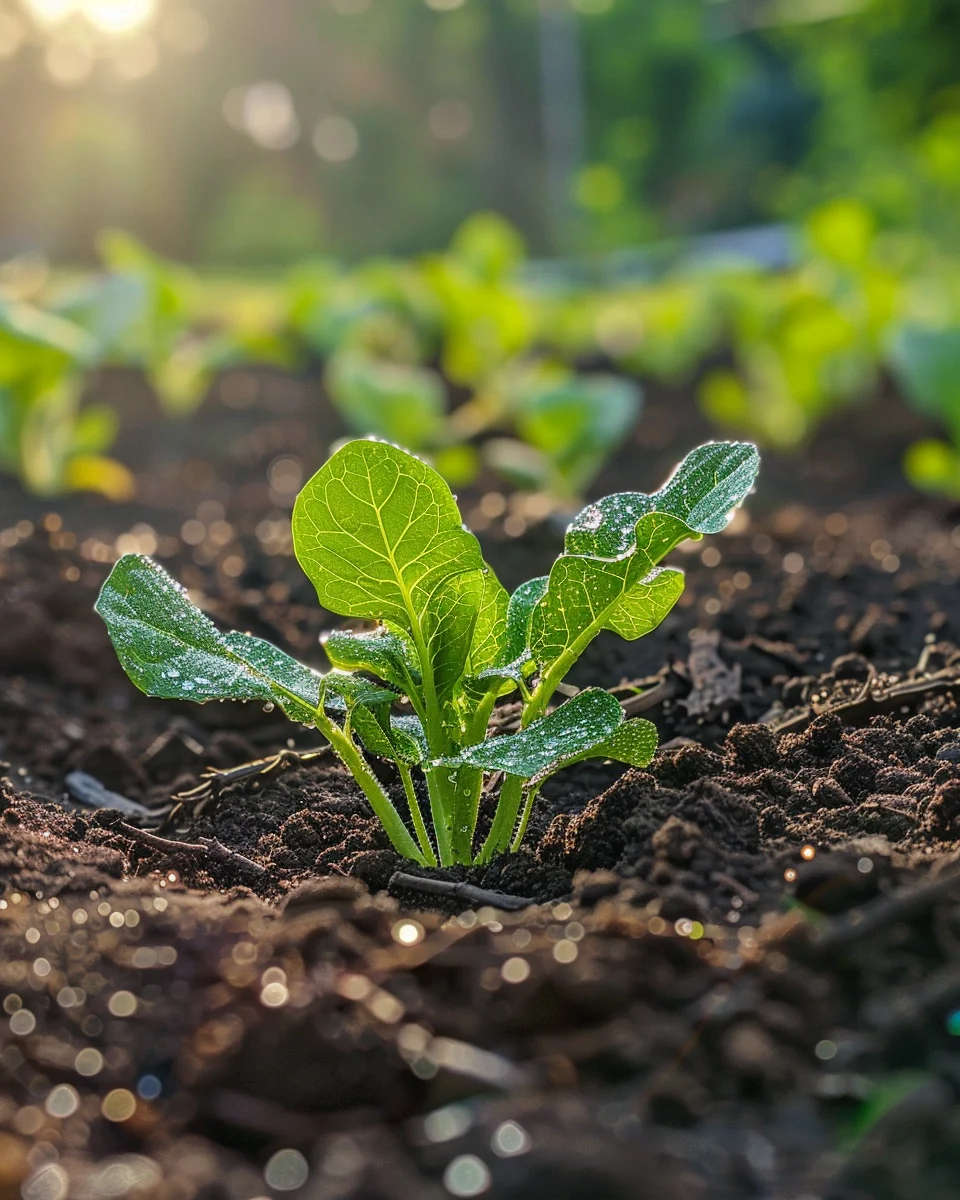
Many beginners rush to plant everything as soon as the first warm day arrives in spring, but this can be a costly mistake. In cool climate regions (US Zones 3-5), wait until mid-to-late May for warm-season vegetables, while cool-season crops can go in from mid-April. In moderate climates (Zones 6-8), plant cool-season crops in March-April or September, and warm-season plants from late April to early May. For warmer regions (Zones 9-11), plant cool-season vegetables in October-February and heat-loving plants from March-April. For transplants, always harden them off gradually over 7-10 days before planting to avoid transplant shock—another common beginner error.
Best What Every Beginner Gardener Gets Wrong And How To Avoid It varieties to grow
Beginners often choose plants based solely on what looks appealing rather than what will actually thrive in their conditions. Here are some beginner-friendly options that are more forgiving:
• Cherry tomatoes ‘Sungold’ – More disease-resistant and productive than larger tomato varieties, perfect for beginners.
• ‘Buttercrunch’ lettuce – Heat-tolerant variety that’s less likely to bolt quickly in warm weather.
• ‘Provider’ bush beans – Early producer with excellent disease resistance and consistent yields.
• ‘Marketmore 76’ cucumber – Reliable producer with good disease resistance and less bitter than many varieties.
• ‘Bright Lights’ Swiss chard – Colorful, heat-tolerant, and continues producing throughout the season.
• Nasturtiums – Edible flowers that thrive in poor soil where other plants might struggle.
• Zinnias – Drought-tolerant flowers that bloom prolifically with minimal care.
• ‘Early Girl’ tomato – Earlier harvest than most tomatoes, reducing the chance of late-season problems.
How to plant What Every Beginner Gardener Gets Wrong And How To Avoid It
Materials list:
• Garden gloves
• Garden trowel or shovel
• Compost or organic matter
• Watering can or hose with spray nozzle
• Plant labels or markers
• Mulch material (straw, wood chips, etc.)
• Soil testing kit (optional but recommended)
Step-by-step:
1. Test your soil before planting—many beginners skip this crucial step, leading to nutrient imbalances.
2. Prepare the soil thoroughly by removing weeds and incorporating 2-3 inches (5-7.5 cm) of compost—don’t rush this foundation step.
3. Plan proper spacing between plants—overcrowding is a common beginner mistake that leads to disease and competition.
4. Dig holes twice as wide as the root ball but only as deep as the plant was growing in its container.
5. Gently loosen bound roots before planting to encourage outward growth.
6. Place plants at the correct depth—too deep or too shallow are common errors (plant crown should be at soil level for most plants).
7. Backfill with soil and firm gently around the roots without compacting.
8. Water thoroughly after planting, applying water at the base rather than overhead.
9. Apply 2-3 inches (5-7.5 cm) of mulch around plants, keeping it away from stems to prevent rot.
10. Label all plantings—forgetting what you planted where is a common beginner mistake.
How to grow What Every Beginner Gardener Gets Wrong And How To Avoid It
Beginners often misunderstand plant needs, particularly regarding sunlight. Most vegetables and many flowers need 6-8 hours of direct sunlight daily—placing sun-loving plants in shade is a recipe for failure. Conversely, shade-loving plants can burn in full sun. Another common mistake is inconsistent watering. Establish a regular schedule, providing deep, infrequent watering (1-1.5 inches or 2.5-3.8 cm per week) rather than frequent shallow watering that promotes shallow roots. Fertilizing is often overdone by beginners—follow package directions and remember that more is not better. Over-fertilizing can burn plants and create weak, leggy growth. For container gardens, use pots with drainage holes and high-quality potting mix, not garden soil. Containers dry out faster than in-ground gardens and may need daily watering during hot weather. Mulch is your friend—it conserves moisture, suppresses weeds, and moderates soil temperature, yet many beginners skip this vital step.
Caring for What Every Beginner Gardener Gets Wrong And How To Avoid It
Regular observation is key to garden success, yet beginners often neglect this simple practice. Walk your garden daily if possible, looking for early signs of problems. Watch for pest damage such as holes in leaves or discoloration. Common pests include aphids (treat with insecticidal soap), slugs (use beer traps or diatomaceous earth), and caterpillars (remove by hand or use Bt for severe infestations). Disease prevention is easier than cure—avoid overhead watering, which promotes fungal issues like powdery mildew and leaf spot. Space plants properly for air circulation. For harvesting, many beginners wait too long—most vegetables taste best when harvested young. Herbs should be harvested regularly to encourage bushier growth. Store different produce appropriately—some need refrigeration while others (like tomatoes and basil) are better at room temperature. Beginners often abandon gardens in midsummer—regular maintenance prevents gardens from becoming overwhelming.
Understanding bolting in What Every Beginner Gardener Gets Wrong And How To Avoid It
Bolting refers to when plants rapidly produce flowers and seeds prematurely, making leaves bitter and stems woody. Many beginners don’t recognize the early signs of bolting or understand its causes. The primary triggers include high temperatures, increasing day length (photoperiod), and plant stress from inconsistent watering or root disturbance. To prevent bolting in heat-sensitive plants like lettuce, spinach, and cilantro, plant them in early spring or fall when temperatures are cooler. Provide afternoon shade in hot climates. Select bolt-resistant varieties specifically bred for heat tolerance. Maintain consistent soil moisture with mulch and regular watering. If plants begin to bolt, harvest immediately—even bolting greens are usually still edible when young. Consider succession planting (starting new plants every 2-3 weeks) to maintain a continuous harvest before bolting occurs.
Why does What Every Beginner Gardener Gets Wrong And How To Avoid It turn bitter?
Many garden vegetables can develop bitter flavors, confusing beginners who don’t understand the causes:
• Heat stress – Most greens become bitter in high temperatures; plant in cooler seasons or provide shade.
• Age – Over-mature vegetables develop bitterness; harvest at proper size rather than waiting for larger produce.
• Inconsistent watering – Drought stress triggers bitterness in cucumbers and other vegetables; maintain even soil moisture.
• Genetic factors – Some varieties naturally contain more bitter compounds; choose varieties bred for mildness.
• Nutrient imbalance – Excessive nitrogen can cause bitterness; follow fertilizer recommendations and don’t overdo it.
Companion planting for What Every Beginner Gardener Gets Wrong And How To Avoid It
Beginners often overlook the benefits of strategic plant combinations. Beneficial companion plants include:
• Marigolds – Repel many garden pests and can reduce nematode populations in the soil.
• Basil – Improves flavor and growth of tomatoes while repelling flies and mosquitoes.
• Nasturtiums – Act as trap crops for aphids, protecting other vegetables.
• Onions and garlic – Deter many pests with their strong scent and can protect carrots from carrot flies.
• Borage – Attracts pollinators and beneficial insects while deterring tomato hornworms.
• Herbs like dill and cilantro – Attract beneficial predatory insects that control pest populations.
Avoid planting members of the same family together (like tomatoes, peppers, and eggplants) as they share pests and diseases. Keep allelopathic plants like black walnut trees and fennel away from your garden, as they release compounds that inhibit growth of other plants.
Seasonal calendar
Many beginners lack a clear timeline for garden activities. Here’s a general guide for temperate regions:
• January-February: Plan garden, order seeds, clean and organize tools, start slow-growing seeds indoors.
• March: Start warm-season seedlings indoors, prepare garden beds, plant cold-hardy vegetables outdoors.
• April: Plant cool-season crops, prepare soil for warm-season plants, harden off seedlings.
• May: Plant warm-season crops after last frost, mulch beds, begin regular fertilizing schedule.
• June: Continue succession planting, monitor for pests, maintain consistent watering.
• July: Harvest summer crops, plant fall garden seeds, provide shade for heat-sensitive plants.
• August: Continue harvesting, plant quick-maturing fall crops, collect seeds from spent plants.
• September: Plant garlic and spring-flowering bulbs, sow cover crops in empty beds.
• October: Harvest final crops, clean up garden debris, add compost to beds.
• November-December: Protect perennials, clean and store tools, review garden journal, plan for next year.
For warmer regions (Zones 9-11), shift cool-season planting to fall and winter months. For colder regions (Zones 3-5), delay spring planting and accelerate fall cleanup.
Problems & solutions
Problem | Quick Fix
— | —
Plants wilting despite watering | Check for root damage or compacted soil; loosen soil and improve drainage
Yellowing leaves | Likely nutrient deficiency; apply balanced organic fertilizer and check soil pH
Holes in leaves | Look for pests under leaves and on stems; apply appropriate organic controls
Seedlings falling over | “Damping off” disease; improve air circulation, avoid overwatering, use sterile seed-starting mix
Plants not producing flowers/fruit | Check sunlight (minimum 6 hours needed); avoid excess nitrogen fertilizer which promotes leaf growth over flowering
Cracked fruits (tomatoes) | Inconsistent watering; maintain even soil moisture with regular watering and mulch
Powdery white coating on leaves | Powdery mildew; improve air circulation, avoid overhead watering, apply milk spray (1:10 milk:water)
Common questions about growing What Every Beginner Gardener Gets Wrong And How To Avoid It
Q: How often should I water my garden?
A: Rather than following a strict schedule, water when the top inch (2.5 cm) of soil feels dry. Most gardens need about 1-1.5 inches (2.5-3.8 cm) of water weekly from rain or irrigation, preferably delivered in 1-2 deep waterings rather than frequent light sprinklings.
Q: Do I need to use fertilizer if I added compost to my soil?
A: Compost provides slow-release nutrients but may not supply everything your plants need. For heavy feeders like tomatoes, supplement with balanced organic fertilizer midseason. For lighter feeders, compost alone may be sufficient.
Q: How do I know when to harvest my vegetables?
A: Harvest timing varies by crop—research specific vegetables you’re growing. Generally, leafy greens can be harvested when leaves are full-sized but still tender; root crops when they reach usable size; and fruiting crops like tomatoes when they develop full color.
Q: Can I grow vegetables in partial shade?
A: Leafy greens, root vegetables, and some herbs can tolerate 4-6 hours of sun, but fruiting plants like tomatoes, peppers, and squash need at least 6-8 hours of direct sunlight to produce well.
Q: How big should my first garden be?
A: Start small—a 4×8 foot (1.2×2.4 m) bed or several containers is perfect for beginners. It’s better to maintain a small garden well than to be overwhelmed by a large one.
Q: How do I control weeds without chemicals?
A: Apply 2-3 inches (5-7.5 cm) of mulch around plants, use landscape fabric in pathways, hoe regularly when weeds are small, and consider flame weeding for larger areas. Hand-pulling after rain when soil is moist is also effective.
Q: Why aren’t my seeds germinating?
A: Common causes include planting too deep, improper soil temperature, old seeds with reduced viability, or inconsistent moisture. Check seed packets for specific depth and temperature requirements, and keep soil consistently moist until germination.