
Essential Garden Tool Guide for Beginners: What to Buy, When to Invest, and How to Choose Quality
Intro for What Every Beginner Needs To Know Before Buying Tools
Starting your gardening journey can be overwhelming, especially when faced with the vast array of tools available. The right garden tools not only make your work easier but also ensure better results and longevity in your garden. Quality tools, while sometimes more expensive initially, often prove to be more economical in the long run through durability and performance. This guide will help you navigate the essentials, understand what to look for in quality tools, and know when to invest versus when to economize. Whether you’re setting up a small balcony garden or planning a larger landscape, these principles will help you build a practical tool collection without unnecessary spending.
When to plant What Every Beginner Needs To Know Before Buying Tools
The best time to invest in gardening tools is before your main growing season begins. In temperate regions, this typically means early spring (March-April) when garden centers and hardware stores often have sales. For those in warmer climates (US Zones 8-10), winter (January-February) can be ideal as you’ll beat the spring rush and have everything ready for early planting. If you’re in colder regions (Zones 3-5), waiting until late spring ensures you’re not purchasing tools that sit unused during extended winters. Regardless of your climate, avoid buying during peak season (May-June) when prices tend to be highest.
Best time to plant What Every Beginner Needs To Know Before Buying Tools
For cool-climate gardeners, the optimal window for tool acquisition is February to April, allowing you to prepare for spring planting. Warm-climate gardeners should consider purchasing tools in January to March before the intense growing season begins. If you’re transplanting from containers to garden beds, having your tools ready 2-3 weeks before your last frost date is ideal. For direct-sow gardeners, having tools prepared at least a month before your growing season starts ensures you’re not rushing last-minute purchases. End-of-season sales (October-November) can also offer excellent value, though selection may be limited.
Best What Every Beginner Needs To Know Before Buying Tools varieties to grow
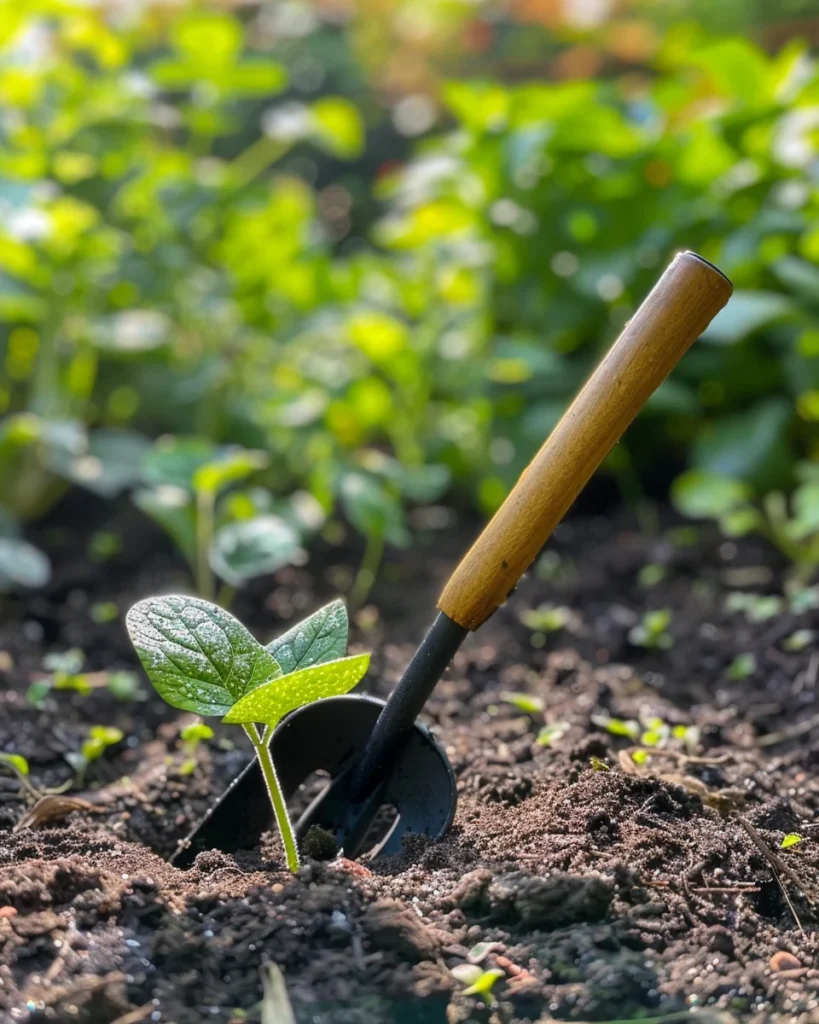
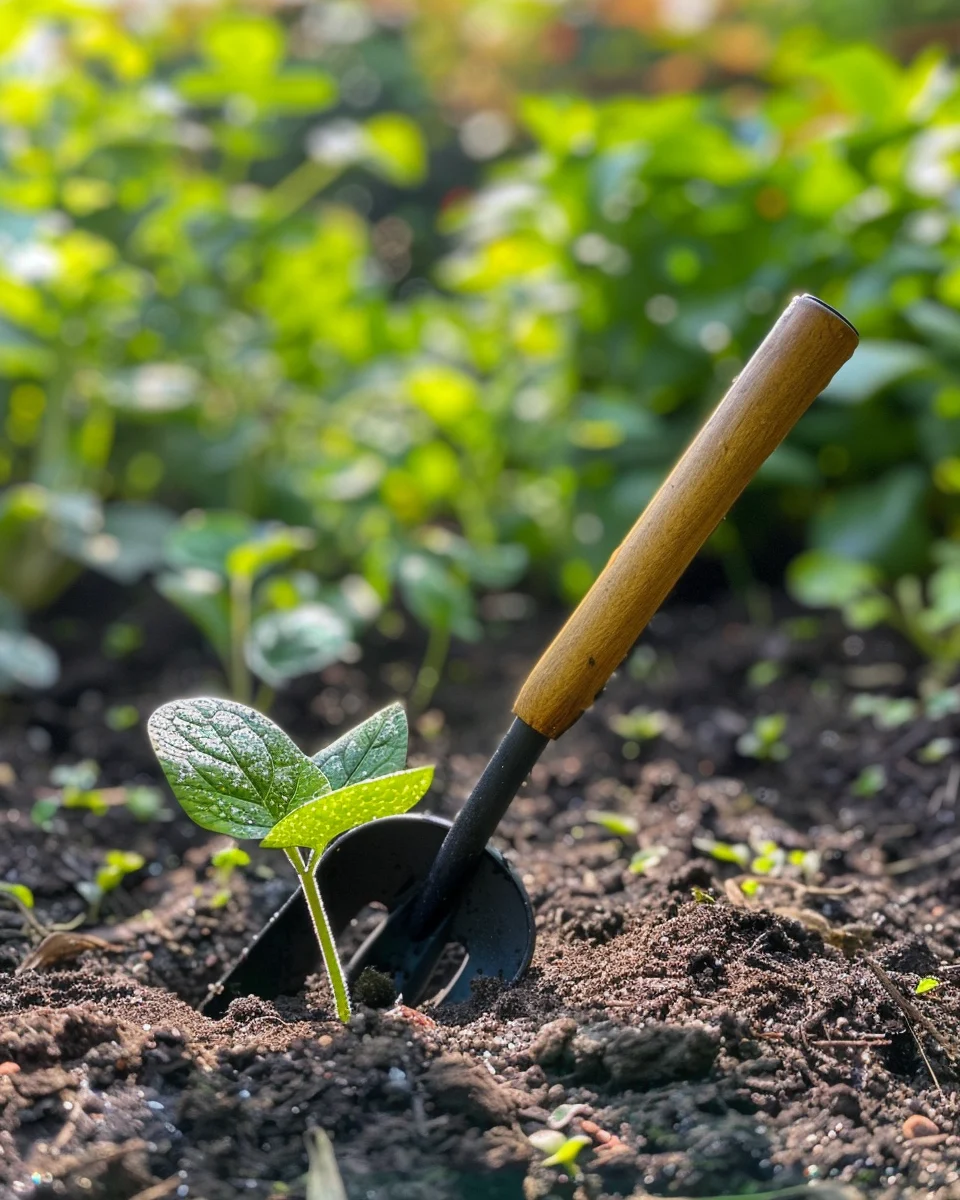
• Hand Trowel – The versatile workhorse for planting, transplanting, and working in containers; look for full-tang construction.
• Bypass Pruners – Essential for clean cuts on live plants without crushing stems; Felco and Corona models offer replaceable parts.
• Garden Fork – Superior to shovels for breaking up compacted soil and turning compost; stainless steel resists rust and soil adhesion.
• Garden Gloves – Nitrile-coated varieties offer excellent dexterity while protecting hands from moisture and thorns.
• Watering Can – Look for models with removable roses (sprinkler heads) for versatility in watering seedlings versus mature plants.
• Garden Hose with Adjustable Nozzle – Rubber/vinyl composite hoses resist kinking and offer longevity across temperature extremes.
• Hand Cultivator – Three-pronged tools excel at weeding and aerating soil in tight spaces where larger tools can’t reach.
How to plant What Every Beginner Needs To Know Before Buying Tools
Materials list:
– Budget plan or spreadsheet
– Measuring tape
– Notebook for recording tool specifications
– Garden gloves for trying tools
– Smartphone for price comparisons
Step-by-step process:
1. Assess your garden size and type (container, raised bed, in-ground) to determine appropriate tool scale.
2. List essential tasks you’ll perform regularly (digging, pruning, watering, weeding).
3. Research ergonomic features that match your height and strength – handles should allow you to work without stooping.
4. Examine construction quality – look for solid wood handles, full-tang metal components, and sturdy connections.
5. Test the weight and balance of tools in-store if possible – they should feel comfortable after 5-10 minutes of simulated use.
6. Compare prices across at least three retailers, including online options and local garden centers.
7. Prioritize quality for frequently-used tools (pruners, trowel) and economize on occasional-use items.
8. Check warranty terms, especially for powered tools or more expensive items.
9. Purchase storage solutions simultaneously to protect your investment.
10. Keep receipts and warranty information organized for future reference.
How to grow What Every Beginner Needs To Know Before Buying Tools
Proper tool care ensures longevity. Store tools in dry locations with temperatures between 10-24°C (50-75°F). Clean tools after each use, removing soil with a stiff brush and wiping metal parts with an oily rag to prevent rust. Wooden handles benefit from occasional linseed oil application. For watering equipment, drain completely before winter storage to prevent freeze damage. Sharpen cutting tools regularly – pruners and shears typically need attention every 3-6 months depending on use. Consider tool quality relative to usage frequency: daily-use tools warrant higher investment, while specialized tools used a few times yearly can be more budget-friendly. For container gardeners, focus on smaller-scale tools with comfortable grips. Larger gardens require longer handles for leverage and reduced back strain.
Caring for What Every Beginner Needs To Know Before Buying Tools
Maintain your garden tools with regular cleaning after each use. For metal tools, remove caked-on soil, wash with soapy water, dry thoroughly, and apply a light coating of mineral oil to prevent rust. Wooden handles should be sanded smooth if they develop splinters and treated with boiled linseed oil annually. Common tool problems include rust (treat with steel wool and oil), loose handles (secure with appropriate wedges or epoxy), and dull blades (sharpen with a file or whetstone at the original angle). Powered tools require additional maintenance – clean air filters, change oil according to manufacturer schedules, and store batteries at approximately 50% charge. Proper storage in a dry, organized space prevents damage and extends tool life significantly.
Understanding bolting in What Every Beginner Needs To Know Before Buying Tools
In the context of garden tools, “bolting” refers to fasteners coming loose during use. This typically happens due to vibration, particularly in powered tools, or stress on connection points. Prevention includes regular inspection of all nuts, bolts, and screws, applying appropriate torque during assembly, and using thread-locking compounds on frequently-used equipment. Temperature fluctuations can also cause metal to expand and contract, gradually loosening connections. If bolting occurs, disassemble the connection, clean threads of dirt and old compounds, and reassemble with appropriate tension. For wooden-handled tools, seasonal humidity changes can cause shrinkage that loosens metal heads; address this by soaking the wood end in water to expand it or using metal wedges to secure the connection.
Why does What Every Beginner Needs To Know Before Buying Tools turn bitter?
• Poor Quality Materials – Tools made with inferior metals may corrode quickly, leaving a bitter experience; invest in stainless steel or carbon steel with proper coatings.
• Improper Sizing – Tools that are too large or small for your body mechanics cause strain and frustration; test before purchasing or check return policies.
• Inadequate Maintenance – Neglected tools develop performance issues that make gardening more difficult; establish a regular cleaning and maintenance routine.
• Impulse Purchases – Buying specialized tools before understanding their purpose often leads to disappointment; research functionality before investing.
• Unrealistic Expectations – Even quality tools require proper technique; take time to learn correct usage methods rather than blaming the tool.
Companion planting for What Every Beginner Needs To Know Before Buying Tools
Just as plants benefit from thoughtful combinations, garden tools work best when paired strategically. Hand trowels complement transplant spades for efficient seedling work. Pair pruners with holsters to prevent loss and soil contamination. Combine watering cans with moisture meters to prevent overwatering. Garden forks work alongside compost bins for easier turning and aeration. Hand cultivators partner well with kneeling pads to make weeding more comfortable. Avoid combining tools with vastly different maintenance needs in the same storage space – keep wooden-handled tools separate from items requiring oil that could damage the wood. Similarly, don’t store sharp tools loose with hoses or fabric items that could be damaged through accidental contact.
Seasonal calendar
• January-February: Inventory tools, clean and oil metal components, repair or replace damaged items
• March: Sharpen cutting tools, check powered equipment functionality, purchase new tools before spring rush
• April-May: Weekly cleaning of frequently used tools, monitor for developing issues
• June-August: Apply protective coatings to wooden handles, replace worn gloves and consumables
• September: Deep clean all tools after heavy summer use, address any repairs
• October-November: Prepare tools for winter storage, take advantage of end-of-season sales
• December: Research new tool technologies and techniques, create wish list for next season
Problems & solutions
| Problem | Quick Fix |
|---|---|
| Rusty tools | Scrub with steel wool and white vinegar, rinse, dry thoroughly, and apply mineral oil |
| Loose wooden handles | Soak head in water overnight to expand wood, or insert metal or wooden wedges |
| Dull cutting edges | Sharpen with appropriate file or stone, maintaining the original bevel angle |
| Sticky pruner mechanisms | Disassemble if possible, clean with degreaser, lubricate with machine oil |
| Cracked hoses | For small cracks, use rubber repair tape; for larger issues, cut and join with repair connectors |
| Clogged sprayer nozzles | Soak in white vinegar solution, then clean with small brush or compressed air |
| Splintering wooden handles | Sand smooth with medium-grit sandpaper, then apply boiled linseed oil |
Common questions about growing What Every Beginner Needs To Know Before Buying Tools
Q: What are the absolute minimum tools for a beginner gardener?
A: Start with a quality hand trowel, bypass pruners, garden gloves, and watering can. These four items handle most basic gardening tasks and allow you to add specialized tools as specific needs arise.
Q: Is it worth spending more on premium garden tools?
A: For frequently-used tools, yes. Premium pruners, trowels, and spades offer better ergonomics, durability, and often replaceable parts. For occasional-use specialized tools, mid-range options usually provide adequate performance.
Q: How do I know if a tool will be comfortable for extended use?
A: Test the tool in-store by mimicking the motion you’ll use for 30-60 seconds. Pay attention to grip comfort, weight distribution, and whether you need to bend awkwardly. Tools should feel like natural extensions of your body.
Q: Can I use indoor household tools for gardening?
A: Kitchen utensils and household tools aren’t designed for soil contact and will deteriorate quickly. The exception is cleaning tools like old toothbrushes, which work well for tool maintenance.
Q: How often should I replace my gardening gloves?
A: Quality gardening gloves typically last 1-2 seasons with regular use. Replace them when you notice thinning material, holes, or when soil regularly contacts your skin despite wearing them.
Q: What’s the best way to store tools with long handles?
A: Ideally, hang long-handled tools on wall-mounted hooks or racks to prevent warping and keep them accessible. If floor storage is necessary, use a specialized tool rack rather than leaning them against walls, which can cause handles to warp.
Q: Are battery-powered garden tools worth the investment for small gardens?
A: For gardens under 100 square meters (1,076 sq ft), manual tools are usually sufficient. Battery tools become worthwhile when you have extensive hedging, larger lawn areas, or physical limitations that make manual tools challenging to use.