
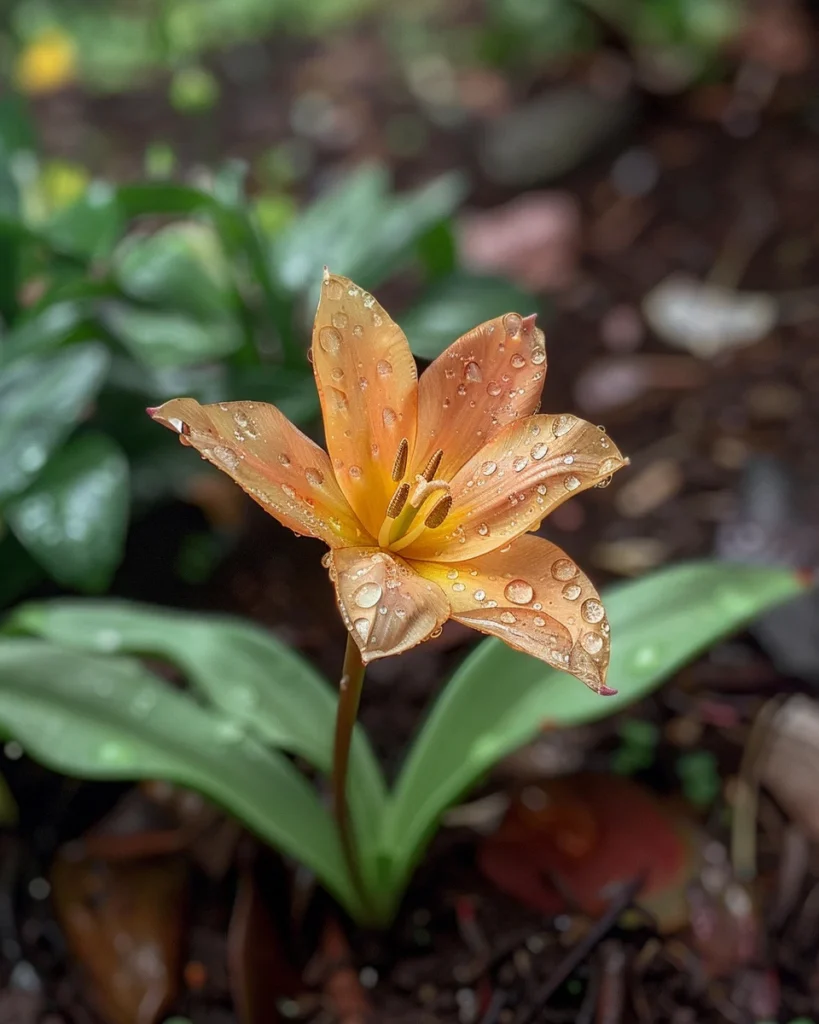
The Secret to Longer-Blooming Flowers: Deadheading Technique That Extends Flowering Season by Weeks
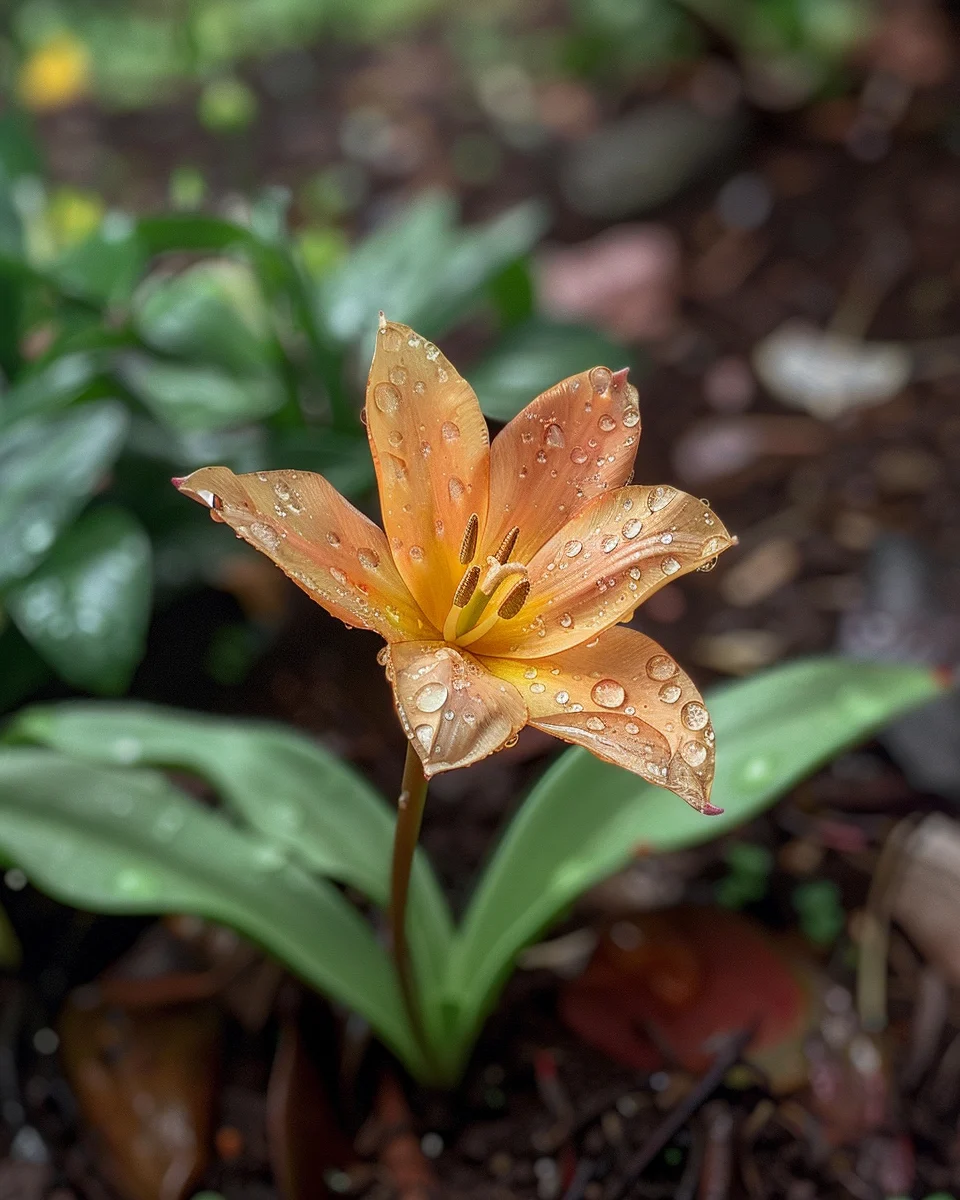
Intro for Deadheading Technique
Deadheading is the simple yet transformative practice of removing spent flowers from plants before they form seeds. This technique redirects a plant’s energy from seed production back into creating new blooms, significantly extending the flowering period. While it may seem like a minor garden chore, proper deadheading can be the difference between a few weeks of color and months of continuous blooming. This approach works across most flowering plants, from annuals like marigolds and zinnias to perennials such as coneflowers and roses. Suitable for gardens in virtually all growing zones, deadheading is the professional gardener’s secret to maintaining that “just-peaked” garden appearance throughout the growing season.
When to deadhead flowers
The ideal time to begin deadheading is as soon as flowers start to fade, typically when petals begin to wilt, brown, or drop. In most temperate regions, this process begins in late spring (around May) and continues through summer and early fall until the first frost. For warm-climate gardeners (zones 9-11), deadheading can be a year-round practice. The key is to remove spent blooms before seed formation begins, when soil temperatures consistently remain above 10°C/50°F. In frost-prone areas, you may want to stop deadheading perennials about 6-8 weeks before your first expected frost to allow plants to prepare for winter dormancy.
Best time to deadhead flowers
For optimal results, deadhead in the morning when plants are well-hydrated and before the day’s heat stresses them. In cool-climate regions (zones 3-6), focus deadheading efforts from June through August. In warmer regions (zones 7-10), extend this practice from May through September. Most flowering plants benefit from deadheading every 3-7 days during peak blooming periods. For transplanted annuals and perennials, begin deadheading once the plant has established and produced its first round of blooms, usually 2-3 weeks after planting.
Best flower varieties that respond to deadheading
- Cosmos – Responds dramatically to deadheading with continuous blooms from early summer until frost.
- Salvia – Regular deadheading can transform a single spring flush into months of vibrant color.
- Dahlias – Removing spent blooms encourages larger, more abundant flowers throughout the season.
- Zinnias – Perhaps the most responsive annual, producing new blooms within days of deadheading.
- Coreopsis – This perennial can bloom continuously from June to September with consistent deadheading.
- Roses – Particularly floribunda and hybrid tea varieties will produce multiple flushes of blooms when deadheaded.
- Geraniums – Ideal for containers, they’ll bloom non-stop with regular deadheading and adequate fertilizer.
How to deadhead flowers
Materials needed:
- Clean, sharp pruning shears or scissors
- Garden gloves (especially for thorny plants)
- Small bucket for collecting spent blooms
- Rubbing alcohol or disinfectant for cleaning tools
Step-by-step process:
- Identify spent blooms that have begun to fade but haven’t yet formed seed heads.
- Examine the stem structure to locate the first set of healthy leaves or buds below the faded flower.
- Position your pruners at a 45-degree angle just above this leaf node or lateral bud.
- Make a clean cut, being careful not to damage surrounding healthy growth.
- For plants with multiple blooms on a single stem (like delphiniums), wait until most flowers on the stalk have faded before cutting the entire stem back to a lateral branch.
- For plants with individual flower stems (like daisies), follow each stem down to where it meets a main branch before cutting.
- Collect all cut material to prevent disease spread and maintain garden tidiness.
- Clean your tools between different plants to prevent cross-contamination.
How to grow longer-blooming flowers
Beyond deadheading, ensure your flowering plants receive 6-8 hours of sunlight daily for maximum bloom production. Water deeply but infrequently, allowing the top inch of soil to dry between waterings. Apply a balanced, phosphorus-rich fertilizer (like 10-30-20) every 4-6 weeks during the growing season to support continuous flowering. Mulch around plants with 2-3 inches (5-7.5 cm) of organic material to retain moisture and reduce stress. Remove any damaged or diseased foliage promptly. For container plants, deadhead more frequently (every 2-3 days) and provide slightly more fertilizer to compensate for the limited soil volume. Consider succession planting of annuals to ensure continuous color as some plants naturally decline.
Caring for deadheaded flowers
After deadheading, provide a light feeding with liquid fertilizer diluted to half-strength to encourage new growth. Monitor for common pests like aphids and thrips, which are attracted to fresh growth; treat with insecticidal soap at first sign of infestation. Watch for powdery mildew, particularly in humid conditions or when plants have dense foliage; improve air circulation by thinning crowded plants and avoid overhead watering. Harvest flowers for arrangements in the morning when stems are turgid for longest vase life. For season-long care, gradually shift from nitrogen-rich fertilizers in spring to more phosphorus-heavy formulations by midsummer to encourage blooming over foliage growth.
Understanding bolting in flowering plants
Bolting refers to a plant’s premature flowering and seed production, often triggered by stress. While we typically want flowers to bloom, bolting in plants grown primarily for foliage (like lettuce or herbs) signals the end of harvest. For ornamental flowers, similar stress factors can cause abbreviated blooming periods. Heat stress is the primary trigger, especially when temperatures exceed 85°F (29°C) for extended periods. Drought, root disturbance, and dramatic day length changes can also induce early flowering and seed production. Prevent stress-induced flowering by providing consistent moisture, applying mulch to moderate soil temperature, and planting heat-sensitive varieties in locations with afternoon shade. If bolting begins, immediate deadheading can sometimes reset the plant’s growth cycle.
Why do flowers stop blooming early?
- Insufficient sunlight – Most flowering plants need 6+ hours of direct sun; move to brighter locations or prune overhead branches.
- Improper fertilization – Too much nitrogen promotes foliage at the expense of flowers; switch to a bloom-boosting formula (higher in phosphorus).
- Overwatering – Soggy soil leads to root stress and reduced flowering; allow soil to dry between waterings.
- Natural lifecycle completion – Some plants have genetically determined blooming periods; select reblooming varieties for extended color.
- Pest or disease pressure – Inspect regularly and treat promptly to prevent stress that reduces flowering capacity.
Companion planting for longer-blooming gardens
Plant nectar-rich companions like sweet alyssum, borage, or catmint to attract pollinators that will visit your deadheaded flowers as well. Interplant with herbs such as basil, thyme, or oregano, which repel many common flower pests while adding garden utility. Consider adding yarrow, which attracts beneficial insects that prey on aphids and other bloom-damaging pests. Avoid planting aggressive spreaders like mint near delicate flowering plants, as they’ll compete for resources. Also keep flowering plants away from heavy feeders like corn or squash, which may deplete soil nutrients needed for continuous blooming.
Seasonal calendar
- Early Spring: Cut back dead growth from perennials; prepare beds with compost.
- Mid-Spring: Plant cool-season annuals; begin fertilization program.
- Late Spring: Plant warm-season annuals; begin deadheading early bloomers.
- Early Summer: Intensify deadheading schedule; provide supplemental water during dry periods.
- Mid-Summer: Apply second round of fertilizer; deadhead daily during peak bloom.
- Late Summer: Continue deadheading; begin planting fall-blooming species.
- Early Fall: Reduce deadheading of perennials; continue with annuals.
- Late Fall: Stop deadheading perennials; allow some annuals to set seed for next year.
Note: In zones 9-11, extend deadheading through winter for many species. In zones 3-5, compress this schedule into a shorter growing season.
Problems & solutions
| Problem | Quick Fix |
|---|---|
| Flowers rebloom but with smaller blooms | Apply phosphorus-rich fertilizer (5-10-5) and ensure adequate water |
| Plants look leggy after deadheading | Pinch back growth by 1/3 to encourage bushier habit |
| Stems damaged during deadheading | Use sharper tools; cut at 45° angle above outward-facing bud |
| Plants stop blooming despite deadheading | Check for root-bound conditions; transplant or refresh soil nutrients |
| New buds form but don’t open | Treat for thrips with insecticidal soap; ensure consistent moisture |
| Disease spreading after deadheading | Sterilize tools between plants; avoid deadheading during wet conditions |
Common questions about growing longer-blooming flowers
How often should I deadhead my flowers?
Most flowering plants benefit from deadheading every 2-3 days during peak bloom periods. Check daily during hot weather when flowers fade more quickly.
Can I deadhead all types of flowers?
Most flowering plants respond well to deadheading, but some self-cleaning varieties (like impatiens) and those grown specifically for ornamental seedheads (like coneflowers for winter interest) may not require it.
Should I deadhead flowers in containers differently?
Container plants often need more frequent deadheading (every 1-2 days) and should receive a diluted liquid fertilizer every two weeks to support continuous blooming in their limited soil volume.
Will deadheading work if my plants are in partial shade?
Yes, though plants in partial shade (4-6 hours of sun) may rebloom more slowly than those in full sun. Ensure they receive morning sun for best flowering response.
When should I stop deadheading perennials?
Stop deadheading perennials about 6-8 weeks before your first expected frost to allow plants to form seeds and prepare for winter dormancy.
Can deadheading replace the need for fertilizer?
No, while deadheading redirects energy, plants still need nutrients to produce new flowers. Use a bloom-boosting fertilizer (higher in phosphorus) every 4-6 weeks during the growing season.
How do I know if I’m cutting in the right spot when deadheading?
Always cut just above a leaf node or lateral bud, making clean cuts at a 45-degree angle. This stimulates the plant to branch at that point and produce more flowering stems.