

DIY Drip Irrigation System: How to Save Hours of Watering Time Each Week
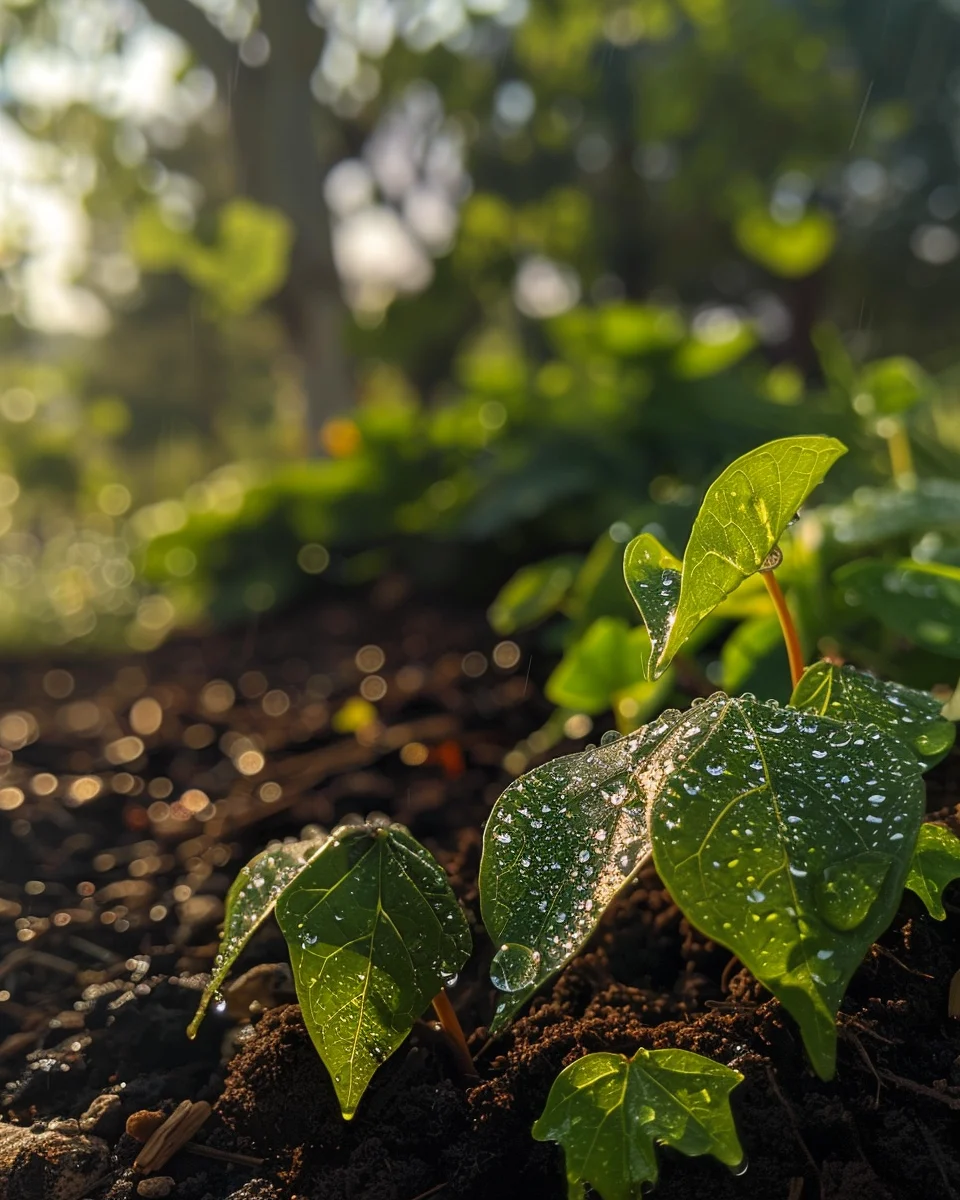
Intro for DIY Drip Irrigation System
A DIY drip irrigation system is a game-changer for busy gardeners who want to maintain thriving plants without spending hours with a hose in hand. This efficient watering method delivers moisture directly to plant roots through a network of tubes and emitters, reducing water waste by up to 60% compared to traditional sprinklers. Perfect for vegetable gardens, flower beds, and container arrangements, a homemade drip system can be customized to fit any garden layout. Beyond saving time and water, drip irrigation promotes healthier plants by minimizing leaf wetness (reducing disease) and delivering consistent moisture that prevents stress. With basic materials from any hardware store, you can create a system that works in virtually any climate and soil type.
When to install DIY Drip Irrigation
The ideal time to install a DIY drip irrigation system is early spring before your main planting season begins. This timing allows you to set up the system when beds are relatively clear and plants are small or not yet planted. In temperate regions, aim for installation after the last frost date when soil is workable (usually soil temperatures above 10°C/50°F). For year-round growing regions, any time works, though the dry season is preferable as you’ll be able to test the system immediately. If you’re in a frost-prone area, consider how you’ll winterize the system—components may need to be drained or removed before freezing temperatures arrive.
Best time to set up DIY Drip Irrigation
For cool-climate gardeners (UK, Northern US, Canada), install your system in April-May when spring planting begins. In warm climates (Southern US, Mediterranean), February-March installation works well before summer heat intensifies. Mid-climate regions benefit from March-April setup. Regardless of region, aim to install at least 2-3 weeks before your most water-intensive growing period. Morning installation is preferable as it gives you daylight hours to test the system and make adjustments. If retrofitting an existing garden, choose a mild, overcast day to minimize plant stress while working around established plants.
Best DIY Drip Irrigation components to use
• Pressure Regulator – Essential for preventing blowouts in your system; 25 PSI models work for most home gardens.
• 1/2-inch Poly Tubing – Durable mainline tubing that serves as the backbone of your system; UV-resistant types last 5+ years.
• 1/4-inch Micro Tubing – Flexible feeder lines that bring water directly to individual plants or containers.
• Adjustable Drip Emitters – Perfect for varied plant needs; can be adjusted from 0-10 gallons per hour.
• Soaker Hose Sections – Ideal for row crops and densely planted areas where water needs are uniform.
• Battery Timer – The “set and forget” component that automates your system; models with rain delay features save additional water.
• Backflow Preventer – Critical safety component that prevents contaminated water from flowing back into your drinking water.
• Goof Plugs – Handy repair pieces that seal unwanted holes or allow for system modifications as your garden evolves.
How to install DIY Drip Irrigation
Materials needed:
• Pressure regulator
• Backflow preventer
• Timer (optional but recommended)
• 1/2-inch poly tubing (main lines)
• 1/4-inch micro tubing (for individual plants)
• Drip emitters (0.5-2 GPH depending on plant needs)
• Tubing stakes or landscape pins
• Hole punch tool
• End caps
• Barbed connectors (tees, elbows)
• Hose adapter for faucet connection
• Teflon tape
• Garden scissors or tubing cutter
Installation steps:
1. Plan your layout – Sketch your garden with plant locations, noting water needs for different areas. Mark the water source and plan main line routes.
2. Connect to water source – Attach the backflow preventer to your faucet, followed by the pressure regulator and timer (if using). Use Teflon tape on all threaded connections.
3. Lay main lines – Connect 1/2-inch poly tubing to the timer/regulator and run it along garden paths or bed edges. Let the tubing sit in the sun for 30 minutes to become more flexible.
4. Secure the tubing – Use landscape pins every 4-5 feet (1.2-1.5m) to hold the main line in place, especially at corners.
5. Add connectors – Install tee or elbow connectors where you need to branch off the main line. Push tubing firmly onto barbed fittings until secure.
6. Create emitter lines – Use the punch tool to make holes in the main line where you want to connect 1/4-inch feeder lines. Insert barbed connectors into these holes.
7. Run feeder lines – Connect 1/4-inch tubing to the barbed connectors and run to individual plants or containers.
8. Add emitters – Install appropriate emitters at the end of feeder lines: 0.5 GPH for small plants, 1 GPH for medium plants, 2 GPH for large or thirsty plants.
9. Cap the ends – Place end caps on all open tubing ends to prevent water from spraying out.
10. Test the system – Turn on water at low pressure to check for leaks or blockages. Make adjustments as needed before setting your watering schedule.
How to maintain DIY Drip Irrigation
For optimal performance, run your system in the early morning (5-7am) when evaporation is minimal and plants can dry before evening. Most gardens need 30-45 minutes of drip irrigation every 2-3 days during growing season, though this varies by climate and plant type. Container plants may need daily watering during hot periods.
Fertilize through your drip system by using liquid fertilizer in an injector attachment or by applying slow-release granules around plants. Inspect emitters monthly for clogs—flush the system by removing end caps and running water at full pressure for 5 minutes.
For container gardens, use specialized container drip kits with shorter runs of tubing and stakes to hold emitters in place. In raised beds, loop tubing around the perimeter with emitters spaced according to plant density. Mulch over tubing (leaving emitters exposed) to protect from UV damage and further reduce evaporation.
Caring for DIY Drip Irrigation
Perform monthly system checks during the growing season: look for clogged emitters (clear with a pin or replace), cracked tubing, or disconnected fittings. Before winter in freezing climates, disconnect the system from the water source, remove the timer and pressure regulator, and drain all lines by removing end caps and elevating sections to allow water to flow out.
Common issues include mineral buildup in emitters (flush with vinegar solution: 1 part vinegar to 10 parts water) and algae growth (treat with hydrogen peroxide flush: 1 cup per gallon of water). Protect exposed tubing from lawn equipment with mulch or by burying main lines 2-3 inches deep.
For system longevity, install a basic filter between your water source and pressure regulator if using well water or water with sediment. Replace emitters annually if you notice reduced flow, and inspect the entire system at the beginning of each growing season.
Understanding water efficiency in DIY Irrigation
Drip irrigation achieves efficiency through precise water delivery directly to root zones. Unlike sprinklers that lose 30-50% of water to evaporation and runoff, drip systems can be 90% efficient. Water stress triggers include wilting, slow growth, and leaf curl—all preventable with consistent drip irrigation.
To prevent overwatering, install a moisture sensor ($20-30) that can interrupt your timer when soil is adequately moist. For underwatering prevention, check soil moisture 6 inches (15cm) deep near emitters—it should feel like a wrung-out sponge. If plants show drought stress despite irrigation, increase emitter flow rates or add additional emitters rather than increasing watering duration.
If your system fails, have a backup plan ready: group container plants together for easier hand-watering and keep a few watering cans filled as emergency measures.
Why does my DIY Irrigation system lose pressure?
• Too many emitters – Each water source has limited capacity; reduce emitters or create separate zones.
• Leaks in the system – Check all connections and repair with goof plugs or replacement fittings.
• Clogged filter – Clean or replace the filter at the beginning of your system.
• Pressure regulator failure – Replace if water pressure seems unusually high or low.
• Kinked or crushed tubing – Inspect entire system for physical damage and replace affected sections.
Expanding your DIY Irrigation system
Good additions to your system include moisture sensors that prevent watering after rainfall, zone valves that allow different watering schedules for various garden areas, and rain barrels that can be integrated as water sources (with additional filtration). Avoid connecting to untreated pond water (clogs emitters), mixing different brands of components (connection issues), and running extremely long main lines without proper pressure compensation.
For vegetable gardens, pair drip irrigation with black plastic mulch for weed suppression and soil warming. For perennial beds, use brown or green tubing that blends with mulch. For container arrangements, consider specialized container drip kits with weighted emitters that stay in pots.
Seasonal calendar
• Early Spring – Install or reconnect system, flush lines, check for winter damage, replace damaged components
• Late Spring – Adjust timer for increasing temperatures, check emitter placement around new plantings
• Summer – Increase watering frequency during heat waves, clean filters monthly, check for clogging
• Early Fall – Reduce watering frequency as temperatures cool, adjust emitters for fall plantings
• Late Fall – Winterize system in frost-prone areas by draining lines and storing sensitive components
• Winter – Plan system improvements, purchase replacement parts, repair damaged sections
Problems & solutions
| Problem | Quick Fix |
|---|---|
| Clogged emitters | Remove and soak in vinegar solution overnight, or replace with new emitters |
| Leaking connections | Cut tubing back 1 inch and reconnect, or replace fitting |
| Tubing pops off fittings | Secure with zip ties or replace with compression fittings |
| System doesn’t turn on | Check timer batteries, water source valve, and pressure regulator |
| Uneven watering | Add pressure-compensating emitters to areas furthest from water source |
| Animals chewing tubing | Bury main lines under 2-3 inches of soil or mulch |
| Timer failure | Install a backup mechanical timer or set phone reminders for manual watering |
Common questions about DIY Drip Irrigation
How long should I run my drip system each day?
Most gardens benefit from 30-45 minutes every 2-3 days rather than daily short sessions. This encourages deeper root growth. Check soil moisture 6 inches deep to fine-tune your schedule.
Can I use my drip system year-round?
In frost-free climates, yes. In areas with freezing temperatures, winterize by disconnecting from the water source, removing timers and regulators, and draining all lines before the first freeze.
How much water does drip irrigation save?
A properly designed drip system typically saves 30-70% compared to sprinklers, depending on your climate and previous watering methods. Most gardeners see water bill reductions within the first season.
Can I connect my drip system to a rain barrel?
Yes, but you’ll need a small pump (solar or electric) to provide adequate pressure, and additional filtration to prevent debris from clogging emitters.
How do I know if my plants are getting enough water?
Dig 4-6 inches (10-15cm) down near an emitter 30 minutes after irrigation. The soil should be moist but not soggy. Adjust emitter flow rates or run times accordingly.
What’s the minimum water pressure needed?
Most drip systems require at least 20-25 PSI to function properly. If your pressure is lower, consider a booster pump or design a gravity-fed system from an elevated water source.
Can I automate my DIY system completely?
Yes, with a programmable timer, rain sensor, and soil moisture sensors, your system can operate with minimal intervention for months. High-end smart timers even adjust to weather forecasts automatically.