
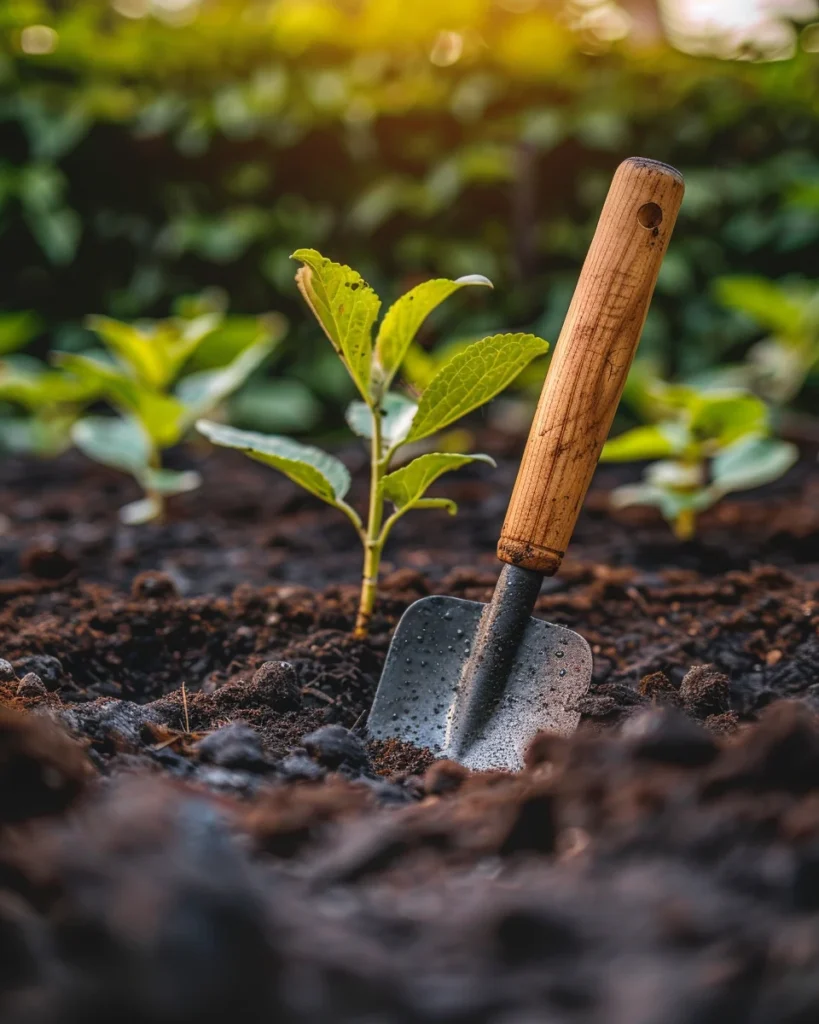
Essential Garden Tools: The Only 3 Tools You Need For A Thriving Garden
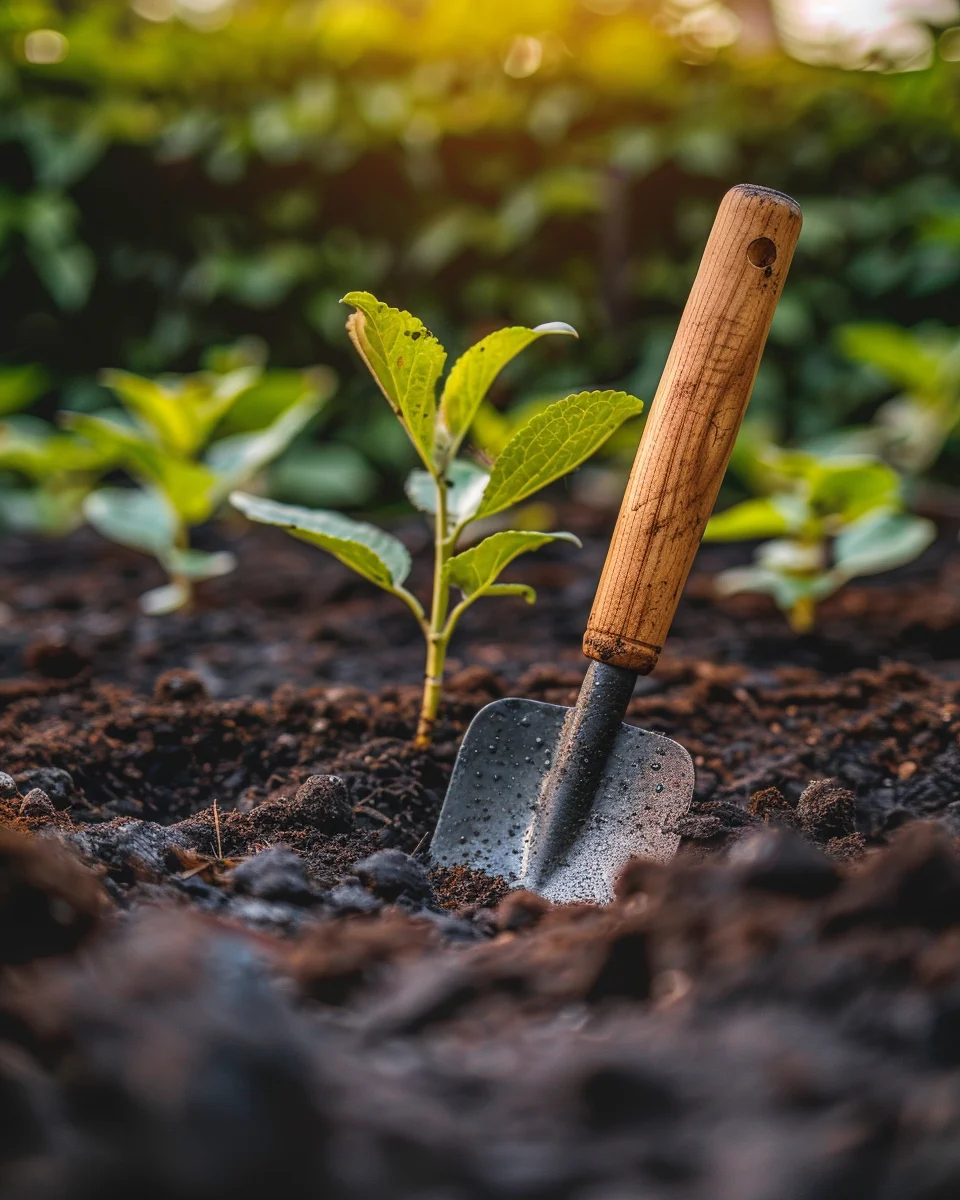
Intro for Essential Garden Tools
Contrary to what garden centers might have you believe, you don’t need a shed full of expensive equipment to create and maintain a beautiful garden. In fact, just three fundamental tools can handle the vast majority of gardening tasks when chosen wisely. These essential implements—a quality digging tool, a reliable cutting tool, and a versatile container—form the foundation of efficient gardening. With just these three tools, gardeners of all experience levels can prepare soil, plant, maintain, and harvest effectively. This minimalist approach not only saves money and storage space but also simplifies the gardening process, allowing you to focus on what truly matters: growing healthy plants and enjoying your outdoor space.
When to invest in garden tools
The best time to invest in quality garden tools is before the main growing season begins. In temperate regions, late winter to early spring (February-March) is ideal, giving you time to prepare for spring planting when soil temperatures reach 10-15°C (50-60°F). However, end-of-season sales (October-November) can offer excellent value. For those in frost-prone areas, having your tools ready 2-3 weeks before your last frost date ensures you’re prepared for the growing season. In warmer climates, tool acquisition can happen year-round, though avoiding the peak of summer heat is advisable for comfort during initial garden preparation.
Best time to use garden tools
For cool climate regions (US Zones 3-6, UK northern regions), the primary tool-using season runs April through October, with digging tools seeing heaviest use in spring and fall. In warmer regions (US Zones 7-10, Mediterranean climates), the active gardening period extends from February through November. Digging tools are best used when soil is slightly moist but not waterlogged—typically a day or two after rain. Cutting tools see year-round use but are especially important during active growth periods (spring and summer). Containers prove most valuable during transplanting seasons (early spring and fall) and for harvest collection from midsummer through autumn.
Best garden tool varieties to invest in
• Hori Hori Garden Knife – Multi-functional digging tool that combines the features of a trowel, knife, and saw in one durable implement.
• Felco F-2 Pruners – Professional-grade bypass pruners with replaceable parts that maintain sharpness and precision for decades.
• Fiskars PowerGear Loppers – Leverage-enhancing design that makes cutting branches up to 2 inches thick significantly easier.
• DeWit Forged Garden Trowel – Hand-forged from a single piece of steel for exceptional durability and soil penetration.
• Tubtrugs Flexible Garden Container – Versatile, flexible buckets available in multiple sizes that can handle harvesting, mixing soil, or transporting garden materials.
• Corona Extendable Handle Digging Shovel – Adjustable length handle reduces back strain while providing excellent leverage for digging.
• Silky Pocketboy Folding Saw – Compact yet powerful cutting tool that handles branches and small garden pruning with exceptional precision.
How to select the right garden tools
Materials list:
– Budget allocation (quality over quantity)
– Measuring tape for handle sizing
– Garden gloves for testing grip comfort
– Knowledge of your specific garden needs
– List of primary gardening tasks
Step-by-step selection process:
1. Assess your garden size and primary needs (vegetable growing, perennial maintenance, etc.).
2. For your digging tool, choose between a quality trowel (small spaces) or a full-sized spade (larger gardens)—look for forged steel with a comfortable handle.
3. Test the weight and balance of tools; they should feel like natural extensions of your arm.
4. For cutting tools, select bypass pruners for live plants and anvil designs for dead wood—ensure they fit your hand size.
5. Choose containers based on volume needs—fabric grow bags for plants, sturdy buckets for harvesting and materials transport.
6. Prioritize ergonomic designs that reduce strain during extended use.
7. Invest in the highest quality you can afford—a $50 tool that lasts 20 years is cheaper than five $15 tools that break.
8. Consider handle length in relation to your height to prevent back strain.
9. Select tools with replaceable parts when possible for long-term sustainability.
10. Purchase from retailers with solid warranty policies and repair services.
How to maintain garden tools
Proper tool maintenance is essential for longevity and performance. Clean digging tools after each use by removing soil with a stiff brush and occasionally applying a light coat of linseed oil to wooden handles. For cutting tools, wipe blades clean after each use and disinfect with a 10% bleach solution or rubbing alcohol when moving between plants to prevent disease spread. Sharpen pruners and shears at least twice per growing season using a diamond file at the original bevel angle. Apply penetrating oil to hinges and moving parts monthly during active use.
For container maintenance, rinse thoroughly after use, especially if they’ve held soil amendments or fertilizers. Store all tools in a dry location—hanging digging and cutting tools prevents damage to edges and keeps handles from warping. In container gardening situations, focus on smaller, more maneuverable versions of these three essential tools. Regardless of garden size, seasonal maintenance (cleaning, sharpening, oiling) should be performed before storing tools for winter.
Caring for garden tools
Ongoing tool care includes cleaning after each use, periodic sharpening, and proper storage. Watch for signs of rust on metal parts, which indicates immediate attention is needed. Common tool problems include loose handles (fix by soaking wooden handles in linseed oil and tightening fasteners) and dull cutting edges (remedy with regular sharpening). For pest prevention, never leave tools lying on the ground where they can harbor slugs and insects.
Harvest your garden’s bounty using the appropriate container for the crop—soft-sided containers for delicate berries and fruits, rigid buckets for root vegetables. For long-term storage, hang tools in a dry, covered area with good air circulation. Apply a light coating of food-grade mineral oil to metal parts of tools used for harvesting edibles to prevent rust without contaminating food.
Understanding quality in garden tools
Quality garden tools exhibit several key characteristics: solid construction with minimal welded parts, comfortable weight balance, and materials appropriate to their function. High-carbon steel is preferable for digging and cutting tools, while food-grade plastics or galvanized metal work best for containers. Signs of poor quality include hollow handles, thin metal that flexes under pressure, and plastic components in high-stress areas.
To prevent premature tool failure, avoid using tools for unintended purposes (pruners aren’t bolt cutters), clean after use, and store properly. If a tool does begin to deteriorate, assess whether repair is possible—many quality tools are designed to be maintained rather than replaced. Quality tools develop a patina over time but maintain their functionality, while poor tools simply break down.
Why does garden tool quality matter?
• Efficiency – Quality tools require less physical effort, allowing you to work longer with less fatigue
• Durability – Premium materials withstand years of use, reducing waste and replacement costs
• Precision – Well-designed tools make clean cuts and precise soil work possible, improving plant health
• Ergonomics – Properly balanced tools reduce strain and help prevent repetitive stress injuries
• Sustainability – Investing in repairable, long-lasting tools reduces environmental impact
Companion tools for the essential three
While the core three tools handle most tasks, certain companions enhance their effectiveness. Pair digging tools with a soil knife for precision work around established plants. Complement cutting tools with a sharpening stone for field maintenance. Enhance containers with sorting screens for soil preparation or harvest cleaning. Avoid unnecessary specialized tools that duplicate functions your core tools already perform. Consider adding a quality pair of gardening gloves and a kneeling pad to protect your body while using your essential tools.
Seasonal calendar
• January-February: Clean, oil, and sharpen tools; replace worn parts; plan tool upgrades
• March-April: Use digging tools for bed preparation; cutting tools for spring pruning; containers for seedling transport
• May: Employ cutting tools for regular maintenance; containers for early harvests and watering
• June-August: All tools in heavy rotation; maintain cutting edges; clean containers frequently during harvest
• September-October: Digging tools for fall bed preparation; cutting tools for end-of-season pruning; containers for final harvests
• November-December: Final cleaning and maintenance; apply protective coatings; proper storage for winter
Problems & solutions
| Problem | Quick Fix |
|---|---|
| Rusty tool surfaces | Scrub with steel wool and white vinegar, then apply protective oil |
| Loose wooden handles | Remove handle, apply wood glue to connection point, reattach and secure with appropriate fastener |
| Dull cutting edges | Use a diamond file to restore edge, following the original bevel angle |
| Broken container handles | Repair with UV-resistant zip ties or replace if beyond repair |
| Bent digging tines | Carefully straighten using a vise and pliers while avoiding overflexing |
| Sticky pruner mechanisms | Disassemble, clean with degreaser, lubricate with appropriate oil, reassemble |
| Cracked container bases | Repair small cracks with food-grade silicone; repurpose containers with larger damage for non-liquid uses |
Common questions about garden tools
How often should I sharpen my cutting tools?
Sharpen pruners and shears at least twice per growing season, or whenever you notice increased effort needed to make cuts. A quick touch-up with a diamond file takes just minutes and dramatically improves performance.
Can I leave my tools outside if they’re high quality?
Even the highest quality tools will deteriorate rapidly if left exposed to elements. Always store tools in a dry, covered location to maximize their lifespan and performance.
What’s the best container size for general garden use?
A 10-12 liter (2.5-3 gallon) flexible container offers the best balance of capacity and maneuverability for most garden tasks from harvesting to mixing soil amendments.
How do I know when to replace rather than repair a tool?
Replace tools when metal components develop cracks (not just surface rust), when wooden handles show signs of rot rather than just surface wear, or when repair parts cost more than 50% of a new tool’s price.
Can I use regular household oil to maintain my tools?
Avoid cooking oils which become sticky. Instead, use food-grade mineral oil for harvest tools, and boiled linseed oil or specialized tool oil for general maintenance.
Is it worth buying expensive tools for a small garden?
Yes—quality matters more than garden size. A small garden still benefits from efficient, durable tools, and high-quality tools in appropriate sizes will last for decades, making them more economical long-term.
How do I properly clean tools that have been used around diseased plants?
Thoroughly clean all soil and plant material from the tool, then disinfect with a 10% bleach solution or 70% isopropyl alcohol. Allow to air dry completely before applying a light coat of protective oil.