
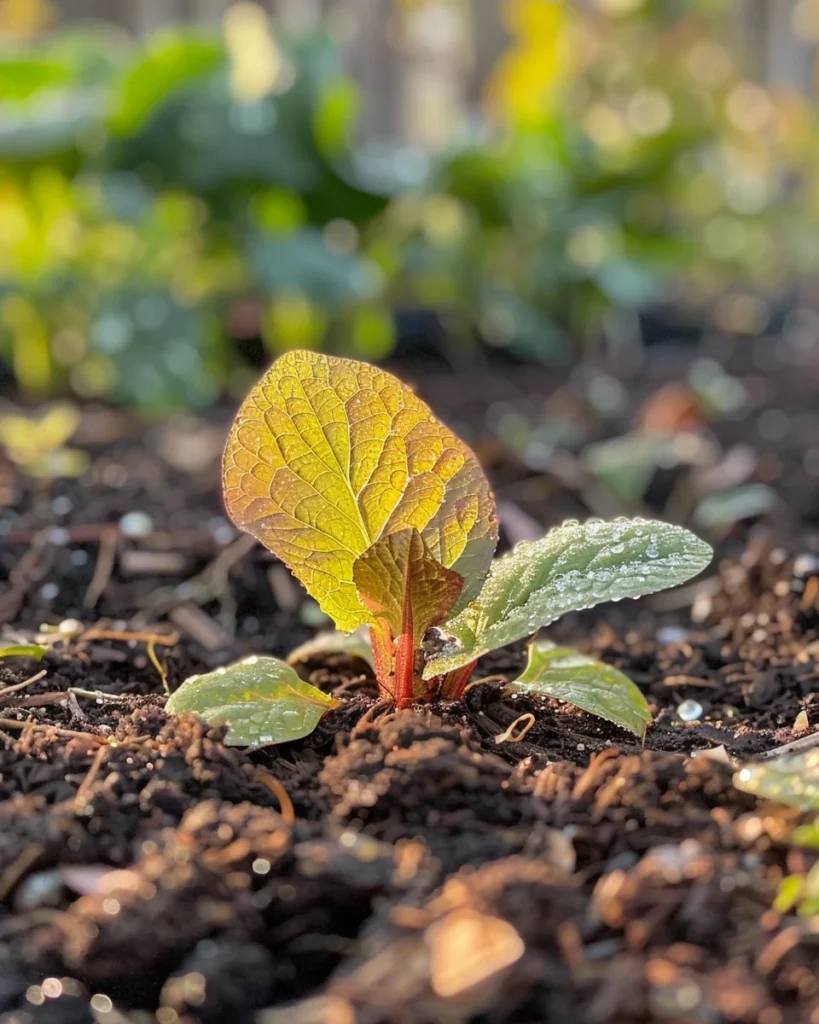
Why Fall Is The Best Time To Plant: Essential Guide to Autumn Gardening Success
Intro for Why Fall Is The Best Time To Plant And What To Grow
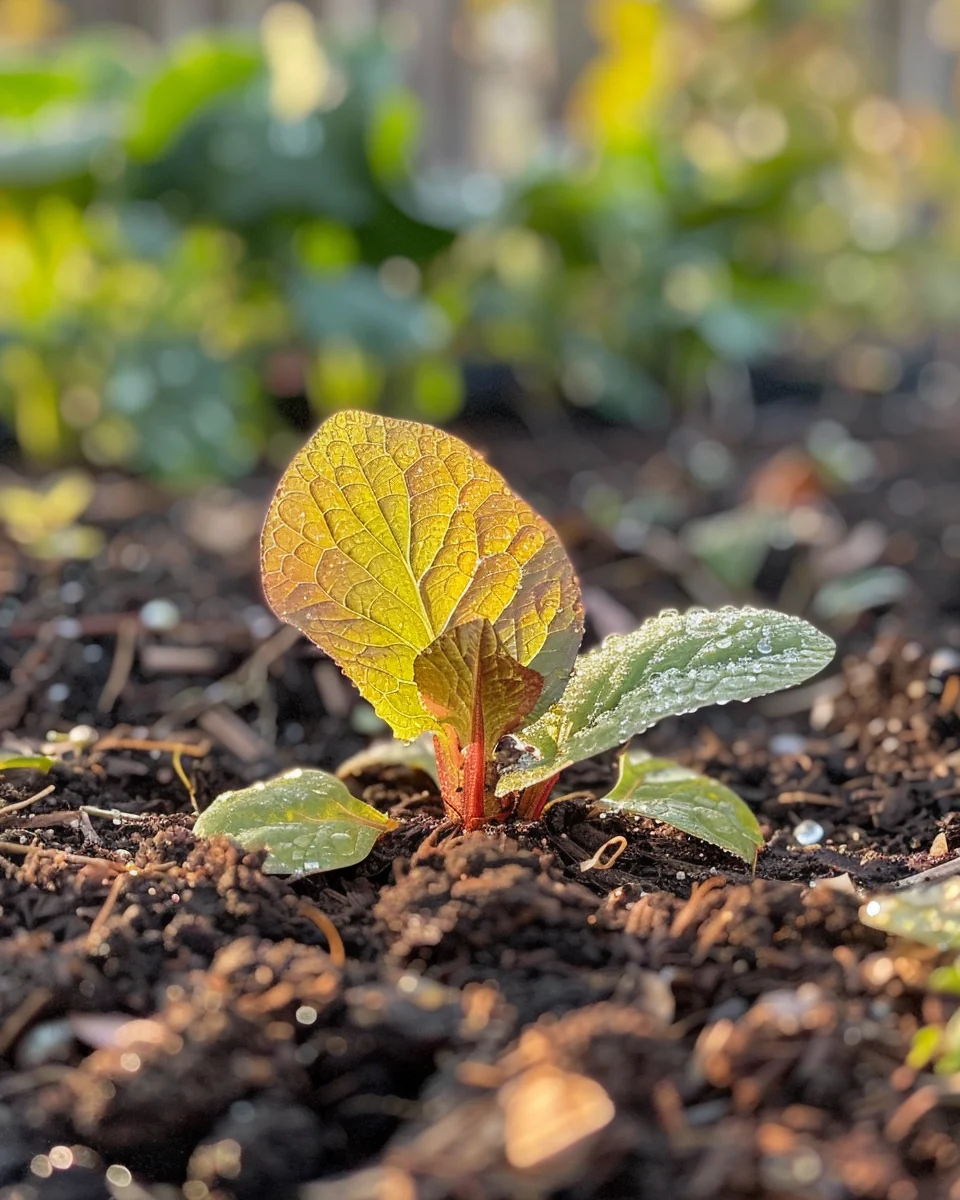
Fall is often overlooked as a prime planting season, but experienced gardeners know it’s actually the ideal time for many plants to establish strong root systems. With cooler temperatures, increased rainfall, and still-warm soil, autumn creates perfect conditions for root development without the stress of summer heat. Plants established in fall typically outperform their spring-planted counterparts in the following growing season. This comprehensive guide explores why fall planting works so well in temperate regions (generally USDA zones 4-9 and similar climates worldwide) and which plants thrive when established before winter dormancy.
When to plant in fall
The optimal fall planting window begins 4-6 weeks before your region’s first expected frost date. This timing allows plants to establish roots before winter dormancy without encouraging excessive tender growth that could be damaged by frost. In most temperate regions, soil temperatures between 45-65°F (7-18°C) create ideal conditions for root development. For trees and shrubs, planting can begin as early as late August in northern regions and extend through November in milder climates. Perennials, bulbs, and cool-season vegetables each have specific timing requirements within the broader fall planting season.
Best time to plant in fall
For cool temperate regions (Zones 4-6): Focus on early to mid-fall (September to early October) to ensure adequate establishment before hard freezes.
For moderate temperate regions (Zones 7-8): Mid-September through late October provides optimal conditions.
For warm temperate regions (Zones 8-9): Late October through November offers ideal planting weather.
Direct sowing of cool-season vegetables can begin in late summer for fall harvests, while spring-flowering bulbs should be planted when soil temperatures drop below 60°F (15°C), typically 6-8 weeks before ground-freezing temperatures arrive.
Best fall planting varieties to grow
• Trees and Shrubs: Deciduous varieties like maples, oaks, and hydrangeas establish extensive root systems during fall’s favorable conditions.
• Spring-Flowering Bulbs: Tulips, daffodils, crocuses, and alliums require fall planting for spring blooms and benefit from winter chilling.
• Cool-Season Vegetables: Spinach, kale, garlic, and onions thrive when planted in fall, with many overwintering for early spring harvests.
• Perennials: Peonies, hostas, and ornamental grasses establish stronger root systems when fall-planted, resulting in more vigorous spring growth.
• Lawn Grasses: Cool-season varieties like fescue, Kentucky bluegrass, and ryegrass germinate efficiently in fall’s ideal soil conditions.
How to plant in fall
Materials list:
– Quality plants or seeds appropriate for your zone
– Compost or organic matter
– Mulch (shredded leaves, straw, or bark)
– Watering can or hose with gentle spray attachment
– Shovel and garden fork
– Root stimulator (optional)
– Plant labels and garden journal
Step-by-step:
1. Assess your planting site, ensuring proper sunlight exposure for your chosen plants.
2. Prepare soil by removing weeds and incorporating 2-3 inches (5-7.5 cm) of compost.
3. Dig planting holes twice as wide as the root ball but only as deep as the plant was growing in its container.
4. Gently remove plants from containers, loosening root balls if pot-bound.
5. Place plants at the same depth they were growing previously—planting too deeply is a common mistake.
6. Backfill with soil, firming gently to eliminate air pockets without compacting.
7. Create a slight basin around each plant to collect water.
8. Water thoroughly, allowing moisture to reach deep into the root zone.
9. Apply 2-3 inches (5-7.5 cm) of mulch, keeping it a few inches away from stems and trunks.
10. Label plantings and record in your garden journal for future reference.
How to grow fall plantings
Fall plantings require less frequent but deeper watering than spring plantings. Provide 1-1.5 inches (2.5-3.8 cm) of water weekly if rainfall is insufficient, tapering off as temperatures cool. Avoid fertilizing most woody plants at planting time, as this can stimulate tender growth vulnerable to winter damage. For perennials and cool-season vegetables, a light application of balanced, slow-release fertilizer can help establishment.
Mulch is crucial for fall plantings, insulating soil from temperature fluctuations and conserving moisture. Apply mulch after the ground begins to cool but before it freezes. In container gardening, select pots at least one size larger than needed to provide insulation for root systems, and consider moving containers to protected locations during extreme cold.
Most fall-planted items require full sun to partial shade, with 6+ hours of sunlight daily for vegetables and 4+ hours for many perennials. Trees and shrubs have varying light requirements depending on species.
Caring for fall plantings
Monitor soil moisture through winter, especially during dry spells when the ground isn’t frozen. Anti-desiccant sprays can protect evergreens from winter wind damage. For newly planted trees, consider trunk wraps to prevent sunscald and rodent damage.
Common fall planting challenges include frost heaving of perennials (remedy with additional mulch) and winter burn on evergreens (provide windbreaks for protection). Deer and rodent pressure often increases in winter—install protective fencing or guards before damage occurs.
For fall-planted vegetables, harvest cool-season crops like spinach and kale as needed throughout fall and winter in milder climates. Garlic and onions planted in fall should be left to develop until the following summer. Store harvested root vegetables in cool, humid conditions between 32-40°F (0-4°C) for longest shelf life.
Understanding bolting in fall plantings
Bolting refers to premature flowering and seed production, primarily affecting leafy vegetables and herbs. While less common in fall plantings than spring ones, bolting can occur when cool-season crops experience temperature fluctuations. Fall plantings are naturally less prone to bolting because temperatures trend downward rather than upward as in spring.
To prevent bolting in fall crops, select bolt-resistant varieties, maintain consistent soil moisture, and provide shade during unexpected warm spells. If cool-season vegetables do begin to bolt, harvest immediately, as flavor typically deteriorates once flowering begins. Some crops like spinach and lettuce can be succession-planted throughout fall to ensure continuous harvests of young, tender leaves.
Why does fall planting succeed where spring planting struggles?
• Warm soil promotes root growth while cooler air reduces transpiration stress
• Natural rainfall patterns often provide more consistent moisture
• Plants enter dormancy naturally rather than being forced into active growth
• Reduced pest and disease pressure compared to spring and summer
• More favorable conditions for gardeners (comfortable temperatures, fewer competing garden tasks)
Companion planting for fall gardens
Good companions for fall gardens include:
• Nasturtiums alongside fall brassicas to deter aphids and cabbage worms
• Calendula near fall greens to attract beneficial insects
• Garlic planted near roses to deter pests over winter
• Chamomile near onions to improve flavor and growth
Avoid planting:
• Brassicas near strawberries, as they can inhibit strawberry growth
• Fall peas near garlic or onions, as alliums can stunt pea development
Seasonal calendar
• August: Prepare beds; start fall cool-season vegetable seeds; plant evergreen trees and shrubs in northern regions
• September: Plant deciduous trees and shrubs; divide and transplant perennials; direct sow spinach, lettuce, radishes
• October: Plant spring-flowering bulbs; continue tree and shrub planting; plant garlic and onion sets
• November: Complete bulb planting; apply winter mulch; plant bare-root roses in mild regions
• December: Continue watering during dry spells; protect sensitive plants from frost
• January-February: Monitor winter protection; order seeds for spring
• March: Remove winter protection as weather moderates; harvest overwintered vegetables
In warmer regions (Zones 8-10), extend planting later into winter. In colder regions (Zones 3-5), complete all planting by mid-October.
Problems & solutions
Problem | Quick Fix
— | —
Frost heaving of new perennials | Apply additional mulch after ground freezes; replant if pushed out
Winter desiccation of evergreens | Water during winter thaws; apply anti-desiccant spray
Poor establishment of fall plantings | Ensure adequate watering until ground freezes; check planting depth
Rodent damage to bark and roots | Install tree guards; remove mulch from direct contact with trunks
Late fall planting with insufficient time to establish | Provide extra winter protection; be prepared for possible replacement in spring
Unexpected early hard freeze | Cover sensitive plants with frost cloth; water thoroughly before freeze
Fall-planted bulbs emerging too early | Apply additional mulch; protect premature growth with cloches
Common questions about growing fall plantings
How often should I water new fall plantings?
Water deeply once or twice weekly until the ground freezes, adjusting for rainfall. Fall plantings need less frequent watering than spring plantings but should never completely dry out before winter.
Can I plant everything in fall?
While many plants thrive when fall-planted, heat-loving plants like tomatoes, peppers, and tender perennials should be saved for spring planting. Focus fall planting on trees, shrubs, spring bulbs, cool-season vegetables, and hardy perennials.
Do fall plantings need fertilizer?
Most woody plants and perennials don’t need fertilizer at fall planting time. For vegetables, use a balanced, slow-release fertilizer at half the recommended rate to avoid stimulating tender growth vulnerable to frost damage.
How late can I plant in fall?
You can plant until the ground freezes, but earlier planting allows better root establishment. Aim to complete most planting at least 4-6 weeks before your average first hard freeze date.
Will fall-planted perennials bloom the first year?
Most fall-planted perennials will not bloom until their normal flowering season the following year. The exception is fall-blooming perennials like asters and chrysanthemums, which may flower shortly after planting.
How do I protect new fall plantings during winter?
Apply 2-3 inches (5-7.5 cm) of mulch after the ground begins to cool but before it freezes. Consider wind protection for evergreens and trunk wraps for young trees. Continue monitoring soil moisture during winter thaws.
Can I divide and transplant existing perennials in fall?
Yes, fall is an excellent time to divide spring and summer-blooming perennials. Divide and replant at least 6 weeks before hard frost to allow for root establishment.