
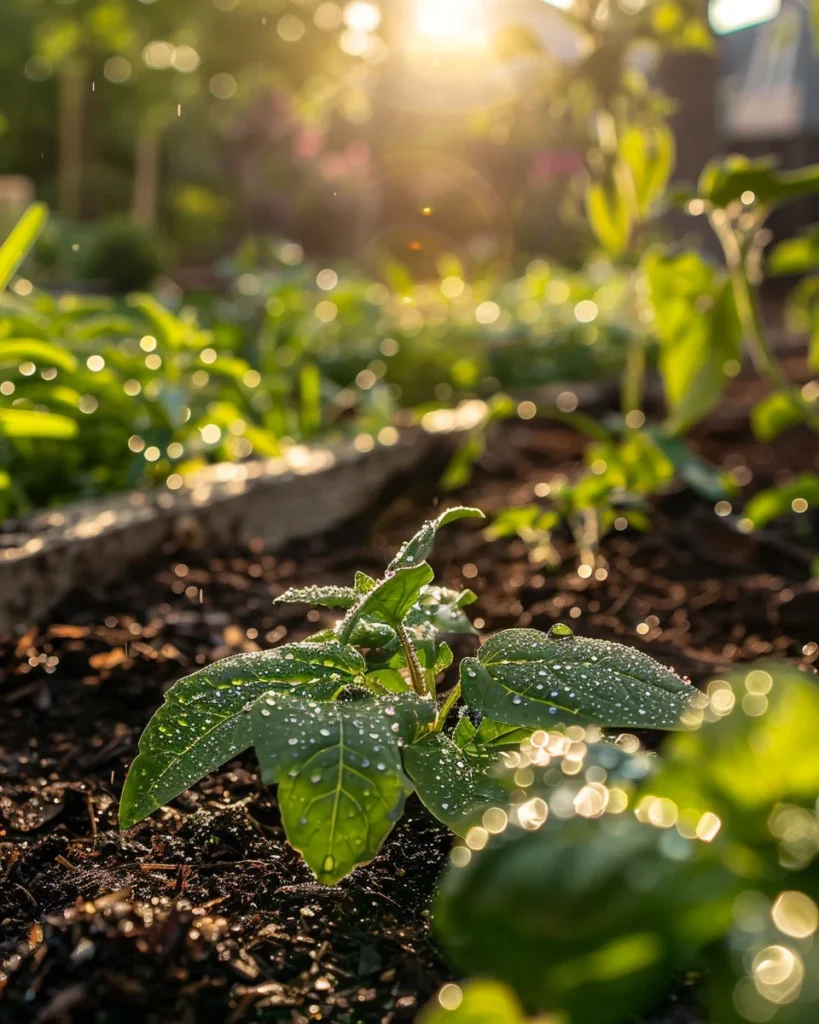
How to Build a Thriving Organic Garden From Scratch: Site Selection, Soil Preparation & Sustainable Growing
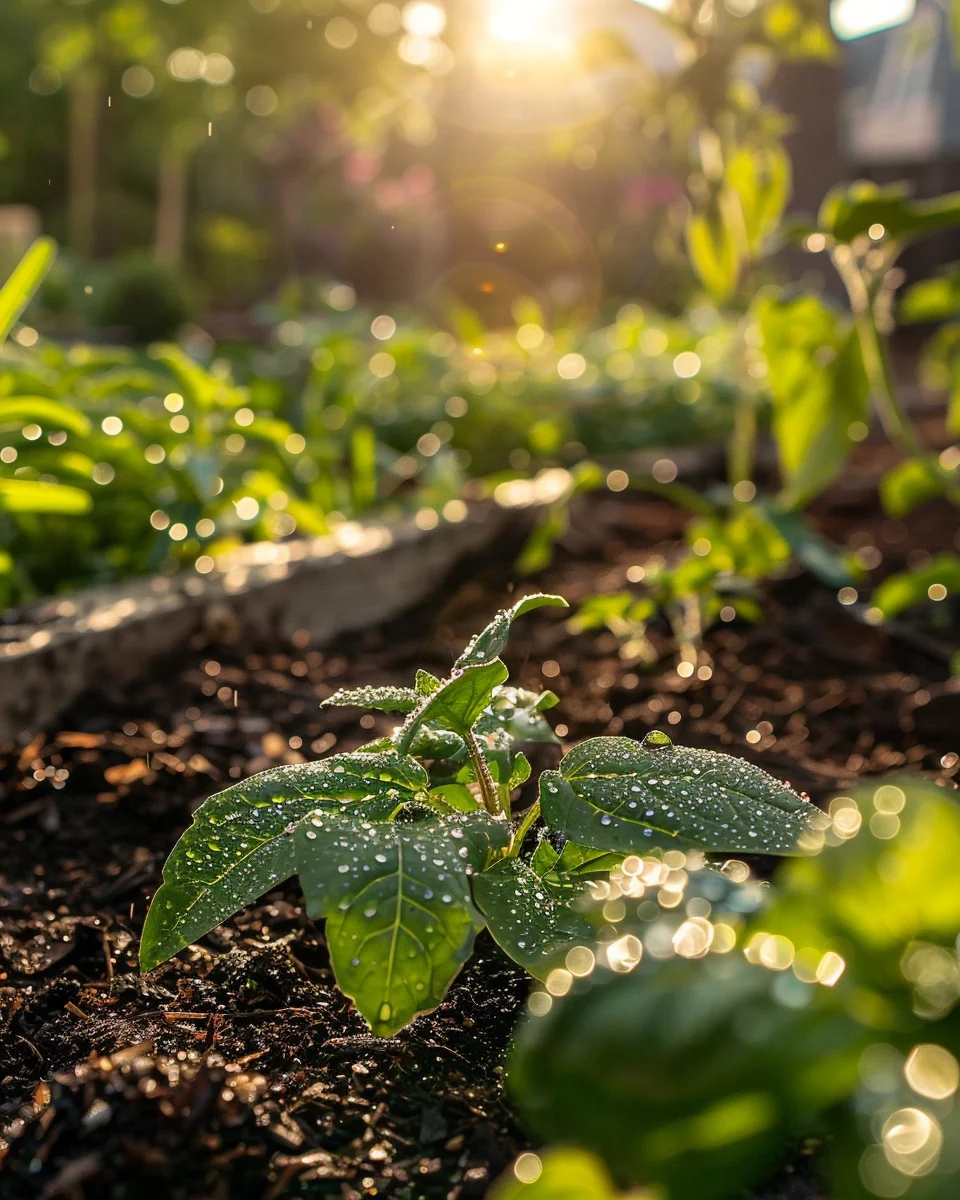
Intro for Building a Thriving Organic Garden From Scratch
Creating an organic garden from scratch is a rewarding journey that connects you with nature while providing fresh, chemical-free produce for your table. Organic gardening works with natural systems rather than against them, promoting soil health, biodiversity, and sustainable growing practices. Unlike conventional gardening, organic methods avoid synthetic fertilizers and pesticides, instead relying on compost, natural amendments, and ecological balance. Whether you have a spacious backyard or a modest balcony, you can build a thriving organic garden that suits your space, climate, and lifestyle. This guide will walk you through every step of creating your own productive organic oasis.
When to plan your organic garden
The best time to plan your organic garden is during the dormant season, typically winter in temperate regions. This gives you ample time to research, design, and prepare before spring planting. In USDA zones 4-7, January and February are ideal planning months, while warmer regions (zones 8-10) can begin planning in late fall. Soil temperatures should reach at least 10°C (50°F) before major planting begins. For year-round gardening, create a succession planting schedule that accounts for your region’s first and last frost dates, allowing you to maximize growing seasons.
Best time to start an organic garden
For cool-temperate regions (UK, Northern US, Canada), begin soil preparation in early spring (March-April) when the ground has thawed and can be worked. Direct sow cool-season crops when soil temperatures reach 7-10°C (45-50°F). In warm-temperate regions (Southern US, Mediterranean), you can prepare beds in late winter (February) and begin planting warm-season crops after the last frost date, typically April-May. For hot climates, fall and winter often provide the best growing conditions. Regardless of region, transplants should be set out 2-4 weeks after the last expected frost, while heat-loving crops need soil temperatures of at least 15°C (60°F).
Best organic gardening methods to grow
- No-Dig/No-Till – Preserves soil structure and microbial life while reducing weed germination and labor.
- Square Foot Gardening – Maximizes space efficiency with grid-based planting, perfect for small yards and beginners.
- Raised Beds – Provides excellent drainage, prevents soil compaction, and extends the growing season with warmer soil.
- Permaculture – Creates self-sustaining garden ecosystems that mimic natural patterns and require minimal intervention.
- Lasagna Gardening – Uses sheet composting layers to build rich soil without digging, ideal for converting lawn to garden.
- Container Gardening – Offers flexibility for limited spaces and poor native soil conditions.
- Hugelkultur – Utilizes buried wood to create self-fertilizing, water-retentive mounds that improve with age.
How to plan your organic garden
Materials needed:
- Paper and pencil or garden planning software
- Soil testing kit
- Measuring tape
- Stakes and string
- Compass or smartphone app
- Regional planting calendar
Step-by-step planning:
- Observe your site for a full day to track sunlight patterns, noting areas that receive 6+ hours of direct sun.
- Test your soil pH and nutrient levels using a home kit or professional service.
- Measure your available space and create a scaled drawing of your garden area.
- Mark water sources and consider proximity to the kitchen for easy harvest access.
- Determine your garden style (raised beds, in-ground, containers) based on space and mobility needs.
- List vegetables, herbs, and flowers you want to grow, prioritizing what you enjoy eating.
- Research plant spacing requirements and sun/shade preferences for your chosen plants.
- Design your garden layout, placing taller plants on the north side to avoid shading shorter ones.
- Plan walking paths at least 60 cm (24 in) wide for comfortable access to all plants.
- Create a planting calendar based on your local frost dates and growing season length.
How to grow an organic garden
Successful organic gardens need 6-8 hours of direct sunlight daily for most vegetables, though some leafy greens tolerate partial shade. Water deeply but infrequently (2-3 times weekly) rather than shallow daily watering to encourage deep root growth. Apply organic fertilizers like compost tea, worm castings, or fish emulsion every 4-6 weeks during the growing season. Mulch with straw, leaves, or grass clippings (5-7 cm/2-3 in thick) to conserve moisture and suppress weeds. Practice regular pruning to improve air circulation and remove diseased foliage. For container gardens, choose pots at least 30 cm (12 in) deep with drainage holes, and water more frequently as containers dry out faster than in-ground gardens.
Caring for your organic garden
Maintain your garden with weekly inspections for pests and diseases. For aphids, introduce beneficial insects like ladybugs or spray with diluted neem oil. Combat fungal issues with improved air circulation and baking soda spray (1 tbsp per gallon of water). Prevent powdery mildew by avoiding overhead watering and applying milk spray (1:9 ratio with water). Harvest vegetables in the morning when their moisture content is highest, using sharp, clean tools to minimize plant damage. Store root vegetables in cool, dark places (7-10°C/45-50°F), while leafy greens keep best washed, dried, and refrigerated in perforated plastic bags. Rotate crops annually by family groups to prevent pest buildup and nutrient depletion.
Understanding soil building in organic gardens
Soil building is the foundation of organic gardening success. Poor soil leads to nutrient deficiencies, pest susceptibility, and reduced yields. Prevent soil degradation by adding organic matter regularly through compost, cover crops, and mulch. Avoid compaction by using designated paths and never working wet soil. If your garden shows signs of poor soil health (stunted growth, yellowing leaves), incorporate well-aged compost (5-7 cm/2-3 in) and organic amendments specific to your soil test results. Consider cover crops like clover or buckwheat during off-seasons to add nitrogen and organic matter. Remember that healthy soil development takes time—expect significant improvements within 1-3 years of consistent organic practices.
Why does organic gardening improve soil health?
- Microbial Activity – Organic practices support beneficial fungi and bacteria that break down organic matter into plant-available nutrients.
- Carbon Sequestration – Organic matter additions help soil capture and store carbon, improving structure while fighting climate change.
- Water Retention – Each 1% increase in organic matter helps soil hold approximately 16,000 more gallons of water per acre.
- Erosion Prevention – Strong soil aggregates created by organic matter resist wind and water erosion.
- Reduced Dependency – Healthy soil requires fewer inputs over time as natural cycles become established.
Companion planting for organic gardens
Good companions enhance growth, repel pests, or improve flavor. Plant basil near tomatoes to improve flavor and repel flies and mosquitoes. Grow nasturtiums as sacrificial plants to attract aphids away from vegetables. Interplant carrots with onions to confuse carrot flies with the onion scent. Use marigolds throughout the garden to deter nematodes and attract pollinators. Plant beans near corn to fix nitrogen while the corn provides climbing support. Avoid planting members of the same family close together as they compete for similar nutrients and attract the same pests. Keep fennel separated from most vegetables as it inhibits growth of many common garden plants.
Seasonal calendar
Spring (March-May):
- Prepare beds with compost and organic amendments
- Direct sow cool-season crops (peas, spinach, radishes)
- Start warm-season seedlings indoors
- Apply mulch after soil warms
Summer (June-August):
- Transplant heat-loving crops after frost danger passes
- Maintain regular watering schedule, preferably in mornings
- Apply compost tea monthly
- Harvest regularly to encourage production
Fall (September-November):
- Plant fall crops (kale, Brussels sprouts, garlic)
- Collect leaves for compost and mulch
- Sow cover crops in empty beds
- Harvest storage crops before hard frost
Winter (December-February):
- Plan next season’s garden layout
- Order seeds
- Maintain compost pile
- Protect perennial plants with mulch
Problems & solutions
| Problem | Quick Fix |
|---|---|
| Poor germination | Check soil temperature and moisture; consider pre-soaking seeds or using fresh seed stock |
| Yellowing leaves | Apply compost tea or diluted fish emulsion; check for overwatering |
| Pest infestation | Introduce beneficial insects; apply insecticidal soap or neem oil; use row covers |
| Slow growth | Check soil pH; add appropriate organic amendments based on soil test results |
| Blossom drop | Ensure consistent watering; provide shade during extreme heat; hand pollinate if pollinators are scarce |
| Weeds overtaking garden | Apply thick mulch (7-10 cm/3-4 in); use landscape fabric in pathways; weed after rain when soil is soft |
| Waterlogged soil | Improve drainage with raised beds or adding compost; redirect water flow away from garden |
Common questions about growing an organic garden
How much water does my organic garden need?
Most established gardens need about 2.5 cm (1 inch) of water weekly, either from rainfall or irrigation. Water deeply 2-3 times per week rather than daily shallow watering to encourage deep root growth. Container gardens may need daily watering, especially during hot weather.
Can I start an organic garden in poor soil?
Yes, by using raised beds or containers filled with quality compost and soil mix. For in-ground gardens with poor soil, sheet mulching or lasagna gardening can build soil quality over time without requiring extensive digging.
How much space do I need for an organic garden?
Even 1 square meter (10 sq ft) can produce significant herbs and greens. A 3×6 meter (10×20 ft) garden can provide vegetables for a family of four during the growing season. Vertical gardening and intensive planting methods maximize production in small spaces.
How do I control pests without chemicals?
Use physical barriers like row covers, encourage beneficial insects by planting flowers, practice crop rotation, and use organic deterrents like neem oil or insecticidal soap. Healthy soil produces resilient plants that naturally resist many pest problems.
When should I harvest my organic vegetables?
Harvest in the morning when moisture content is highest. Pick leafy greens when they reach usable size but before they mature fully. Harvest root vegetables when they reach desired size. Tomatoes and fruits should be picked when they develop full color but still feel firm.
How do I make my own compost?
Create a pile or bin with alternating layers of “browns” (carbon-rich materials like leaves and paper) and “greens” (nitrogen-rich materials like kitchen scraps and grass clippings) in a 3:1 ratio. Keep moist but not soggy, turn regularly, and expect finished compost in 3-12 months depending on conditions.
Can I grow an organic garden if I have limited time?
Yes, by choosing low-maintenance plants, installing drip irrigation on timers, using mulch to suppress weeds, and starting small. Focus on perennial vegetables and herbs that require less annual attention, and consider square foot or raised bed gardening to minimize maintenance.