
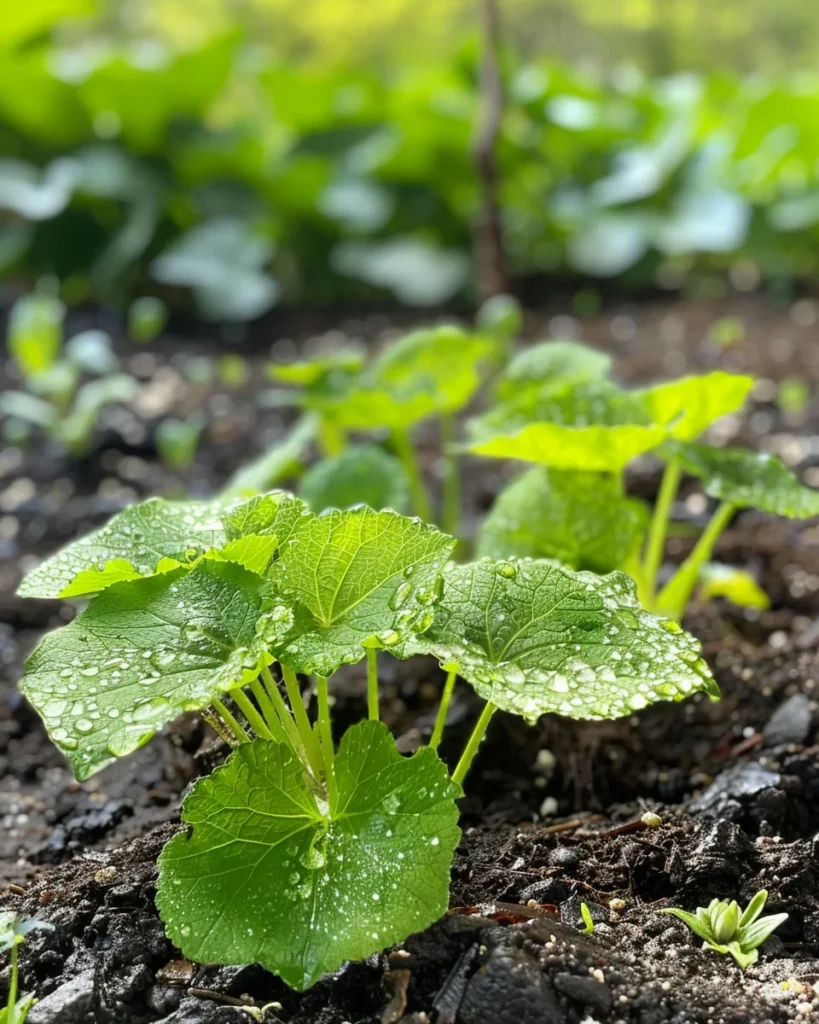
How to Grow Wasabi in Containers: A Complete Guide for Home Gardeners
Intro for growing wasabi in containers
Wasabi (Wasabia japonica) is a rare culinary treasure that’s notoriously difficult to find fresh, but surprisingly possible to grow at home in containers. This Japanese horseradish relative produces a pungent rhizome that, when freshly grated, delivers that distinctive spicy heat beloved in Japanese cuisine. Native to mountain stream beds, wasabi thrives in cool, shaded, and humid environments. Container growing allows gardeners in various climates to control these specific conditions, making this luxury crop accessible to home gardeners. With proper care and patience—wasabi takes 18-24 months to mature—you can harvest your own authentic wasabi, far superior to the common horseradish-based substitutes found in most stores.
When to plant wasabi in containers
Wasabi performs best when planted during cooler seasons when temperatures range between 10-20°C (50-68°F). In most temperate regions, early spring or early autumn are ideal planting times. Wasabi is extremely frost-sensitive, so ensure all danger of frost has passed in spring plantings, or provide protection for autumn plantings before winter arrives. The plant prefers soil temperatures between 12-15°C (54-59°F) for optimal root development. In warmer regions (above USDA Zone 8 or UK Zone 9), wasabi will struggle during hot summers unless provided with significant shade and cooling measures.
Best time to plant wasabi in containers
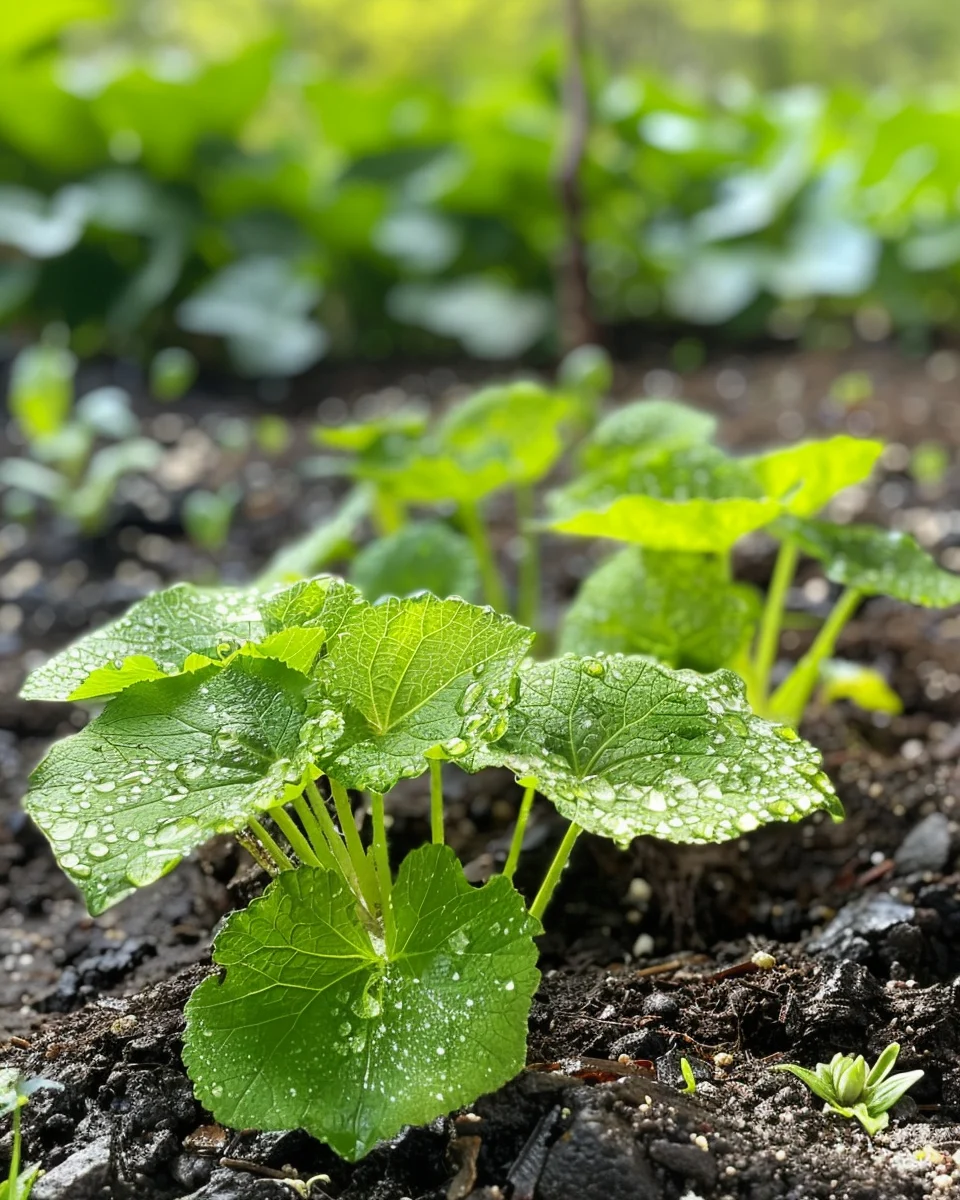
For cool temperate regions (USDA Zones 6-8, UK Zones 7-9), plant wasabi starts in March-April or September-October. Warmer regions should focus exclusively on autumn planting (October-November) to give plants time to establish before summer heat. Colder regions (below Zone 6) should plant in spring after frost danger passes, with provisions to bring containers indoors during winter. Wasabi is almost exclusively grown from divisions or starts rather than seeds, which have poor germination rates and take significantly longer to mature.
Best wasabi varieties to grow
- Mazuma – Considered the highest quality variety with excellent flavor and a good balance of heat and sweetness.
- Daruma – More compact growth habit, making it ideal for container cultivation with good disease resistance.
- Shimane – Tolerates slightly warmer conditions than other varieties, good for growers in milder climates.
- Midori – Produces vibrant green stems and leaves that are also edible, maximizing your harvest.
- Fuji Daruma – Earlier to mature (16-18 months) than many varieties, with excellent flavor development.
- Green Thumb – Developed specifically for container growing with more compact root structure.
How to plant wasabi in containers
Materials needed:
- Wasabi starts/divisions (from specialty nurseries)
- Large containers (minimum 30cm/12in deep and wide)
- High-quality potting mix with added perlite
- Pea gravel or small stones
- Slow-release organic fertilizer
- Shade cloth or placement plan for shade
Step-by-step planting:
- Select containers with excellent drainage holes; wasabi needs moisture but hates waterlogging.
- Place 2-3cm (1in) of gravel at the bottom of each container to improve drainage.
- Mix potting soil with 20% perlite to create a loose, moisture-retentive but well-draining medium.
- Add a small amount of slow-release organic fertilizer to the soil mix.
- Fill containers to within 5cm (2in) of the top.
- Plant wasabi starts so the crown sits just at soil level, spacing multiple plants 20-25cm (8-10in) apart.
- Water thoroughly until water runs from drainage holes.
- Apply a thin layer of small stones or pea gravel as mulch to maintain soil moisture and coolness.
- Place containers in a shaded location protected from wind.
How to grow wasabi in containers
Wasabi requires deep shade, receiving no more than 20% direct sunlight. Morning sun with afternoon shade works well in cooler climates. Maintain consistently moist (never soggy) soil—check containers daily during warm weather. Consider setting containers in shallow trays of water during hot periods to increase humidity and keep roots cool. Feed monthly with a diluted, balanced organic fertilizer (10-10-10). Avoid high-nitrogen fertilizers which promote leaf growth at the expense of the rhizome. Mist plants regularly to maintain humidity levels above 80%. In winter, protect containers from freezing by moving to a sheltered location or insulating the pots. Trim yellowing or damaged leaves promptly to prevent disease spread. For containers, ensure they’re at least 30cm (12in) deep to accommodate the growing rhizome, and use light-colored containers that won’t absorb heat.
Caring for wasabi in containers
Monitor soil moisture daily, as container-grown wasabi dries out faster than garden-grown plants. Remove flower stalks as they appear to direct energy to rhizome development. Watch for aphids and slugs, which can be controlled with insecticidal soap and diatomaceous earth respectively. Leaf spot diseases may occur in humid conditions—improve air circulation and avoid overhead watering. Root rot is common in overwatered plants; ensure excellent drainage and never let containers sit in water. Harvest wasabi after 18-24 months when the rhizome is 10-15cm (4-6in) long and 2-3cm (1in) thick. To harvest, carefully remove the entire plant, clean soil from the rhizome, and trim off small roots. Store harvested rhizomes wrapped in damp paper towels in the refrigerator for up to 3-4 weeks.
Understanding bolting in wasabi
Bolting in wasabi occurs when the plant prematurely produces flower stalks, typically in its second year of growth. This natural process is triggered by several factors: extended periods above 25°C (77°F), dramatic temperature fluctuations, or drought stress. Once bolting begins, energy diverts from rhizome development to seed production, resulting in smaller, less flavorful rhizomes. To prevent bolting, maintain consistent temperatures below 20°C (68°F) when possible, provide adequate shade during summer, and ensure consistent soil moisture. If your wasabi does bolt, remove flower stalks immediately to redirect some energy back to the rhizome. Consider harvesting soon after bolting begins, as quality will gradually decline.
Why does wasabi turn bitter?
- Heat stress – Temperatures consistently above 23°C (73°F) cause biochemical changes; provide more shade and cooling.
- Age – Rhizomes older than 2.5 years develop bitter compounds; harvest at optimal 18-24 month mark.
- Drought stress – Inconsistent watering triggers defensive compounds; maintain even moisture.
- Excessive fertilizer – Too much nitrogen creates bitter growth; use balanced fertilizer sparingly.
- Post-harvest oxidation – Grated wasabi turns bitter after 15-20 minutes; always prepare just before serving.
Companion planting for wasabi
Good companions:
- Ferns – Create natural shade and increase humidity around wasabi plants.
- Mint – Repels many pests that might attack wasabi and thrives in similar moist conditions.
- Hostas – Provide complementary shade and have similar water requirements.
- Sweet woodruff – Grows well in shade and helps maintain soil moisture.
- Astilbe – Thrives in the same shady, moist conditions wasabi prefers.
Avoid planting near:
- Sun-loving herbs (rosemary, thyme) – Compete for resources and require contradictory growing conditions.
- Brassicas (cabbage family) – Share diseases and pests with wasabi, which is also a brassica.
Seasonal calendar
- January-February: Protect containers from freezing; minimal watering.
- March-April: Spring planting time; divide established plants; begin regular feeding.
- May-June: Increase watering as temperatures rise; apply mulch to retain moisture.
- July-August: Critical period for shade and cooling; mist frequently; monitor for heat stress.
- September-October: Fall planting time; reduce feeding for established plants.
- November-December: Prepare winter protection; reduce watering; harvest mature plants.
Note: In hot regions (Zones 9+), provide extra shade and cooling May-September. In cold regions (Zones 5 and below), bring containers indoors or into protected areas November-March.
Problems & solutions
| Problem | Quick Fix |
|---|---|
| Yellowing leaves | Check for overwatering; improve drainage; ensure proper shade. |
| Stunted growth | Increase feeding with balanced fertilizer; check for root binding in container. |
| Leaf spots/disease | Improve air circulation; remove affected leaves; apply organic fungicide. |
| Slug damage | Apply diatomaceous earth around plants; set up beer traps; hand-pick at night. |
| Root rot | Reduce watering; repot in fresh soil with better drainage; trim affected roots. |
| Early bolting | Remove flower stalks immediately; increase shade; stabilize temperatures. |
| Aphid infestation | Spray with insecticidal soap; introduce ladybugs; use sticky traps. |
Common questions about growing wasabi in containers
Q: How often should I water container-grown wasabi?
A: Check soil moisture daily. Water when the top 2cm (1in) feels slightly dry, typically every 1-2 days in summer and every 3-4 days in winter, ensuring the soil stays consistently moist but never waterlogged.
Q: What size container is best for wasabi?
A: Use containers at least 30cm (12in) deep and wide per plant. Larger containers (40-50cm/16-20in) provide more stable growing conditions and better results.
Q: Can wasabi grow in full shade?
A: Yes, wasabi thrives in full shade to very light dappled shade. It needs protection from direct sun, especially during midday and afternoon hours.
Q: How cold-tolerant is wasabi?
A: Wasabi can tolerate brief periods down to -5°C (23°F), but prefers temperatures between 10-20°C (50-68°F). Protect containers from freezing in winter by moving them to sheltered locations or insulating the pots.
Q: How do I harvest wasabi without killing the plant?
A: For partial harvest, carefully expose part of the rhizome by removing soil, cut off a section, then rebury the remaining portion. For full plants, harvest the main rhizome but replant the smaller offsets for future crops.
Q: Can I eat wasabi leaves and stems?
A: Yes! Wasabi leaves and stems (petioles) are edible with a milder wasabi flavor. Harvest sparingly (no more than 1/3 of the plant) to avoid stressing the plant.
Q: How do I increase humidity for my wasabi plants?
A: Group containers together, use humidity trays (pebble-filled trays with water), mist plants regularly, and consider a small humidifier nearby during particularly dry periods.