
How to Grow Winter Salads in a Polytunnel: Fresh Greens All Winter Long
Intro for how to grow winter salads in a polytunnel
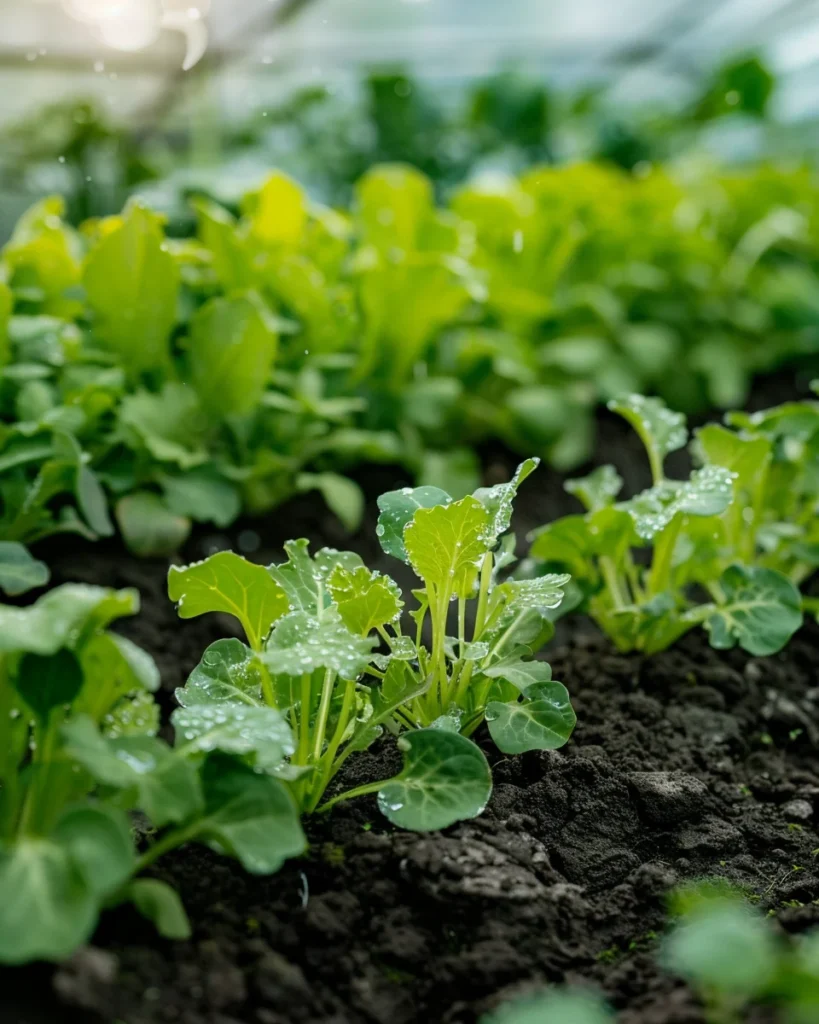
Growing winter salads in a polytunnel allows you to enjoy fresh, crisp greens throughout the coldest months when outdoor growing is impossible. A polytunnel creates a protected microclimate that extends your growing season by months, providing the perfect environment for cold-hardy salad varieties to thrive. Even when snow blankets your garden, you can harvest tender lettuce, peppery rocket, nutritious kale, and other leafy greens. With minimal heating requirements and proper planning, a polytunnel can supply your kitchen with vitamin-rich salads when produce prices are highest and quality is lowest in shops. Whether you’re a beginner or experienced gardener, winter salad growing offers an accessible way to maintain garden productivity year-round.
When to plant how to grow winter salads in a polytunnel
For winter harvests, most salad crops should be planted in late summer to early autumn. In temperate regions like the UK, this typically means sowing between August and October, depending on your specific climate. Soil temperatures between 10-18°C (50-65°F) are ideal for germination of most winter salad varieties. Many winter salads are frost-tolerant once established, but young seedlings need protection from hard frosts. The polytunnel provides this crucial buffer, maintaining temperatures several degrees above outside conditions. For continuous harvests, stagger your plantings every 2-3 weeks during this period. In colder northern regions, aim for earlier sowings, while those in milder areas can extend sowing into November for some varieties.
Best time to plant how to grow winter salads in a polytunnel
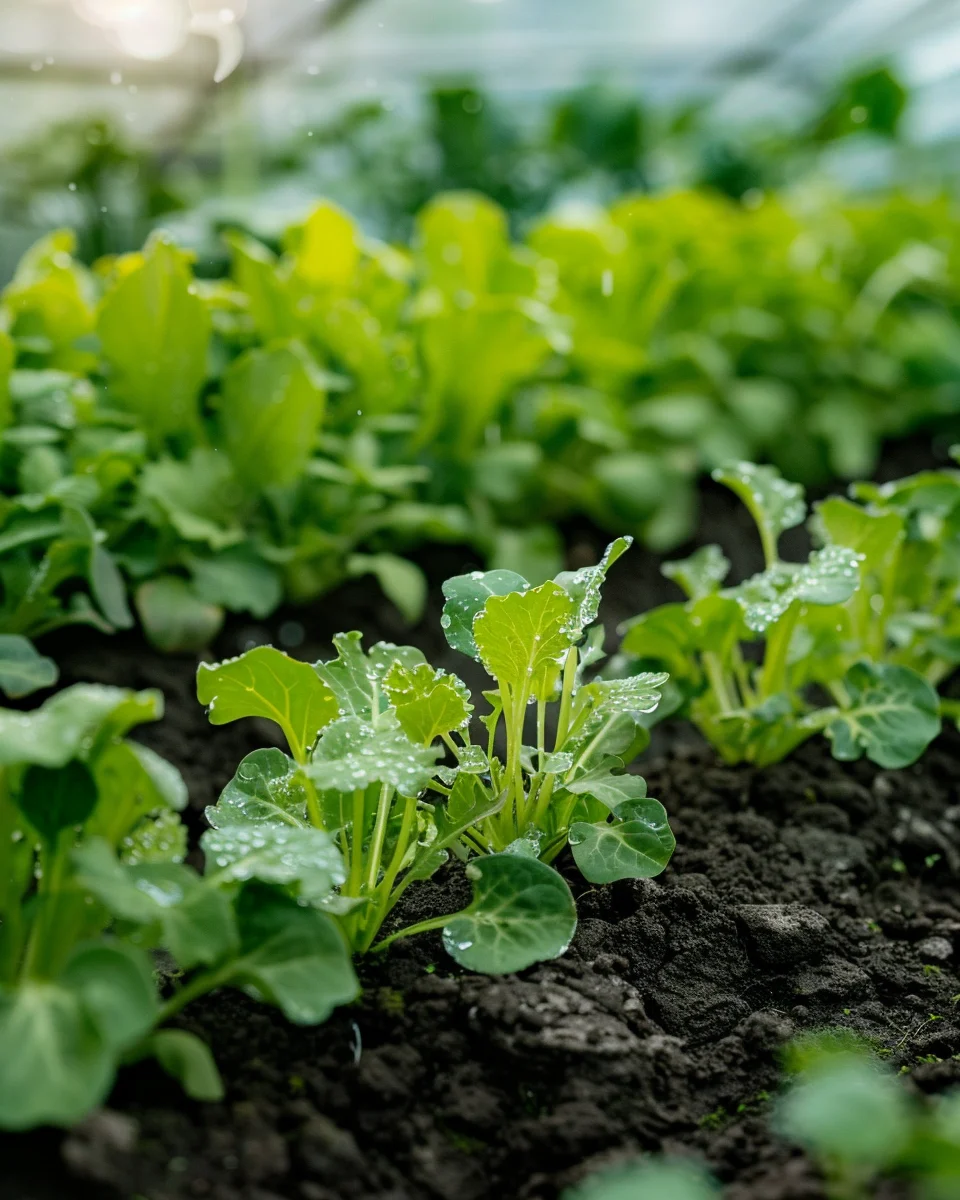
In cool temperate regions (UK, Northern Europe, US zones 4-6), direct sow most winter salads from mid-August to late September. Transplant seedlings from September to early October. In milder regions (Southern UK, US zones 7-9), you can extend direct sowing through October and transplanting into early November. For the most cold-hardy varieties like mâche and certain Asian greens, even later plantings can succeed. Winter purslane and mizuna can be direct sown as late as early November in protected polytunnel environments. For cut-and-come-again varieties, ensure they’re established with good root systems at least 4-6 weeks before the first expected hard frost for optimal winter performance.
Best how to grow winter salads in a polytunnel varieties to grow
- Winter Density Lettuce – Compact, upright growth with excellent cold tolerance and sweet flavor even in low light conditions.
- Mâche (Corn Salad) – Exceptionally cold-hardy with a nutty flavor, thriving in the coolest polytunnel conditions when other greens struggle.
- Mizuna – Fast-growing Japanese mustard green with fringed leaves that provides multiple harvests and resists bolting in fluctuating temperatures.
- Winter Purslane (Claytonia) – Incredibly cold-tolerant with succulent, mild-flavored leaves that maintain quality throughout winter.
- Tatsoi – Spoon-shaped dark leaves forming beautiful rosettes with excellent frost resistance and a mild mustard flavor.
- Red Russian Kale – Tender, sweeter than summer kale when grown in winter conditions, with excellent nutritional profile.
- Rocket (Arugula) – Quick-growing with peppery flavor that becomes milder in winter conditions, perfect for container growing.
- Land Cress – Excellent watercress substitute with similar peppery flavor but much easier to grow in winter polytunnel conditions.
How to plant how to grow winter salads in a polytunnel
Materials needed:
- Winter salad seeds or seedlings
- Compost or well-rotted manure
- Garden fork or tiller
- Rake
- Watering can with rose attachment
- Row markers
- Horticultural fleece (for extra protection during cold snaps)
- Containers (optional for raised growing)
Step-by-step planting:
- Prepare your polytunnel beds by removing any summer crop residues and weeds thoroughly.
- Work in 5-7cm (2-3in) of compost or well-rotted manure to replenish nutrients and improve soil structure.
- Rake the soil to create a level, fine tilth suitable for small seeds.
- For direct sowing, create shallow drills approximately 1cm (½in) deep, with rows spaced 15-20cm (6-8in) apart.
- Sow seeds thinly along drills and cover lightly with soil; for tiny seeds like rocket, mix with sand for more even distribution.
- For transplants, dig holes slightly larger than the root ball and space according to variety (typically 15-25cm/6-10in apart).
- Water gently but thoroughly using a fine rose attachment to avoid displacing seeds.
- Label rows clearly with variety names and sowing dates to track succession plantings.
- For extra early or late sowings, consider placing horticultural fleece over newly planted areas for additional warmth.
- For container growing, use pots at least 15cm (6in) deep filled with compost-enriched potting mix, positioning near polytunnel edges to maximize light exposure.
How to grow how to grow winter salads in a polytunnel
Winter salads need different care than summer crops. While the polytunnel provides crucial protection, light levels are naturally lower in winter. Position beds to maximize available sunlight, especially in northern areas. Most winter salads prefer 4-6 hours of direct light daily, though many will tolerate less. Water sparingly in winter—only when the top 2cm (1in) of soil feels dry. Morning watering is best to allow foliage to dry before nightfall, reducing disease risk. Apply a liquid seaweed feed monthly at half-strength to support steady growth without forcing lush, frost-vulnerable foliage. Mulch between rows with compost to suppress weeds and insulate soil. For cut-and-come-again harvesting, thin seedlings to allow proper air circulation—approximately 10cm (4in) for smaller varieties and 20cm (8in) for larger ones. Container-grown salads dry out less in winter but may need moving to maximize light exposure. Ventilate the polytunnel on mild days to prevent humidity buildup and associated fungal issues.
Caring for how to grow winter salads in a polytunnel
Regular monitoring is essential for winter polytunnel salads. Check for slugs and snails, which remain active in the protected environment—use organic slug pellets or beer traps as needed. Aphids can sometimes appear during mild spells; a spray of diluted soap solution usually controls them effectively. Watch for grey mold (Botrytis) in damp conditions, removing affected leaves promptly and improving ventilation. Downy mildew can affect lettuce and brassicas—maintain good spacing and remove infected plants immediately. Harvest outer leaves of cut-and-come-again varieties regularly, even in cold periods, to encourage fresh growth and prevent overcrowding. Most winter salads can be harvested when leaves reach 5-10cm (2-4in) in length. For storage, wash leaves gently, spin dry, and keep in perforated bags in the refrigerator for 5-7 days. During extreme cold snaps below -5°C (23°F), consider adding a layer of horticultural fleece over crops inside the polytunnel for additional protection.
Understanding bolting in how to grow winter salads in a polytunnel
Bolting is when salad plants prematurely produce flowering stems, making leaves bitter and tough. While less common in winter than summer, it can still occur, especially during late winter as day length increases. The primary triggers include sudden temperature fluctuations (particularly warm spells after cold periods), increasing day length in late winter/early spring, and plant stress from drought or root disturbance. To prevent bolting, choose bolt-resistant varieties specifically bred for winter growing, maintain consistent soil moisture, and provide shade during unexpected warm periods by using shade cloth inside the polytunnel. Ensure adequate spacing to reduce competition stress. If bolting begins, harvest the entire plant immediately for use in cooking rather than salads, as heat reduces bitterness. For succession planting, sow new batches every 3-4 weeks to ensure continuous non-bolted crops, and consider switching to more bolt-resistant varieties like corn salad and winter purslane for late winter harvests.
Why does how to grow winter salads in a polytunnel turn bitter?
- Early bolting – Harvest promptly at first sign of central stem elongation; replace with fresh sowings of more bolt-resistant varieties.
- Heat stress – Provide ventilation on sunny days when polytunnel temperatures exceed 20°C (68°F); consider shade cloth for sensitive varieties.
- Water stress – Maintain consistent soil moisture without waterlogging; check container plants more frequently as they dry faster.
- Aging plants – Harvest leaves when young and tender; don’t allow plants to become overmature, especially as spring approaches.
- Nutrient imbalance – Avoid excessive nitrogen which promotes bitter foliage; use balanced winter fertilizer at half-strength if needed.
Companion planting for how to grow winter salads in a polytunnel
Good companions:
- Garlic and chives – Deter aphids and other pests with their natural sulfur compounds while taking up minimal space.
- Calendula – Attracts beneficial insects and adds color to winter polytunnels; helps with pest management.
- Spinach – Similar growing requirements to many winter salads; maximizes space utilization with compatible watering needs.
- Carrots – Grow well in cooler conditions and their deeper root systems don’t compete with shallow-rooted salad crops.
- Winter radishes – Quick-growing companions that can be harvested before salads reach maturity, maximizing space efficiency.
Avoid planting near:
- Brassicas (cabbage, broccoli) – Compete for nutrients and can shade smaller salad crops; may attract similar pests.
- Fennel – Produces compounds that inhibit growth of many leafy greens and can cause neighboring plants to bolt.
- Strawberries – Can harbor botrytis which easily transfers to tender salad leaves in humid polytunnel conditions.
Seasonal calendar
- August – Prepare polytunnel beds; sow first winter lettuce, rocket, and Asian greens; transplant early seedlings.
- September – Main sowing month for most winter salads; sow mâche, mizuna, winter purslane; continue succession planting of lettuce.
- October – Last sowings of hardy varieties; transplant September seedlings; begin harvesting early varieties.
- November – Reduce watering; apply winter mulch; harvest outer leaves of established plants; protect with fleece during cold snaps.
- December – Minimal watering; harvest as needed; check ventilation on sunny days; protect from severe frost.
- January – Maintain vigilance for pests; harvest sparingly during coldest periods; check for and remove any rotting leaves.
- February – Begin late winter sowings for spring transition; increase harvesting as growth resumes; watch for early bolting.
- March – Sow spring varieties; clear winter-damaged plants; increase ventilation as temperatures rise; final harvests of winter varieties.
Problems & solutions
| Problem | Quick Fix |
|---|---|
| Leggy, pale seedlings | Improve light exposure; reduce temperature; ensure adequate spacing |
| Slug damage | Apply organic slug pellets; set beer traps; remove hiding places; night inspections with torch |
| White mold on soil surface | Reduce watering; improve air circulation; remove affected soil layer; apply cinnamon powder |
| Frost damage despite polytunnel | Add internal fleece layer; use water bottles as thermal mass; seal drafts; consider minimal heating |
| Yellowing lower leaves | Remove affected leaves; check drainage; apply dilute seaweed feed; increase spacing |
| Condensation dripping on plants | Improve ventilation; wipe tunnel covering; install condensation channels; morning ventilation |
| Stunted growth | Check soil temperature; apply compost tea; ensure adequate but not excessive moisture; check for root restrictions |
Common questions about growing how to grow winter salads in a polytunnel
How often should I water winter salads in a polytunnel?
Much less frequently than summer crops—typically once every 7-10 days. Check soil moisture at 2cm (1in) depth and only water when it feels dry. Morning watering is best to allow foliage to dry before nightfall.
Can I grow winter salads in containers in my polytunnel?
Absolutely! Use containers at least 15cm (6in) deep with good drainage. Containers allow you to position plants to maximize light exposure and can be moved to protect from cold spots. They may need less frequent watering than in summer but check regularly.
What’s the minimum temperature winter salads can tolerate in a polytunnel?
Most winter salads will survive temperatures down to -5°C (23°F) in a polytunnel, with hardier varieties like mâche and winter purslane tolerating even lower temperatures. Growth slows considerably below 5°C (41°F) but plants remain viable.
How much spacing do winter salads need?
Less than summer crops due to slower growth: 10-15cm (4-6in) for cut-and-come-again varieties, 15-20cm (6-8in) for heading lettuce, and 5-10cm (2-4in) for small-leaved crops like rocket and mizuna. Proper spacing improves air circulation and reduces disease risk.
How can I ensure continuous harvests throughout winter?
Succession sow every 2-3 weeks from August through October. Grow multiple varieties with different maturation times. Harvest outer leaves of cut-and-come-again varieties rather than whole plants. Protect established plants during cold snaps with additional fleece covering.
Do winter salads need additional fertilizer?
Less than summer crops. Prepare beds with compost before planting, then apply diluted liquid seaweed feed monthly at half normal strength. Excessive nitrogen promotes soft growth vulnerable to frost damage and disease.
When should I ventilate my polytunnel in winter?
On sunny days when temperatures inside rise above 15°C (59°F), even briefly. Morning ventilation for 1-2 hours helps reduce humidity and condensation. Close vents before afternoon temperature drop to retain heat overnight.