
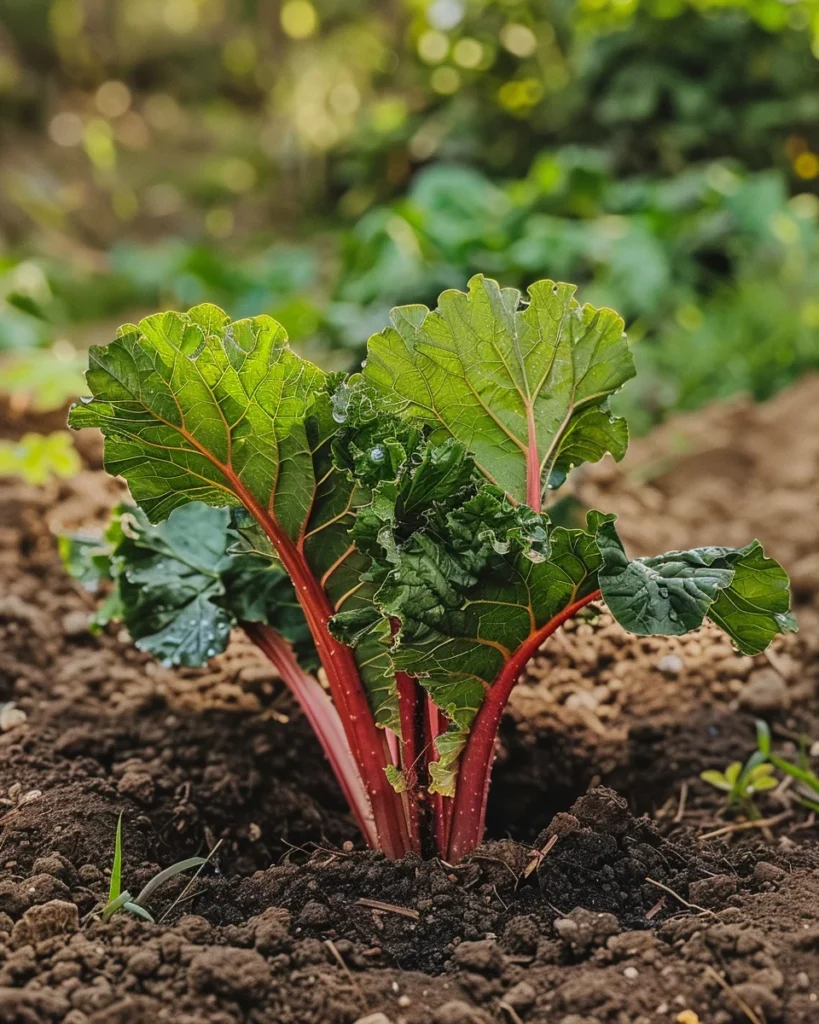
How to Grow Rhubarb in Warm Climates: When to Plant, Best Heat-Tolerant Varieties & Care Tips
Intro for growing rhubarb in warm climates
Rhubarb, traditionally a cool-weather perennial, can be successfully grown in warmer regions with the right approach. Known for its tart, ruby-red stalks that make delicious pies and preserves, rhubarb (Rheum rhabarbarum) typically thrives in zones 3-8 but struggles when temperatures consistently exceed 90°F (32°C). However, with heat-tolerant varieties, strategic planting times, and proper care techniques, gardeners in warm climates (USDA zones 7-9) can enjoy this versatile crop. Growing rhubarb in warmer regions requires treating it more as a fall-to-spring annual rather than a long-lived perennial, but the reward of homegrown stalks makes the effort worthwhile.
When to plant rhubarb in warm climates
In warm climates, the traditional spring planting schedule must be adjusted. Plant rhubarb in late fall or early winter when temperatures have cooled but before hard freezes occur. Soil temperatures between 50-65°F (10-18°C) are ideal for root establishment. In Mediterranean or subtropical regions, aim for November through January planting. This gives roots time to establish during cooler months before summer heat arrives. Unlike cool-climate rhubarb that goes dormant in winter, warm-climate rhubarb will continue growing through mild winters, then may go semi-dormant during intense summer heat.
Best time to plant rhubarb in warm climates
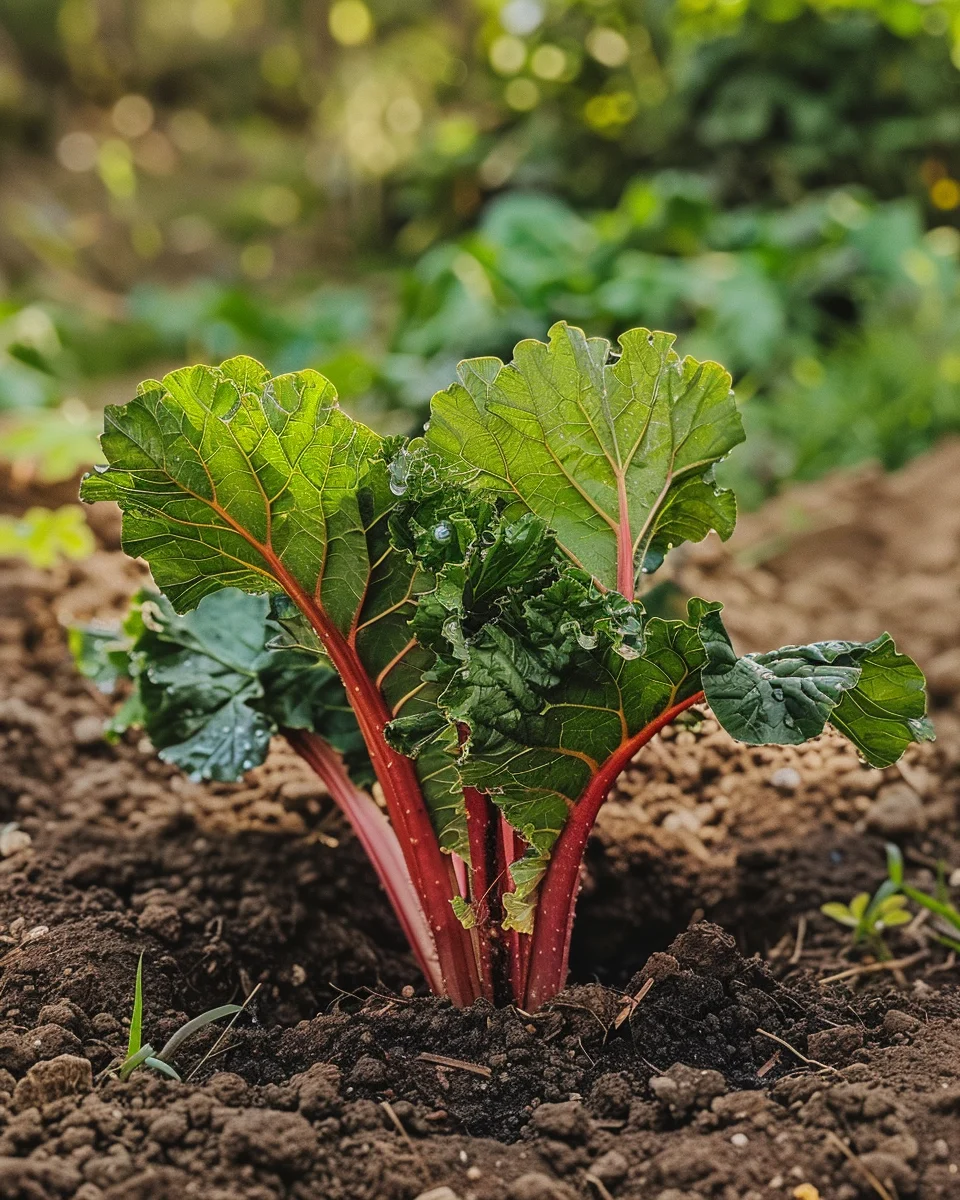
For warm climate zones (7-9), the optimal planting window is October through December. This timing allows plants to establish before summer heat stress occurs. In extremely hot regions (zones 9b-10), planting in November or December yields best results. If using crowns or divisions, plant them 2-3 weeks earlier than seeds. For container growing, you can plant slightly later (through January) as potted rhubarb can be moved to shadier locations during summer heat. Avoid spring planting in warm regions, as young plants won’t have time to establish before damaging heat arrives.
Best rhubarb varieties to grow in warm climates
- Cherry Red – Exceptionally heat-tolerant with vibrant red stalks and excellent flavor, developed specifically for southern gardens.
- Glaskins Perpetual – Early-maturing variety that produces well before summer heat peaks, with good bolt resistance.
- Turkey Red – Handles temperature fluctuations well with deep red stalks and robust growth even in warmer zones.
- Riverside Giant – Produces massive stalks with good heat tolerance and slower bolting tendencies than other varieties.
- Victoria – An heirloom variety that adapts reasonably well to warmer conditions with green-red stalks and reliable production.
- Crimson Red – Compact growth habit makes it excellent for container growing in warm regions where soil can be kept cooler.
- Ever Red – Newer variety bred for extended harvests in challenging climates with consistent stalk color.
How to plant rhubarb in warm climates
Materials needed:
- Rhubarb crowns or divisions (preferred over seeds for warm climates)
- Compost or well-rotted manure
- Balanced organic fertilizer
- Mulch (straw, wood chips, or pine needles)
- Garden fork or shovel
- Watering can or hose with gentle spray attachment
Step-by-step planting:
- Select a location that receives morning sun but afternoon shade in warm climates – eastern exposures are ideal.
- Prepare soil by digging a hole 18 inches (45 cm) wide and 12 inches (30 cm) deep for each plant.
- Mix native soil with compost at a 50/50 ratio to improve drainage and fertility.
- Add 1/4 cup of balanced organic fertilizer to the soil mix.
- Place rhubarb crown or division in the hole with the buds facing upward, positioned 1-2 inches (2.5-5 cm) below soil level.
- Space plants 3-4 feet (90-120 cm) apart to allow for good air circulation in warm climates.
- Backfill with the soil-compost mixture, firming gently around the crown.
- Water thoroughly but gently to avoid disturbing the crown.
- Apply 3-4 inches (7.5-10 cm) of mulch around plants, keeping it away from the crown to prevent rot.
How to grow rhubarb in warm climates
In warm climates, rhubarb needs modified care compared to cooler regions. Provide morning sunlight with afternoon shade – 4-6 hours of direct sun is sufficient, with dappled shade during the hottest part of the day. Water deeply and consistently, providing 1-2 inches (2.5-5 cm) weekly, increasing during hot spells. Apply a thick layer of light-colored mulch to keep roots cool and retain moisture. Fertilize lightly in early spring and fall with a balanced organic fertilizer, avoiding high-nitrogen formulations that promote leafy growth over stalks.
For container growing, use large pots (at least 20 inches/50 cm diameter) with excellent drainage. Use a soil mix containing 50% quality potting soil, 30% compost, and 20% perlite or coarse sand. Position containers where they can be moved to shadier locations during summer heat waves. In the hottest regions, consider growing rhubarb as an annual, planting fresh crowns each fall and harvesting through spring before summer heat causes decline.
Caring for rhubarb in warm climates
Monitor soil moisture vigilantly during hot weather, never allowing the soil to dry completely. Remove flower stalks immediately when they appear to redirect energy to leaf stalk production. Watch for crown rot in humid conditions – ensure good drainage and avoid overhead watering. Common pests include aphids (treat with insecticidal soap) and slugs (use diatomaceous earth barriers). In warm climates, harvest stalks when they reach 12-15 inches (30-38 cm) long, typically beginning 4-6 months after planting crowns.
During extreme heat waves (above 90°F/32°C), provide temporary shade with shade cloth. Consider a summer dormancy period where you reduce watering slightly and stop harvesting, allowing the plant to conserve energy. Resume normal care when temperatures moderate in fall. Unlike cool-climate rhubarb, warm-climate plants may need division every 2-3 years rather than 5-6 years to maintain vigor. Store harvested stalks in the refrigerator for up to 3 weeks, wrapped loosely in damp paper towels inside a perforated plastic bag.
Understanding bolting in rhubarb
Bolting in rhubarb refers to the plant producing tall flowering stalks, which diverts energy away from producing the edible leaf stalks. In warm climates, bolting is primarily triggered by heat stress and long daylight hours. When temperatures consistently exceed 75°F (24°C), especially with 14+ hours of daylight, rhubarb is likely to bolt. Stress factors like drought, poor nutrition, or sudden temperature fluctuations can exacerbate bolting tendencies.
To prevent bolting, select bolt-resistant varieties, provide afternoon shade, maintain consistent soil moisture, and apply reflective mulch to keep soil temperatures lower. If your rhubarb does bolt, remove the flower stalk immediately by cutting it at the base as soon as it appears. After removing flower stalks, provide extra water and a light application of balanced fertilizer to help the plant recover. In extremely hot climates, accept that rhubarb may be a cool-season annual rather than a long-lived perennial.
Why does rhubarb turn bitter?
- Heat stress – Temperatures consistently above 85°F (29°C) can cause bitter compounds to develop; provide afternoon shade and increase watering during heat waves.
- Age of stalks – Older, thicker stalks tend to be more bitter; harvest when stalks are younger and more tender for better flavor.
- Nitrogen excess – Too much nitrogen fertilizer promotes bitter leaf growth; use balanced fertilizers and avoid high-nitrogen formulations.
- Drought stress – Inconsistent watering causes plants to concentrate bitter compounds; maintain even soil moisture, especially in warm weather.
- Harvesting after bolting – Stalks harvested after flowering begins are typically more bitter; remove flower stalks promptly and harvest before they develop.
Companion planting for rhubarb
Good companions:
- Alliums (garlic, onions, chives) – Repel many rhubarb pests and don’t compete for nutrients.
- Brassicas (broccoli, cauliflower) – Provide shade for rhubarb roots during their cool-season growth period.
- Beans and peas – Fix nitrogen in soil, benefiting rhubarb’s growth without competing for space.
- Columbine flowers – Attract pollinators and beneficial insects while providing dappled shade.
- Sweet alyssum – Creates living mulch that keeps soil cool and attracts beneficial insects.
Avoid planting near:
- Sunflowers – Compete for nutrients and water, and can overshadow rhubarb plants.
- Tomatoes – May transmit diseases to rhubarb and compete for similar nutrients.
- Cucurbits (squash, cucumbers) – Their sprawling growth can overwhelm rhubarb plants.
Seasonal calendar
- September-October: Prepare planting beds with compost and organic matter.
- November-December: Plant rhubarb crowns or divisions in warm climate zones.
- January-February: Apply light balanced fertilizer as new growth appears.
- March-April: Begin light harvesting of established plants; monitor for bolting as temperatures rise.
- May: Final harvest before summer heat; apply extra mulch for summer protection.
- June-August: Reduce watering slightly during semi-dormancy; provide shade during extreme heat.
- September: Resume normal watering; apply light fertilizer as temperatures cool.
- October-November: Begin fall/winter harvest period; divide overcrowded plants.
Note: In zones 9-10, shift this calendar earlier by 2-4 weeks. In subtropical regions, rhubarb may be grown strictly as a winter annual, planted in October and removed by May.
Problems & solutions
| Problem | Quick Fix |
|---|---|
| Thin, spindly stalks | Reduce heat exposure with afternoon shade; ensure adequate fertilization with balanced nutrients. |
| Leaves turning yellow | Check for overwatering; improve drainage and reduce watering frequency while maintaining consistent moisture. |
| Crown rot | Improve drainage immediately; remove affected areas, dust with garden sulfur, and ensure crown isn’t buried too deeply. |
| Leaf spot diseases | Remove affected leaves; improve air circulation; apply organic fungicide containing copper or potassium bicarbonate. |
| Stalks flopping over | Increase watering; provide temporary shade; harvest promptly as heat may be causing premature stalk weakness. |
| Early bolting | Remove flower stalks immediately; provide afternoon shade; consider replacing with more bolt-resistant variety next season. |
| Plant dies back in summer | Normal in very hot climates; reduce watering slightly during dormancy and resume normal care when temperatures cool. |
Common questions about growing rhubarb in warm climates
Can I grow rhubarb in USDA zone 9?
Yes, but treat it as a fall-to-spring annual rather than a perennial. Plant heat-tolerant varieties like Cherry Red or Turkey Red in late fall, harvest through spring, and either provide significant summer protection or replace plants annually.
How often should I water rhubarb in hot weather?
During hot weather (above 85°F/29°C), water deeply 2-3 times per week, providing about 1-2 inches (2.5-5 cm) of water weekly. Use mulch to retain moisture and water in the morning to reduce evaporation.
What size container works best for rhubarb in warm climates?
Use containers at least 20 inches (50 cm) in diameter and 18 inches (45 cm) deep. Larger containers hold more soil, which insulates roots from temperature fluctuations and requires less frequent watering.
When can I start harvesting rhubarb in warm regions?
In warm climates, you can begin light harvesting 4-6 months after planting crowns, typically when stalks are at least 12 inches (30 cm) long. Unlike cool regions where first-year harvest is avoided, warm-climate rhubarb can be harvested the first season since it’s often grown as an annual.
Should I remove rhubarb leaves before they die back in summer?
Yes, remove any yellowing or dying leaves during summer heat to reduce disease pressure and insect habitat. However, leave healthy green leaves intact as they provide energy for the crown and shade for the soil.
Can I grow rhubarb in full shade in hot climates?
Rhubarb needs some direct sunlight, even in hot climates. Morning sun (4-6 hours) with afternoon shade provides the best balance. Full shade results in weak, spindly growth and poor stalk production.
Is it normal for my rhubarb to die back completely in summer?
Yes, in zones 8b-10, rhubarb may go completely dormant during summer heat. Reduce watering slightly during this period, maintain mulch cover, and resume normal care when temperatures drop below 80°F (27°C) consistently in fall.