
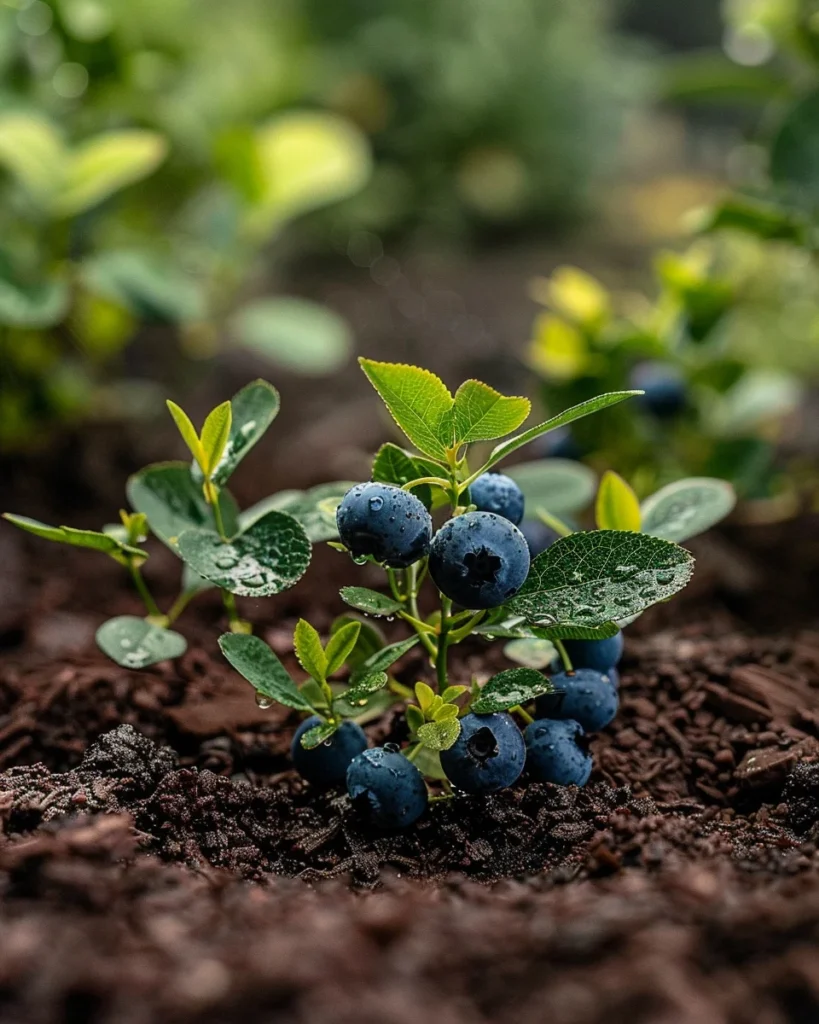
How to Grow Blueberries in Acidic Soil: When to Plant, Best Varieties & Care Guide
Intro for growing blueberries in acidic soil
Blueberries are acid-loving shrubs that reward gardeners with delicious antioxidant-rich berries and attractive foliage that turns fiery red in autumn. Unlike many garden fruits, blueberries thrive in acidic soil with a pH between 4.0 and 5.5, making them perfect for naturally acidic garden spots. These long-lived perennial shrubs can produce fruit for 20+ years when properly established. Native to North America, blueberries grow best in temperate regions with cold winters and moderate summers, though with proper variety selection and care, they can succeed in various climates from USDA zones 3-9, depending on the cultivar.
When to plant blueberries in acidic soil
Blueberries should be planted during their dormant season when the plants are not actively growing. In most temperate regions, this means late fall after leaf drop or early spring before bud break. The soil should be workable and not frozen, ideally with temperatures between 7-15°C (45-60°F). Spring planting is generally preferred in regions with harsh winters, while fall planting works well in milder climates where the roots can establish before summer heat arrives. Avoid planting during summer heat or winter freezes, as these conditions stress young plants and reduce establishment success.
Best time to plant blueberries in acidic soil
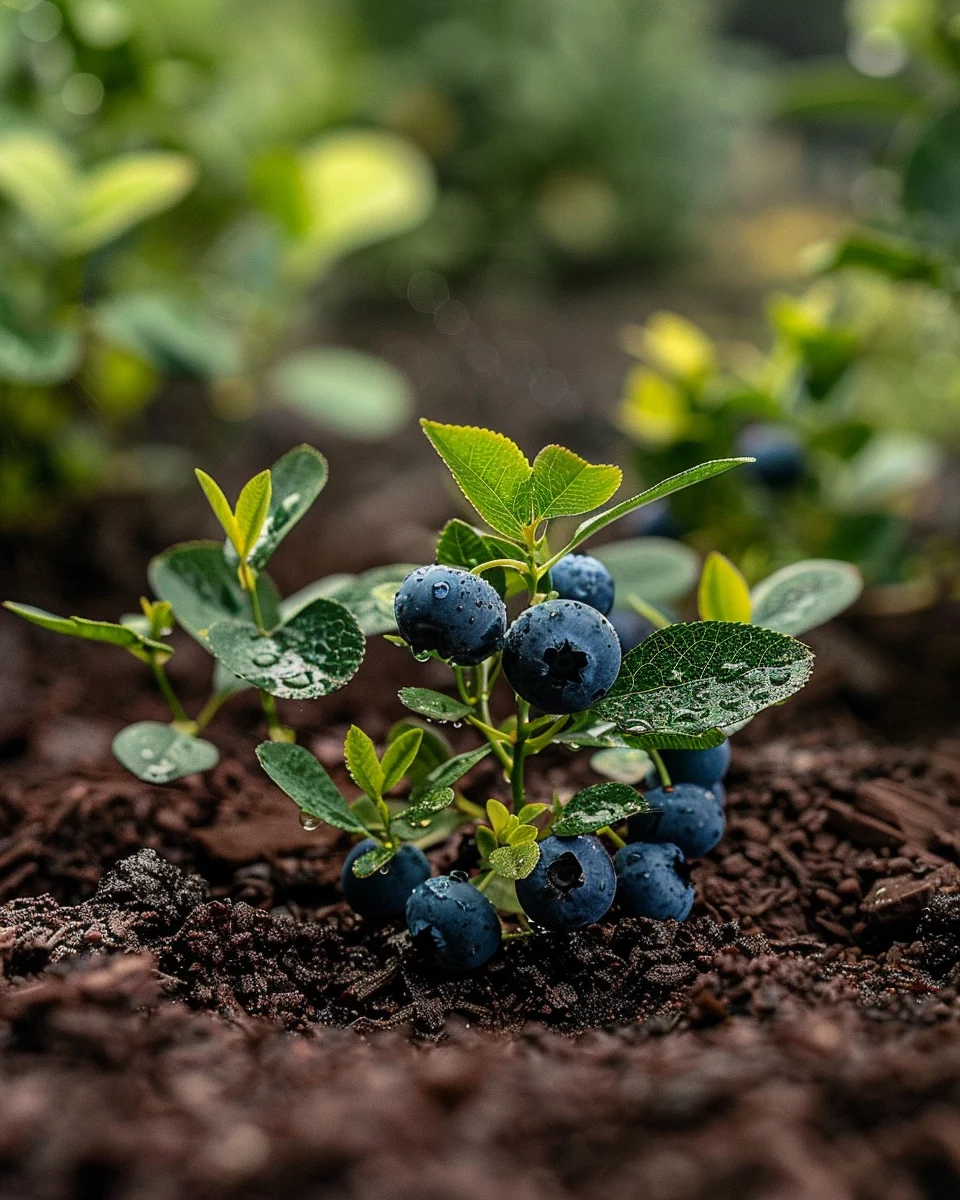
In cool temperate regions (UK, Northern US, Canada), plant blueberries in early to mid-spring, typically March to April, once soil temperatures reach at least 7°C (45°F) and danger of hard frost has passed. In warmer regions (Southern US, Mediterranean climates), late fall to early winter (November to December) is often ideal, allowing root establishment during mild winter conditions. Container-grown blueberries can technically be planted any time the ground isn’t frozen, but they’ll establish best when planted during these optimal seasonal windows. Two-year-old potted plants establish more quickly than younger specimens and may produce a small crop in their second year after planting.
Best blueberry varieties to grow in acidic soil
- Patriot – Cold-hardy (zones 3-7) with large berries and compact growth habit, making it excellent for smaller gardens and containers.
- Bluecrop – Mid-season variety with excellent disease resistance and high productivity, adaptable to various soil conditions within the acidic range.
- Pink Lemonade – Unique pink berries with sweeter, less acidic flavor, plus stunning ornamental value with pink flowers and red-tinged new growth.
- Sunshine Blue – Semi-evergreen with low chilling requirements, perfect for mild-winter regions and container growing with beautiful blue-green foliage.
- Northland – Extremely cold-hardy (to -35°F/-37°C) with smaller, sweeter berries and excellent tolerance for wetter soils.
- Chandler – Produces the largest berries of any variety with an extended harvest period of up to six weeks.
- Legacy – Disease-resistant with excellent flavor and extended harvest season, tolerating higher pH soils better than most varieties.
How to plant blueberries in acidic soil
Materials needed:
- Blueberry plants (preferably 2-3 year old container plants)
- Peat moss or acidic compost
- Elemental sulfur (if needed to lower soil pH)
- Pine bark mulch
- Garden spade and fork
- pH testing kit
- Watering can or hose
- Organic fertilizer formulated for acid-loving plants
Step-by-step planting:
- Test your soil pH 3-6 months before planting. If above 5.5, add sulfur according to package directions to lower pH.
- Select a planting site with full sun (minimum 6 hours daily) and good drainage.
- Dig a hole twice as wide as the root ball and the same depth.
- Mix the removed soil with equal parts peat moss to increase acidity and improve drainage.
- Gently remove the plant from its container, loosen the roots slightly if pot-bound.
- Place the plant in the hole at the same depth it was growing in the container.
- Backfill with the soil-peat mixture, firming gently around the roots.
- Water thoroughly to eliminate air pockets.
- Apply a 7-10 cm (3-4 inch) layer of pine bark mulch in a 60 cm (24 inch) circle around the plant, keeping it away from the stem.
- Space plants 1.2-1.8 m (4-6 ft) apart for highbush varieties, or 0.9-1.2 m (3-4 ft) for lowbush types.
How to grow blueberries in acidic soil
Blueberries require consistent moisture but hate wet feet. Water deeply once a week, providing 2.5 cm (1 inch) of water, increasing to twice weekly during fruit development and hot weather. Maintain soil acidity by fertilizing with acid-forming fertilizers specifically formulated for rhododendrons or blueberries, applying in early spring as growth begins and again after flowering. Avoid high-nitrogen fertilizers which can damage plants.
Mulch is essential for blueberries, helping maintain soil acidity, conserve moisture, and suppress weeds. Refresh the pine bark or pine needle mulch annually, maintaining a 7-10 cm (3-4 inch) layer. Prune blueberries in late winter while dormant, removing dead or damaged wood, spindly growth, and oldest stems to encourage new, productive growth.
For container growing, use a large pot at least 45-60 cm (18-24 inches) in diameter with excellent drainage. Use an ericaceous (acidic) potting mix, and be prepared to water more frequently than in-ground plants. Container-grown blueberries benefit from repotting every 2-3 years with fresh acidic medium.
Caring for blueberries in acidic soil
Monitor soil pH annually and amend with sulfur as needed to maintain the 4.0-5.5 range. Remove flowers in the first year after planting to encourage strong root and vegetative growth. Once established, protect developing berries from birds with netting or cages when fruit begins to color.
Common pests include spotted wing drosophila, blueberry maggot, and Japanese beetles. Control with organic insecticides like spinosad or neem oil. Watch for diseases such as mummy berry (shriveled, gray berries), phytophthora root rot (yellowing leaves, plant decline), and powdery mildew (white powder on leaves). Prevent these with good air circulation, proper spacing, and avoiding overhead watering.
Harvest berries when they turn completely blue and detach easily from the stem, typically 2-5 days after full color develops. Pick by gently rolling berries between your fingers. Fresh berries keep for 1-2 weeks in the refrigerator or can be frozen for long-term storage.
Understanding bolting in blueberries
Unlike annual vegetables, blueberries don’t bolt in the traditional sense. However, they can experience stress responses that affect fruit production and quality. Environmental stressors like drought, extreme heat, or improper pH can cause premature fruit drop or reduced berry size. Maintain consistent soil moisture during fruit development and ensure soil pH remains in the acidic range to prevent stress responses.
If blueberries experience drought stress, they may abort fruit production to conserve energy. Apply additional mulch and increase watering frequency during dry periods. Remember that blueberries have shallow, fibrous root systems that can’t access deep soil moisture like some other plants.
Why does blueberry fruit turn bitter?
- Harvesting too early – Berries picked before fully ripe contain higher levels of acids and lower sugars; wait until berries are completely blue and detach easily.
- Variety characteristics – Some varieties naturally have higher acid content; try different cultivars if consistently finding fruit too tart.
- Weather conditions – Excessive rain during ripening can dilute sugars in the fruit; provide protection during unusually wet periods.
- Insufficient sunlight – Shade reduces sugar development in fruit; ensure plants receive at least 6 hours of direct sun daily.
- Nutrient imbalance – Excessive nitrogen fertilizer promotes vegetative growth at the expense of fruit quality; use balanced, slow-release fertilizers formulated for acid-loving plants.
Companion planting for blueberries
Good companions for blueberries include:
- Rhododendrons and azaleas – Share similar soil pH requirements and create an attractive mixed planting.
- Acid-loving herbs like thyme and sage – Repel some insect pests and thrive in the same acidic conditions.
- Strawberries – Form an excellent groundcover beneath blueberry bushes, maximizing garden space.
- Pine trees – Provide dappled shade and naturally acidify soil with their needle drop.
- Lingonberries – Create an attractive groundcover that shares similar growing requirements.
Avoid planting blueberries near:
- Alkaline-loving plants like clematis or lilac – Competing soil amendments will stress one or both plants.
- Tomatoes – Can transmit verticillium wilt to blueberries.
- Brassicas (cabbage family) – Prefer alkaline conditions that conflict with blueberry needs.
Seasonal calendar
- January-February: Prune dormant plants; apply sulfur if needed to maintain soil pH.
- March: Apply acid fertilizer as buds begin to swell; plant new bushes in warmer regions.
- April: Plant new bushes in cooler regions; protect flowering plants from late frosts.
- May: Monitor for pests as leaves develop; ensure adequate water during flowering.
- June: Apply bird netting as berries begin to form; increase watering during fruit development.
- July-August: Harvest berries (timing varies by variety and region); maintain consistent moisture.
- September: Apply second light fertilizer application in warmer regions; refresh mulch.
- October-November: Plant new bushes in mild winter regions; clean up fallen leaves.
- December: Protect container plants from freezing in cold regions; plan for winter pruning.
Problems & solutions
| Problem | Quick Fix |
|---|---|
| Yellowing leaves | Check soil pH; apply iron sulfate for quick correction of iron chlorosis caused by pH imbalance. |
| Few or no berries | Ensure cross-pollination by planting at least two different varieties; check for late frost damage to flowers. |
| Birds eating berries | Cover plants with bird netting, securing it at the base to prevent entry. |
| Shriveled, mummified berries | Remove and destroy affected berries to prevent mummy berry disease spread; apply fungicide at early bloom next season. |
| Wilting despite adequate water | Check for root rot; improve drainage or consider replanting in raised beds with better drainage. |
| Stunted growth | Test soil pH and nutrient levels; amend accordingly with sulfur and appropriate fertilizer. |
| Leaf spots or rust | Improve air circulation by pruning; apply organic fungicide like copper spray early in the season. |
Common questions about growing blueberries in acidic soil
How often should I water my blueberry plants?
Water deeply once a week, providing about 2.5 cm (1 inch) of water. During fruit development and hot weather, increase to twice weekly. Container plants may need daily watering during summer heat. Blueberries need consistent moisture but hate waterlogged conditions.
Can I grow blueberries in containers if I don’t have acidic soil?
Yes, containers are excellent for blueberries when filled with ericaceous (acidic) potting mix. Choose a pot at least 45-60 cm (18-24 inches) in diameter with good drainage. Dwarf varieties like ‘Top Hat’ or ‘Sunshine Blue’ are particularly well-suited to container growing.
How long before my blueberry plants produce fruit?
Most blueberry plants take 2-3 years to produce significant harvests. Two-year-old nursery plants may produce a small crop in their first year after planting. Remove flowers in the first year after planting younger plants to encourage stronger vegetative growth.
Do I need more than one blueberry plant for pollination?
While most blueberries are partially self-fertile, planting at least two different varieties of the same type (highbush, lowbush, etc.) will significantly improve pollination and yield. Plant varieties that bloom at the same time for best results.
How do I know if my soil is acidic enough for blueberries?
Use a soil pH test kit, available at garden centers. Blueberries prefer soil with pH between 4.0-5.5. If your soil tests above 5.5, add elemental sulfur according to package directions to lower the pH. Retest after 3-6 months, as pH adjustment takes time.
When is the best time to prune blueberry bushes?
Prune blueberries in late winter while plants are still dormant but before new growth begins. Remove dead, damaged, or diseased wood, thin out crowded areas, and remove the oldest stems (those over 6 years old) to encourage productive new growth.
Can blueberries tolerate partial shade?
Blueberries produce best with 6+ hours of direct sunlight daily. They can tolerate partial shade, especially in hot climates where afternoon shade may be beneficial, but expect reduced yields. Morning sun is most important for drying dew and reducing disease issues.