
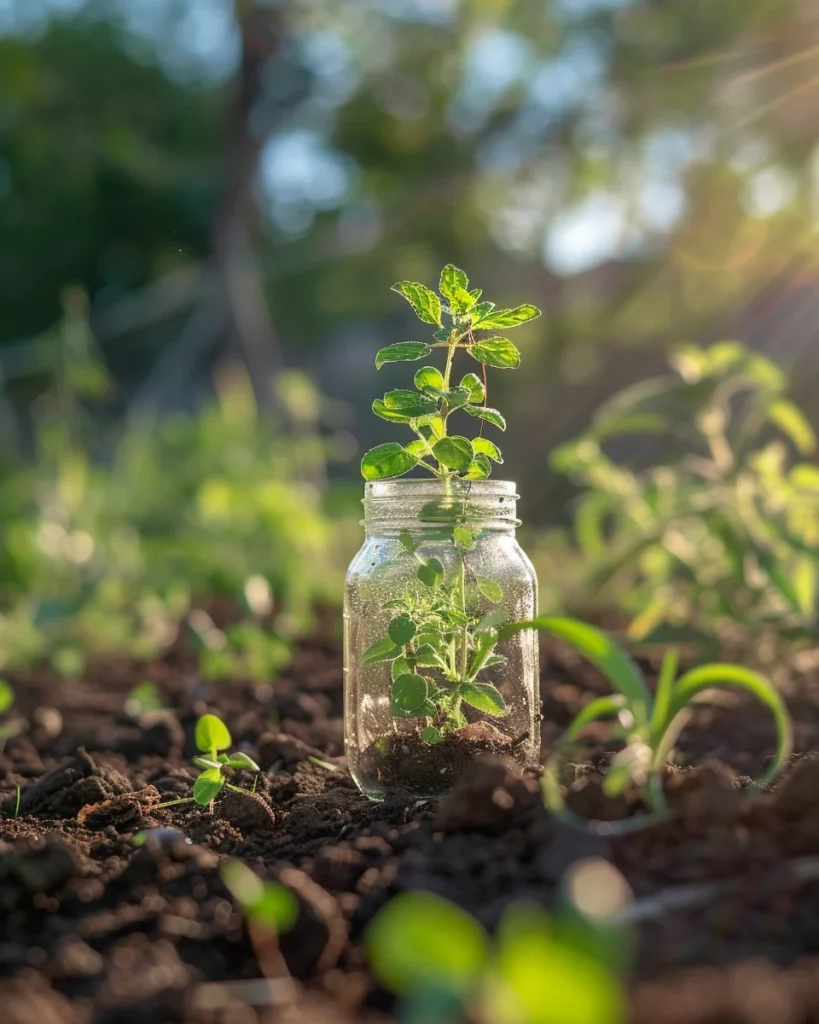
How to Grow Herbs in Mason Jars: Fresh Indoor Gardening Year-Round
Intro for growing herbs in mason jars
Mason jar herb gardens combine practicality with aesthetic charm, offering a space-saving solution for growing fresh herbs indoors. These miniature gardens bring the benefits of fresh herbs—vibrant flavors, aromatic properties, and nutritional value—right to your kitchen windowsill. Mason jars are ideal vessels for herbs because they’re inexpensive, readily available, and their transparent sides allow you to monitor root development. This method works particularly well in apartments, small homes, or for gardeners with limited outdoor space. With proper setup and care, a mason jar herb garden can provide fresh culinary herbs year-round, regardless of outdoor growing conditions.
When to plant herbs in mason jars
The beauty of growing herbs in mason jars is that you can start them any time of year, as they’ll be growing indoors in a controlled environment. However, if you’re starting from seeds rather than transplants, spring and early summer (when temperatures range between 18-24°C/65-75°F) provide optimal germination conditions. For those in temperate regions, starting herbs indoors 6-8 weeks before the last frost date gives seedlings a strong start. In Mediterranean climates, you can begin year-round, while in cooler northern regions, the darker winter months may require supplemental lighting for successful growth.
Best time to plant herbs in mason jars
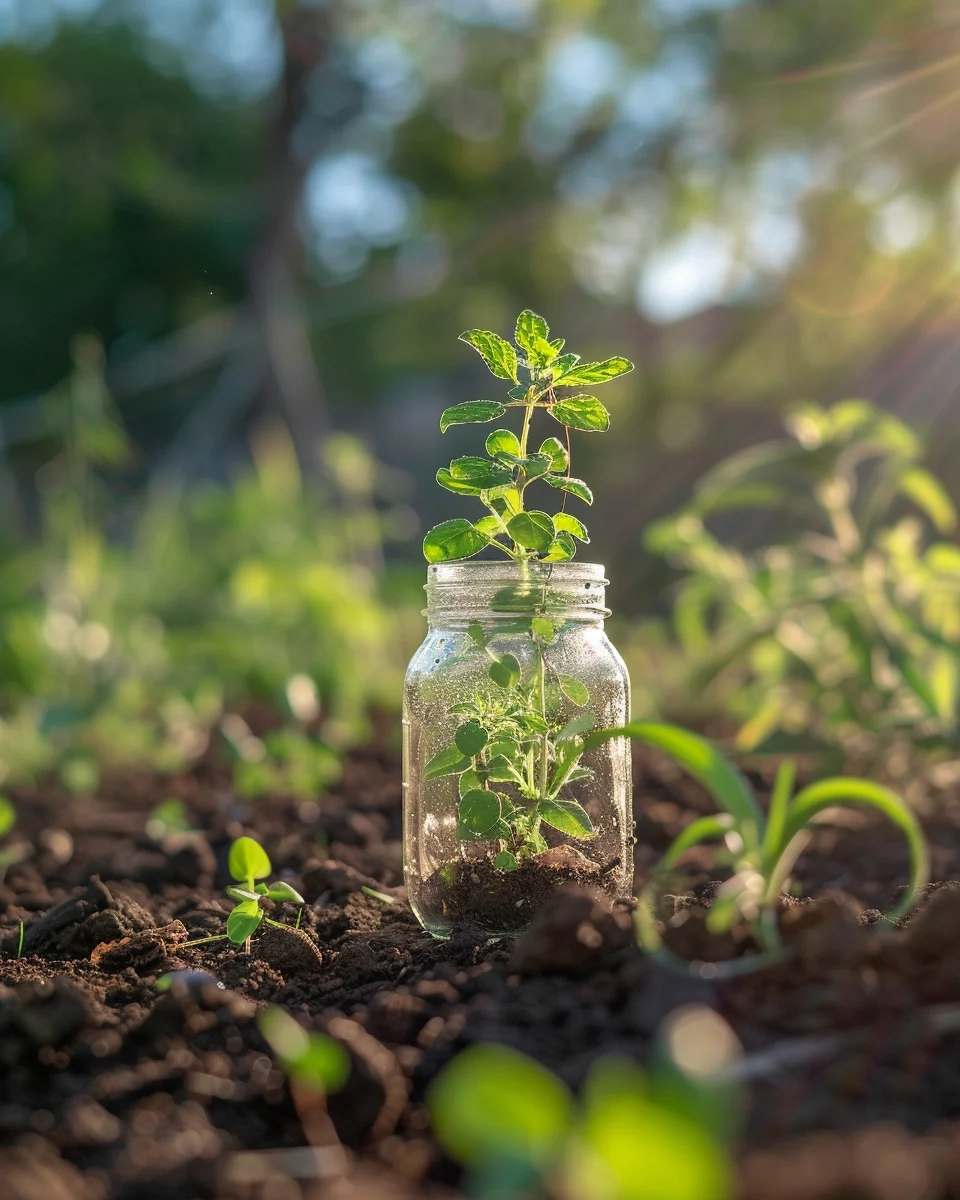
For most temperate regions, March through May offers ideal conditions for starting a mason jar herb garden. During these months, increasing natural light supports healthy growth without the extreme heat of summer. If using transplants from nurseries, April to June is optimal in cool-temperate regions, while September to October works well in warmer zones. For direct seeding in mason jars, fast-growing herbs like basil, cilantro, and dill can be started every 3-4 weeks for continuous harvests. Perennial herbs like rosemary, thyme, and mint establish better when planted in early spring to allow sufficient root development before summer.
Best herbs in mason jars varieties to grow
- Basil (Genovese) – Compact growth habit with rich flavor, perfect for smaller containers.
- Mint (Spearmint or Peppermint) – Vigorous growers that thrive in contained environments where their spreading nature is controlled.
- Chives – Shallow root systems make them ideal for mason jars, providing continuous harvests of mild onion flavor.
- Thyme (English or Lemon) – Drought-tolerant with minimal root space requirements, offering concentrated flavor in small harvests.
- Cilantro ‘Slow Bolt’ – Bred to resist premature flowering in warm conditions, extending the harvest period.
- Parsley (Italian Flat-Leaf) – More flavorful than curly varieties and adapts well to container growing.
- Oregano ‘Greek’ – Intensely flavored variety that remains compact in containers.
How to plant herbs in mason jars
Materials needed:
- Mason jars (pint or quart size)
- Small rocks, pebbles, or hydroponic clay pellets
- Activated charcoal (optional, helps prevent odors)
- Quality potting mix or herb-specific soil
- Herb seeds or small transplants
- Small trowel or spoon
- Spray bottle for watering
- Labels or markers
Step-by-step planting:
- Clean mason jars thoroughly and ensure they’re completely dry.
- Add a 1-2 inch (2.5-5 cm) layer of small rocks or pebbles at the bottom for drainage.
- Sprinkle a thin layer of activated charcoal over the rocks (optional).
- Fill the jar about two-thirds full with potting mix, leaving space for root development.
- For seeds: Create a small depression in the soil surface, place 3-5 seeds, and cover lightly with soil.
- For transplants: Create a hole in the center of the soil, place the herb plant, and gently firm soil around roots.
- Water gently using a spray bottle to avoid displacing seeds or soil.
- Place in appropriate light conditions (most herbs need 6+ hours of sunlight).
- Label each jar with the herb name and planting date.
- For seed-started herbs, thin to the strongest seedling once they develop true leaves.
How to grow herbs in mason jars
Successful mason jar herb gardens require careful attention to light, water, and nutrients. Position your jars in a south-facing window where they’ll receive at least 6 hours of sunlight daily. If natural light is insufficient, supplement with grow lights positioned 6-12 inches (15-30 cm) above plants for 12-14 hours daily. Water management is critical in mason jars—check moisture levels every 1-2 days by touching the soil surface. Water when the top inch (2.5 cm) feels dry, using a small watering can or spray bottle to avoid overwatering. The drainage layer helps prevent root rot, but be vigilant about not allowing water to pool at the bottom.
Feed herbs in mason jars with half-strength liquid organic fertilizer every 3-4 weeks during active growth. Herbs in containers deplete nutrients faster than garden-grown plants. Regularly prune herbs to encourage bushier growth—pinch growing tips once plants reach 4-6 inches (10-15 cm) tall. For larger herbs like basil and parsley, maintain plant size by harvesting outer leaves first and removing any flower buds to extend the productive period. Rotate jars a quarter turn every few days to promote even growth, as plants naturally lean toward light sources.
Caring for herbs in mason jars
Regular maintenance ensures thriving mason jar herbs. Check soil moisture every 1-2 days, as glass containers can heat up quickly in direct sunlight. Prune regularly to maintain appropriate size and prevent legginess. Harvest herbs in the morning when essential oil content is highest, taking no more than one-third of the plant at once. Watch for common pests like aphids and spider mites—treat infestations early by wiping leaves with a mild soap solution (1 teaspoon dish soap per quart/liter of water) or neem oil spray.
Prevent fungal issues by ensuring good air circulation around plants and avoiding overhead watering. If leaves yellow, the cause is typically either overwatering or nutrient deficiency—adjust watering frequency and apply diluted fertilizer accordingly. For long-term care, replace the top inch (2.5 cm) of soil every 2-3 months to refresh nutrients. Most herbs in mason jars will need complete replanting or significant pruning every 6-12 months as they outgrow their containers or become woody.
Understanding bolting in herbs in mason jars
Bolting occurs when herbs shift from leaf production to flowering and seed production, often resulting in bitter-tasting foliage. In mason jar herbs, bolting is typically triggered by heat stress, especially when jars are placed in hot, sunny windows where temperatures can fluctuate dramatically. Other triggers include inconsistent watering, root constriction, and the natural lifecycle of annual herbs like cilantro and dill. Prevent bolting by maintaining consistent temperatures between 18-24°C (65-75°F), moving jars away from hot windowsills during summer afternoons, and harvesting regularly to encourage continued leaf production.
If herbs begin to bolt, immediately pinch off flower stems to redirect energy back to leaf growth. For herbs like cilantro and basil that are particularly bolt-prone, consider succession planting new jars every 3-4 weeks during warm months. Some herbs, particularly biennials like parsley, will inevitably bolt in their second year—when this happens, collect seeds for future planting and start fresh plants. Remember that bolting is sometimes unavoidable, especially with annual herbs, so plan accordingly with replacement plants.
Why does herbs in mason jars turn bitter?
- Heat stress – Move jars from excessively hot windows and provide afternoon shade during summer.
- Bolting/flowering – Remove flower buds immediately and harvest leaves more frequently.
- Aging plants – Replace herbs that have been growing for several months, as older leaves naturally become more bitter.
- Nutrient imbalance – Refresh soil or apply balanced, diluted fertilizer to address deficiencies.
- Insufficient water – Maintain consistent moisture without waterlogging; herbs that dry out completely often develop bitter compounds.
Companion planting for herbs in mason jars
While traditional companion planting applies more to garden beds, certain herb combinations work well in grouped mason jar arrangements:
- Basil and parsley – Similar water and light requirements, with basil potentially enhancing parsley’s flavor.
- Thyme and rosemary – Both Mediterranean herbs with similar drought-tolerant needs that benefit from the same care regimen.
- Chives and cilantro – Grow well in cooler conditions and can be positioned together in less sunny spots.
- Mint and lemon balm – Related herbs with similar growth habits, though each should have its own jar to prevent competition.
Avoid placing these herbs near each other:
- Mint near basil – Mint’s aggressive growth and different water needs can negatively impact basil’s development.
- Dill near fennel – These can cross-pollinate if allowed to flower, affecting the distinct flavors of each.
Seasonal calendar
- January-February: Maintain existing indoor herbs; provide supplemental lighting in northern regions; start slow-growing perennial herbs indoors.
- March-April: Ideal time to start most herb varieties in mason jars; refresh soil in existing jars; increase feeding as daylight hours extend.
- May-June: Monitor water needs more closely as temperatures rise; move jars away from hot afternoon sun; harvest regularly.
- July-August: Provide afternoon shade for heat-sensitive herbs; increase watering frequency; start cool-season herbs like cilantro and dill.
- September-October: Bring outdoor herb jars inside before first frost; reduce fertilization; adjust watering as growth slows.
- November-December: Position herbs in brightest available windows; reduce watering; use supplemental lighting in northern regions.
Problems & solutions
| Problem | Quick Fix |
|---|---|
| Leggy, stretched growth | Increase light exposure; rotate jars regularly; pinch back stems to encourage branching. |
| Yellowing leaves | Check drainage; reduce watering frequency; apply diluted liquid fertilizer. |
| White fuzzy mold on soil | Improve air circulation; reduce watering; remove affected soil layer and replace. |
| Drooping despite moist soil | Move from hot locations; check for root rot; ensure drainage layer isn’t saturated. |
| Aphids or spider mites | Wipe leaves with mild soap solution; isolate affected plants; apply neem oil for persistent cases. |
| Herbs outgrowing jars | Harvest aggressively; divide and repot into larger containers; start fresh plants. |
Common questions about growing herbs in mason jars
How often should I water herbs in mason jars?
Check moisture every 1-2 days by touching the soil surface. Water when the top inch feels dry, but avoid saturating the drainage layer. Most herbs need watering 2-3 times weekly, though frequency varies with temperature, humidity, and plant size.
What size mason jars work best for herbs?
Pint (16 oz/500ml) jars work well for smaller herbs like thyme and chives. Quart (32 oz/1L) jars are better for larger herbs like basil, parsley, and mint. Ensure jars have adequate drainage layers regardless of size.
Can I grow herbs in mason jars without drainage holes?
Yes, if you create a sufficient drainage layer (1-2 inches/2.5-5cm) of pebbles or clay pellets at the bottom and practice careful watering. Monitor closely to prevent water accumulation in the drainage layer, which can lead to root rot.
How much sunlight do mason jar herbs need?
Most culinary herbs require 6+ hours of direct sunlight daily. South-facing windows are ideal. In low-light conditions, supplement with grow lights positioned 6-12 inches (15-30cm) above plants for 12-14 hours daily.
How long will herbs last in mason jars?
Annual herbs like basil and cilantro typically last 3-6 months before needing replacement. Perennial herbs like thyme and mint can thrive for 6-12 months before requiring division or repotting. Regular harvesting extends productive periods for all varieties.
How do I harvest herbs without killing the plants?
Harvest no more than one-third of the plant at once. For most herbs, pinch or cut stems just above a leaf node to encourage branching. Harvest outer leaves first, leaving inner growth to mature. Regular light harvesting promotes bushier, more productive plants.
Can I grow herbs in mason jars year-round?
Yes, with proper light and temperature management. During winter months in northern regions, supplement with grow lights and move jars away from cold windowsills at night. Maintain temperatures between 18-24°C (65-75°F) for optimal growth throughout the year.