
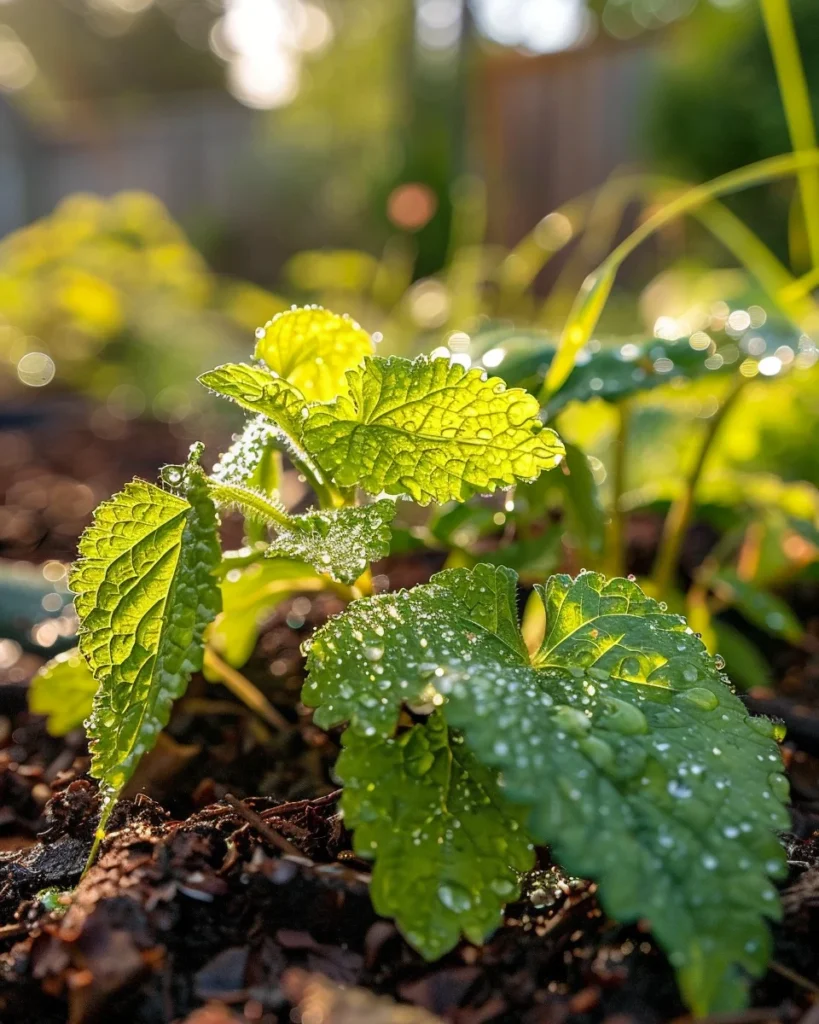
How to Grow Beneficial Insect Habitat in Garden Beds: When to Plant, Best Varieties & Care
Intro for beneficial insect habitat
Creating beneficial insect habitat in your garden beds is one of the smartest moves for organic gardeners. These specialized plantings attract and support pollinators, predatory insects, and parasitoids that help control pest populations naturally. A well-designed insect habitat reduces the need for pesticides, increases crop yields through improved pollination, and adds beauty to your landscape. Beneficial insect gardens work in nearly all climate zones, from cool temperate to Mediterranean regions, and can be adapted to various garden sizes. By incorporating specific plant varieties and maintenance practices, you’ll create a thriving ecosystem that benefits both your garden and the wider environment.
When to plant beneficial insect habitat
The ideal time to establish beneficial insect habitat depends on your local climate and the plant species you choose. In general temperate regions, spring and early fall are optimal planting seasons. Spring plantings should begin after the last frost date when soil temperatures reach 10-15°C (50-60°F). Fall plantings should be completed at least 6-8 weeks before the first expected frost to allow plants to establish root systems. In warmer Mediterranean climates, you can plant during mild winter periods. For cooler northern regions, focus on the spring window to give perennials maximum establishment time before winter.
Best time to plant beneficial insect habitat
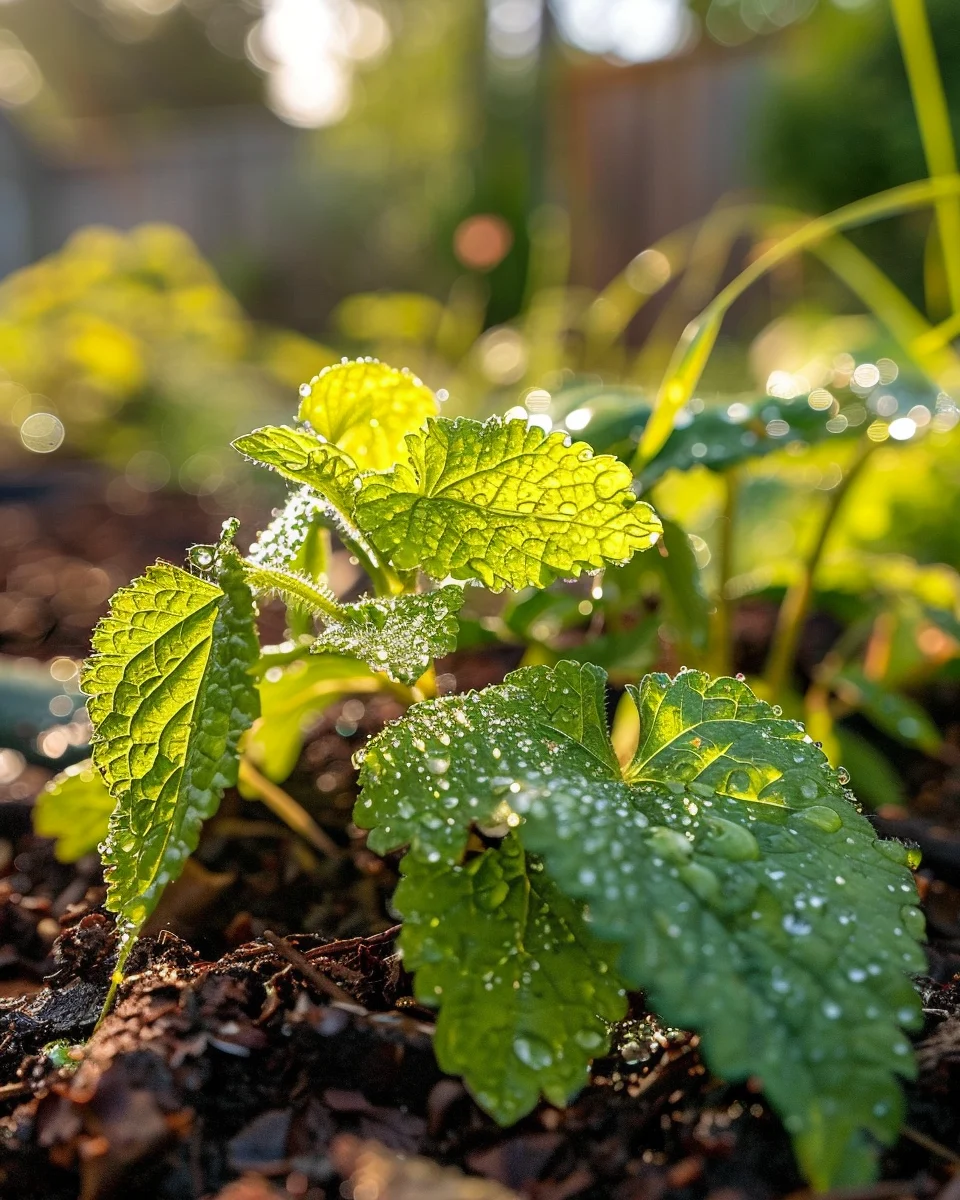
For cool temperate regions (UK, US Zones 4-6): Plant annuals from April to early June, and perennials from March to May or September to early October. Direct sow seeds of native wildflowers in late fall for cold stratification.
For warm temperate regions (US Zones 7-9): Plant from February to April or September to October. Transplant heat-sensitive species in early spring or fall to avoid summer stress.
For Mediterranean climates: Plant during the rainy season (typically October to March) to take advantage of natural precipitation during establishment.
Best beneficial insect habitat varieties to grow
• Yarrow (Achillea millefolium) – Attracts tiny parasitic wasps and predatory insects with its flat-topped flower clusters and provides excellent landing platforms.
• Cosmos (Cosmos bipinnatus) – Draws in hoverflies and lacewings with abundant nectar while tolerating poor soil conditions.
• Phacelia (Phacelia tanacetifolia) – Known as “bee’s friend,” this quick-growing annual attracts bees and hoverflies and makes an excellent green manure.
• Echinacea (Echinacea purpurea) – Supports bees and butterflies throughout summer and into fall, with seed heads that feed birds in winter.
• Fennel (Foeniculum vulgare) – Hosts swallowtail butterfly larvae and attracts beneficial wasps with its umbel flowers.
• Goldenrod (Solidago spp.) – Provides late-season nectar for pollinators and habitat for predatory insects like soldier beetles.
• Alyssum (Lobularia maritima) – Low-growing annual that blooms continuously, attracting hoverflies that prey on aphids.
• Oregano (Origanum vulgare) – When allowed to flower, attracts numerous pollinators and beneficial insects while thriving in poor soil.
How to plant beneficial insect habitat
Materials list:
• Native and adapted beneficial plant seeds or transplants
• Compost or organic matter
• Garden fork or tiller
• Rake
• Watering can or hose with spray attachment
• Mulch (leaf mold, straw, or wood chips)
• Plant labels
• Garden plan or sketch
Step-by-step:
1. Select a site receiving at least 6 hours of sunlight daily, ideally visible from your vegetable garden or fruit trees.
2. Prepare the bed by removing existing weeds and loosening soil to a depth of 20-30 cm (8-12 inches).
3. Incorporate 5-7 cm (2-3 inches) of compost to improve soil structure and fertility.
4. Design your planting with taller species toward the back (north side) and shorter plants in front to maximize sunlight exposure.
5. Space plants according to mature size, generally 30-45 cm (12-18 inches) apart for perennials and 15-30 cm (6-12 inches) for annuals.
6. For seeds, follow packet instructions for depth—generally planting smaller seeds 0.5 cm (¼ inch) deep and larger seeds 1-2 cm (½-1 inch) deep.
7. Water thoroughly after planting, applying water gently to avoid washing away seeds.
8. Apply a thin layer of mulch around transplants (but not over seeds) to conserve moisture and suppress weeds.
9. Label plants or sections to help identify beneficial plants during maintenance.
10. Create small patches of bare soil in sunny spots for ground-nesting bees.
How to grow beneficial insect habitat
Sunlight requirements vary by species, but most beneficial insect plants thrive in full sun (6+ hours daily). Some woodland natives like wild geranium prefer partial shade (4-6 hours).
Water newly established plants regularly during their first season, typically once or twice weekly depending on rainfall. Once established, most native perennials require minimal supplemental watering except during prolonged drought.
Fertilizing should be minimal—excessive nutrients often reduce flower production. Apply a light application of compost in spring, but avoid high-nitrogen fertilizers that promote foliage over flowers.
Mulch with 5-7 cm (2-3 inches) of organic material to suppress weeds and retain moisture, but leave some areas of bare soil for ground-nesting bees.
Avoid deadheading all flowers simultaneously—stagger pruning to maintain continuous blooming. Allow some plants to set seed in fall to provide winter food for birds and self-sowing for next season.
For container growing, choose drought-tolerant species like lavender, thyme, and alyssum. Use containers at least 30 cm (12 inches) deep with excellent drainage, and position them near vegetable gardens to maximize beneficial insect movement.
Caring for beneficial insect habitat
Ongoing maintenance is minimal compared to traditional gardens. Remove aggressive weeds that might outcompete beneficial plantings. Divide crowded perennials every 3-4 years in spring or fall. Leave plant stems standing through winter to provide insect hibernation sites, cutting them back in late spring when new growth emerges.
Common pests include deer and rabbits, which can be deterred with fencing or repellents. Diseases are rarely problematic in diverse plantings, but powdery mildew may affect some species during humid weather—improve air circulation by proper spacing and avoid overhead watering.
For harvest, collect herb flowers like mint, oregano, and thyme for culinary use, but leave plenty for insects. Collect seeds from annuals like cosmos and sunflowers in late summer for replanting. Store collected seeds in paper envelopes in a cool, dry place until the next planting season.
Understanding bolting in beneficial insect habitat
Bolting refers to the rapid flower stalk production that occurs in many plants, particularly herbs and leafy vegetables. In a beneficial insect garden, bolting is actually desirable as flowering plants attract more beneficial insects. Bolting is triggered by increasing day length, rising temperatures, or plant stress from drought or root disturbance.
Unlike vegetable gardens where bolting is prevented, in insect habitats you can encourage controlled bolting by:
1. Planting succession crops of fast-bolting annuals like cilantro and dill every 2-3 weeks
2. Allowing herbs like basil and mint to partially flower while harvesting leaves from other parts
3. Selecting bolt-resistant varieties of edible plants if you want both insect habitat and harvest
If bolting occurs in plants you wanted to keep vegetative, harvest what you can and allow the remainder to flower for beneficial insects.
Why does beneficial insect habitat turn bitter?
• Drought stress – Insufficient water causes plants to produce more defensive compounds; solution: implement consistent watering schedule during dry periods.
• Heat waves – Extreme temperatures can alter plant chemistry; solution: provide afternoon shade during hottest months.
• Aging plants – Older leaves naturally become more bitter; solution: remove older growth and encourage fresh growth through proper pruning.
• Soil mineral imbalance – Excessive nitrogen or deficient micronutrients; solution: test soil and amend appropriately with balanced organic matter.
• Natural plant defense – Some bitterness is normal and beneficial for attracting certain insects; solution: embrace this quality in dedicated insect habitat areas.
Companion planting for beneficial insect habitat
Good companions include:
• Fruit trees and berry bushes – Benefit from increased pollination and pest control from nearby insect habitat.
• Vegetable gardens – Placing beneficial insect beds within 50 feet improves natural pest control.
• Roses – Benefit from predatory insects that control aphids and other rose pests.
• Herbs – Many culinary herbs double as excellent insect habitat when allowed to flower.
• Native grasses – Provide overwintering habitat and structural diversity.
Avoid planting near:
• Areas frequently treated with pesticides – Even organic pesticides can harm beneficial insects.
• Plants requiring frequent disturbance – Tilling and soil disruption can destroy ground-nesting insect habitat.
• Extremely aggressive spreaders – Some plants like mint can overwhelm other beneficial species if not contained.
Seasonal calendar
Spring (March-May): Prepare beds, plant perennials, direct sow early annuals, divide established perennials, cut back previous year’s dead stems.
Early Summer (June): Plant heat-loving annuals, maintain light watering during dry spells, begin observing insect activity.
Mid-Summer (July-August): Minimal maintenance, observe peak insect activity, collect seeds from early-flowering species, provide water during drought.
Fall (September-October): Plant fall-blooming species, collect seeds, plant spring-flowering bulbs, add new perennials, apply light compost mulch.
Winter (November-February): Leave dead stems for overwintering insects, plan next year’s additions, order seeds, in mild climates plant bare-root perennials.
Adjustments: In hot regions, focus on fall planting; in cool regions, extend spring planting window and provide winter protection for tender perennials.
Problems & solutions
| Problem | Quick Fix |
|---|---|
| Few insects visiting | Increase plant diversity, ensure continuous blooming, add water source |
| Plants outcompeting each other | Divide aggressive spreaders, maintain proper spacing, edge beds regularly |
| Deer/rabbit damage | Install low fencing, apply repellents, interplant with strongly aromatic species |
| Drought stress | Apply mulch, install drip irrigation, choose more drought-tolerant species |
| Weeds overtaking habitat | Apply organic mulch, hand-weed regularly, increase plant density |
| Winter dieback | Choose locally adapted species, provide wind protection, apply light mulch |
| Neighbors complaining about “messy” look | Add defined edges, install decorative border, create informational signage |
Common questions about growing beneficial insect habitat
How often should I water my beneficial insect garden?
Water deeply but infrequently—about once weekly during establishment and drought periods. Once established, most native plants require minimal supplemental watering except during prolonged drought.
How much sunlight do beneficial insect plants need?
Most flowering plants that attract beneficial insects require at least 6 hours of direct sunlight daily. Some woodland natives can thrive in partial shade with 4-6 hours of sunlight.
What’s the minimum size for an effective beneficial insect bed?
Even a 1 square meter (10 sq ft) area can support beneficial insects. For meaningful impact on pest control, aim for at least 5-10% of your garden space dedicated to insect habitat.
How far should beneficial insect habitat be from vegetable gardens?
Ideally within 20 meters (65 feet) to ensure beneficial insects can easily travel between habitat and crops. Closer is better—even interspersing habitat plants within vegetable beds works well.
Do I need to replant my beneficial insect habitat every year?
No. Focus on perennials and self-seeding annuals for low maintenance. A well-designed habitat should be at least 70% perennial plants that return year after year.
When should I cut back dead plant material?
Wait until spring temperatures consistently reach 10°C (50°F) before removing dead stems, as many beneficial insects overwinter in hollow stems and plant debris.
Can I create beneficial insect habitat in containers?
Yes! Use containers at least 30 cm (12 inches) deep. Focus on drought-tolerant plants like lavender, oregano, alyssum, and compact varieties of echinacea or rudbeckia.