
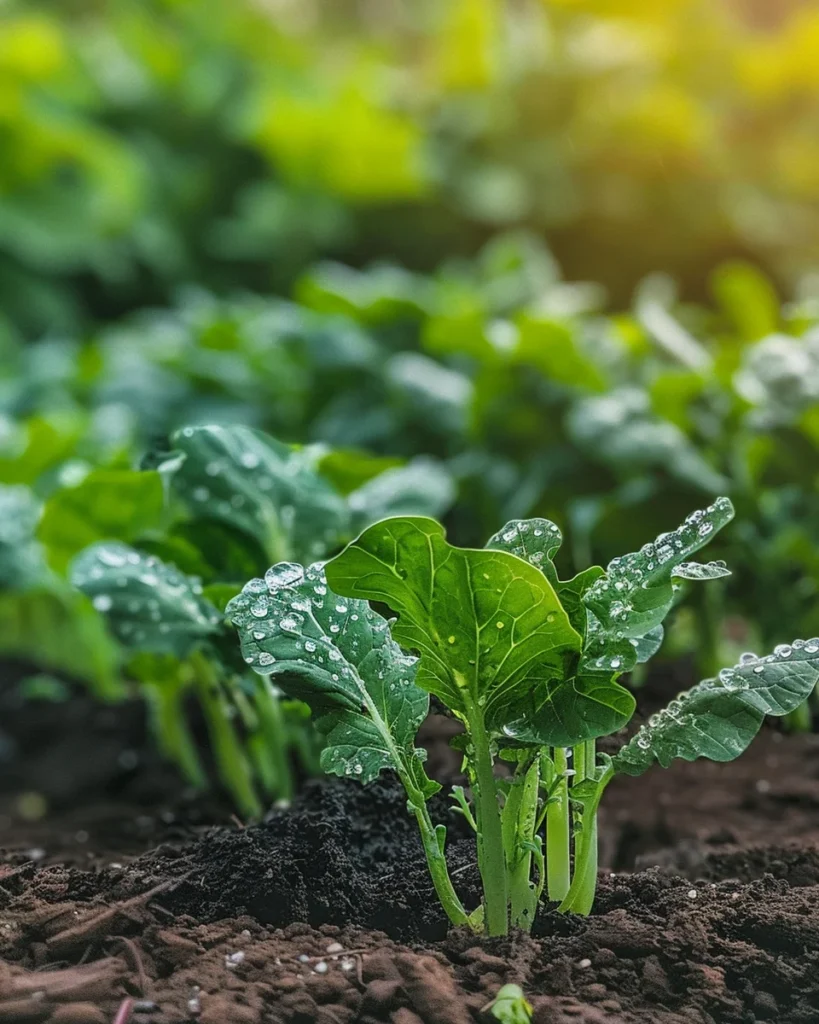
How to Grow Greens Under Row Cover: Extend Your Season with Protected Cultivation
Intro for growing greens under row cover
Growing greens under row cover is a game-changing technique for home gardeners looking to extend their growing season and protect delicate leafy crops. Row covers are lightweight, translucent fabrics that create a protective microclimate for your plants, shielding them from frost, pests, wind, and harsh sunlight. This method allows you to start growing earlier in spring, continue later into autumn, and even maintain production through mild winters in some regions. Whether you’re growing lettuce, spinach, kale, arugula, or other leafy greens, row covers can increase your harvest by weeks or even months while reducing pest problems naturally.
When to plant greens under row cover
Row covers are most valuable during transitional seasons when temperatures fluctuate. In early spring, covers allow you to plant 2-3 weeks earlier than normal by protecting seedlings from late frosts. Most cool-season greens germinate when soil temperatures reach 5-10°C (40-50°F), but row covers can warm the soil faster. In autumn, covers extend your growing season by protecting plants when temperatures drop below 0°C (32°F). In mild temperate regions (UK, US Zones 7-9), lightweight row covers can allow continuous production of hardy greens like kale and spinach throughout winter.
Best time to plant greens under row cover
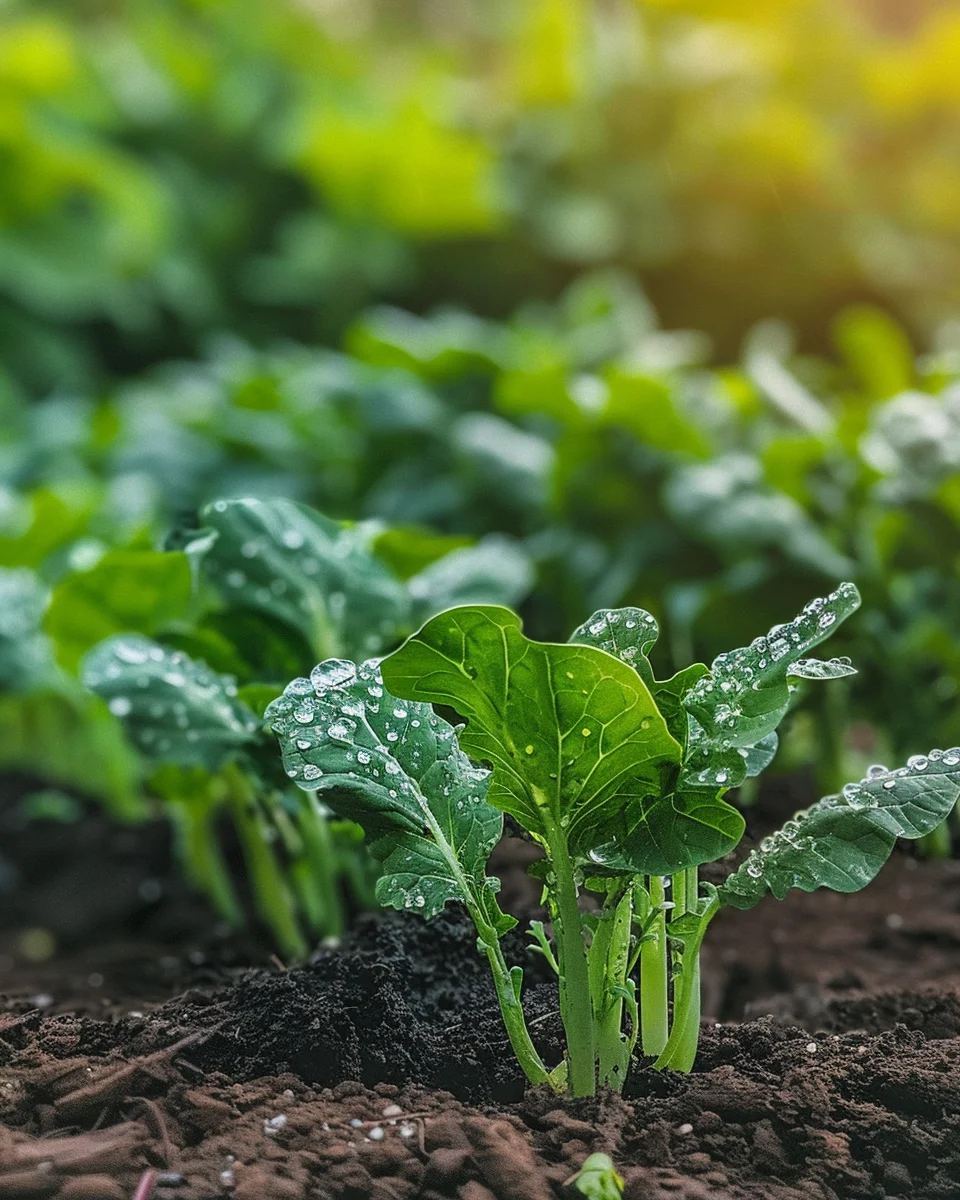
For spring planting in cool temperate regions, install row covers and direct-sow hardy greens like spinach and kale in late February to early March, with lettuce following in mid-March. In warmer regions, start even earlier in January-February. For autumn/winter production, sow seeds in late August through September in most temperate zones. Transplants can be set out 2-3 weeks earlier than direct-sown seeds. For summer greens in hot climates, use row covers as shade cloth from May through September to prevent bolting and extend harvest of heat-sensitive varieties.
Best greens varieties to grow under row cover
- Winter Density Lettuce – Compact, upright growth perfect for row cover systems with excellent cold tolerance.
- Tatsoi – Asian green with remarkable frost resistance, surviving temperatures down to -10°C (14°F) under cover.
- Tyee Spinach – Slow-bolting variety that thrives in the fluctuating temperatures under row covers.
- Red Russian Kale – Tender leaves compared to other kales, benefits greatly from pest protection of covers.
- Mizuna – Fast-growing Japanese mustard green that can be harvested multiple times under protection.
- Claytonia/Miner’s Lettuce – Exceptional cold hardiness, thriving in the cooler, humid environment created by covers.
- Arugula ‘Astro’ – Quick-growing with milder flavor than wild types, perfect for succession planting under covers.
How to plant greens under row cover
Materials needed:
- Row cover fabric (lightweight 0.5oz for summer, medium 1.0oz for spring/fall, heavy 1.5-2.0oz for winter)
- Hoops (wire, PVC, or flexible fiberglass)
- Soil thermometer
- Garden stakes or landscape pins
- Greens seeds or transplants
- Compost or balanced organic fertilizer
- Watering can or irrigation system
Step-by-step planting:
- Prepare your garden bed by removing weeds and incorporating 5-7cm (2-3in) of compost into the top 15cm (6in) of soil.
- Check soil temperature with a soil thermometer; most greens prefer 7-18°C (45-65°F).
- Create planting rows according to seed packet spacing recommendations, typically 15-30cm (6-12in) apart for most greens.
- Sow seeds at appropriate depth (usually 0.5-1cm or ¼-½in) or plant transplants at recommended spacing.
- Water thoroughly but gently to avoid displacing seeds.
- Install hoops along the bed, spacing them approximately 1-1.5m (3-5ft) apart, pushing ends securely into soil.
- Drape row cover fabric over hoops, allowing 15-20cm (6-8in) of slack for plant growth.
- Secure edges by burying in soil or weighing down with rocks, bricks, or landscape pins.
- For warm-weather planting, leave one end loose for ventilation during hot days.
How to grow greens under row cover
Greens under row cover require consistent moisture, as the covered environment can dry out differently than exposed gardens. Check soil moisture every 2-3 days by inserting your finger 2.5cm (1in) into the soil; water when it feels dry. During cool weather, water in the morning to allow foliage to dry before evening. In hot weather, water in late afternoon to reduce evaporation.
Most greens are light feeders, but benefit from monthly applications of diluted liquid seaweed or compost tea. For summer growing, use 30-40% shade cloth instead of standard row cover to prevent bolting while maintaining airflow. In containers, use row covers supported by small hoops or stakes, ensuring the fabric doesn’t touch plants. During warm spells, ventilate by lifting cover edges or removing completely on mild days, then replacing before temperatures drop.
Caring for greens under row cover
Check under covers weekly for pests that may have entered or hatched inside. Aphids are common in the protected environment—control with a strong water spray or insecticidal soap if populations build up. Watch for slugs and snails that enjoy the humid conditions; place diatomaceous earth barriers around plants or use organic slug bait outside the cover perimeter.
Harvest greens by cutting outer leaves first, allowing centers to continue producing. For lettuce and heading greens, harvest entire plants when mature. Most leafy greens can be stored in the refrigerator for 5-10 days in perforated plastic bags with a damp paper towel. During extreme cold snaps, add a second layer of row cover for additional protection, removing it when temperatures moderate to prevent overheating.
Understanding bolting in greens under row cover
Bolting is when greens shift from leaf production to flowering and seed production, making leaves bitter and tough. The primary triggers are long daylight hours and temperatures above 21°C (70°F), though drought stress can also induce bolting. Row covers can both help and hinder bolting prevention. In spring and fall, they moderate temperature fluctuations that can trigger bolting. However, in summer, standard row covers can trap heat, accelerating bolting.
To prevent summer bolting, switch to shade cloth row covers that reduce temperature and light intensity. Select bolt-resistant varieties like ‘Nevada’ lettuce or ‘Bloomsdale’ spinach. If bolting begins, harvest immediately for best flavor. You can allow some plants to flower for beneficial insects and seed saving, but remove most bolted plants and replace with new seedlings for continuous production.
Why does greens under row cover turn bitter?
- Heat stress – When temperatures under covers exceed 26°C (80°F), many greens produce bitter compounds; ventilate on warm days or switch to shade cloth.
- Beginning to bolt – Even before visible flowering stalks appear, the bolting process increases bitterness; harvest at first signs of central stem elongation.
- Insufficient water – Drought stress triggers defensive bitter compounds; maintain consistent moisture under covers where evaporation patterns differ.
- Mature age – Older leaves naturally develop stronger, sometimes bitter flavors; harvest greens young and tender for mildest taste.
- Variety selection – Some varieties naturally have stronger flavors; mild varieties like butterhead lettuce or baby spinach are better choices for heat-sensitive gardeners.
Companion planting for greens under row cover
Good companions:
- Radishes – Quick-growing companions that don’t compete for space and can mark rows of slower-germinating greens.
- Carrots – Their deeper root systems don’t compete with shallow-rooted greens, and both enjoy similar growing conditions.
- Onions/Scallions – Help deter aphids and other pests that might enter the row cover system.
- Nasturtiums – Attract beneficial insects when covers are removed for ventilation and can deter certain pests.
- Herbs like dill and cilantro – Compatible growth habits and attract beneficial insects during flowering if allowed to bloom.
Avoid planting near:
- Brassicas (cabbage, broccoli) – Compete for similar nutrients and attract the same pests, potentially overwhelming the protected environment.
- Strawberries – Can harbor pests that affect greens and compete for space in the low-growing environment.
- Tall plants like corn or tomatoes – Create too much shade and disrupt the even environment under row covers.
Seasonal calendar
- January-February: In mild regions, sow cold-hardy greens under heavy row cover; in cold regions, prepare beds and hoops.
- March: Sow first spring greens under medium-weight covers in most regions; ventilate on warm days.
- April: Continue succession planting; remove covers on established plants during day in mild weather.
- May: Switch to shade cloth covers in warm regions; continue harvesting spring plantings.
- June-August: In hot regions, use shade cloth exclusively; in cooler areas, grow heat-tolerant varieties under ventilated covers.
- September: Begin fall plantings under medium-weight covers; continue harvesting summer crops.
- October: Sow winter-hardy varieties; switch to heavier covers as temperatures drop.
- November-December: Maintain winter harvests in mild regions; add second layer of protection during cold snaps.
Problems & solutions
| Problem | Quick Fix |
|---|---|
| Condensation buildup under cover | Ventilate during daytime; use covers with better breathability; avoid watering foliage. |
| Plants touching cover fabric | Install taller hoops; use stakes to create higher points; prune oversized plants. |
| Wind displacing covers | Use more securing pins/weights; create windbreak; choose lower-profile hoops. |
| Overheating on sunny days | Remove or vent covers midday; switch to shade cloth; use temperature-responsive self-venting covers. |
| Pest infestation under cover | Remove cover, treat plants, replace with fresh cover; ensure edges are completely sealed. |
| Mold/fungal issues | Improve air circulation; water at soil level only; remove affected plants; use fungal-resistant varieties. |
Common questions about growing greens under row cover
How often should I water greens under row cover?
Check moisture levels every 2-3 days by feeling the soil 2.5cm (1in) deep. Row covers reduce evaporation but also block rainfall, so plants typically need watering 1-2 times weekly in cool weather and 2-4 times weekly in warm weather.
Can I reuse row cover fabric?
Yes, with proper care. Gently wash with mild soap, allow to dry completely, and store in a rodent-proof container. Most row covers last 2-3 seasons with good care, though heavier grades tend to last longer than lightweight ones.
Do I need to remove covers for pollination?
For leafy greens harvested before flowering, no pollination is needed. If you’re growing for seed production, remove covers when plants begin flowering to allow pollinator access.
How much warmer is it under row cover?
Lightweight covers (0.5oz) provide 2-4°C (4-7°F) of frost protection, while heavier covers (1.5-2.0oz) can protect plants from temperatures 4-8°C (7-14°F) below their normal hardiness, depending on conditions.
Can I grow greens under row cover in containers?
Absolutely. Use small hoops or create a tent-like structure over containers. Container-grown greens under covers may need more frequent watering but benefit from the same temperature moderation and pest protection.
When should I remove row covers completely?
Remove covers when consistent warm weather arrives and risk of frost has passed. For spring plantings, this is typically when nighttime temperatures stay reliably above 10°C (50°F). For summer-grown greens, keep shade cloth covers in place throughout the hot season.
How do I harvest with row covers in place?
Either temporarily fold back one end of the cover for quick harvests, or install covers with one side attached to a hinged frame that can be lifted easily. For season-long production, consider using clothespins or clips to secure fabric, making it easier to detach for harvest.