
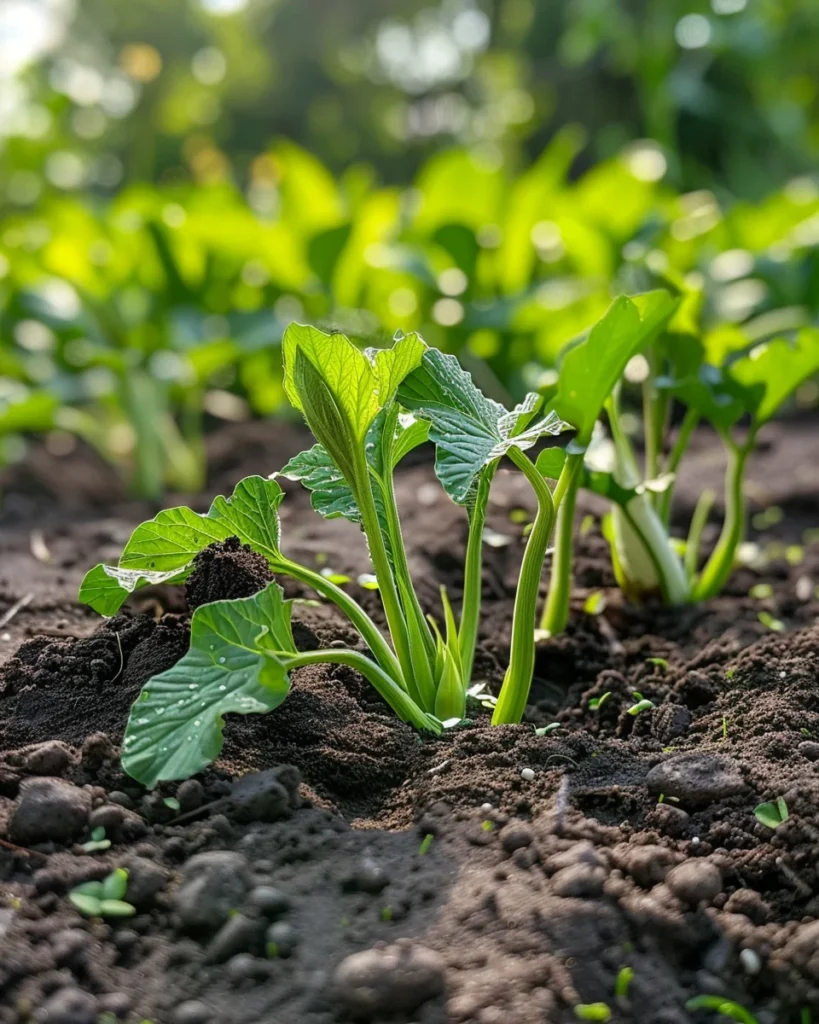
How to Grow Corn, Beans, and Squash Together: The Three Sisters Planting Method
Intro for how to grow corn beans and squash together
The Three Sisters garden—corn, beans, and squash grown together—is an ancient Native American companion planting technique that creates a sustainable, productive growing system. This ingenious method utilizes the natural strengths of each plant: corn provides a natural trellis for beans to climb, beans fix nitrogen in the soil benefiting all three plants, and squash’s large leaves shade the soil, reducing weeds and retaining moisture. Beyond the practical benefits, this trio creates a complete protein source when harvested and eaten together. The Three Sisters method works best in full-sun locations with well-draining soil and is adaptable to most temperate growing regions, making it perfect for home gardeners looking to maximize space and yields naturally.
When to plant how to grow corn beans and squash together
The Three Sisters garden should be planted after all danger of frost has passed and soil has warmed sufficiently. Wait until soil temperatures reach at least 15-18°C (60-65°F) for optimal germination. In most temperate regions, this falls between late spring and early summer. The corn should be planted first, followed by beans and squash after the corn has established. This sequential planting prevents the faster-growing beans from overwhelming young corn stalks. For gardeners in cooler northern regions (UK or US Zones 3-5), choose shorter-season corn varieties and start squash indoors to extend the growing season. Southern gardeners (US Zones 8-10) can often plant earlier and may even get two plantings in warmer areas.
Best time to plant how to grow corn beans and squash together
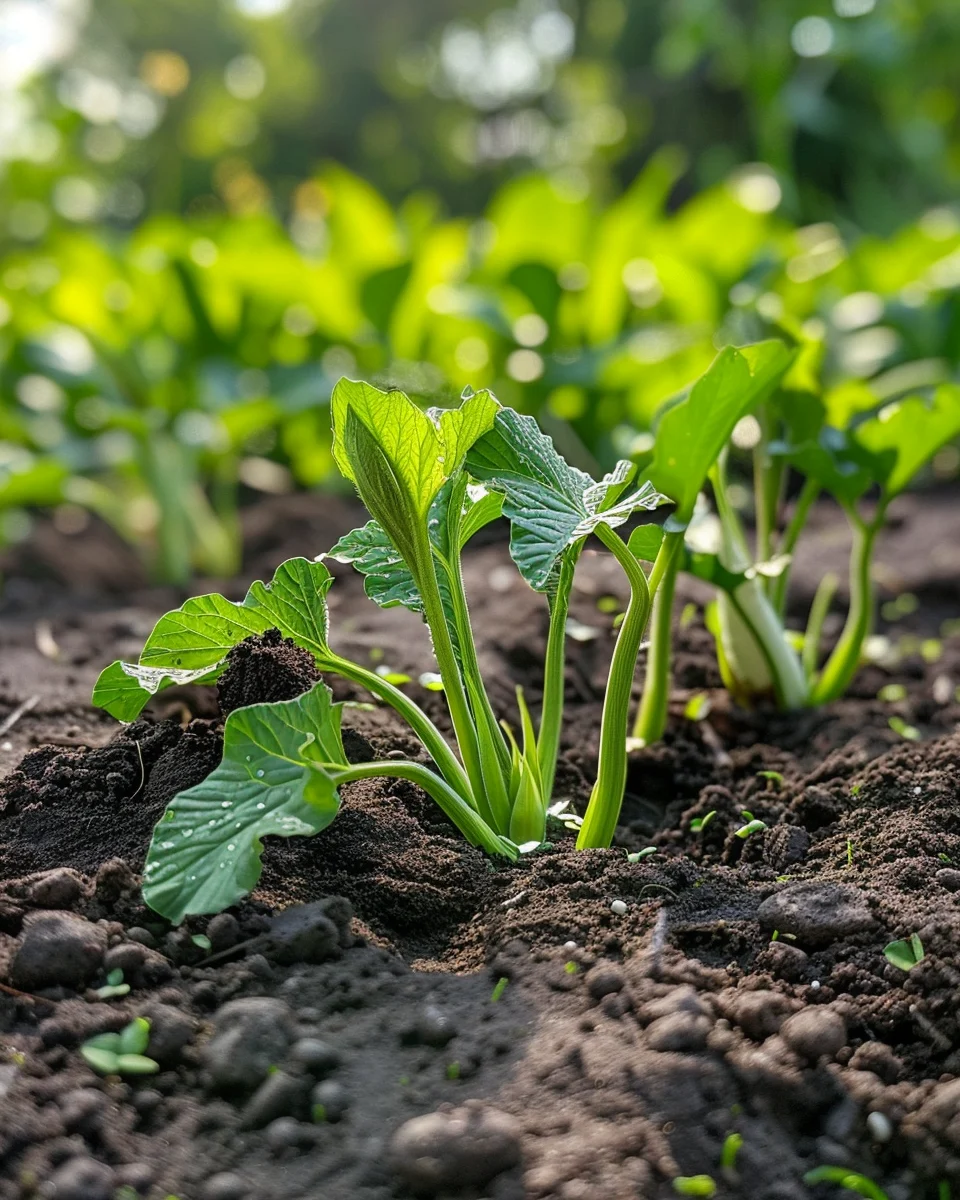
For cool temperate regions (UK, northern US, Canada), plant corn in mid-to-late May, followed by beans and squash in early June. In moderate climates (US Zones 6-7), plant corn in late April to early May, with beans and squash following 2-3 weeks later. Warm climate gardeners (US Zones 8-10, Mediterranean) can plant corn as early as March or April, with beans and squash following. For all regions, direct sowing is preferable for corn and beans, while squash can be either direct-sown or transplanted. If your growing season is short, start squash indoors 3-4 weeks before transplanting to give it a head start.
Best how to grow corn beans and squash together varieties to grow
- Corn: ‘Golden Bantam’ – An heirloom variety with sturdy stalks perfect for supporting climbing beans.
- Corn: ‘Stowell’s Evergreen’ – A tall, robust sweet corn that provides excellent support and produces well in the Three Sisters system.
- Beans: ‘Kentucky Wonder’ – A vigorous pole bean that climbs corn efficiently without overwhelming it.
- Beans: ‘Scarlet Runner’ – Produces beautiful red flowers that attract pollinators while fixing nitrogen and providing food.
- Beans: ‘True Red Cranberry’ – An heirloom dry bean traditionally used in Three Sisters plantings with excellent flavor.
- Squash: ‘Blue Hubbard’ – Large leaves provide excellent ground cover and the hard-shelled fruits store well after harvest.
- Squash: ‘Connecticut Field Pumpkin’ – Traditional Native American variety with sprawling habit perfect for weed suppression.
- Squash: ‘Delicata’ – Smaller bush-type plant good for gardens with limited space while still providing ground cover benefits.
How to plant how to grow corn beans and squash together
Materials needed:
- Corn, bean, and squash seeds
- Compost or aged manure
- Garden fork or tiller
- Trowel
- Watering can or hose with gentle spray attachment
- Mulch (optional)
- Garden twine (optional)
Step-by-step planting:
- Select a site that receives at least 6-8 hours of full sun daily with well-draining soil.
- Prepare the soil by working in 2-3 inches (5-7.5 cm) of compost or aged manure to a depth of 12 inches (30 cm).
- Create mounds approximately 4 feet (1.2 m) in diameter, spaced about 3-4 feet (0.9-1.2 m) apart.
- Plant 4-6 corn seeds in the center of each mound in a small circle, about 6 inches (15 cm) apart and 1-2 inches (2.5-5 cm) deep.
- Water thoroughly and wait until corn reaches about 4-6 inches (10-15 cm) tall (approximately 2-3 weeks).
- Plant 4 bean seeds evenly spaced around each corn cluster, about 3 inches (7.5 cm) away from the corn stalks and 1 inch (2.5 cm) deep.
- Wait one week after planting beans, then plant 3-4 squash seeds around the perimeter of the mound, about 1 inch (2.5 cm) deep.
- After germination, thin corn to 3-4 stalks per mound, beans to 3-4 plants, and squash to 2 plants per mound.
- Water deeply after planting each type of seed.
- Apply a light layer of mulch around plants once established to retain moisture and suppress weeds.
How to grow how to grow corn beans and squash together
The Three Sisters garden requires full sunlight, at least 6-8 hours daily for optimal growth and production. Water deeply once or twice weekly, providing about 1-1.5 inches (2.5-3.8 cm) of water per week, increasing during dry spells or when corn is forming tassels and ears. Avoid overhead watering to prevent fungal diseases. Fertilize at planting time with compost, then side-dress with additional compost when corn is knee-high. The beans will provide ongoing nitrogen, reducing the need for additional fertilization. Mulch around plants once established to conserve moisture and suppress weeds, keeping the mulch a few inches away from stems to prevent rot. No staking is typically needed as the corn naturally supports the beans, though in windy areas, you may want to create a small earth mound around corn stalks for additional support. For container growing, use a large container at least 24 inches (60 cm) in diameter and 18 inches (45 cm) deep, plant fewer seeds, and water more frequently.
Caring for how to grow corn beans and squash together
Regular maintenance includes weeding until the squash leaves spread enough to shade the soil, monitoring soil moisture, and watching for pests. Common pests include corn earworms (look for holes in husks; apply a few drops of mineral oil to silk after pollination), squash bugs (handpick or use row covers until flowering), and bean beetles (handpick or use neem oil spray). Watch for powdery mildew on squash leaves (treat with a baking soda spray: 1 tablespoon in 1 gallon of water with a few drops of dish soap) and corn smut (remove and destroy affected parts). Harvest corn when the silks turn brown and kernels produce a milky liquid when punctured. Pick beans regularly to encourage production. Harvest summer squash young and tender, while winter squash should be left until the rind hardens and vines begin to die back. Store corn briefly in the refrigerator, dry beans thoroughly for long-term storage, and cure winter squash in a warm, dry place before storing in a cool, dark location.
Understanding bolting in how to grow corn beans and squash together
Bolting isn’t typically an issue with the Three Sisters plants as they are all warm-season crops meant to complete their life cycle in a single growing season. However, stress can cause problems in each plant. Corn may tassel prematurely if exposed to drought or extreme temperature fluctuations, resulting in poor ear development. To prevent this, maintain consistent watering, especially during tasseling and silking. Beans may flower but fail to set pods during extreme heat (above 90°F/32°C); provide afternoon shade or use row covers during heat waves. Squash plants naturally produce male flowers first before female flowers appear, so don’t be concerned if early flowers don’t produce fruit. If any of the three sisters show signs of stress, increase watering and consider applying a light layer of mulch to regulate soil temperature and moisture.
Why does how to grow corn beans and squash together turn bitter?
- Squash bitterness: Excessive cucurbitacin development due to stress or cross-pollination with wild cucurbits; discard extremely bitter squash as it may be toxic.
- Corn sweetness loss: Harvesting too late after sugars convert to starch; harvest when kernels are plump but still produce milky liquid when punctured.
- Bean bitterness: Drought stress or harvesting too late; maintain consistent watering and harvest green beans when young and tender.
- Soil mineral imbalances: Excessive nitrogen can affect flavor; rely on the beans’ natural nitrogen-fixing rather than adding high-nitrogen fertilizers.
- Heat stress: Extreme temperatures can affect flavor compounds; provide afternoon shade during heat waves or use shade cloth in very hot climates.
Companion planting for how to grow corn beans and squash together
The Three Sisters is already a companion planting system, but you can enhance it with additional companions:
- Sunflowers: Plant at the north side to provide additional support for beans and attract pollinators without shading other plants.
- Nasturtiums: Repel squash bugs and cucumber beetles while attracting pollinators with bright flowers.
- Marigolds: Deter nematodes and other soil pests with their root exudates.
- Borage: Attracts pollinators and beneficial insects that help with pest control.
- Dill or cilantro: Attracts beneficial predatory insects that control aphids and other pests.
Avoid planting the Three Sisters near:
- Potatoes: Compete for nutrients and can inhibit corn growth.
- Tomatoes: May share diseases with beans and compete for similar nutrients.
- Brassicas (cabbage family): Have different growing requirements and may inhibit bean growth.
Seasonal calendar
- March-April: Prepare soil and create mounds; start squash indoors in cooler regions.
- May: Plant corn when soil reaches 60°F (15°C); in warm regions, beans and squash can follow 2 weeks later.
- June: Plant beans when corn is 4-6 inches tall; plant squash one week later; in cooler regions, this may be the initial corn planting time.
- July: Maintain watering; side-dress with compost if corn shows yellowing; begin harvesting early beans.
- August: Harvest sweet corn as ears mature; continue bean harvest; summer squash harvest in full swing.
- September: Final corn harvest; continue bean harvest; begin harvesting winter squash as rinds harden.
- October: Harvest dry beans; complete winter squash harvest before frost; begin clearing spent plants.
- November: Clear garden; compost plant material if disease-free; cure winter squash for storage.
Problems & solutions
| Problem | Quick Fix |
|---|---|
| Corn falling over | Mound soil around base of stalks; plant in blocks rather than rows for better pollination and support |
| Beans not climbing corn | Gently guide young bean shoots toward corn stalks; ensure beans weren’t planted too early before corn established |
| Squash leaves with powdery white spots | Spray with diluted milk solution (1:9 milk to water) or baking soda spray for powdery mildew |
| Corn ears poorly filled | Ensure proper pollination by planting in blocks; hand-pollinate by shaking stalks on calm mornings |
| Squash producing only male flowers | Be patient—female flowers with tiny fruits at their base will appear later; ensure adequate water and pollination |
| Bean leaves being eaten | Check undersides of leaves for bean beetles; handpick or spray with neem oil solution |
| Overall poor growth | Check soil fertility; add compost tea as a gentle fertilizer; ensure plants receive at least 6 hours of sunlight |
Common questions about growing how to grow corn beans and squash together
How much space do I need for a Three Sisters garden?
A minimum of 10×10 feet (3×3 meters) is recommended for a small Three Sisters garden with 4-5 mounds. Each mound should be about 4 feet (1.2 m) in diameter with 3-4 feet (0.9-1.2 m) between mounds.
Can I grow the Three Sisters in containers?
Yes, but you’ll need a very large container—at least 24 inches (60 cm) in diameter and 18 inches (45 cm) deep. Plant only one corn mound per container with 3 corn plants, 2 bean plants, and 1 compact squash variety.
How often should I water my Three Sisters garden?
Water deeply 1-2 times per week, providing about 1-1.5 inches (2.5-3.8 cm) of water weekly. Increase frequency during dry spells and when corn is forming ears. The squash leaves will help retain soil moisture.
Do I need to fertilize my Three Sisters garden?
Prepare the soil initially with compost or aged manure. The beans will fix nitrogen naturally, reducing the need for additional fertilization. If corn shows yellowing, a light side-dressing of compost midseason can help.
When do I harvest each of the Three Sisters?
Harvest sweet corn when silks turn brown and kernels produce a milky liquid when punctured. Pick green beans regularly when young and tender, or let dry beans mature fully on the vine. Harvest summer squash young, while winter squash should be left until the rind hardens and cannot be pierced with a fingernail.
What if my corn matures before my beans have finished producing?
This is normal. After harvesting corn, leave the stalks standing as trellises for the beans to continue growing. Remove corn ears but keep the plants intact until beans and squash have completed their growth cycle.
Can I save seeds from my Three Sisters garden for next year?
Yes, but be aware that corn readily cross-pollinates, so saved seeds may not grow true to type unless you’ve grown only one variety and are isolated from other corn. Beans and most winter squash varieties are good candidates for seed saving.